




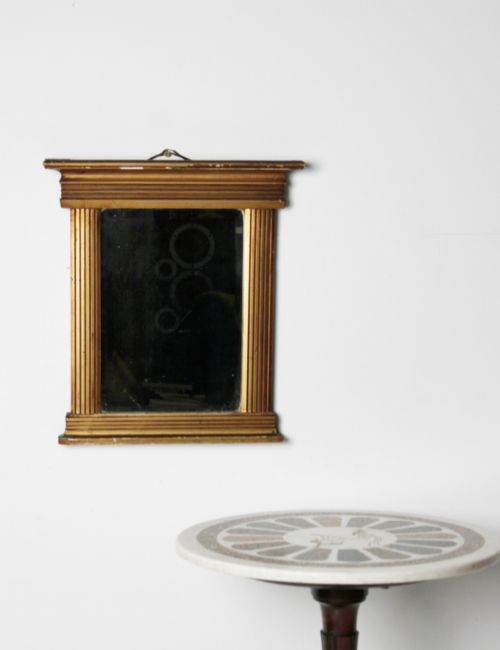


Early Georgian Mirror
When you search for an early georgian mirror, you seek a historic piece of craftsmanship defined by rich wood veneers and gilded details.
Early Georgian Mirror
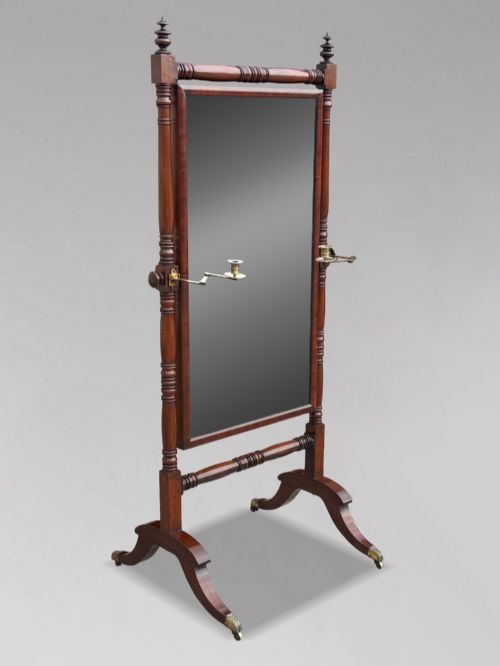
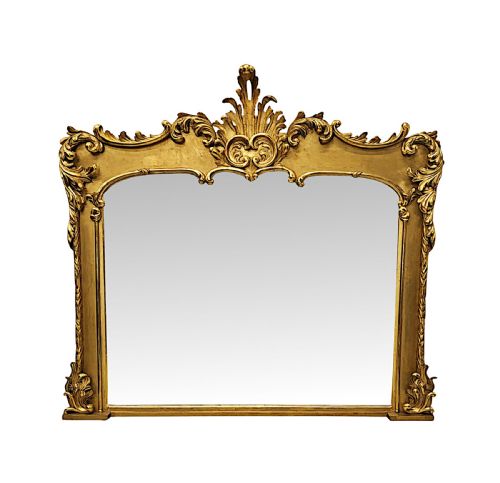
An early georgian mirror encompasses wall-hanging plates, dressing table models, and larger pier mirrors designed for eighteenth-century interiors.
The selections span several periods, featuring authentic pieces from the eighteenth century alongside nineteenth-century interpretations in the same style.
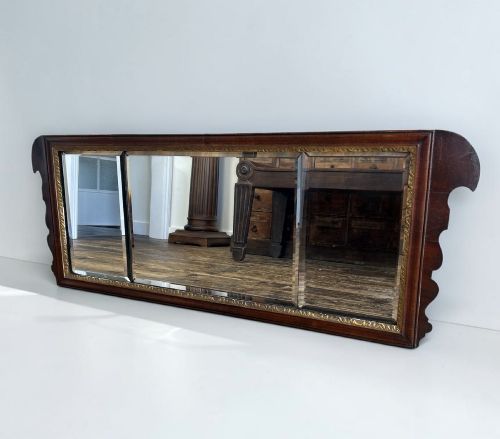
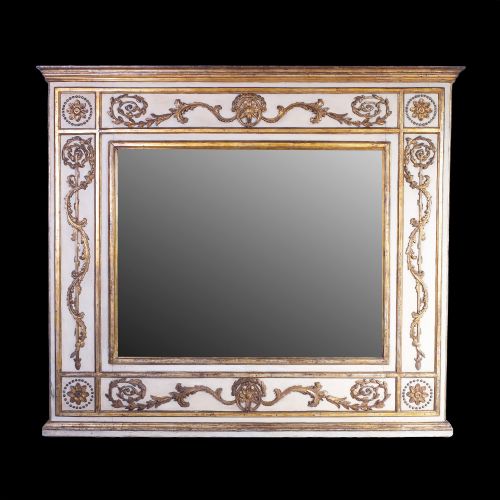
Forms include smaller swing toilets, architectural pier glasses, and compartmented overmantel frames placed above fireplaces.
Materials and construction methods
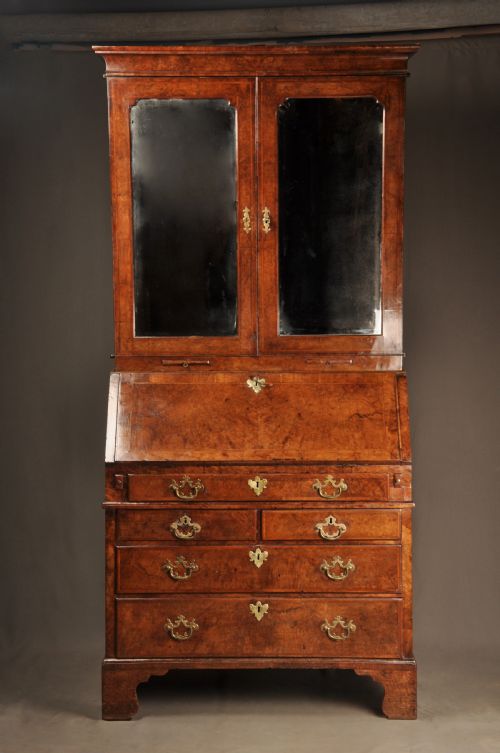
Carpenters utilised native and imported timbers, notably figured walnut and mahogany, often enhanced by burr veneers, marquetry, and parcel-gilding.
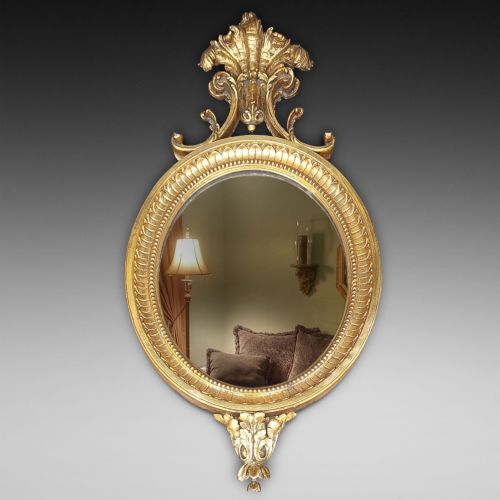
Giltwood frames combined carved softwoods with layers of gesso, finished with gold leaf or metallic paint.
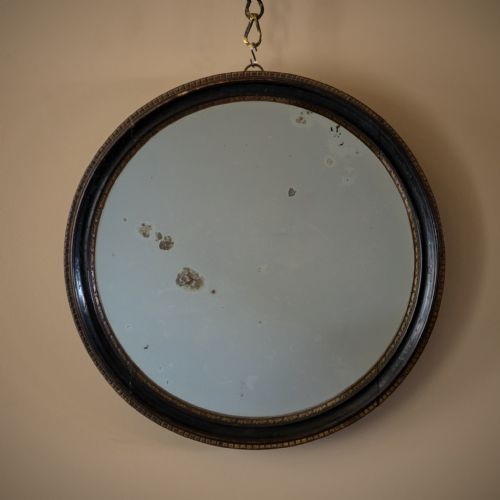
Mirror plates were set using traditional glass, occasionally retaining original mercury backing.
An unusual maple-framed glass records an American and British naval engagement through a reverse glass print.
Factors determining the standard of execution
The refinement of the timber selection dictates the visual depth, particularly in figured walnut and burr mahogany veneers.
The crispness of carved details in giltwood and gesso elements separates master workshops from standard production.
Survival of original mirror plates and untouched secondary woods preserves historical integrity.
John Belchier·Gillingtons of Dublin·William Kent
The Early Georgian Mirror Glossary
- Giltwood
- Timber carved and coated with gold leaf over a prepared gesso ground. This technique creates reflective, ornate decorative frames.
- Mercury plate
- Early mirror glass backed with a tin and mercury amalgam. It produces a characteristic mottled reflection.
- Pier mirror
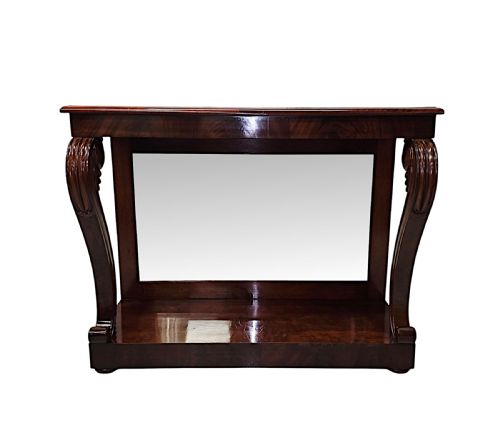
- A tall glass designed specifically to hang on the wall space between windows. These often coordinate with matching console tables.
- Toilet mirror
- A smaller swing glass mounted on a miniature frame or box base containing small drawers. These sat atop dressing chests.
- Parcel-gilt
- Woodwork decorated with partial gilding, highlighting specific carved motifs while leaving the underlying wood grain visible.
Early Georgian Mirror: Frequently Asked Questions
Where were these mirrors placed?
These mirrors hung in formal reception rooms above fireplaces, between windows as pier glasses, or stood on dressing tables in bedrooms.
They served both practical grooming functions and decorative roles to amplify natural light within dimly lit interiors.
How do I identify walnut examples?
Walnut frames display distinctive grain patterns, often utilising burr veneers on flat surfaces for enhanced visual texture.
Early pieces frequently incorporate parcel-gilt accents to highlight the carved wooden mouldings.
What is a toilet mirror?
A toilet mirror is a small dressing glass mounted on pivots between two upright posts above a small base fitted with drawers.
Craftsmen built these portable units from woods like walnut and mahogany to sit on top of larger furniture.
Are original glass plates common?
Original mercury plates survive in select eighteenth-century examples, identifiable through their slightly uneven surface and soft reflection.
Many historic frames received replacement mirror glass during subsequent centuries of use.