




Carved Mantel Mirror
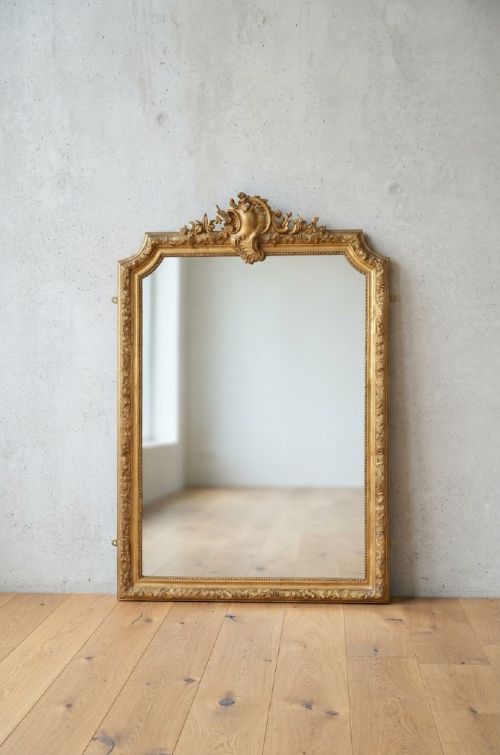
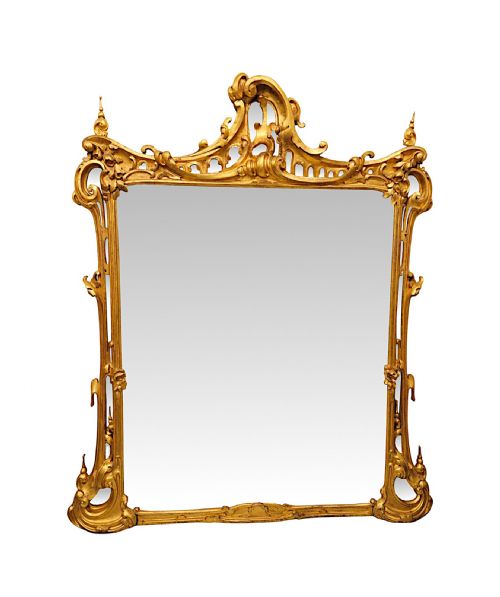
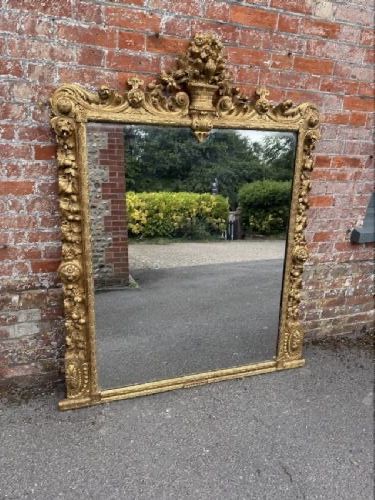
A carved mantel mirror brings proportion and reflected light to a fireplace, offering the sculptural weight of nineteenth-century wood and gesso.
Carved Mantel Mirror
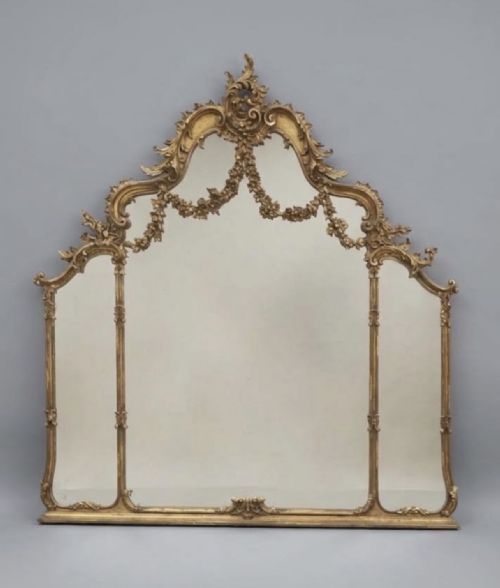
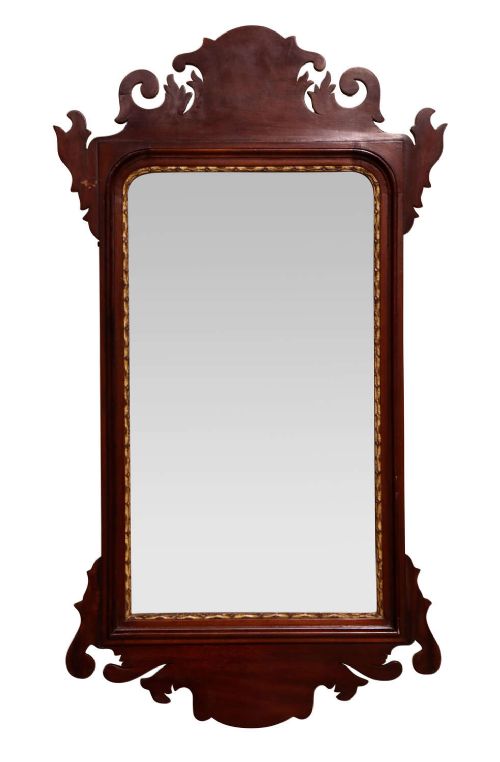
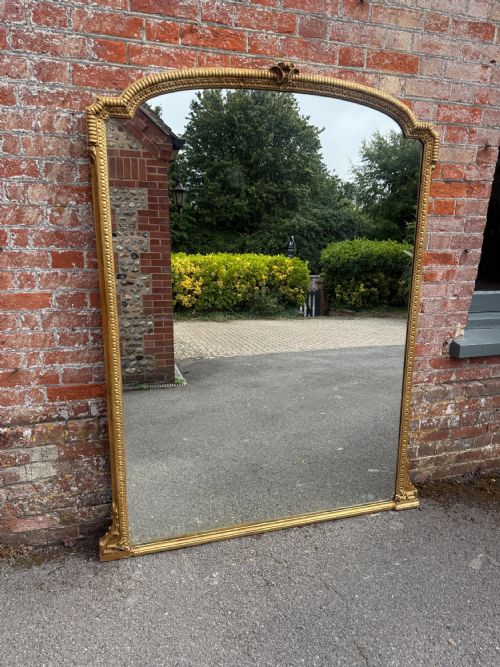
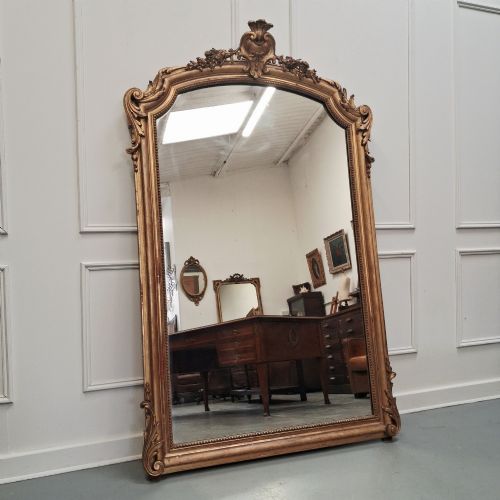
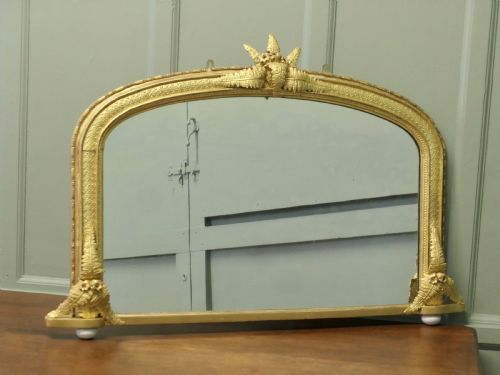
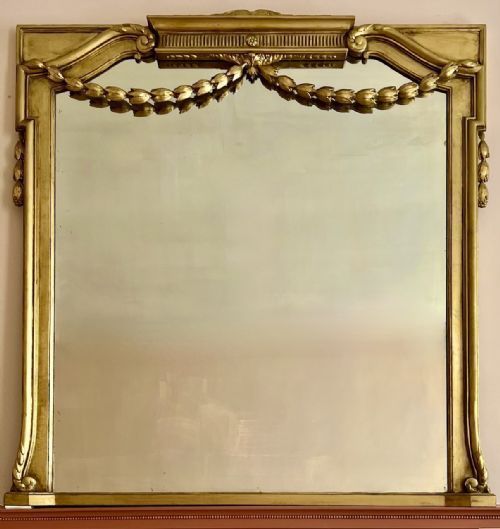
When searching for a carved mantel mirror, a buyer encounters substantial overmantel and pier mirrors designed to sit above a fireplace or between windows. The most common examples on this page date from the nineteenth century, including Victorian, Georgian, and French styles.
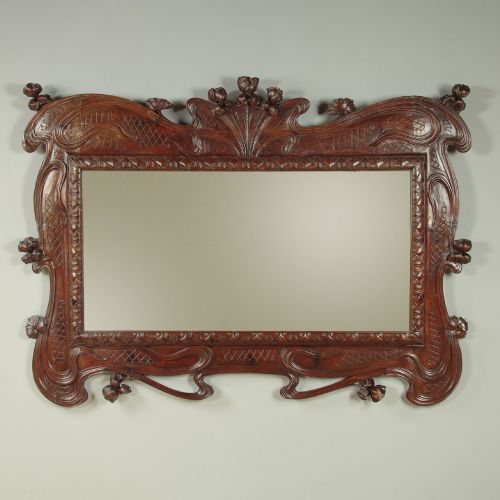
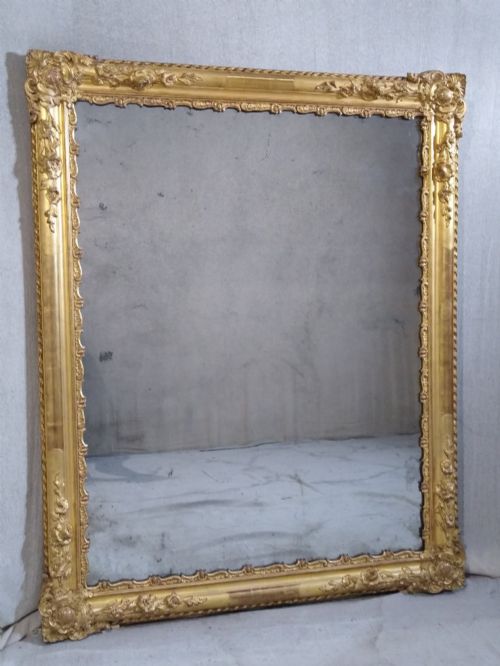
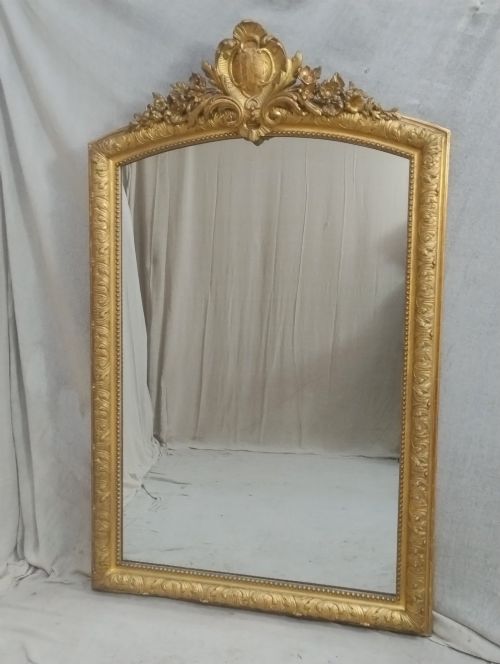
These architectural forms range from large arched top frames to tripartite plates and rectangular formats. Woods such as oak, mahogany, and walnut appear alongside carved pine and giltwood constructions.
Originating in English country houses and French chateaux, these pieces serve as functional wall furniture. They balance domestic room proportions while displaying period craftsmanship.
How they were made
Carved wood provides the primary structural foundation, utilising timber such as oak, walnut, mahogany, and pine. Artisans shaped these woods into detailed mouldings, fretwork, and figurative motifs.
Gesso and gold leaf or oil gilt finish many of the surfaces. Plaster-based gesso was applied over carved wood to build up relief ornamentation before gilding or painting.
What varies in quality
The crispness and depth of the carved woodwork separate standard examples from finer pieces. Deep relief work on crestings, such as mythical creatures or floral motifs, demands high sculptural skill.
The integrity of the original glass plate and gilt surface dictates desirability. Hand-silvered mirror plates showing natural age or foxing contrast with later replacements.
E James Bruton Road London
The Carved Mantel Mirror Glossary
- Gesso
- A plaster-based mixture applied to wood frames to create a smooth surface for gilding or painting. It allows intricate relief details to be moulded onto carved wooden frames.
- Overmantel mirror
- A large mirror specifically designed to be hung or placed on the mantelpiece above a fireplace. These frames often match the horizontal proportions of the hearth below.
- Giltwood
- Wood that has been coated with gold leaf or metal leaf. This finish creates a luminous reflective surface popular in nineteenth-century formal interiors.
- Pier mirror
- A tall mirror designed to hang on the wall space between two windows, known as a pier. They frequently sit above console tables or small cabinets.
- Foxed glass
- Mirror glass that shows spots and discoloration caused by the degradation of the backing over time. Collectors value original plates exhibiting this characteristic ageing.
- Triptych
- A mirror composed of three panels placed side by side. This format divides the reflection across multiple plates within a single frame.
Carved Mantel Mirror: Frequently Asked Questions
How do I hang a heavy overmantel mirror?
These substantial frames require secure wall fixings anchored directly into masonry or heavy timber studs. Professional installation ensures the weight of the carved wood and glass is safely distributed.
Weight distribution depends on the size of the mirror plate and the wooden frame. Using appropriate brackets prevents strain on the original structure.
How can I date a nineteenth-century mirror?
Examining the construction of the wooden frame, backboards, and fixings reveals clues about the period of manufacture. Styles range from early nineteenth-century Regency designs to late Victorian revivals.
Characteristics such as gesso application, glass thickness, and gilt finish help distinguish decades. Comparing decorative motifs against documented periods narrows down the date.
What is the difference between an overmantel and a pier mirror?
Overmantel mirrors are built in horizontal proportions to span the width of a fireplace mantel. Pier mirrors are constructed tall and narrow to fit wall spaces between windows.
Both forms utilise carved wood and gilt finishes but serve distinct architectural functions within historic interiors. Understanding placement helps identify the original intended use.