
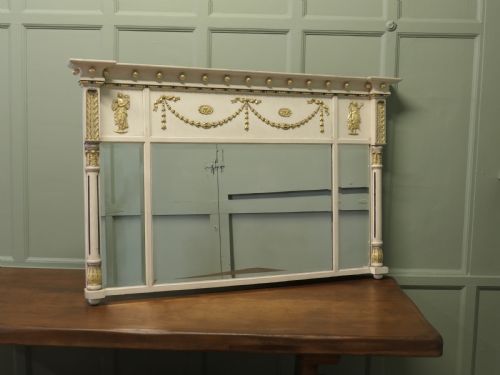
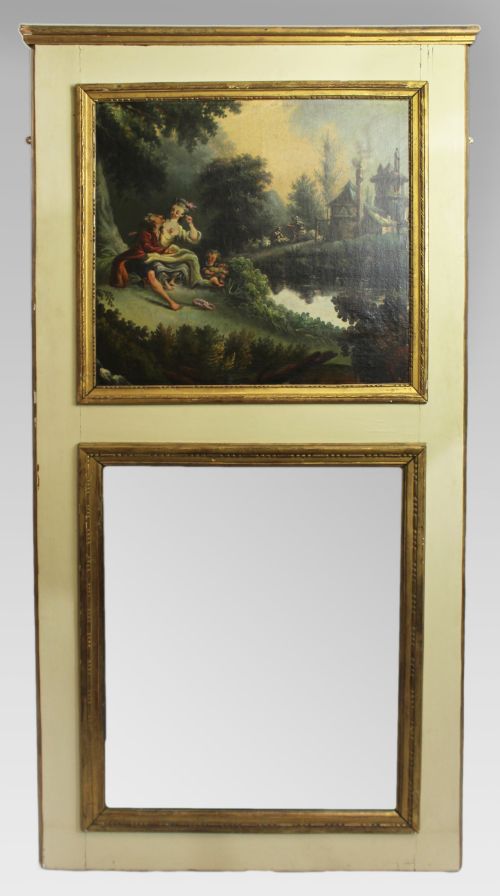
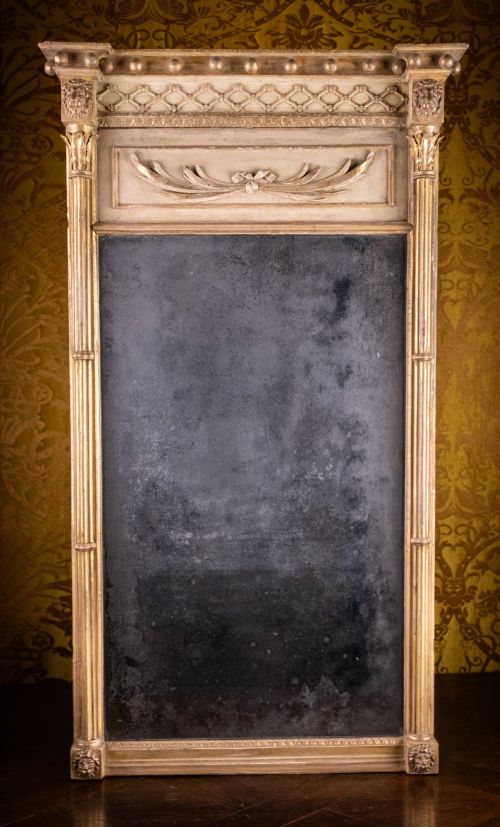
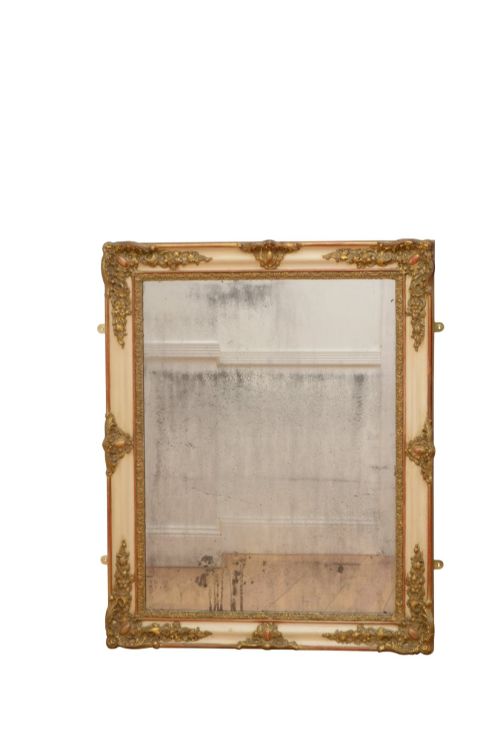
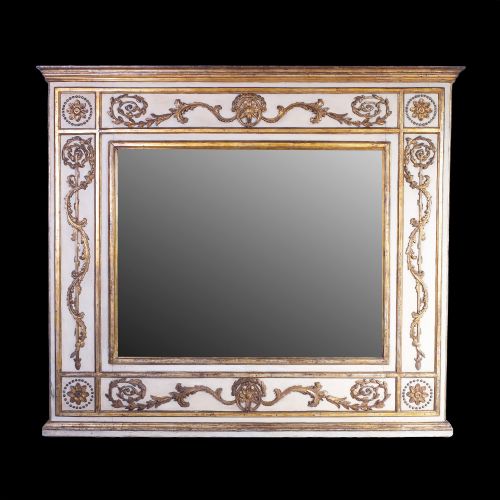
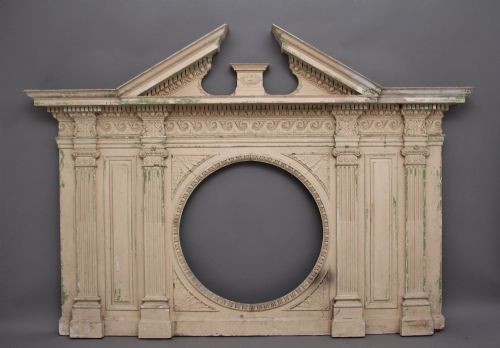
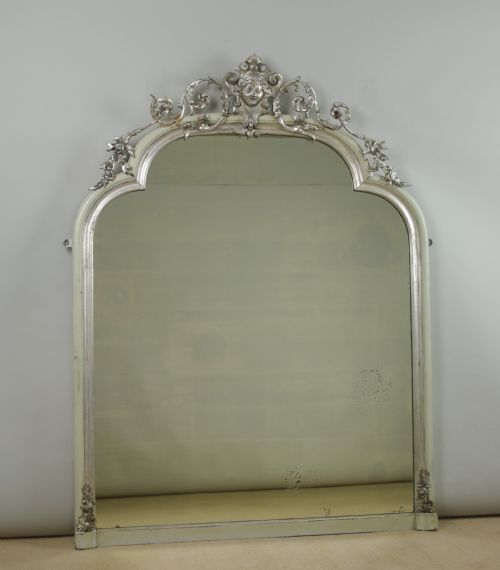
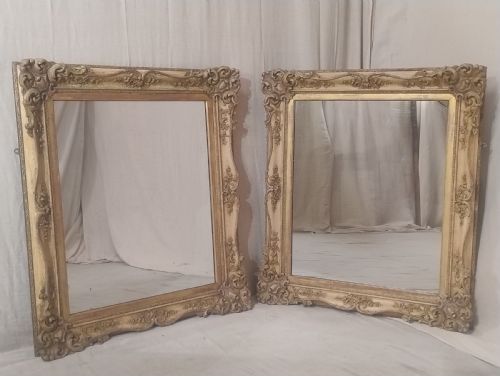
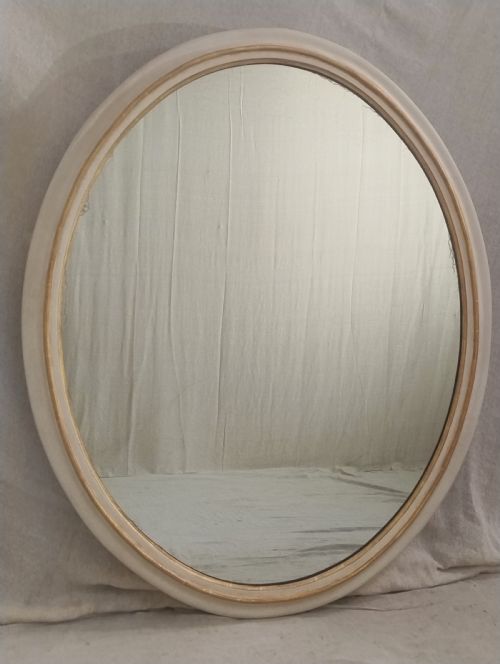


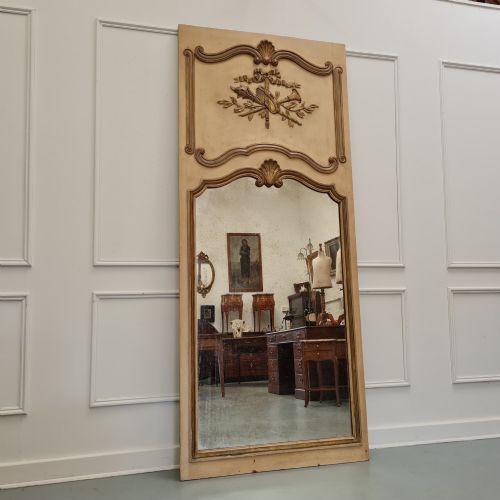


Cream Overmantel Mirror
A cream overmantel mirror brings scale and reflected light to a room, offering the decorative presence of period woodwork combined with a pale painted finish.
Cream Overmantel Mirror
A cream overmantel mirror is designed specifically to hang above a fireplace, anchoring the chimney breast with architectural proportions. The selections here centre on forms ranging from wide landscape rectangles to tall arched shapes suited to period interiors.
Most examples originate from the nineteenth century, including Victorian and French designs, alongside earlier eighteenth-century items and later pieces up to the early twentieth century. Common variations span trumeau panels, pier mirrors, and heavily carved architectural frames.
Buyers will encounter finishes that combine painted wood with parcel gilding, gesso enrichments, and distressed crackle surfaces. These pieces function equally well as functional looking glasses and as substantial wall art.
Materials and construction methods
Makers constructed the foundational frames using timber such as pine and carved wood, applying layers of gesso to build up crisp decorative mouldings, scrollwork, and relief details. Gilding or parcel gilding was often added over parts of the frame to catch the light against the painted surface.
The finish relies on paint applied over wood, sometimes distressed or over-painted through successive decorative phases over the decades. Mirror glass is set within the frame, occasionally appearing as triple plate configurations or older silvered plates.
Cream Overmantel Mirror Retail Price Guide 2026
Typical asking prices for cream overmantel mirror among the pieces listed under this phrase on Sellingantiques today, from the lower quarter to the upper quarter. They describe what is for sale here now, not the wider market.
The inventory includes architectural styles from French provincial and Rococo revival to Regency pier mirrors and Victorian arch tops.
Quality and craftsmanship distinctions
Quality shows in the depth and sharpness of the carved wood and gesso ornamentation, where hand-modelled enrichments display crisper definition than massed compositions. The weight and stability of the underlying timber frame dictate how well the piece supports large expanses of glass over time.
The sophistication of the painted and gilt finish separates standard decorative pieces from finer examples. Original surface patination, integrated oil paintings within trumeau panels, and intact period mirror plates elevate the overall distinction of a mirror.
The Cream Overmantel Mirror Glossary
- Overmantel mirror
- A large mirror designed to sit directly upon the mantelpiece above a fireplace. These items are proportioned to match the width of the fireplace surround.
- Trumeau
- A decorative wall mirror incorporating an oil painting or carved panel above the glass plate. These French pieces often combine pastoral artwork with architectural framing.
- Gesso
- A plaster-like mixture applied to wood frames and carved to create raised ornamental details. It provides a smooth base for subsequent painting and gilding.
- Parcel gilt
- A decorating technique where only specific raised portions of a frame are highlighted with gold leaf. This creates contrast against the surrounding painted surface.
- Pier mirror
- A tall mirror designed to hang on the narrow wall space between windows. They share many decorative characteristics with overmantels of the same period.
Cream Overmantel Mirror: Frequently Asked Questions
Where should I hang a cream overmantel mirror?
These mirrors are traditionally positioned centrally above a fireplace mantelpiece to reflect light and create a focal point in a reception room. Their proportions also allow them to function effectively on large expanse walls in hallways or living spaces.
Ensure the wall fixings are rated to support the substantial weight of a timber and gesso frame, securing the piece safely into structural studs or masonry.
How do I identify the period of a mirror?
Dating relies on examining the construction of the wooden frame, the composition of the gesso, and the style of the decorative motifs. Elements like neoclassical columns, Victorian arches, or French rococo scrolls point directly to specific design eras.
Inspect the reverse of the frame and the characteristics of the glass plate for signs of age, such as hand-beveled edges or older backing materials.
How do I clean a painted and gilt frame?
Dust the carved gesso and painted woodwork gently using a soft dry brush to prevent accumulating dirt in the intricate crevices. Avoid harsh chemical cleaners or excess moisture, which can damage aged paint, crackle finishes, and delicate gold leaf.
Clean the mirror glass separately with a mild glass cleaner applied to a cloth rather than sprayed directly onto the surface near the antique frame.