



Traditional Mantelpiece Mirror
A traditional mantelpiece mirror brings architectural width and reflecting light to a room, anchoring the hearth with period presence.
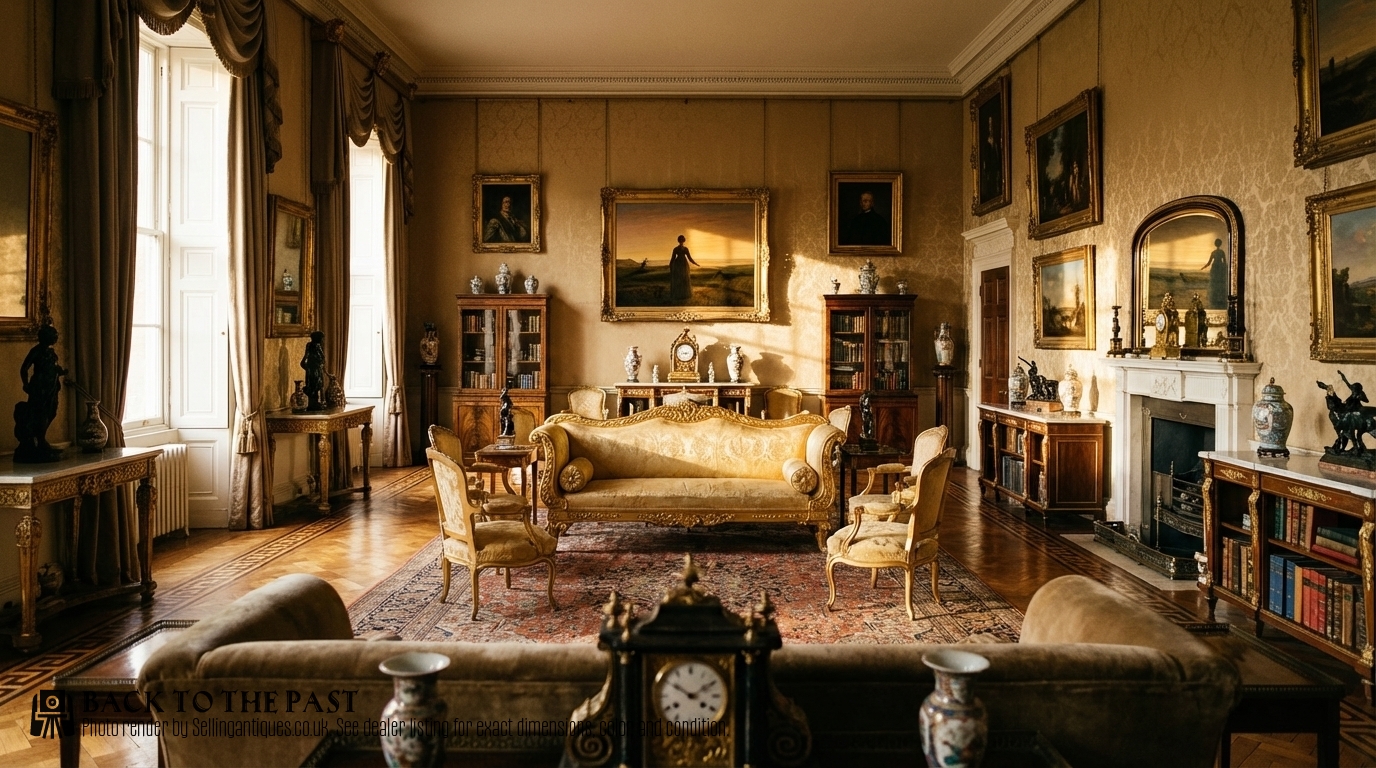
What They Are
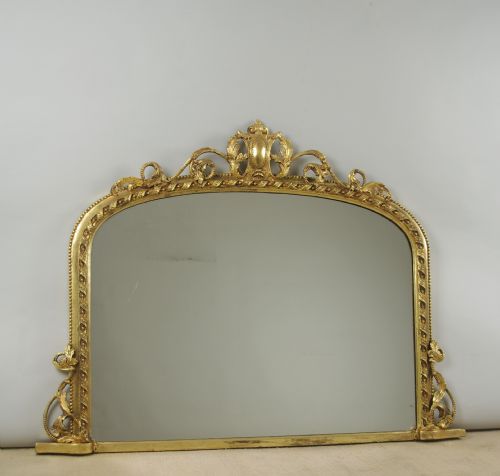
A traditional mantelpiece mirror is an overmantel mirror designed to sit directly above a fireplace, reflecting the room and drawing the eye upward.
The versions met on this page span the Regency and Victorian eras, including English traditional pieces, Victorian classical revival designs, and simple archtop forms.
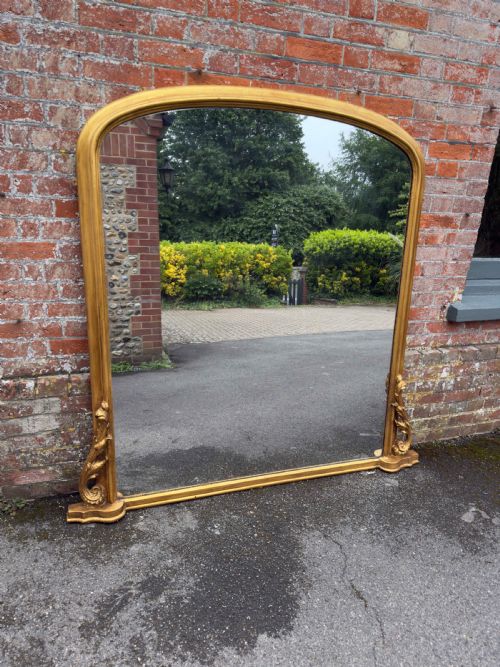
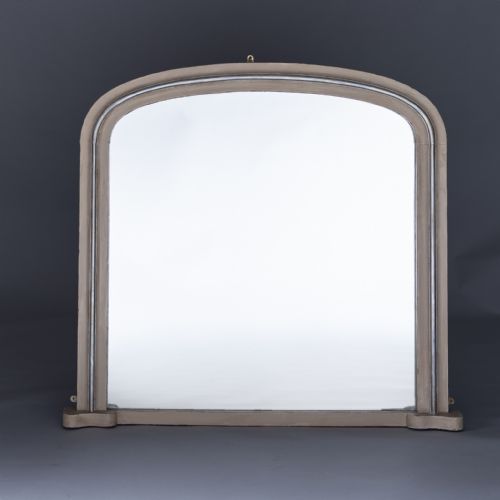
These items take the shape of large architectural plates, often featuring arched tops designed to echo the structural lines of nineteenth-century chimney breasts.
How They Were Made
Carved wood and timber form the underlying structural frames of these pieces, providing the rigidity needed for large glass plates.
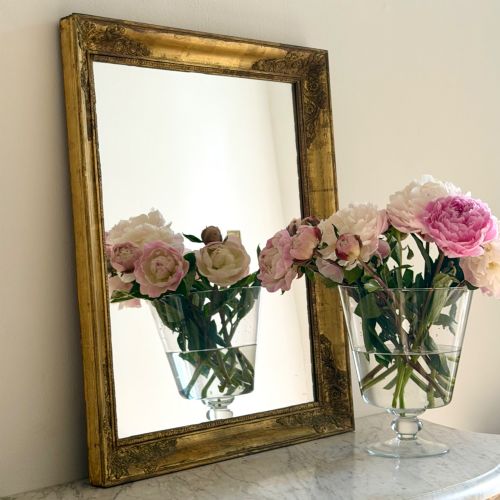
Gesso, plaster, paint, and giltwood or silver leaf are applied over the wooden substrates to build up decorative mouldings and lustrous metallic finishes.
Retail Price Guide 2026
Typical UK retail prices for traditional mantelpiece mirror, calculated from the Sellingantiques database of over a million retail prices indexed since 2003. This retail price guide relies exclusively on Sellingantiques data; no external sources or auction records are used, so the figures do not describe the wider market.
Listings feature pieces spanning the Regency period through the Victorian era, utilising timber, gesso, paint, and giltwood.
What Varies in Quality
The depth and intricacy of the carved wooden ornament distinguish simpler painted frames from elaborately worked giltwood and gesso pieces.
The application of surface finishes, from parcel-silvering to gilding, reveals the care taken by nineteenth-century makers in balancing reflection and ornamentation.
The Traditional Mantelpiece Mirror Glossary
- Overmantel mirror
- A large mirror specifically proportioned to hang on the wall above a mantelpiece. These pieces often feature wide horizontal or arched formats.
- Giltwood
- Timber that has been covered with a thin layer of gold leaf. This technique creates a bright, reflective surface that catches hearth firelight.
- Gesso
- A plaster-like mixture applied to wood frames and carved before gilding. It provides a smooth base for intricate decorative details.
- Archtop
- A mirror frame featuring a curved upper section. This design softens the rigid geometry of a traditional fireplace surround.
Frequently Asked Questions
How high should I hang a mantelpiece mirror?
These mirrors generally sit just a few inches above the mantel shelf itself, resting close to the architectural line of the fireplace.
Leaving this small gap protects the frame from direct heat while creating a continuous visual connection between the hearth and the wall above.
Are these mirrors heavy to hang?
Nineteenth-century timber and gesso frames carry substantial weight due to their dense wooden construction and heavy glass plates.
Proper wall fixings into structural studs or masonry are essential to support the load safely over a fireplace.
Can these mirrors be placed on the mantel shelf?
Larger overmantel mirrors are traditionally hung securely on the wall rather than simply stood on the shelf, though some heavier pieces use the shelf for partial weight distribution.
Wall mounting prevents the mirror from tipping forward, ensuring stability in busy rooms.