

19th Century Chimney Glass
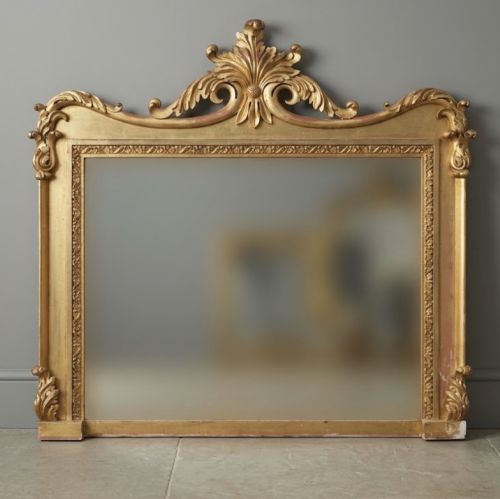
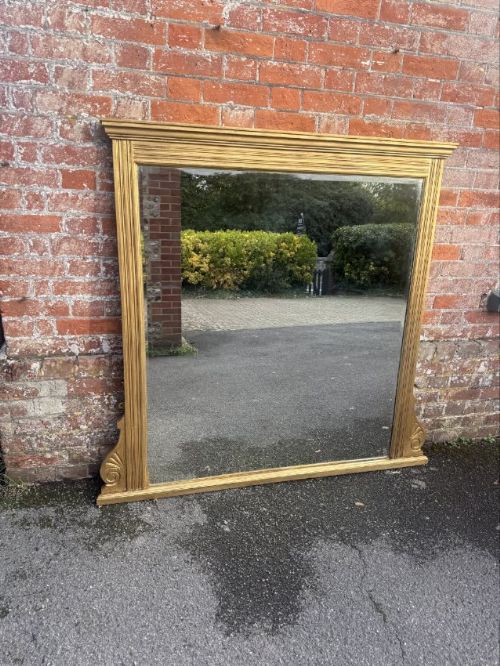
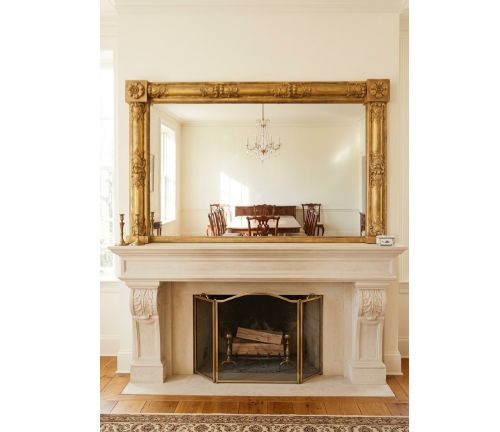
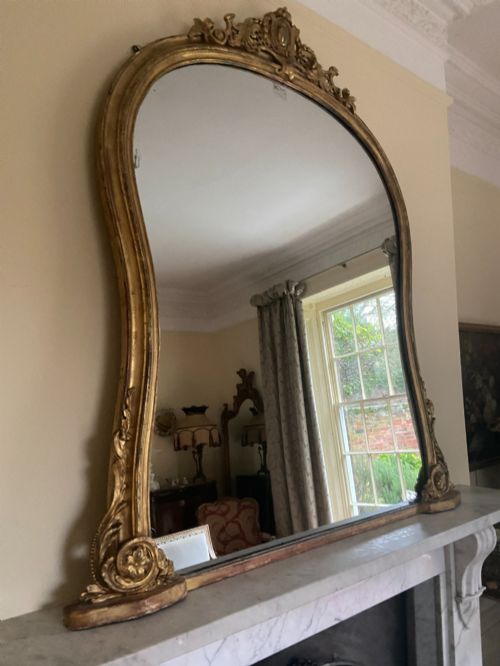
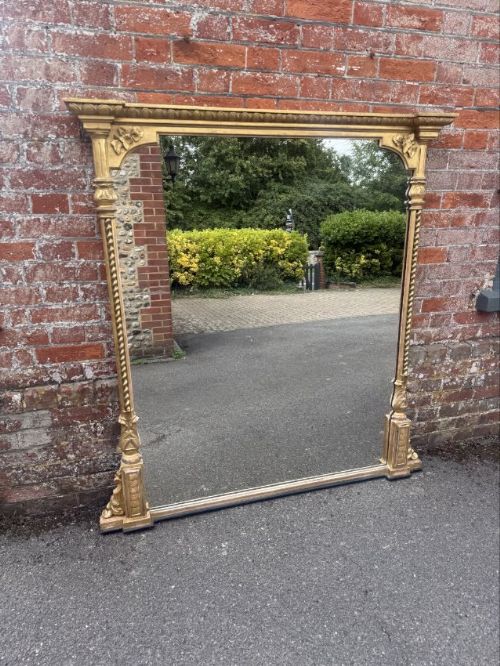
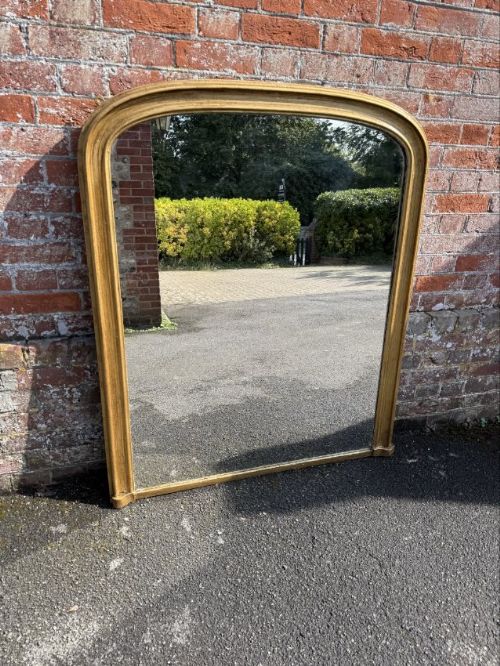
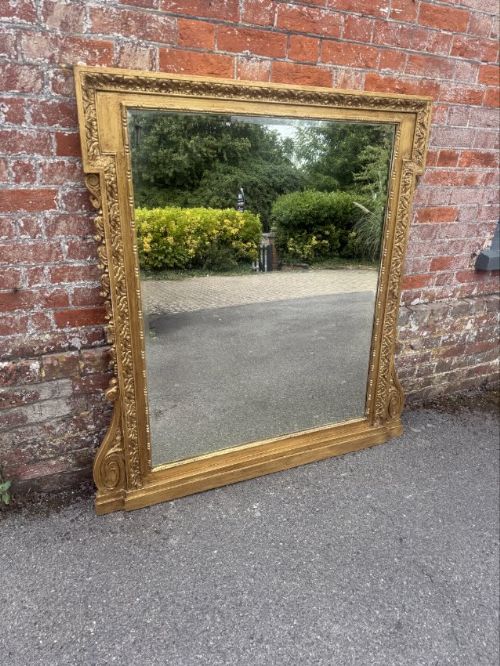
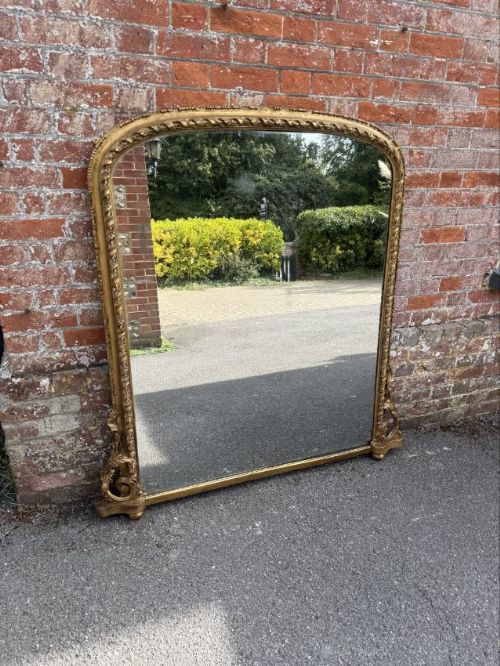
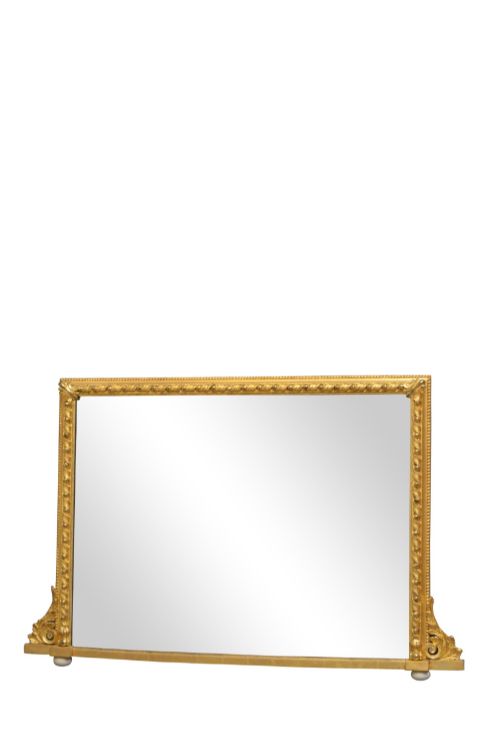
These 19th century chimney glass pieces are primarily grand overmantel mirrors designed to sit above fireplace openings.
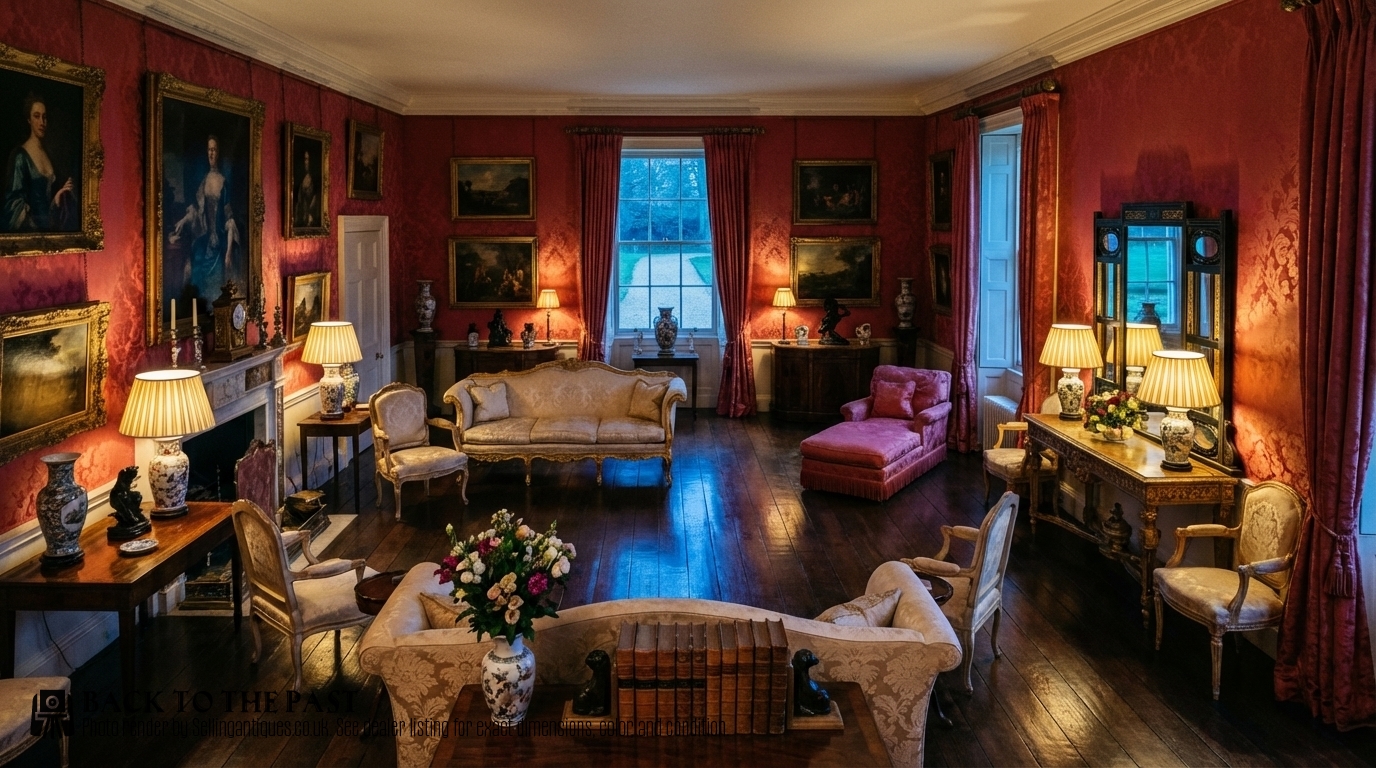
19th Century Chimney Glass
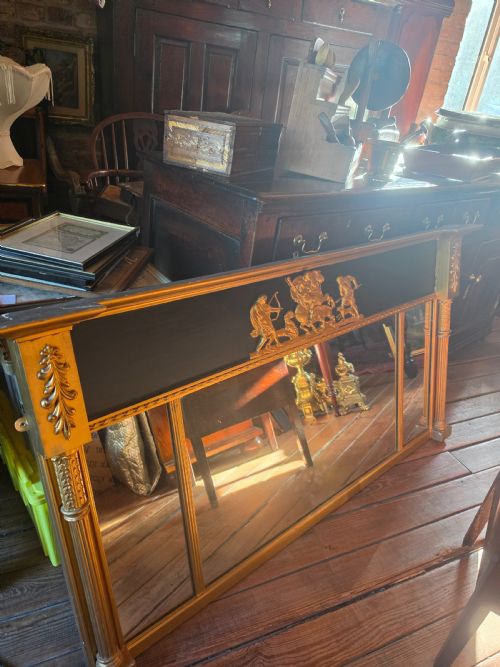
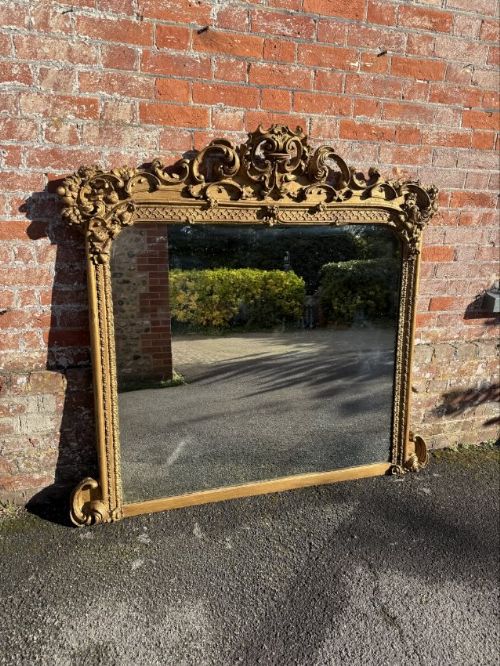
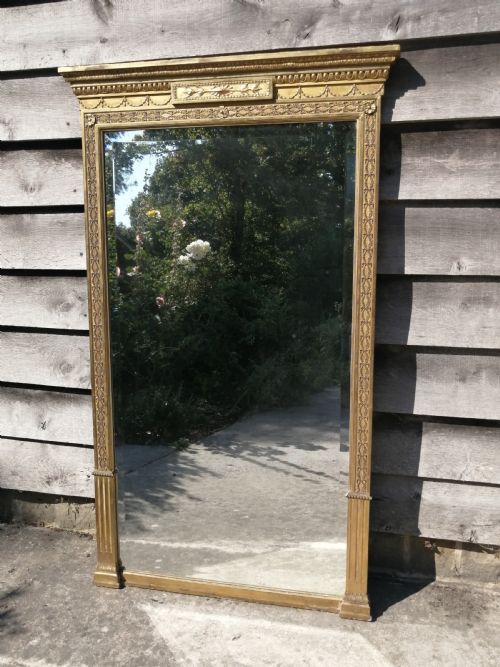
When searching for 19th century chimney glass, buyers encounter large overmantel mirrors and wall mirrors originating from the Victorian, Regency, and William IV periods. These domestic furnishings span diverse aesthetic movements including French Chateau, Victorian Gothic, Irish Rococo, and 19th Century Classical designs.
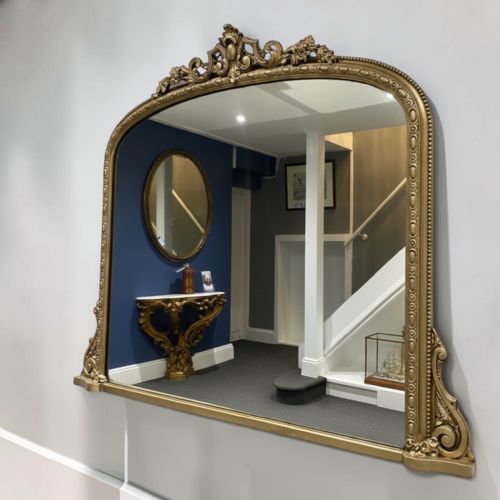
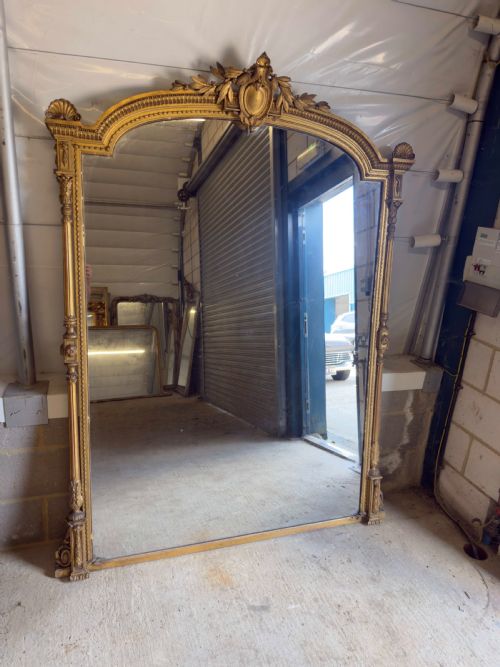
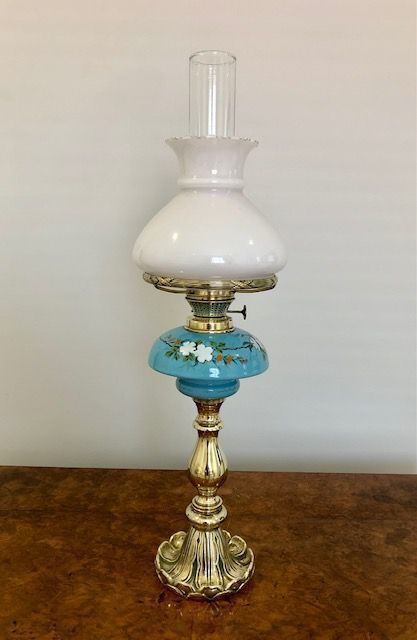
The dominant forms on this page are substantial giltwood and carved gesso overmantels intended to reflect light and fill the expanse of a principal reception room fireplace wall. Alongside these large mirrors, occasional oil lamps appear to complete period interior lighting schemes.
How they were made
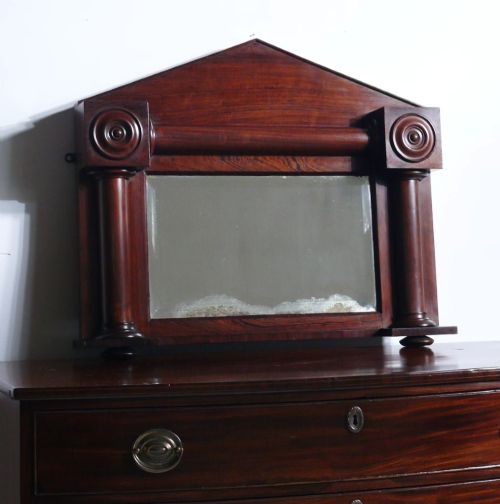
Craftsmen shaped the structural frames using timber foundations of carved wood, oak, or rosewood, then applied layers of gesso to build up decorative surface relief. Artisans finished these mouldings with gold leaf or gilding to create reflective metallic brilliance.
Mirrors utilised silvered glass plates, sometimes retaining foxed ageing or original reflective qualities, secured within frames featuring rope twist, ribbed columns, or arched tops.
19th Century Chimney Glass Retail Price Guide 2026
Typical asking prices for 19th century chimney glass among the pieces listed under this phrase on Sellingantiques today, from the lower quarter to the upper quarter. They describe what is for sale here now, not the wider market.
What varies in quality
The sophistication of the carved wood and gesso ornamentation dictates the visual weight of an overmantel, separating standard production from exceptional country house examples. Crisply defined rope twists, detailed neoclassical decorations, and sculptural elements such as bird motifs display superior artisan skill.
The preservation of the original mirror glass and the depth of the gilding contribute significantly to the character of each piece, where undisturbed patination denotes historical integrity.
Ciceri and Co
The 19th Century Chimney Glass Glossary
- Overmantel mirror
- A large mirror specifically designed to hang or rest upon the mantelpiece above a fireplace. These pieces dominated 19th-century domestic interiors.
- Gesso
- A plaster-like mixture applied to wooden frame foundations to create a smooth surface for subsequent gilding. Artisans carved intricate decorative details directly into this material.
- Giltwood
- Timber that has been coated with thin sheets of gold leaf or gold paint. This technique provided grand reception rooms with opulent reflective surfaces.
- Foxed glass
- Mirror plate displaying spots, discoloration, or degradation of the backing due to age and oxidation. Collectors often prize this characteristic as proof of period authenticity.
- Tryptic
- A mirror divided into three distinct panels, commonly seen in larger Regency and Victorian formats. This tripartite division helped distribute weight across wide chimney breasts.
19th Century Chimney Glass: Frequently Asked Questions
Where should a chimney glass mirror be hung?
These large mirrors traditionally anchor the room by sitting directly above a fireplace mantelpiece in a drawing room or principal reception space. Their original purpose involved bouncing natural daylight around the room while visually expanding the interior.
Secure mounting is essential due to the substantial weight of carved wood and thick glass plates. Many examples were designed to rest their weight on the mantel shelf itself while being anchored to the wall for stability.
How do I identify a Victorian overmantel?
Victorian examples frequently showcase heavy architectural details, arched tops, and robust gesso ornamentation finished in bright or burnished gold leaf. Stylistic variations range from Gothic oak frames to classical neoclassical motifs with applied plaster enrichments.
Examining the construction of the wooden backboards and the composition of the gesso helps confirm the manufacturing era. Original fixings and undisturbed backing boards provide further clues to dating the mirror accurately.
What is compartmental chimney glass?
Compartmental mirrors feature a glass plate subdivided into multiple sections, often with a large central mirror flanked by smaller side panels. This arrangement breaks up the reflection and adds architectural rhythm to the chimney breast.
Such designs were favoured during the Regency period to introduce complexity and formal elegance into domestic settings. The divisions are typically separated by gilded wooden muntins or decorative columns.
Can I clean foxed mirror glass?
Foxing represents the natural ageing of the silver backing behind the glass and should generally be left undisturbed. Attempting to clean or restore oxidized spots can permanently remove historical patina and diminish the character of the piece.
Maintenance should be restricted to gentle dusting of the giltwood frame using a soft brush. Moisture must be kept away from the edges of the mirror plate to prevent further degradation of the historic seals.