
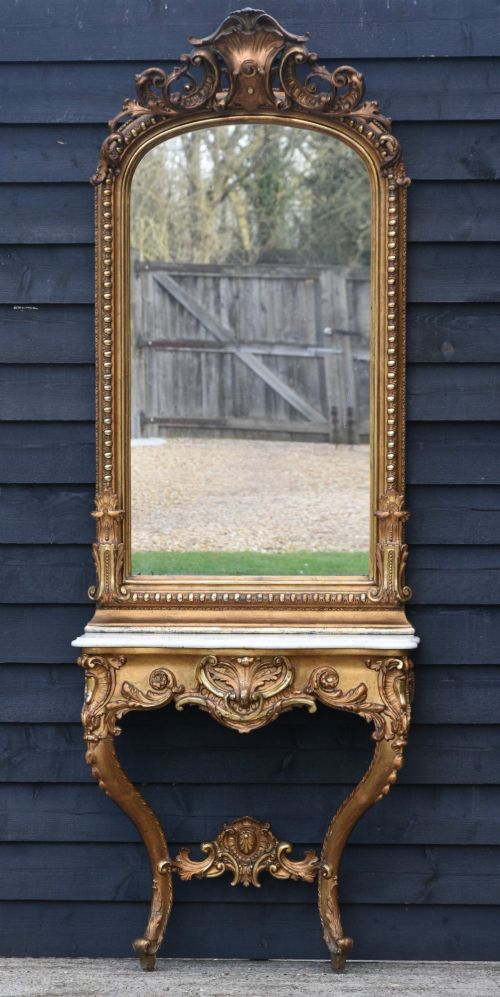
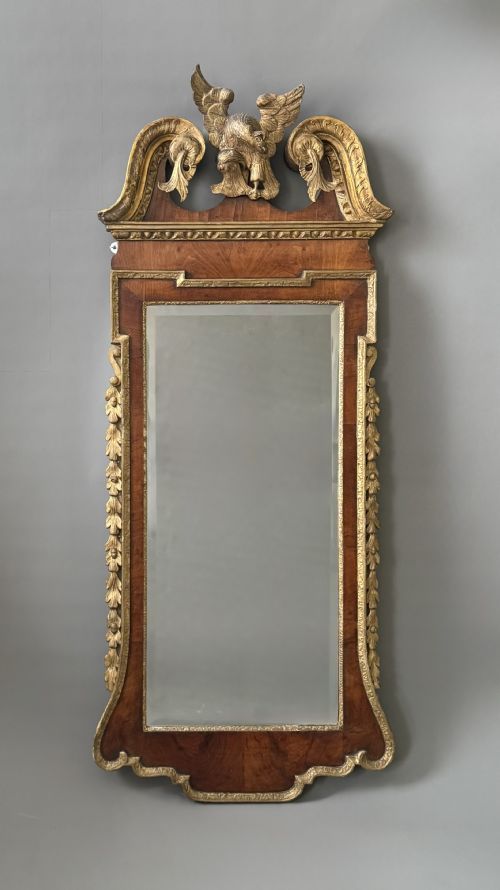
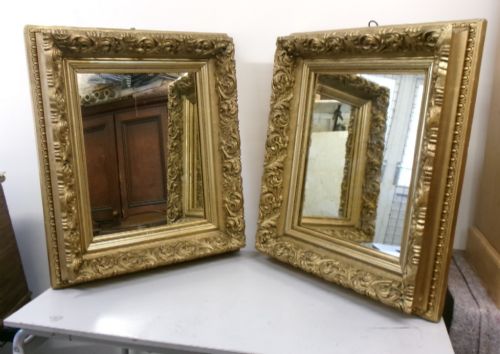

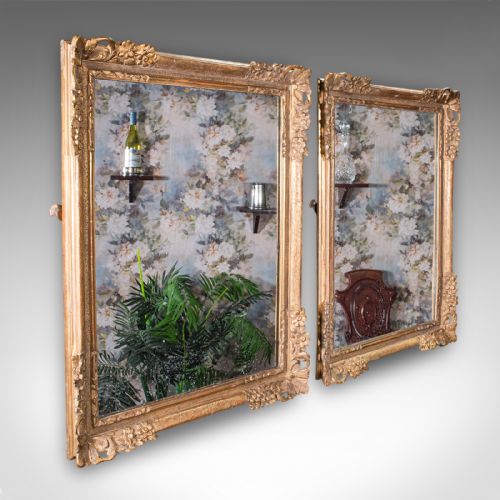
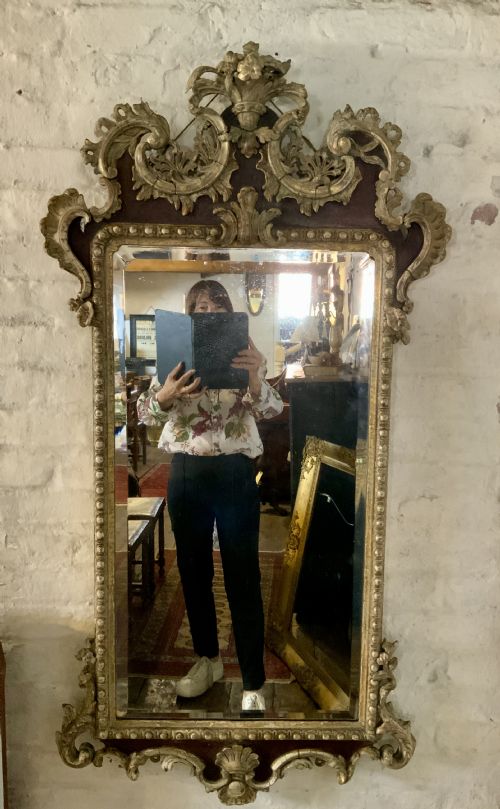
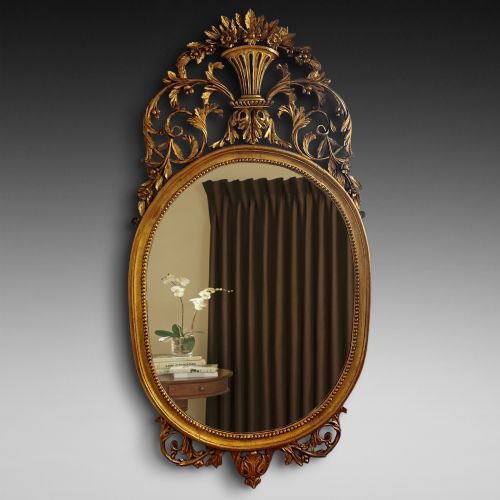
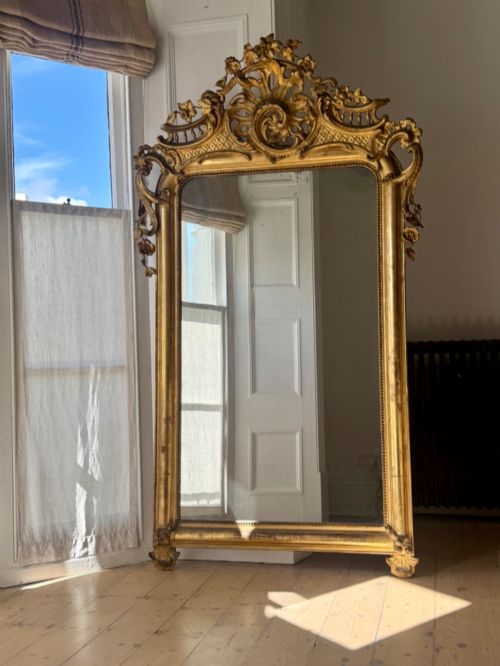
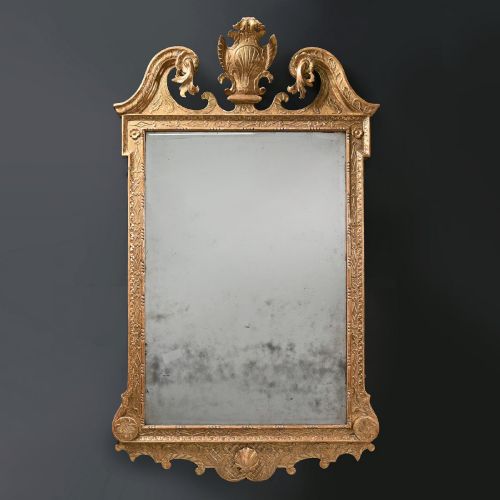
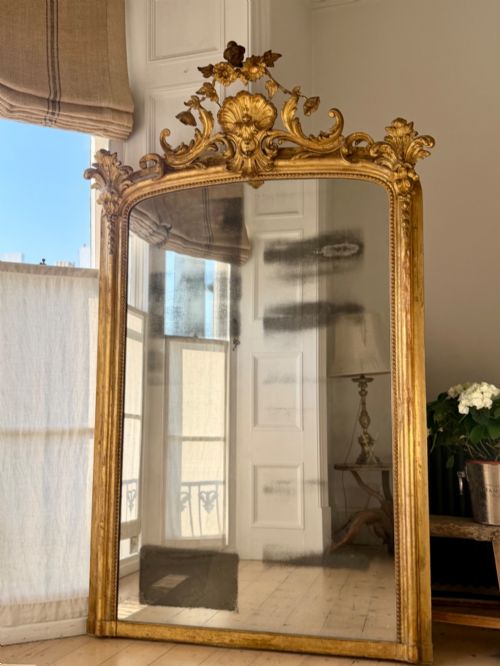
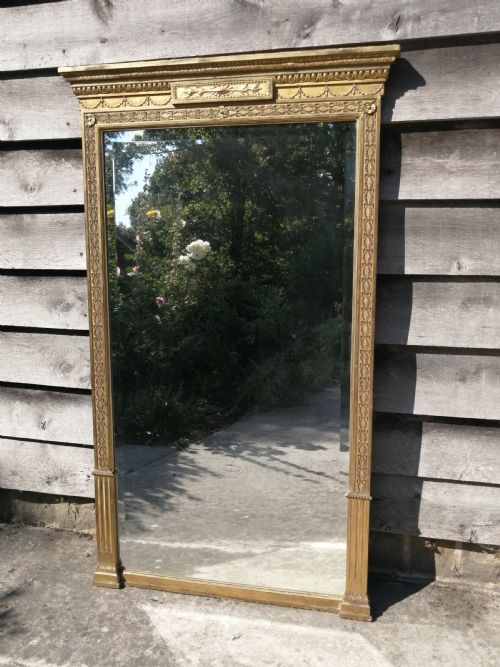
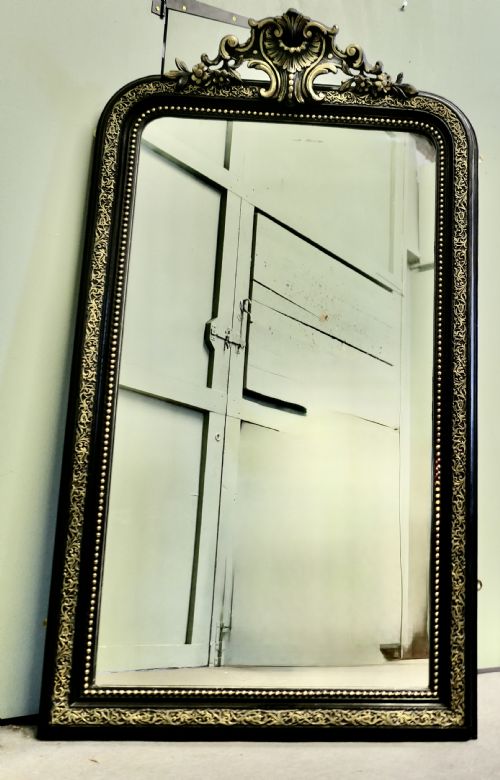
Carved Gilt Pier Glass
When you search for a carved gilt pier glass, you are looking for a statement vertical wall mirror designed to hang between windows.
Carved Gilt Pier Glass
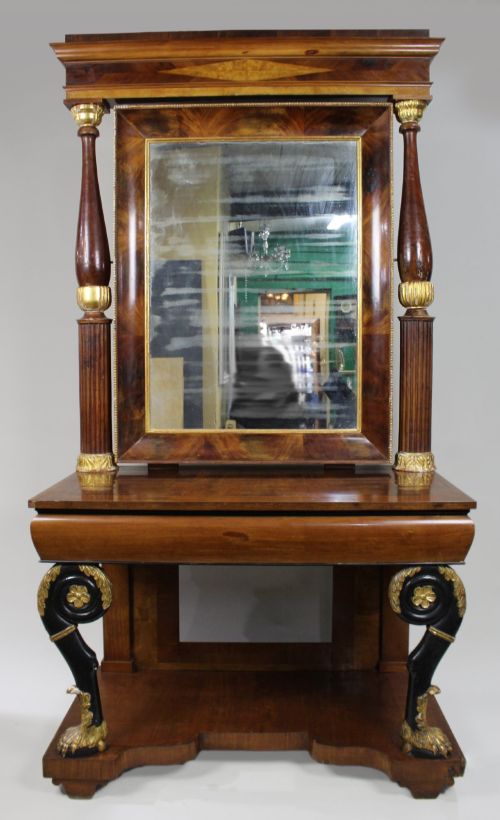
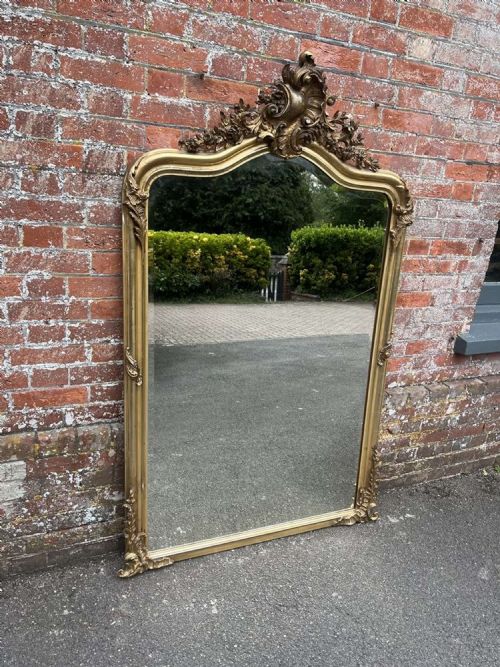
A carved gilt pier glass is a tall, vertical mirror historically positioned on the narrow wall space between two windows, often paired with a matching console table below. These decorative objects span several centuries, with examples appearing from the Georgian, Regency and Victorian eras, alongside French Chateau and Rococo revival designs.
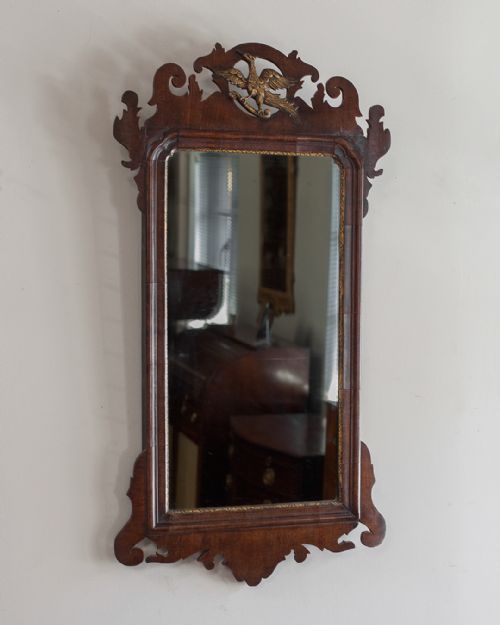
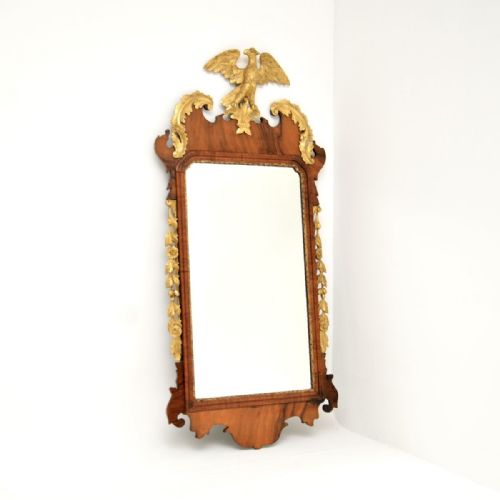
The pieces on this page take various forms, including dedicated pier mirrors, overmantel mirrors, trumeau mirrors with painted panels or oil paintings, and console table combinations. Most frequently, buyers encounter nineteenth-century giltwood and gesso frames alongside eighteenth-century walnut and mahogany examples featuring parcel gilt details.
Origins stretch across English, French and Italian workshops, reflecting shifts from early eighteenth-century gesso craftsmanship to later nineteenth-century revival styles. Whether architectural and monumental or restrained and rectilinear, each piece retains the primary function of reflecting natural light into darker reception rooms.
How they were made
Frames rely upon a foundation of timber such as mahogany, walnut, sycamore or soft wood, which is then shaped through carving and fretwork. Layers of gesso, a mixture of chalk and binder, are applied over the wood to create a smooth surface suitable for intricate relief ornamentation.
Gilding is achieved by applying thin sheets of gold leaf or gold paint over the prepared gesso and wood base, sometimes complemented by painted or ebonised elements. Early and mid-period examples frequently house original mirror glass plates, including mercury glass and foxed plates showing characteristic age spots.
Listings feature eighteenth-century and nineteenth-century pieces constructed from mahogany, walnut, gesso and giltwood.
What varies in quality
The distinction between standard and superior pieces rests on the depth and crispness of the hand-carved wood relief work and the finesse of the gesso moulding. Earlier or revival pieces executed in the manner of notable designers demonstrate superior proportion, balanced symmetry and finer detailing in motifs like scrolling foliage.
Material integrity also dictates standing, with original mirror glass plates, untouched gold leaf surfaces and period secondary woods commanding greater appreciation than later replacements or heavy restorations.
William Kent·John Belchier
The Carved Gilt Pier Glass Glossary
- Giltwood
- Wood that has been coated with gold leaf or gold paint. This finish creates a reflective, luxurious surface characteristic of formal decorative mirrors.
- Gesso
- A plaster-like material applied to wooden frames as a base for carving and gilding. It allows craftsmen to create sharp, raised decorative details.
- Mercury glass
- An early type of silvered mirror glass produced by pouring a mercury and tin amalgam behind the glass plate. It typically develops characteristic foxing over time.
- Parcel gilt
- A finish where only specific carved details or raised portions of a wooden object are gilded, leaving the underlying wood visible. This technique highlights particular decorative motifs against walnut or mahogany.
- Trumeau
- A decorative wall panel that incorporates a painted scene, oil painting, or carved woodwork alongside a mirror plate. These French pieces were designed to fit specific architectural spaces above mantelpieces or between windows.
- Verre eglomise
- A traditional technique of cold painting and gilding on the reverse side of glass. It produces a rich, metallic decorative border often seen on Regency mirrors.
Carved Gilt Pier Glass: Frequently Asked Questions
What is a pier glass?
A pier glass is a tall, vertical mirror traditionally manufactured to hang on the narrow pier of wall situated between two windows.
Because these spaces received ample natural light, the mirror served to brighten the interior and visually expand the room.
How do I hang a heavy antique mirror?
Due to the considerable weight of timber, gesso and glass plates, these mirrors require secure wall fixings anchored directly into structural studs or masonry.
Professional mirror installers typically utilise heavy-duty wall brackets or French cleats suited to the specific weight of the frame.
What is foxed mirror glass?
Foxing refers to the dark spots, speckles and mottled ageing that develop behind older mirror plates as the silvering degrades over decades.
Many collectors value foxed mercury glass for the authentic historic character and soft reflection it brings to an antique interior.
How do I tell an 18th-century mirror from a 19th-century revival?
Eighteenth-century mirrors generally exhibit hand-cut construction details, organic gesso shrinkage, and genuine period glass plates with distinct bevels or foxing.
Nineteenth-century revival pieces often display heavier machine-assisted framing techniques, standardised dimensions, and brighter, more uniform gilding.