


Antique Naval Artwork
Antique naval artwork captures centuries of maritime conflict, exploration, and service through detailed portraits of warships, officers, and historical sea engagements.
Antique Naval Artwork
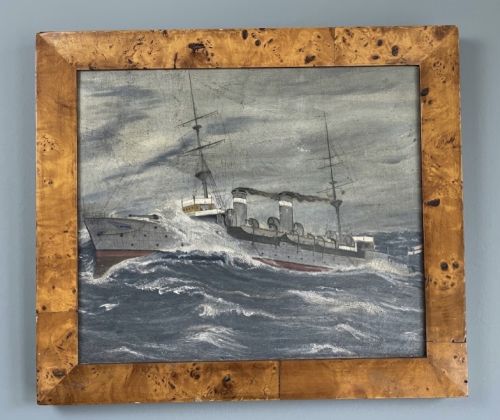
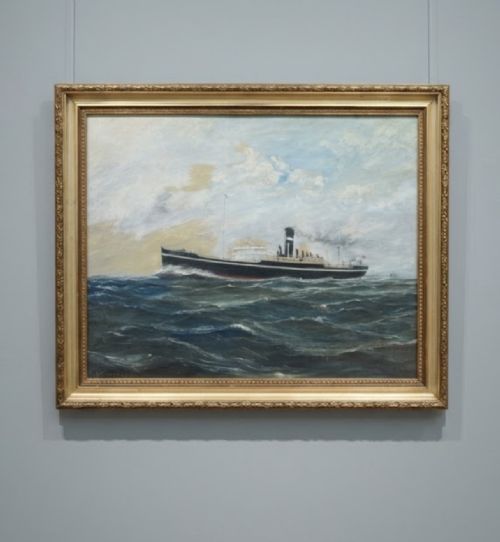
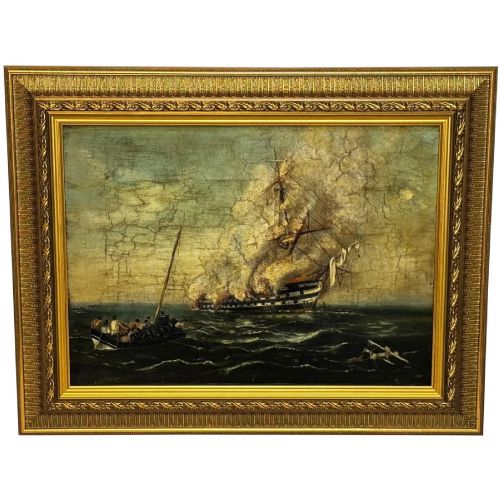
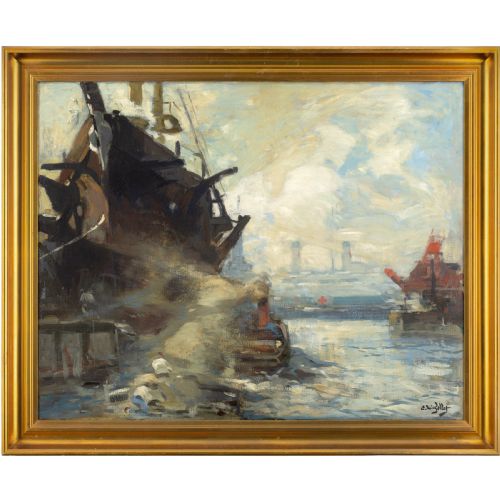
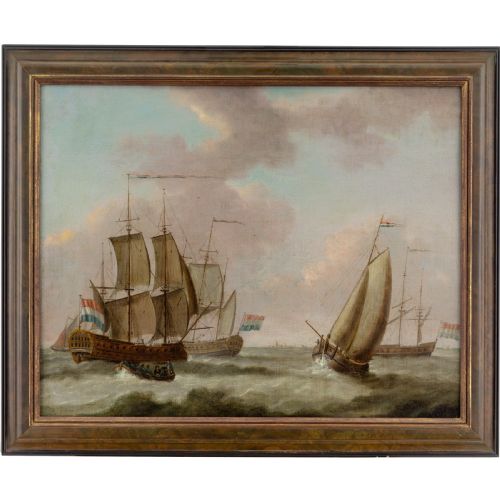
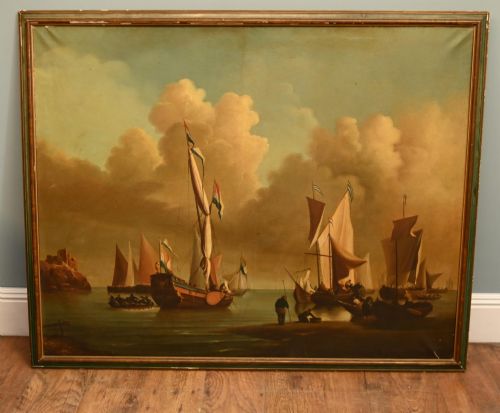
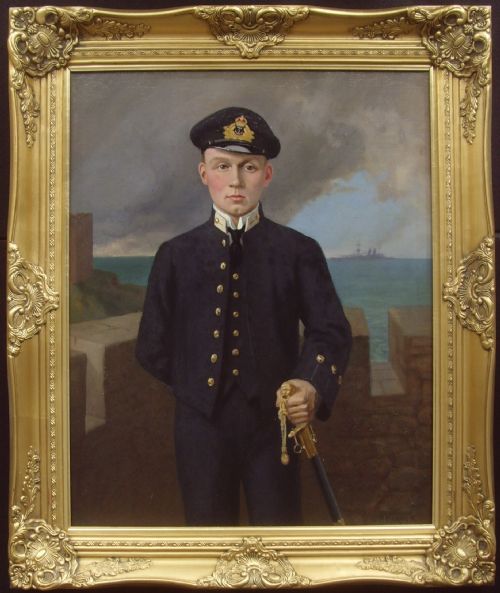
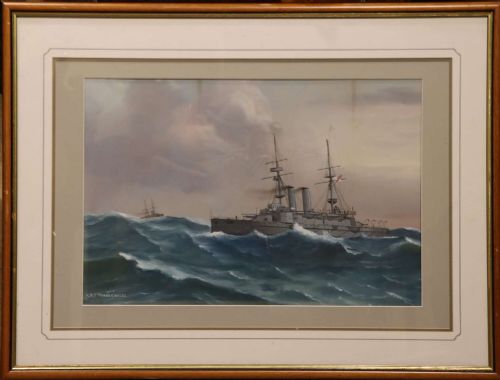
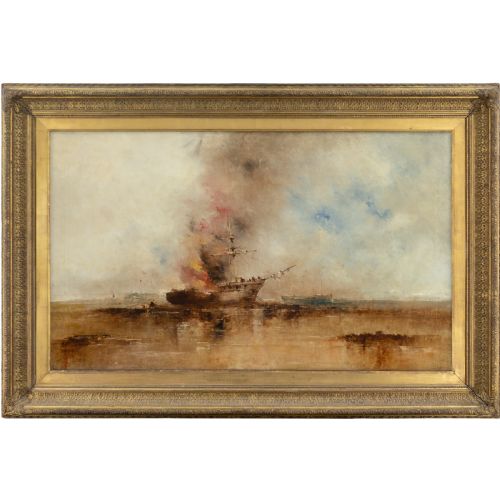
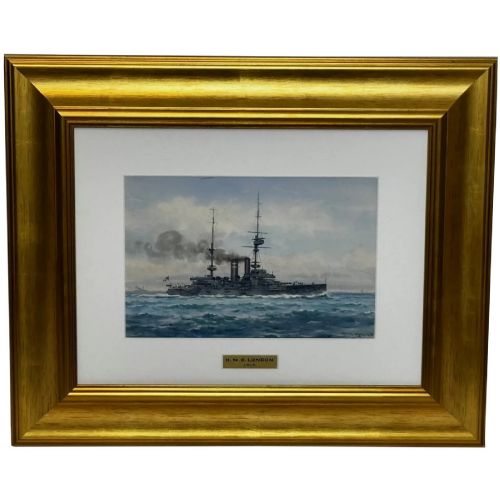
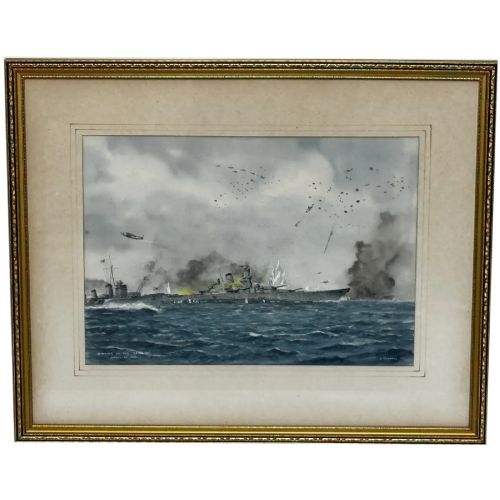
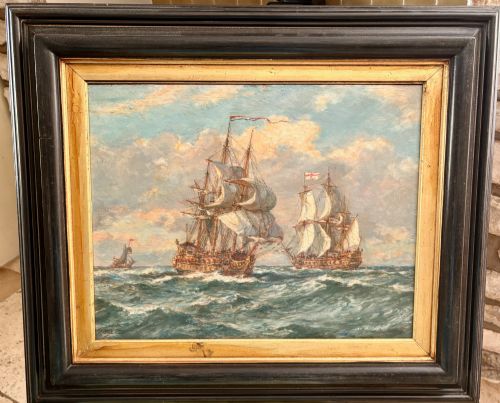
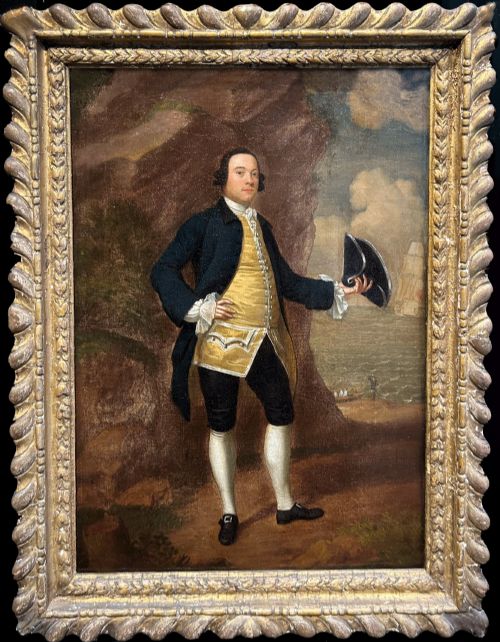
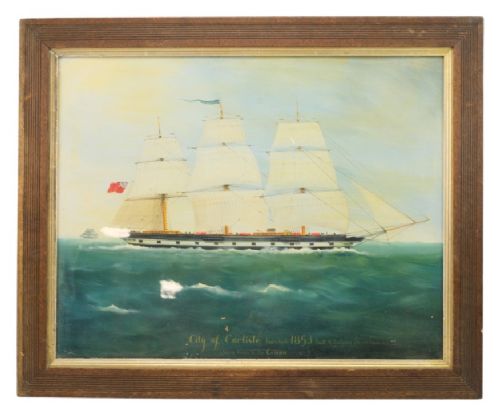
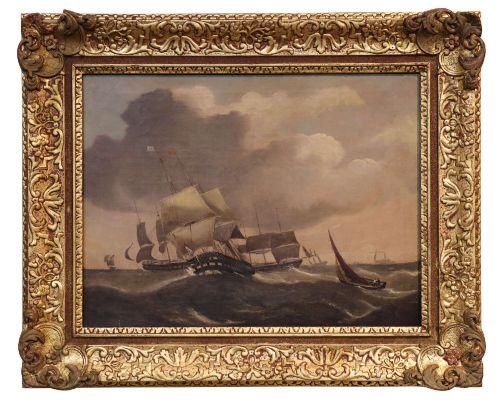
When searching for antique naval artwork, buyers encounter a focused selection of maritime history spanning the eighteenth, nineteenth, and early twentieth centuries. The pieces available include detailed oil paintings on canvas and panel, delicate watercolours, gouache studies, and framed engravings depicting specific warships, naval engagements, and portraits of officers. These works document significant vessels like the HMS Prince of Wales alongside broader scenes of harbour life and stormy seas from the Victorian, Edwardian, and Regency periods.
The most common formats on this page are framed maritime watercolours and nineteenth-century oil paintings showing naval vessels under sail or steam. Subjects range from named warships and privateers to specific historical moments such as the road to Trafalgar or troop deployments to the Crimea. Buyers will find works attributed to named marine artists alongside English and French school pieces created during the eras they portray.
Materials and technique
These works rely on traditional media applied to durable supports, primarily oil on canvas or wood panel, as well as watercolour and gouache on paper. Artists utilised these fluid mediums to capture the complex rigging of galleons, the churning water of heavy seas, and the atmospheric smoke of sea battles. Many pieces retain their period framing, utilising giltwood, maple, or gold mounts that complement the maritime subject matter.
Detail and precision mark the construction of these pieces, particularly in the rendering of naval architecture, uniforms, and flags. Watercolour and gouache works often employ fine brushwork on paper to record specific vessels and harbour views, while oil paintings build up layered textures for the sea and sky.
Antique Naval Artwork Retail Price Guide 2026
Typical asking prices for naval artwork among the pieces listed under this phrase on Sellingantiques today, from the lower quarter to the upper quarter. They describe what is for sale here now, not the wider market.
Framing materials recorded across the inventory include traditional giltwood, gold panels, and maple wood.
Quality and execution
Quality in these works rests upon the precision of the maritime draughtsmanship and the artist's ability to render nautical rigging, hull structure, and water convincingly. Superior pieces demonstrate an authoritative understanding of ship design and atmospheric perspective, capturing the weight of heavy seas or the accurate proportions of a specific man-of-war. Lesser examples may rely on formulaic waves and generic vessel shapes without historical or structural specificity.
The preservation of the original medium and the quality of the framing also dictate the standing of a piece. Works that retain their original giltwood or specialised frames without extensive modern intervention hold greater visual integrity, while the clarity of signatures, contemporary inscriptions, and documented historical subjects elevate individual examples above anonymous studio output.
Eugène-Louis Gillot·William McAlpine·Frank Watson Wood·Bernard Gribble·Francis Hayman·Nicholas Condy·Charles William Adderton·Vincenzo D’Esposito·Claude Lorrain·John Simmons·Samuel Owen·Marie-Edouard Adam·Ebeneezer Colls·Richard Brydges Beechey·Charles Dixon
The Antique Naval Artwork Glossary
- Gouache
- An opaque watercolour paint that dries to a matte finish, frequently used in maritime works to create solid, flat areas of colour for sky, water, and ship hulls.
- Man-of-War
- A powerful warship belonging to a navy during the age of sail, heavily featured as the central subject in eighteenth and nineteenth-century maritime paintings.
- Giltwood
- Wood that has been coated with a thin layer of gold leaf or gold paint, commonly found on the ornate frames enclosing period oil paintings and watercolours.
- Panel
- A rigid support made of wood used by artists instead of canvas, often seen in nineteenth-century marine oil portraits and smaller coastal scenes.
- Engraving
- A printmaking process where an image is incised into a metal plate, producing crisp linear details used to create historical naval scenes and officer portraits.
Antique Naval Artwork: Frequently Asked Questions
What subjects appear in antique naval artwork?
These pieces predominantly depict named historical warships, naval engagements, harbour scenes, and portraits of naval officers or royalty.
Subjects range from eighteenth-century privateers and galleons to twentieth-century ironclads and seaplane carriers.
How should I display these framed pieces?
Display these works away from direct sunlight and excessive humidity to protect fragile watercolours on paper and traditional oil canvases.
Original giltwood and maple frames benefit from stable indoor environments to preserve their nineteenth-century finishes.
How do I identify the period of a maritime painting?
Clues to the date lie in the vessel types shown, such as transitioning from three-masted ships of the line to ironclad battleships.
Additionally, artist signatures, period framing styles, and written inscriptions on the reverse often record the precise era.
What is the difference between an oil painting and a watercolour?
Oil paintings use pigmented oils bound with medium on canvas or wood panel, offering deep texture and blended skies.
Watercolours use water-soluble pigments on paper, producing lighter, translucent marine scenes that require protective glass framing.