


Edwardian Marine Painting
Edwardian marine painting captures the maritime spirit of the early twentieth century through vessels, ports, and coastal scenes.
Edwardian marine painting
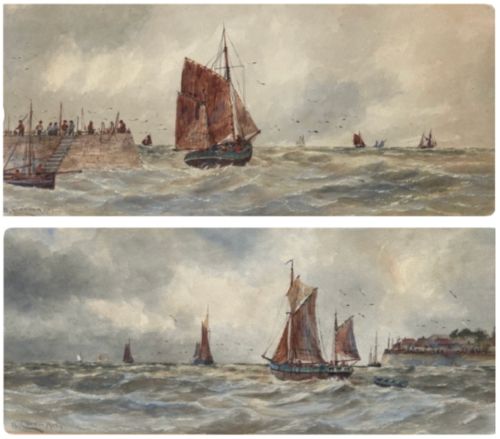
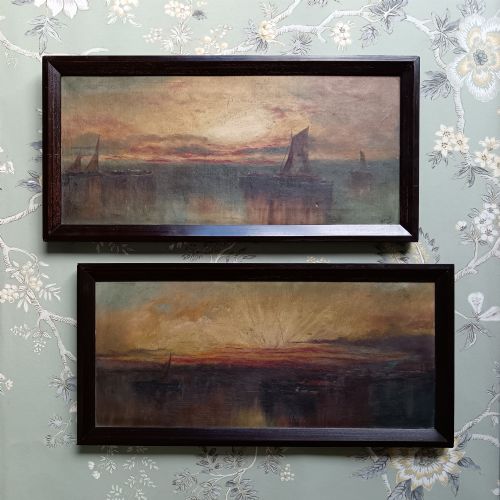
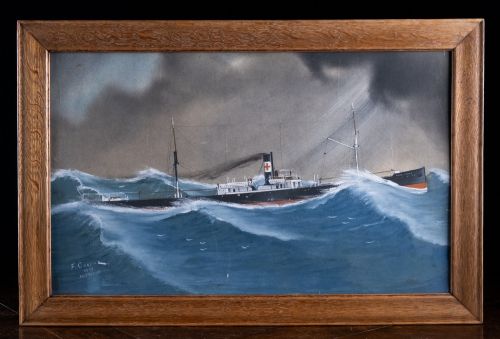
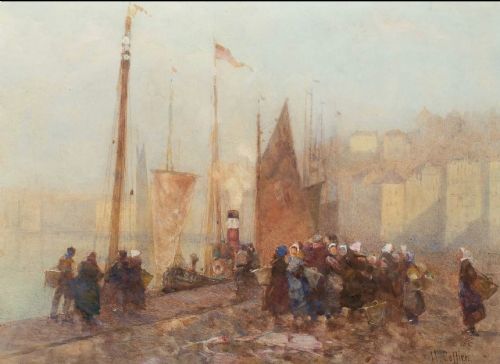
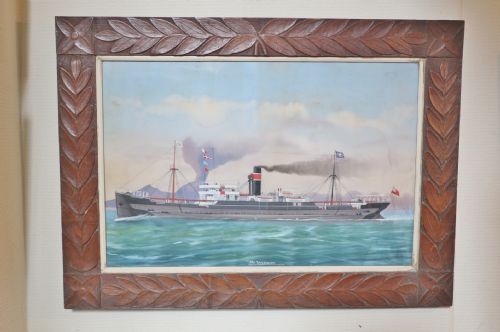
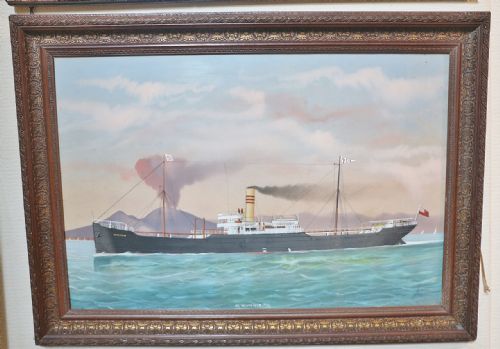
Edwardian marine painting comprises works depicting ships, harbours, and coastal views created during the early twentieth century. The selection includes both detailed watercolours and substantial oil paintings.
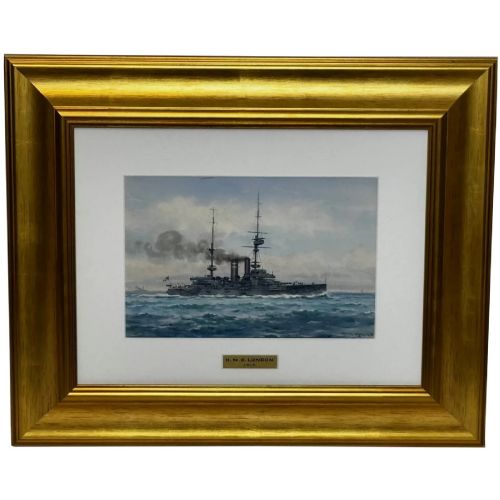
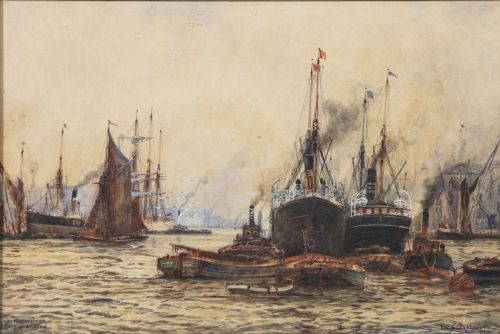
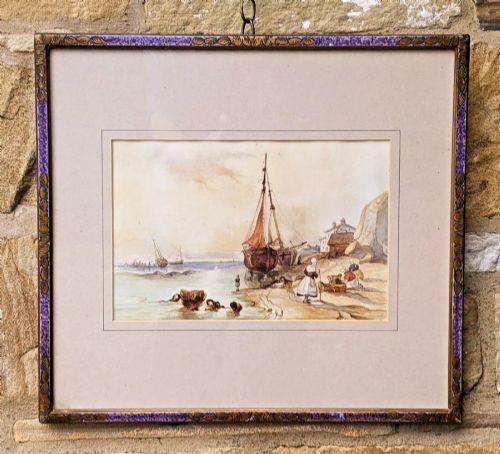
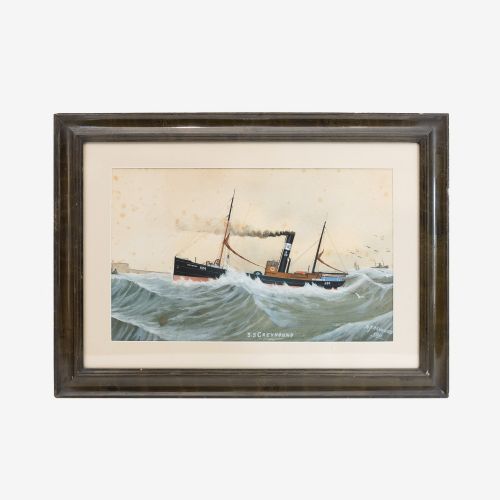
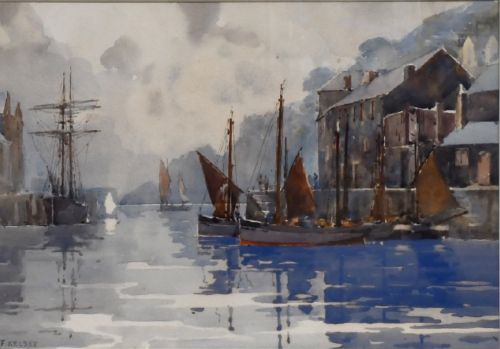
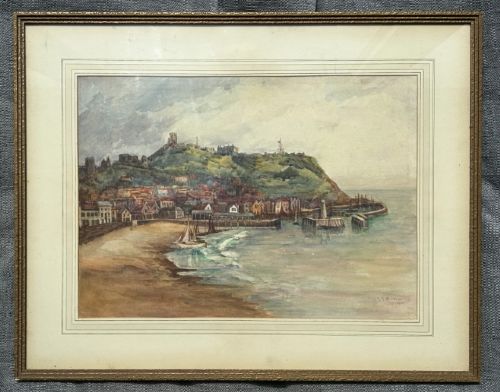
Buyers frequently encounter portrayals of named vessels like the S.S. Greyhound and Flying Cloud alongside bustling harbour scenes such as Whitby, Scarborough, and dockside shipping.
These works reflect the era's enduring fascination with maritime commerce and coastal life through the hands of period artists.
Materials and methods
Artists employed traditional media including oil on canvas, watercolour, and gouache applied to paper to render coastal light and water movement. Finished works found protection behind glass or within wooden and gilded wood frames.
The physical construction of these pieces relies on period canvas stretched over wooden frames or watercolours mounted on supportive paper substrates. Gilt wood and gilded wood mouldings complete the framing of the period.
Retail Price Guide 2026
Typical UK retail prices for edwardian marine painting, calculated from the Sellingantiques database of over a million retail prices indexed since 2003. This retail price guide relies exclusively on Sellingantiques data; no external sources or auction records are used, so the figures do not describe the wider market.
Listings feature works dated between 1900 and 1930, executed in oil on canvas, watercolour, and gouache.
Assessing quality
Quality in these maritime works rests upon the artist's handling of atmospheric conditions, water reflections, and the precise rigging of vessels. Superior examples demonstrate a confident command of medium, whether in the fluid application of watercolour or the rich layering of oil paint.
The integration of the artwork with its period frame also influences the overall integrity of the piece. Works that retain their original gilded wood or wood surrounds preserve the complete historical object.
Alexander Harwood·Daniel Sherrin·Fred Waugh·Rowland Henry Hill·Harry Wanless
The Edwardian Marine Painting Glossary
- Gouache
- An opaque watercolour medium that provides solid blocks of colour and crisp highlights. Artists often combined it with transparent watercolour to add depth to maritime scenes.
- Oil on Canvas
- A traditional painting technique utilising pigments suspended in oil, applied to a woven fabric support. This method allows for rich texture and lasting durability.
- Gilded Wood
- Wood treated with a thin layer of gold leaf or metallic powder, commonly used for period picture frames. It enhances the visual weight of the artwork.
- Maritime Art
- Artistic works that depict or draw inspiration from the sea, ships, and coastal environments. This category encompasses both calm coastal views and dramatic vessel portraits.
Frequently Asked Questions
What subjects appear in Edwardian marine painting?
These works depict named steamships, sailing vessels, and active harbour environments along the coast. Locations such as Whitby and Scarborough frequently provide the coastal backdrop.
Artists also recorded dock scenes filled with shipping activity, capturing the commercial maritime life of the period.
Which materials were used for these paintings?
Paintings from this era utilise oil on canvas as well as watercolour and gouache on paper. Supporting structures incorporate wood and glass.
Frames are commonly fashioned from gilded wood or plain wood, matching the framing conventions of the early twentieth century.
How should I display an antique watercolour?
Watercolours and works on paper require protection from direct sunlight to prevent the fading of pigments. Framing behind glass helps shield the paper surface from environmental pollutants.
Maintaining stable indoor humidity levels ensures the paper substrate and any accompanying gouache remain preserved.
How do I identify an Edwardian marine work?
Examination of the depicted vessels, architectural styles, and artist signatures often points toward the early twentieth century. Subject matter frequently centres on steamships and contemporary shipping.
Associated framing styles and the specific handling of maritime subjects further help contextualise the period of creation.