

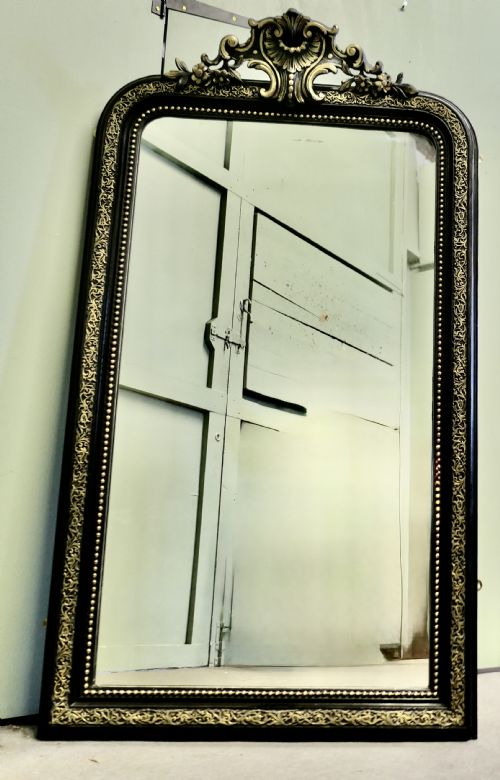
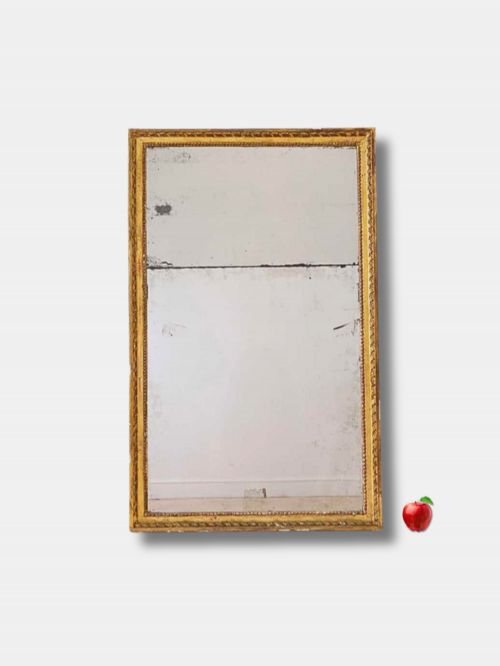


Gilded Frame Trumeau Mirror
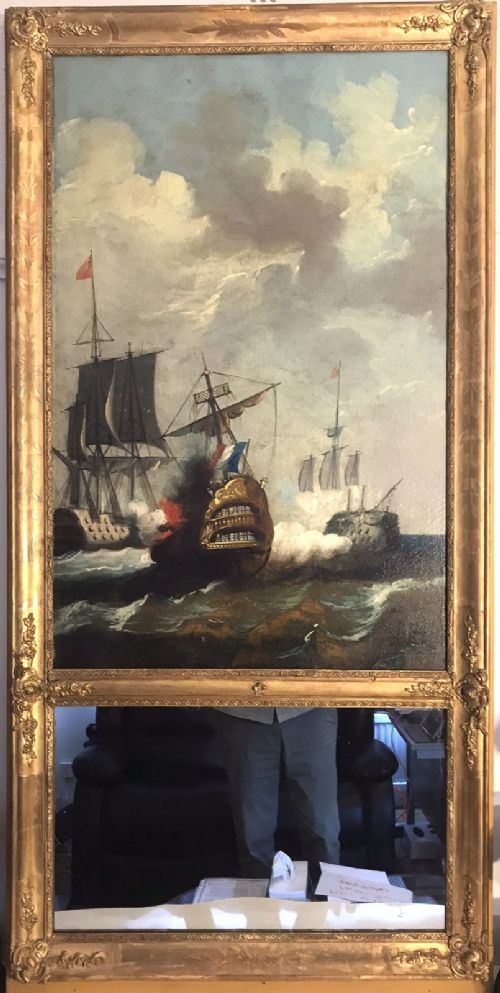
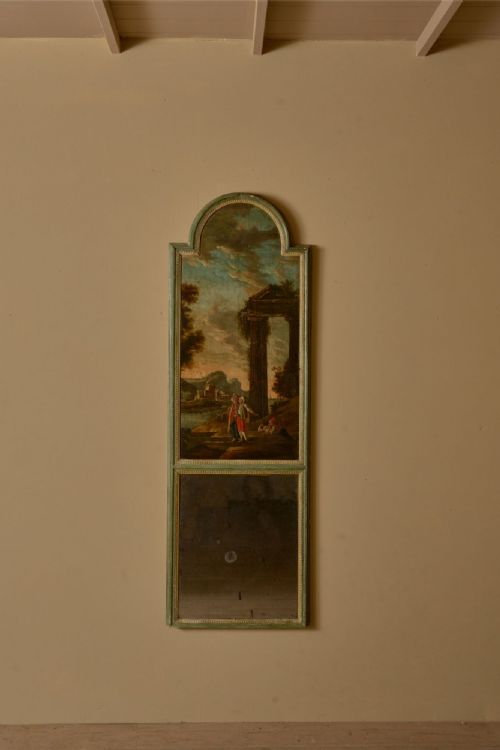
These gilded frame trumeau mirror pieces combine carved woodwork and integrated art panels to bring architectural proportion and painted romance into a grand interior.
Gilded Frame Trumeau Mirror
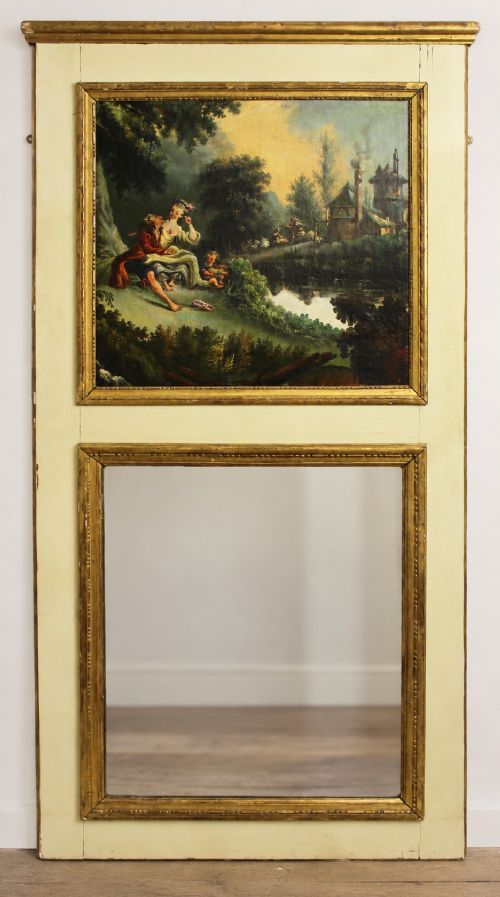
A gilded frame trumeau mirror unites a vertical looking glass with an upper decorative panel, most frequently taking the form of an oil painting on canvas or wood, or occasionally a decorated glass panel. The pieces seen here span from the eighteenth century into the nineteenth century, drawing heavily on French interior traditions.
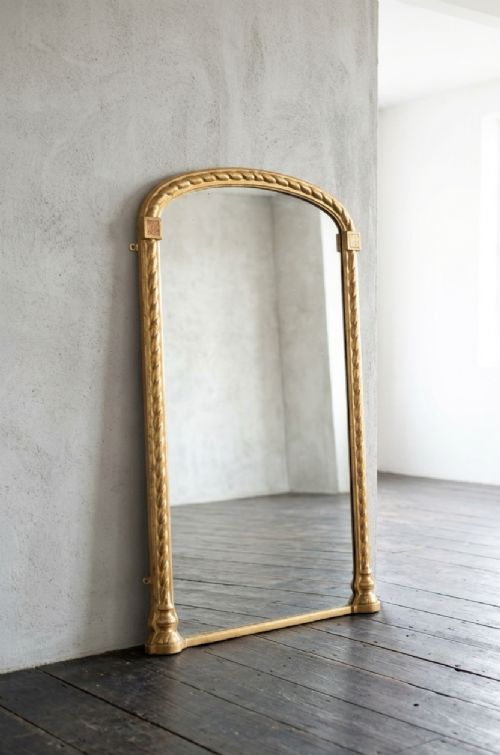
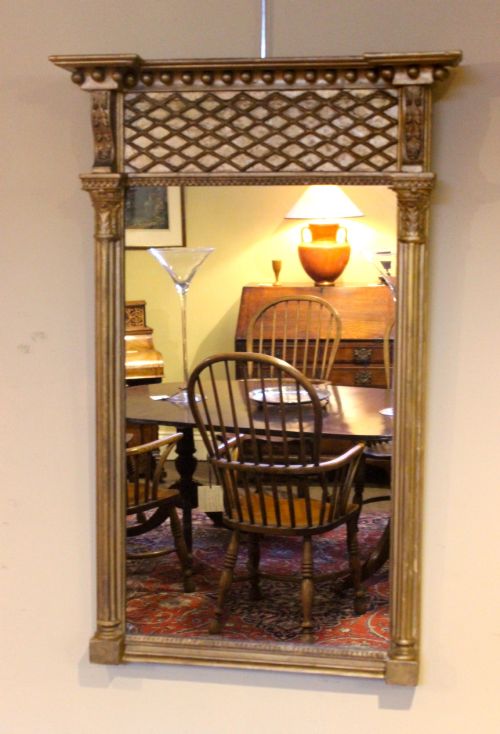
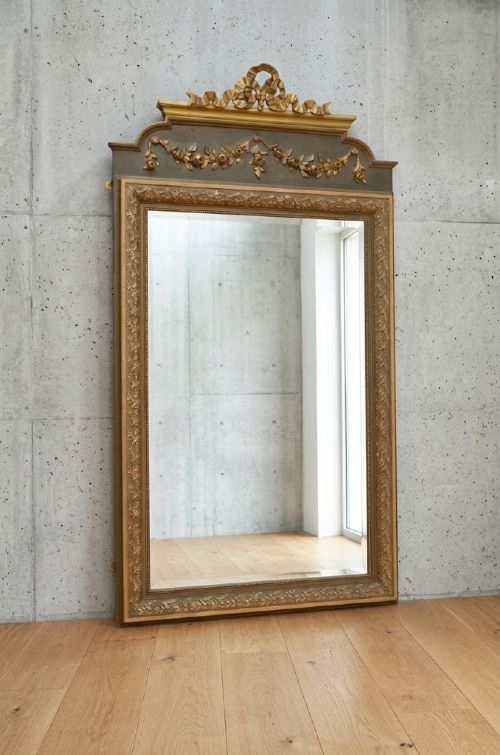
The most common formats on this page are tall wall and pier mirrors designed to hang between windows or above mantelpieces. They often display classical architectural influences such as Louis XVI styling, ribbon crests, rope carving, or columns.
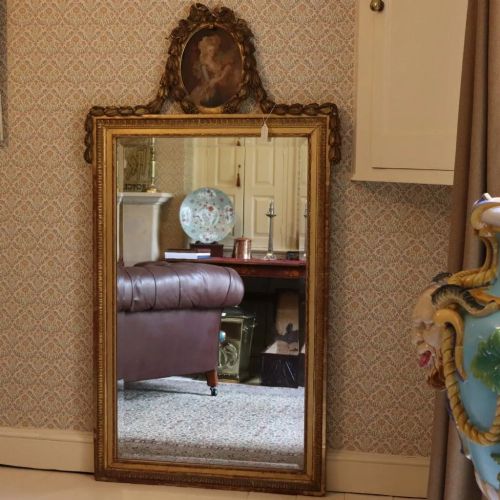
The integrated panels depict varied subjects, including pastoral scenes, galleons at sea, and portraits of figures like Marie Antoinette. Regional French provincial pieces and grander chateau variants appear alongside Regency and Louis XVI revival examples.
Materials and construction methods
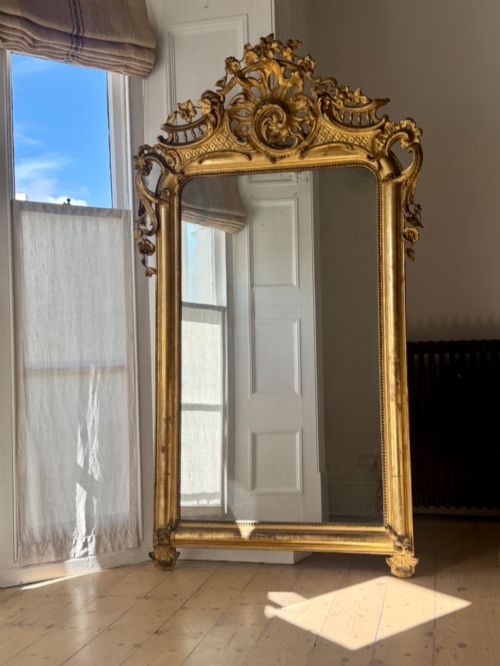
Craftsmen built the structural frames using timber such as walnut, painted wood, or plain wood, upon which they applied gesso and composition to model intricate relief details like ribbon crests and foliate motifs. Gold leaf or gilding completed the outer surface, producing a brilliant metallic finish that caught the candlelight of period rooms.
The reflective surfaces rely on traditional glass plates, occasionally featuring original foxed ageing or mercury glass characteristics. Upper panels carry oil paintings on canvas or wood, or employ verre églomisé techniques to fuse gilded designs onto the reverse of glass.
Gilded Frame Trumeau Mirror Retail Price Guide 2026
Typical asking prices for gilded frame trumeau mirror among the pieces listed under this phrase on Sellingantiques today, from the lower quarter to the upper quarter. They describe what is for sale here now, not the wider market.
The selections here span multiple periods, ranging from eighteenth-century items to nineteenth-century interpretations including Regency, Louis XVI style, and Napoleon III forms.
Distinctions in quality
The finest examples display deeply hand-carved giltwood frames with crisp gesso enrichment, whereas simpler pieces rely on moulded composition ornaments over basic wood bases. The articulation of the carved details, from rope twists to classical columns, separates standard decorative mirrors from high-status salon pieces.
Quality also rests in the integrity of the integrated components, distinguishing mirrors with original hand-painted canvas artworks and period mercury glass plates from those with later replacement panels or modern mirror inserts.
The Gilded Frame Trumeau Mirror Glossary
- Trumeau mirror
- A wall mirror incorporating an upper decorative panel, traditionally painted or glazed, designed to fit the architectural pier space between windows.
- Giltwood
- Timber coated with gold leaf or metallic powder over a prepared gesso ground, creating a luminous decorative surface.
- Mercury glass
- Historic silvered glass manufactured using a mercury amalgam process before the adoption of modern chemical silvering, often displaying distinctive speckling or foxing.
- Verre églomisé
- A cold decoration technique where designs are painted and gilded on the reverse side of glass panels.
- Composition
- A moulded mixture of whiting, resin, glue, and linseed oil pressed into relief ornaments for frames.
Gilded Frame Trumeau Mirror: Frequently Asked Questions
How do I date an antique trumeau mirror?
Dating relies on examining the construction methods of the wooden frame, the composition ornaments, and the character of the glass plate. Eighteenth-century examples often feature hand-carved wooden elements and early mercury glass, while nineteenth-century revival pieces frequently use moulded composition details.
Style markers also provide clear chronological clues, such as the straight-lined neoclassical restraint of Louis XVI designs versus the more exuberant curves of earlier Rococo forms or later Belle Époque touches.
Where should I hang a tall pier mirror?
Tall pier mirrors are traditionally proportioned to hang on narrow wall sections between two windows, effectively bouncing daylight back into the room. They also function exceptionally well mounted above mantelpieces or console tables in high-ceilinged reception rooms.
Because many surviving examples are quite heavy, secure wall fixing into structural studs or masonry is essential to support the weight of the timber frame and glass plate.
What is foxed glass?
Foxed glass refers to antique mirror plates that have developed dark spots, mottling, or cloudy patches as the reflective backing degrades over long decades. Rather than being treated as a defect, this natural ageing is valued by collectors for the soft, atmospheric reflection it creates.
Original foxed plates confirm that the glass has considerable age and has remained undisturbed within its historic frame through generations of use.