

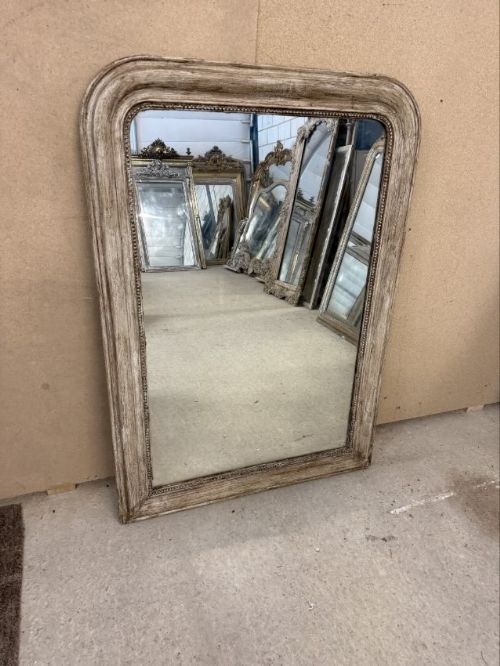
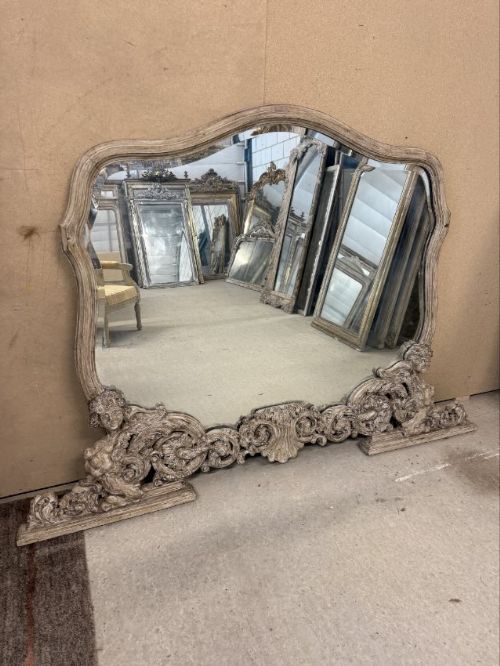
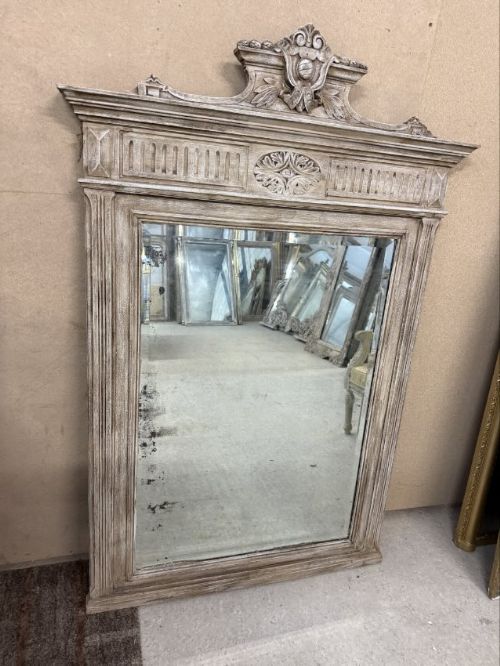
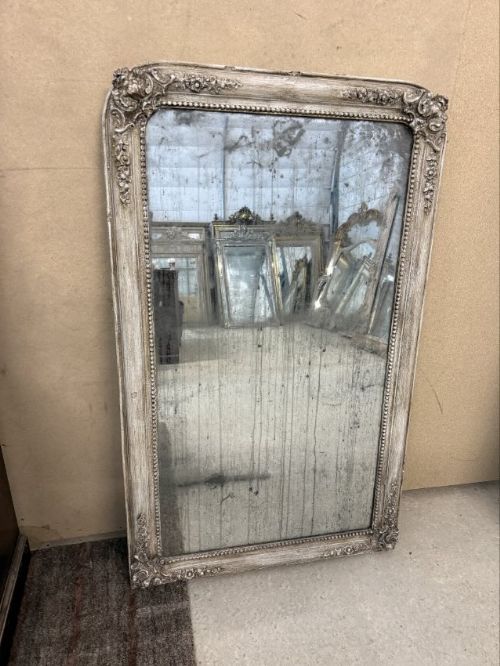
Antique Mirror Painting
An antique mirror painting brings together reflective glass and hand-applied canvas panels to anchor a room with layered historical depth.
Antique Mirror Painting
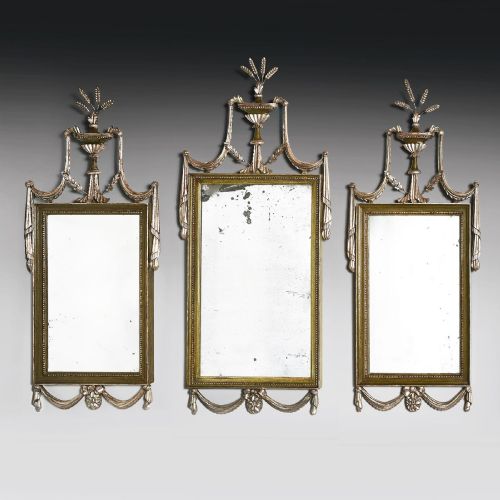
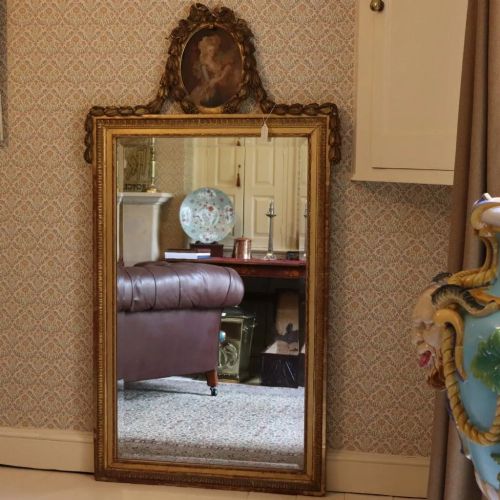
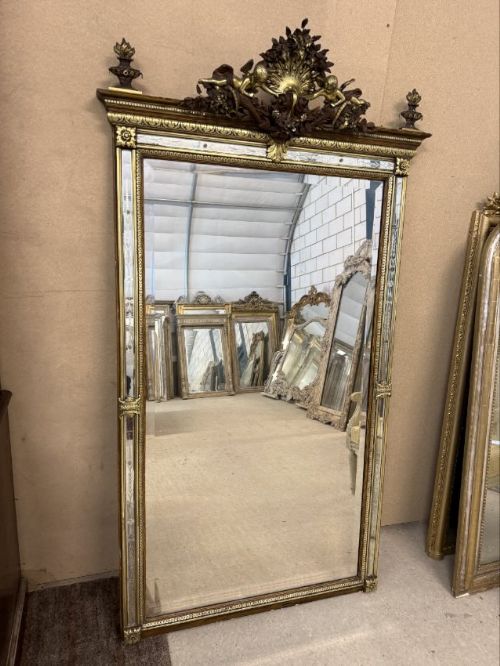
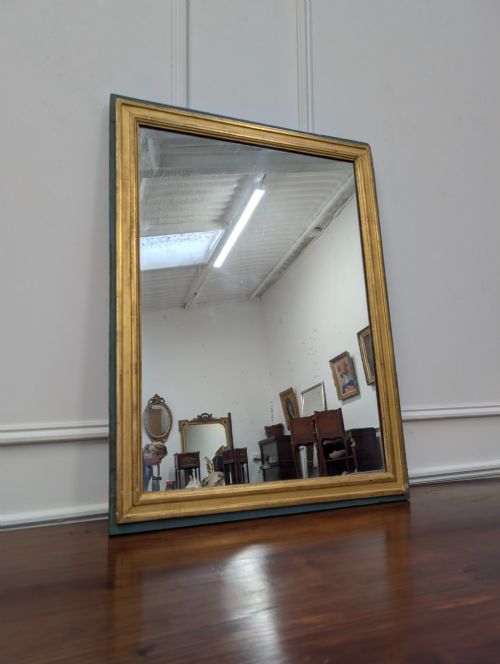
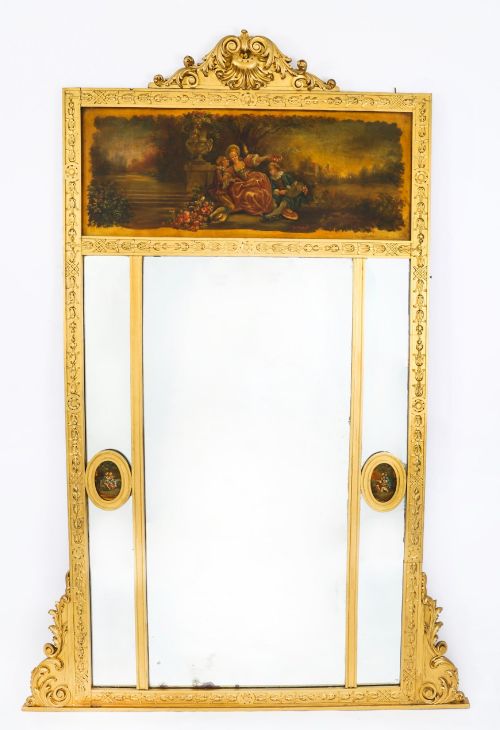
An antique mirror painting combines functional reflective glass with decorative pictorial art, most often seen in the form of tall trumeau frames, overmantels, and pier mirrors. These pieces span the eighteenth century through the Edwardian period, drawing heavily on French chateau, Regency, and Chinoiserie traditions.
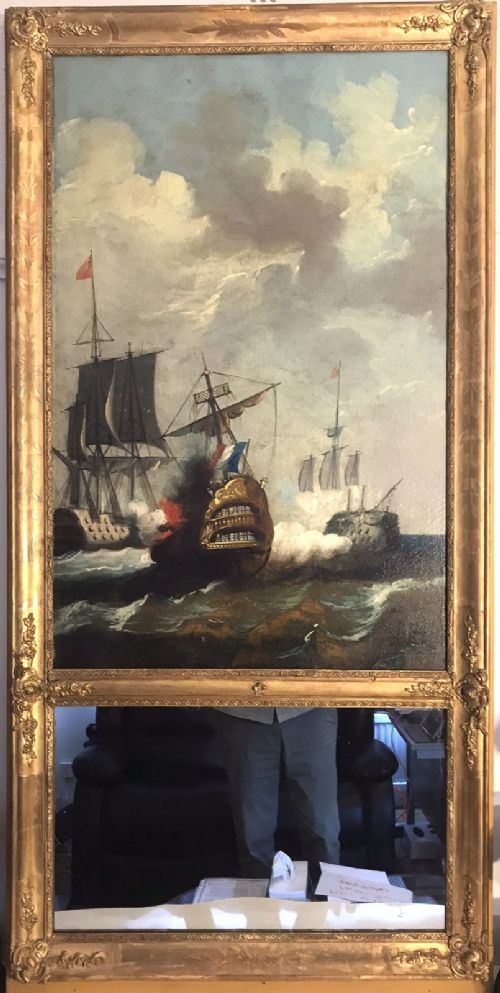
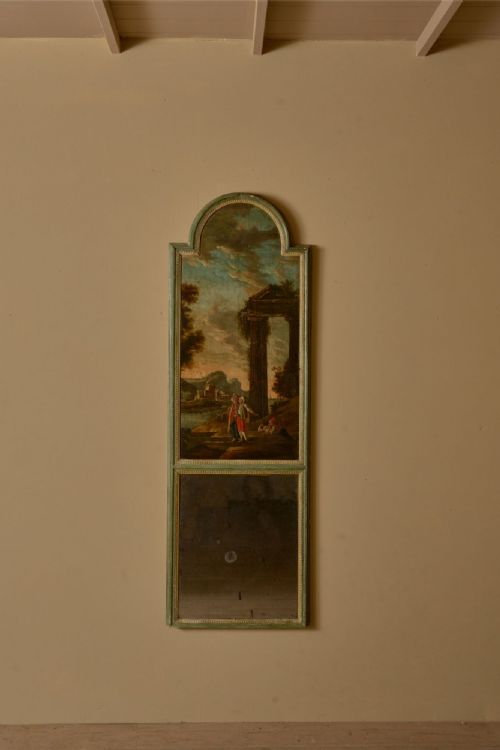
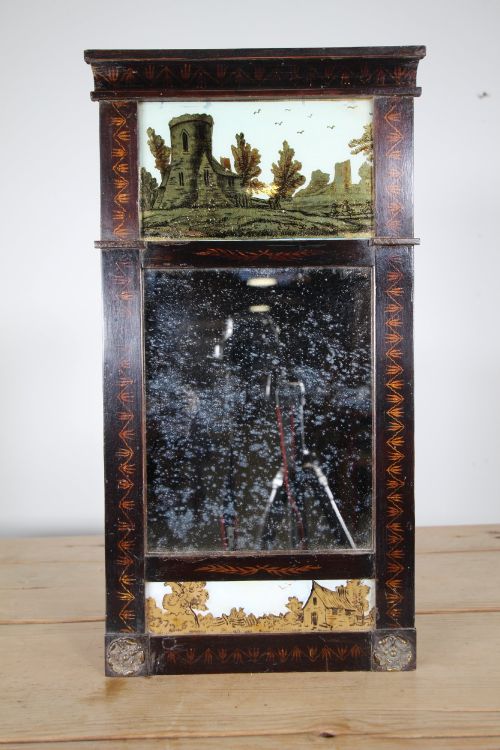
The pictorial elements range from pastoral oil landscapes and seascapes of galleons to reverse-painted verre églomise panels and delicate figures. Buyers encounter these primarily as wall-hanging or overmantel centrepieces that integrate framed artwork directly above the mirror plate.
How They Were Made
Craftsmen built the structural frames from timber such as wood and ash, layering gesso and composition material over the base to carve intricate architectural details, ribbon crests, and column motifs. Gilding with gold leaf or applying paint finishes completed the decorative surrounds.
The artistic components were executed using oil paint on canvas or panel, or through verre églomise techniques where paint and metallic leaf were applied directly to the reverse of the glass. These were then glazed alongside traditional mirror plates within the main wooden carcass.
Antique Mirror Painting Retail Price Guide 2026
Typical asking prices for mirror painting among the pieces listed under this phrase on Sellingantiques today, from the lower quarter to the upper quarter. They describe what is for sale here now, not the wider market.
Listings feature periods from the 18th century through the Edwardian era, incorporating materials like giltwood, gesso, oil paint, and mirror glass.
What Varies in Quality
The standard of an antique mirror painting rests on the harmony between the decorative frame and the skill of the painted panel. Superior examples display finely rendered oil paintings or crisp verre églomise work that matches the period aesthetic of the carved wood and gesso surround.
Execution depth in the hand-carved gesso details and the preservation of original painted surfaces distinguish finer items. Quality also shows in the integration of the mirror plate and the painted section, where proportion and balance dictate the visual success of the piece.
The Antique Mirror Painting Glossary
- Trumeau mirror
- An architectural wall mirror featuring an integrated upper panel containing a painting or decorative carving. These originated in eighteenth-century French interior design.
- Verre églomise
- A cold-painting and gilding technique applied to the reverse side of glass. It produces a distinctive reflective sheen often seen in Regency and Chinoiserie pieces.
- Gesso
- A plaster-like mixture applied to wooden frames to provide a smooth surface for carving and gilding. It allows for intricate relief ornamentation.
- Pier mirror
- A tall, narrow mirror designed to hang on the wall space between two windows. They frequently incorporate painted panels or giltwood frames.
- Chinoiserie
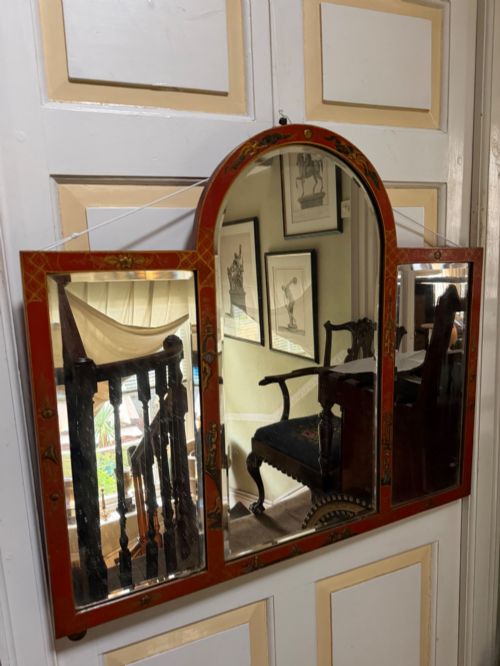
- A European artistic style reflecting Chinese motifs and decorative techniques. It appears frequently on lacquered and painted mirror frames from the nineteenth and early twentieth centuries.
Antique Mirror Painting: Frequently Asked Questions
How do I hang a heavy trumeau mirror safely?
These substantial wooden frames require secure wall fixings anchored directly into structural studs or masonry. Professional mirror hangers utilise heavy-duty brackets distributed evenly across the weight-bearing points of the frame.
Ensure the hanging wire or integrated D-rings match the total weight of the timber, glass, and painted panels combined to prevent any shifting over time.
What rooms suit an antique mirror painting best?
Living rooms and dining areas provide ideal settings where these large decorative panels can reflect natural light while serving as primary artwork. Overmantel placements above fireplaces remain a traditional choice.
Entryways and hallways also benefit from tall pier mirror formats, which open up narrow spaces using combined reflection and painted scenery.
Are painted mirrors strictly French in origin?
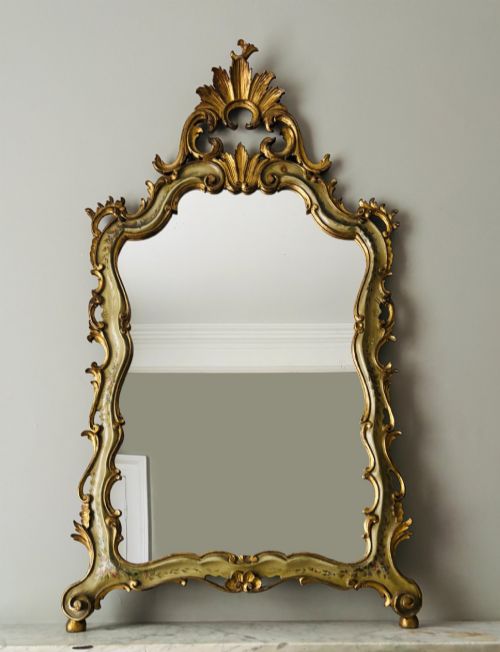
While French chateau and provincial styles dominate many surviving examples, production spanned multiple regions across Europe and beyond. Italian workshops produced ornate polychrome and baroque framed mirrors.
Additionally, pieces reflecting Kashmiri and Chinese decorative arts appear within the broader spectrum of nineteenth and early twentieth-century trade.