

Antique French Pier Mirror
An antique french pier mirror brings scale and reflected light into a room, originating mostly from nineteenth century salons and chateaux.
What an antique french pier mirror is
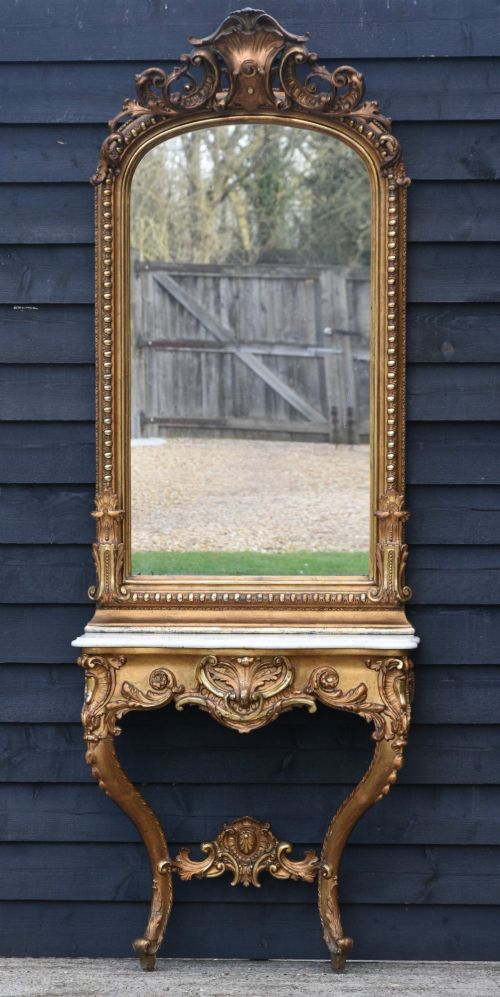
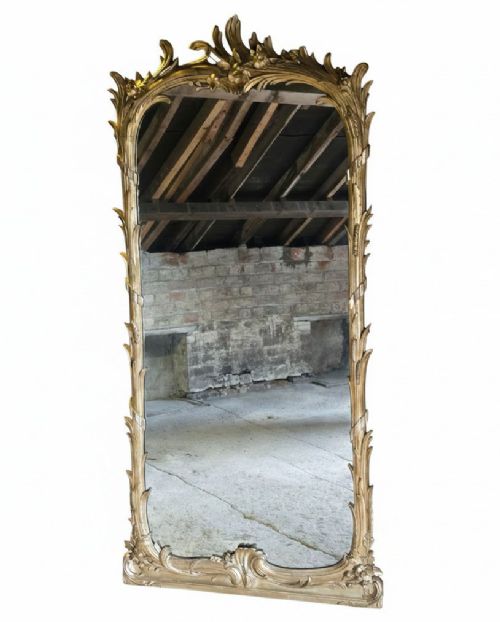
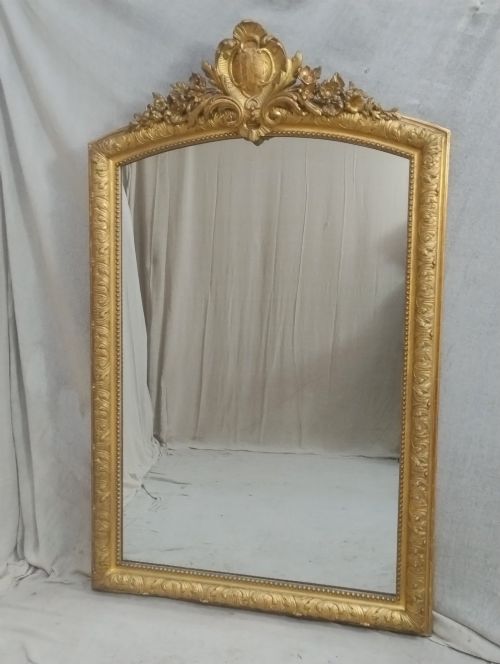
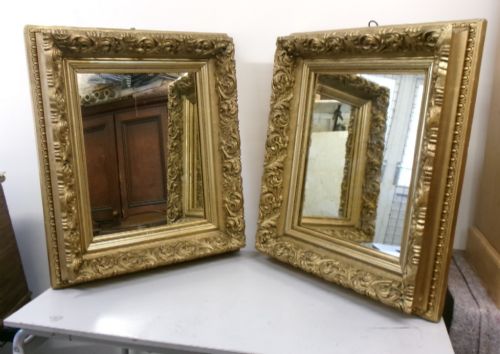
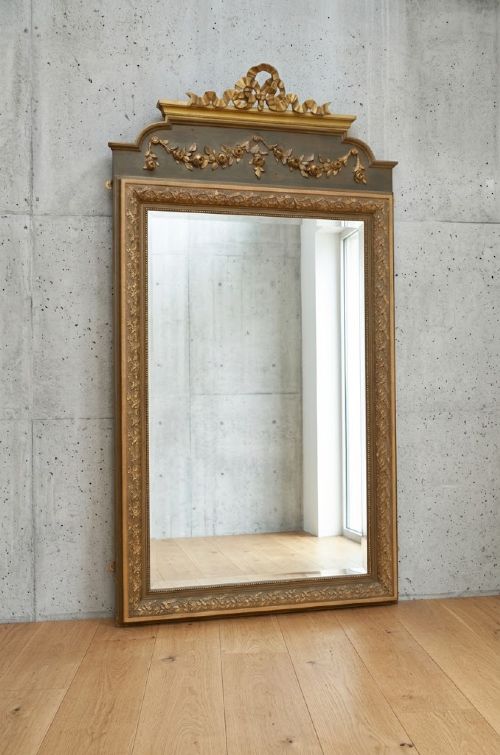
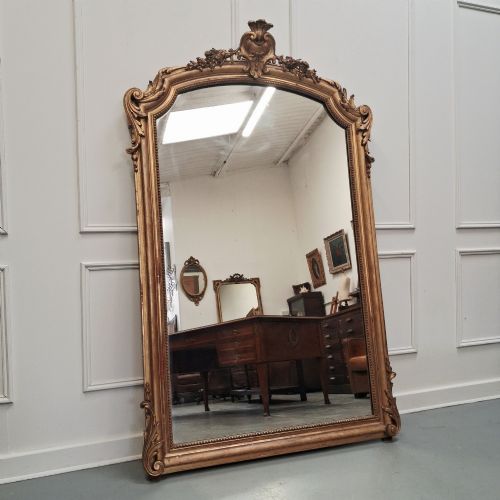
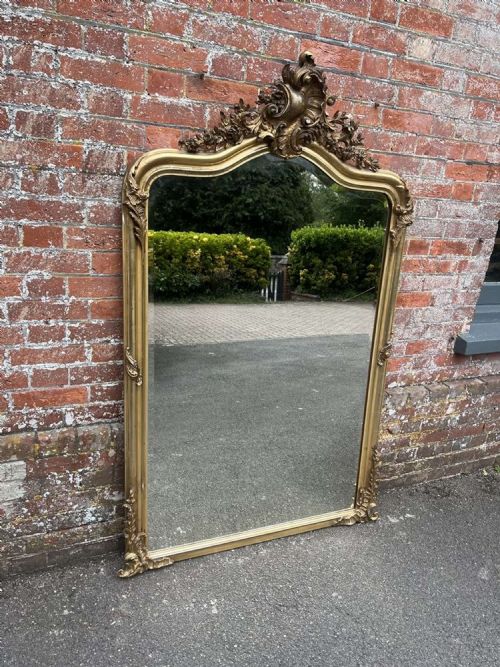
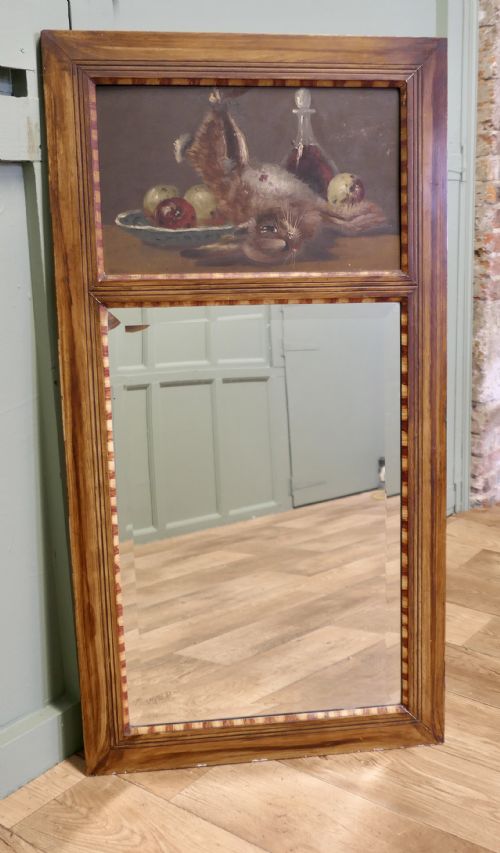
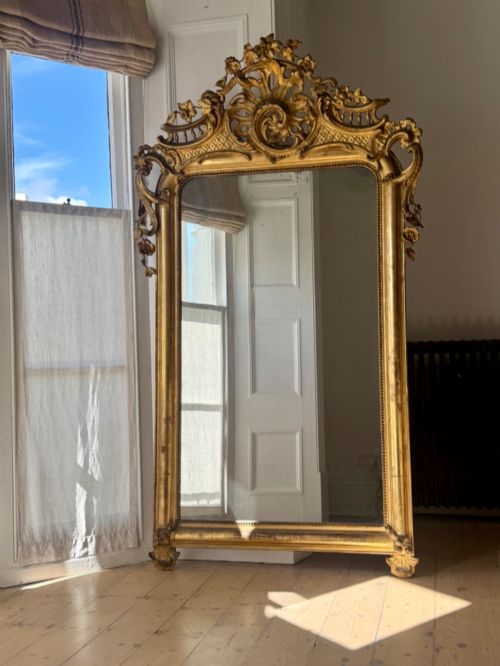
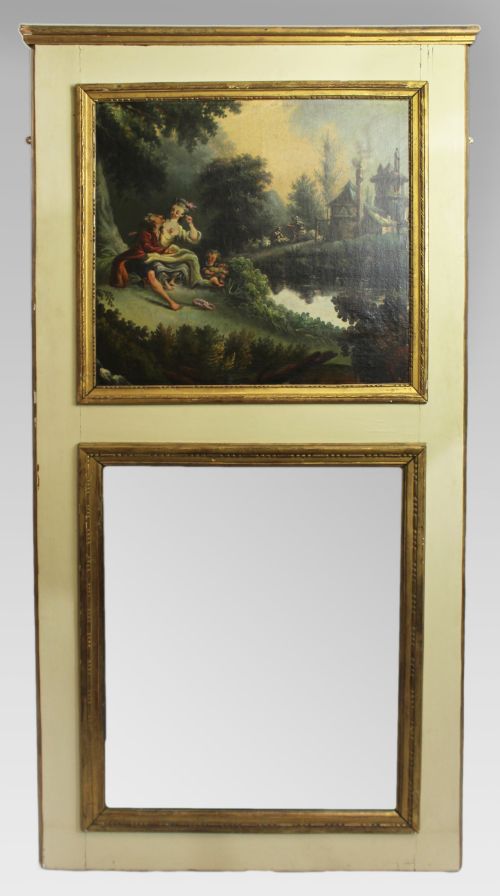
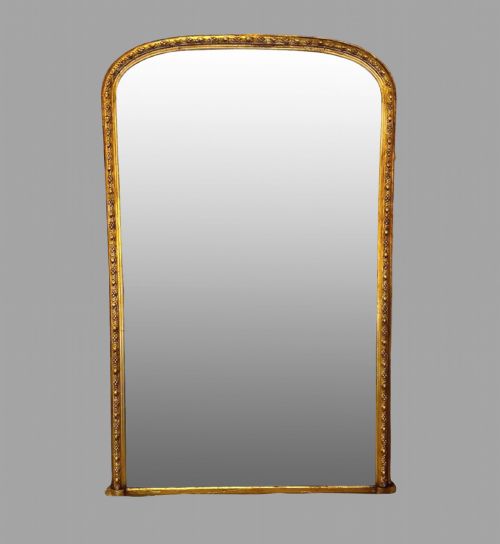
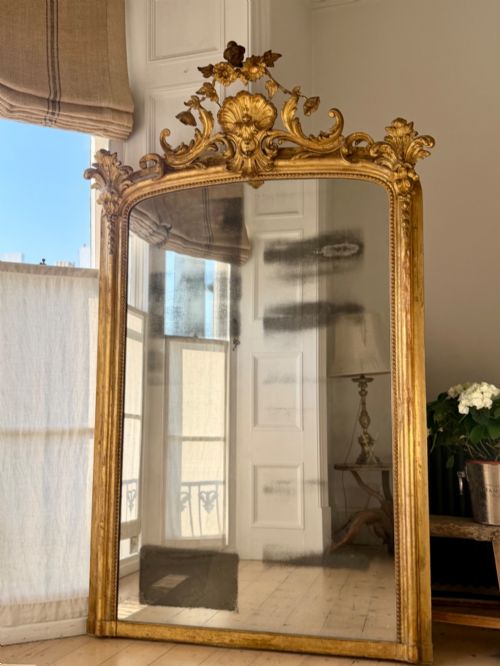
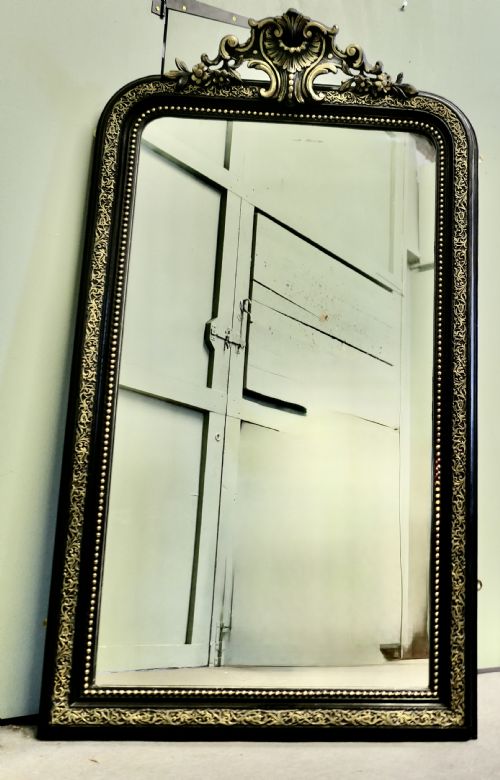
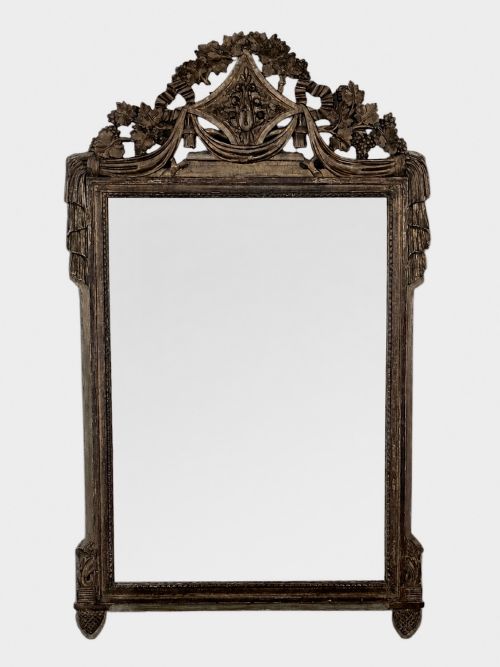
An antique french pier mirror is a tall vertical looking glass designed to hang on the wall space between windows, known as the pier. The pieces found here date from the nineteenth century, including specific years such as eighteen seventy, and appear in forms like wall mirrors and cushion mirrors. Styles span french neoclassical, french chateau, neoclassical revival, and french rococo.
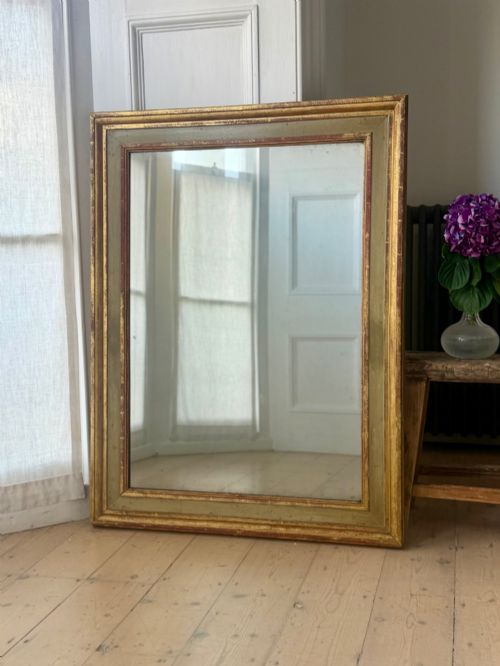
The surviving examples range from plain painted wood frames to ornately carved column frames and shaped top designs with classical motifs. Buyers regularly encounter grand formats that measure over two metres in height, reflecting the vertical architectural proportions of nineteenth century salons. Many pieces retain original painted surfaces, giltwood finishes, or combined silver and gilt treatments.
How they were made
The primary construction relies on carved wood frames built from timber substrates. Artisans applied layers of gesso and composition over the carved wooden armature to create crisp relief details before applying gold leaf or paint finishes.
Glazing involved traditional mirror glass fitted into the frames, sometimes secured with wooden backboards. Frame decoration incorporates hand-carved elements, rope twists, or moulded composition motifs fixed to the wood structure.
Retail Price Guide 2026
Typical UK retail prices for french pier mirror, calculated from the Sellingantiques database of over a million retail prices indexed since 2003. This retail price guide relies exclusively on Sellingantiques data; no external sources or auction records are used, so the figures do not describe the wider market.
Several mirrors include charming rope twist frames that look as though they might untie themselves if pulled too hard.
What varies in quality
Quality rests upon the depth and crispness of the hand-carved woodwork versus moulded composition ornaments. Superior examples display finely articulated classical motifs, columns, and shaped crests that retain their original giltwood or painted layers without heavy overpainting.
The condition and integrity of the original mirror glass and silvering contribute heavily to the overall standard of a piece. Mirrors retaining their original painted or gilt surfaces in undisturbed condition command greater interest than those stripped or overly restored.
The Antique French Pier Mirror Glossary
- Pier mirror
- A tall vertical wall mirror specifically proportioned to hang on the narrow wall space between two windows. It traditionally serves to bounce natural daylight back into the room.
- Gesso
- A plaster mixture applied to wood frames to provide a smooth, absorbent ground for gilding or painting. It allows craftsmen to carve or mould intricate decorative reliefs.
- Giltwood
- Timber that has been coated with thin sheets of gold leaf. It forms the lustrous metallic finish seen on many formal nineteenth century frames.
- Composition
- A moulded mixture of whiting, resin, glue, and linseed oil pressed into decorative reliefs. It was widely used on nineteenth century frames to achieve ornate ornamentation efficiently.
- Cushion mirror
- A mirror frame featuring a convex, outward-sloping profile that resembles a soft cushion. This style creates a distinct volumetric border around the glass.
Frequently Asked Questions
Where should I hang a pier mirror?
These tall mirrors fit naturally between two windows or above a low console table where their vertical format balances room proportions.
They also work effectively on plain expanses of wall in hallways or reception rooms to draw light inward.
How do I identify a nineteenth century frame?
Nineteenth century frames typically display hand-carved wooden construction augmented with gesso and composition ornaments reflecting neoclassical or rococo revivals.
Close inspection of the joinery, backboards, and fastener types helps confirm the period of manufacture.
Are the mirror plates original?
Many antique mirrors retain their original glass, which often exhibits characteristic foxing, light oxidation, and subtle surface distortions.
Some pieces have received replacement glass over their long history to maintain a clearer reflection.
How do I care for giltwood frames?
Giltwood and gesso surfaces require gentle dusting with a soft dry brush and protection from direct moisture and humidity.
Avoid using liquid cleaners or chemical polishes that can lift the delicate gold leaf or painted layers.