



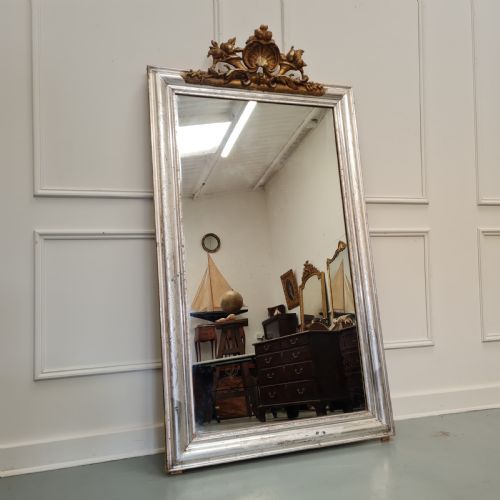


Silver Overmantel Mirror
A silver overmantel mirror brings reflective light and period scale to a room, sitting naturally above a fireplace.
What silver overmantel mirrors are
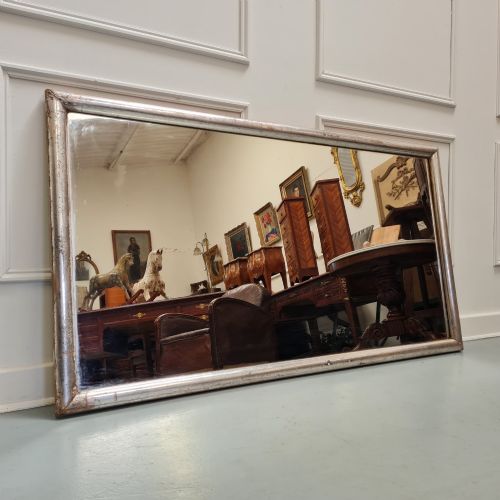
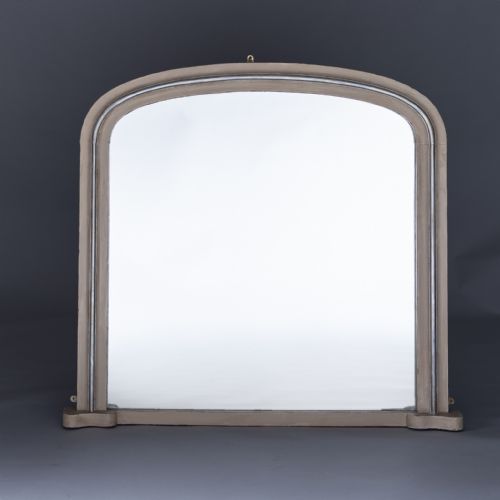
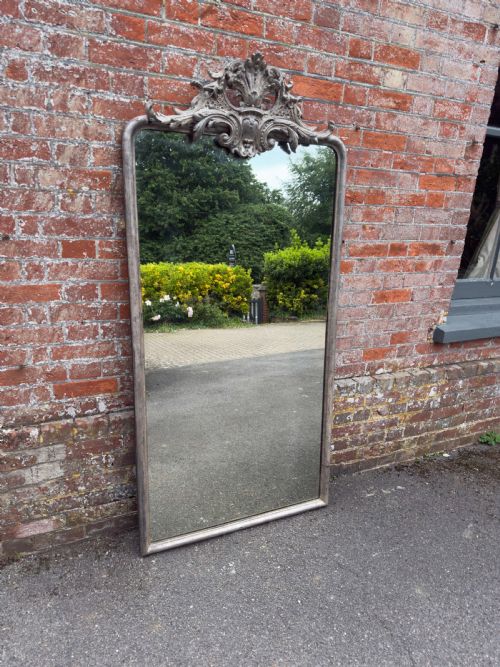
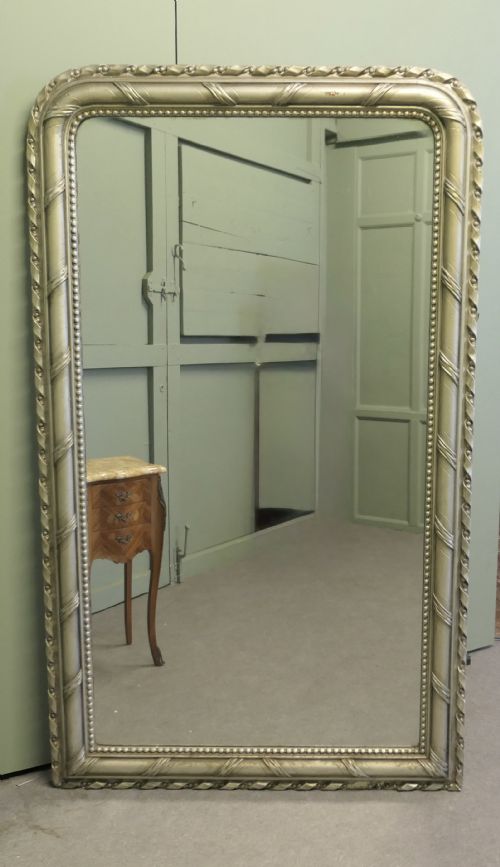
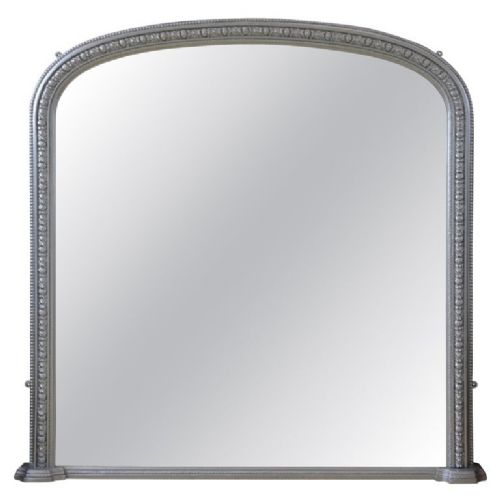
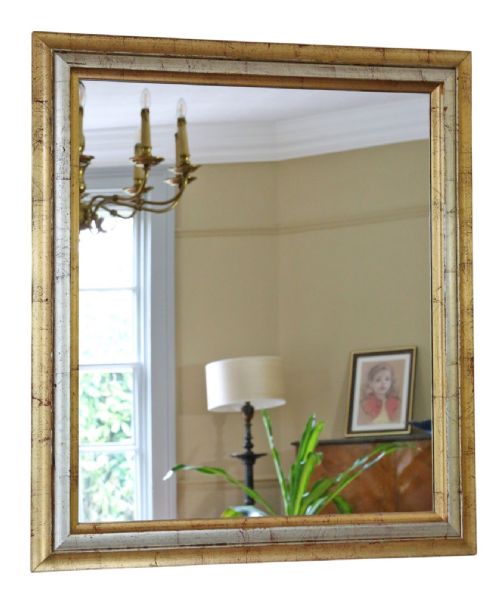
A silver overmantel mirror is a large wall mirror designed to hang directly above a mantelpiece. When you search for a silver overmantel mirror, you encounter pieces originating from Victorian England, the nineteenth century, and Venetian workshops.
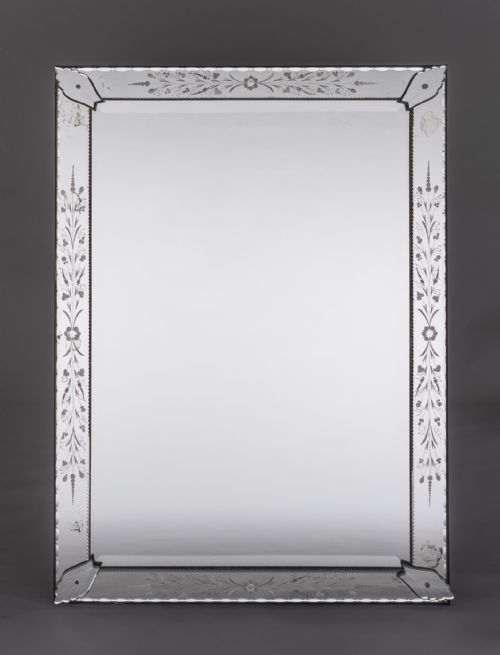
The selection includes large Victorian silvered overmantel mirrors alongside Italian Venetian glass examples. These objects function simultaneously as substantial decorative focal points and practical reflective surfaces for interiors.
Most pieces date from the nineteenth century, spanning periods around 1880, 1890, and 1910. The forms include English and French variations, often incorporating ebonised elements, silver leaf, or original silvered plates.
How they were made
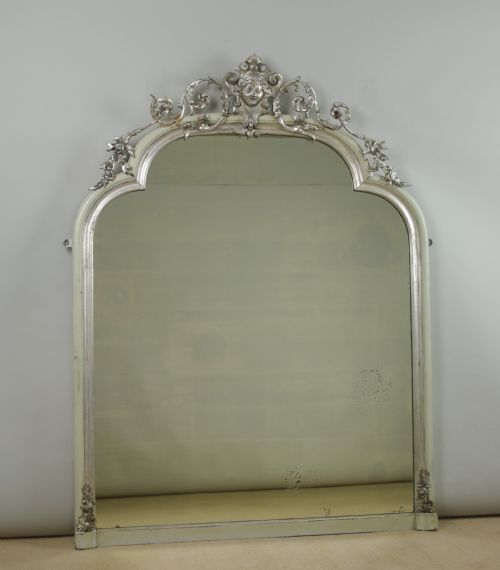
Construction relies on sturdy timber foundations such as pine, mahogany, and general wood substrates. Carved gesso and applied silver leaf or silver gilt provide the reflective or metallic exterior finishes.
Mirrors utilise mirror glass and silvered glass plates set within wooden or gesso-coated frames. Techniques involve traditional water gilding and silvering methods applied to heavy glass plates.
Retail Price Guide 2026
Typical UK retail prices for silver overmantel mirror, calculated from the Sellingantiques database of over a million retail prices indexed since 2003. This retail price guide relies exclusively on Sellingantiques data; no external sources or auction records are used, so the figures do not describe the wider market.
Materials recorded across the listings include pine, mahogany, gesso, silver leaf, and silvered glass.
What varies in quality
Quality shows in the preservation of the original silvered plate and the crispness of the gesso moulding. Pieces retaining their early glass plates and original silver leaf display a depth that later replacements lack.
The integration of secondary materials, such as ebonised timber details combined with silver gilt, distinguishes standard framing from finer decorative output. Scale and proportion relative to the wooden structure dictate the visual impact of each piece.
The Silver Overmantel Mirror Glossary
- Overmantel mirror
- A large wall mirror specifically proportioned to hang above a fireplace mantelpiece. These pieces often feature wide horizontal or vertical formats.
- Silvered glass
- Glass treated with a reflective silver coating behind the plate. Older examples exhibit distinctive oxidation and foxing.
- Gesso
- A plaster-like mixture applied to wooden frames as a base for gilding or silvering. It allows for intricate relief ornamentation.
- Silver leaf
- Thin sheets of hammered silver applied to a prepared surface. This technique creates a metallic finish distinct from liquid paint.
Frequently Asked Questions
Where do I hang an overmantel mirror?
These mirrors traditionally hang on the chimney breast directly above a fireplace mantelpiece. Their scale suits placement as the primary focal point of a reception room.
Ensure the wall fixings securely support the weight of heavy wooden and glass frames. Professional hanging hardware is essential for large nineteenth-century examples.
How do I identify a Victorian mirror?
Victorian mirrors often feature substantial wooden construction paired with gesso ornamentation or ebonised details. Dating relies on stylistic conventions and framing techniques from the nineteenth century.
Examination of the reverse and the glass plate can reveal construction methods consistent with the period.
What is an original silvered plate?
An original silvered plate refers to the historic glass mirror insert belonging to the frame from its period of creation. These plates show age through natural weathering.
Collectors value original plates for the authentic reflection and historical continuity they bring to antique mirrors.
How do I clean an antique mirror?
Clean the glass gently using a soft cloth and minimal moisture to protect fragile silvered surfaces. Avoid harsh chemical cleaners that can damage historic framing or degraded silvering.
Dust the gesso and wooden frames with a dry brush rather than liquid polish to preserve the finish.