

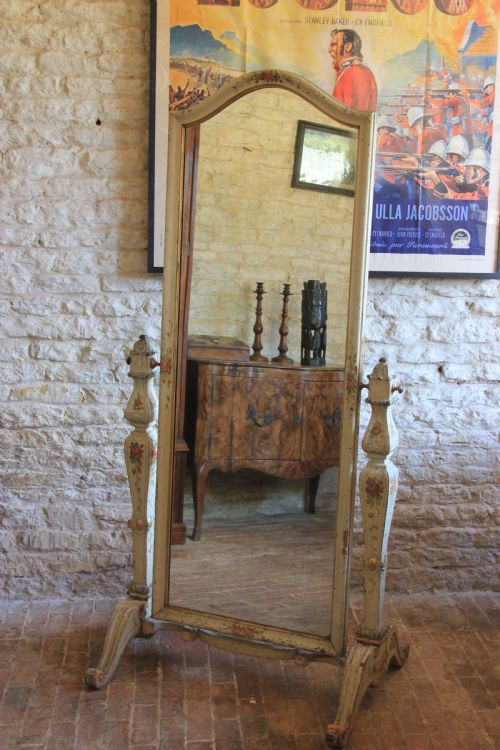




Floral Painted Mirror
A floral painted mirror brings botanical charm to a room, framing reflections with hand-painted blooms across wood, glass, and gesso.
Floral Painted Mirror
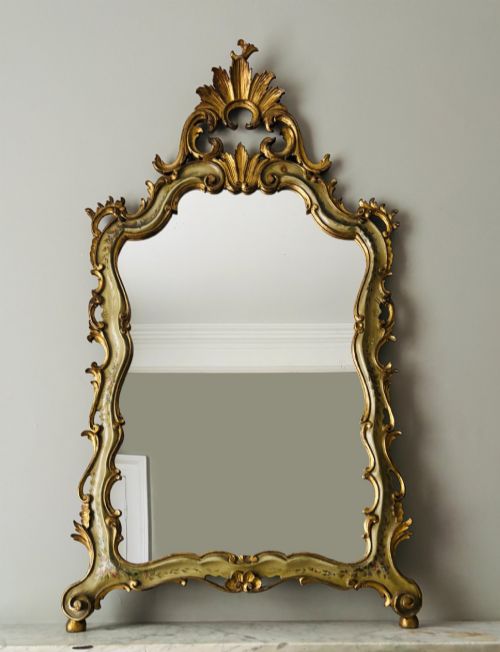
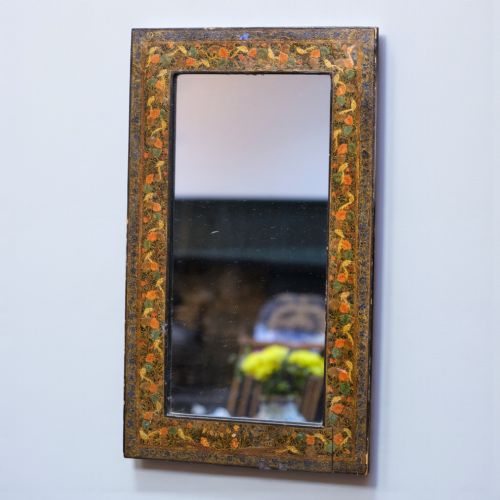
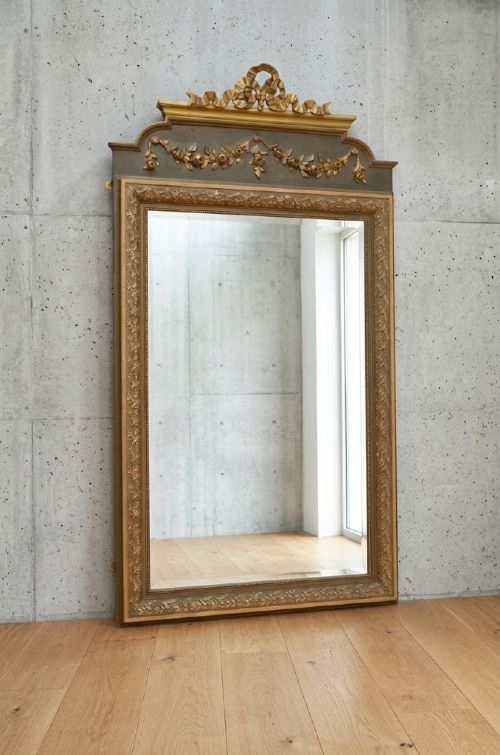
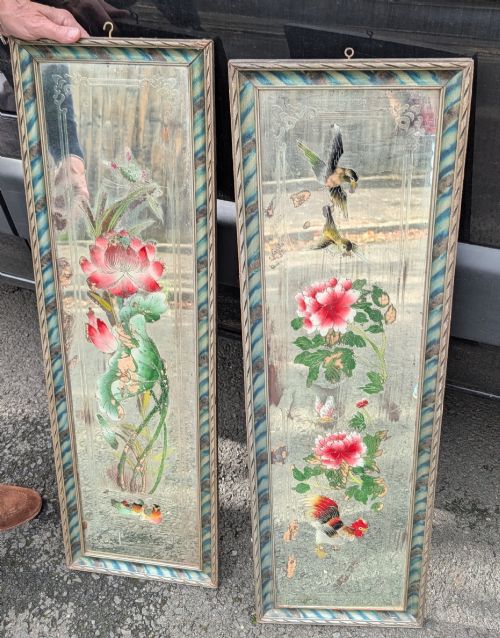
A floral painted mirror is a decorative looking glass featuring hand-painted botanical motifs, floral panels, or carved floral gesso ornamentation. When you search for this phrase, you encounter wall mirrors, overmantels, pier glasses, and cheval mirrors spanning multiple centuries.
The pieces appearing here include French, Italian, and English examples, ranging from delicate Edwardian fretwork frames to substantial Victorian overmantels. Walnut, painted wood, and giltwood provide the foundational structures for these floral designs.
Nineteenth-century and early twentieth-century examples dominate the selection, often reflecting Aesthetic Movement tastes or continental styles like French Provincial and Venetian Rococo. These items function equally well as focal points above mantelpieces or as dressing mirrors.
How they were made
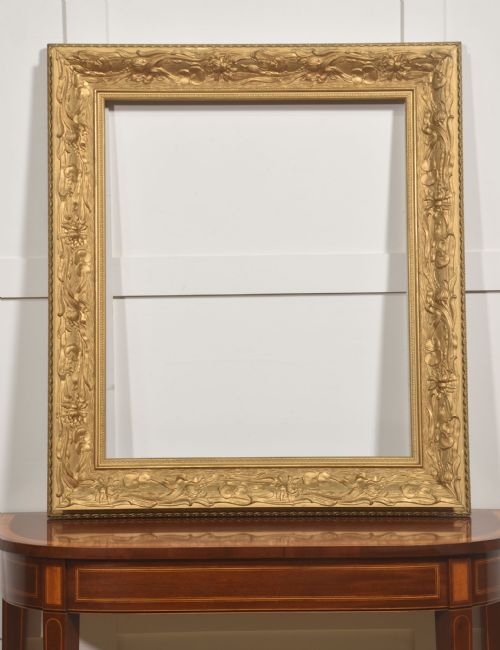
Makers utilised wood, including walnut, satinwood, and mahogany, as the primary structural base for carving and framing. Gesso and gold leaf were frequently applied to create raised ornamentation and gilded highlights around the glass plate.
Artists painted directly onto wooden frames, silk inserts, or reverse glass panels to incorporate roses, lilies of the valley, and other botanical details. Gilding and ebonisation often complemented the painted floral motifs.
Floral Painted Mirror Retail Price Guide 2026
Typical asking prices for floral painted mirror among the pieces listed under this phrase on Sellingantiques today, from the lower quarter to the upper quarter. They describe what is for sale here now, not the wider market.
Gypsy mirrors bring bohemian charm, often featuring whimsical painted frames intended to catch the light in cosy Victorian parlours.
What varies in quality
The refinement of the hand-painting distinguishes finer examples from simpler commercial pieces, with delicate brushwork on porcelain, silk, or glass holding greater artistic merit. Crispness in the carved gesso and wood mouldings indicates skilled craftsmanship rather than mass production.
Original mercury glass plates and well-preserved gilding contribute significantly to a mirror's integrity and visual depth. The cohesion between the frame's style, such as French Rococo or Aesthetic Movement, and its painted decoration determines the overall harmony of the object.
The Floral Painted Mirror Glossary
- Gesso
- A plaster-like mixture applied to wood frames to create a smooth surface for gilding or relief moulding. Craftsmen carved intricate floral patterns directly into this material before applying gold leaf.
- Trumeau
- A decorative wall mirror paired with a painted panel or artwork above the glass. These French mirrors often feature floral motifs within the upper panel.
- Pier glass
- A tall mirror designed to hang on the narrow wall space between windows. They frequently incorporate painted woodwork and gilt highlights.
- Reverse painting
- A technique where artists paint directly onto the back of the glass pane so the image is viewed through the front. This method protects the pigment and produces a glossy finish.
- Aesthetic Movement
- A late nineteenth-century design style emphasising visual beauty over narrative content. Mirrors from this movement often feature ebonised wood with gilt and painted floral details.
Floral Painted Mirror: Frequently Asked Questions
How do I hang a heavy overmantel mirror?
Heavy overmantel mirrors require secure anchoring directly into wall studs using heavy-duty brackets suited to the weight of the wood and glass.
Consult a professional installer to ensure the wall structure can support the substantial frame safely.
Are these mirrors suitable for bathrooms?
Historic painted and gilded wooden frames react poorly to high humidity and direct moisture found in typical bathrooms.
Place these pieces in dry living areas, hallways, or bedrooms to preserve the delicate paintwork and silvered glass.
How do I clean an antique painted mirror?
Dust the frame gently with a soft, dry cloth and avoid chemical sprays that can strip historic paint or varnish.
Clean the glass plate sparingly with a mild glass cleaner applied to a cloth rather than sprayed directly onto the surface.
How can I tell the age of the mirror?
Examine the construction methods, wood types, and the condition of the mirror plate for signs of age. Hand-beveled edges, oxidation on the glass, and period-specific styles like Edwardian fretwork or Victorian ebonisation help date the piece.