





Painted Panel Mirror
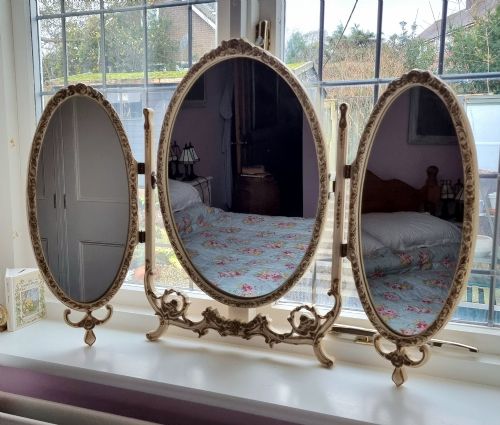
A painted panel mirror brings together reflective glass and decorative artistry, offering a focal point that captures light while displaying traditional craftsmanship.
Painted Panel Mirror
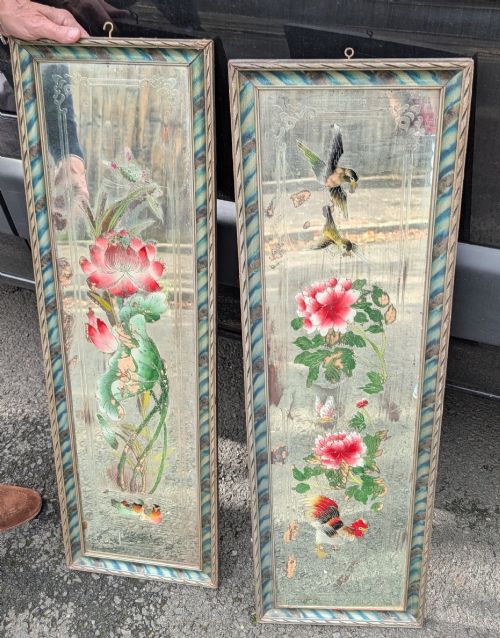
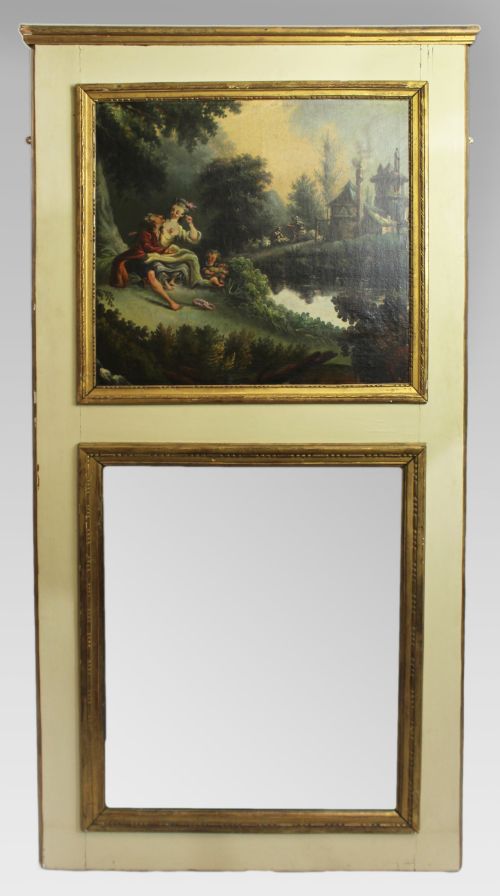
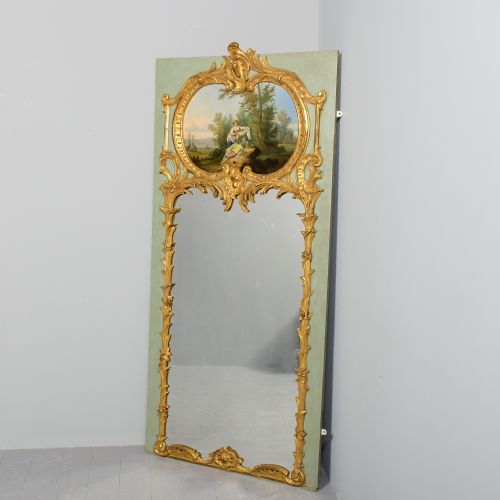
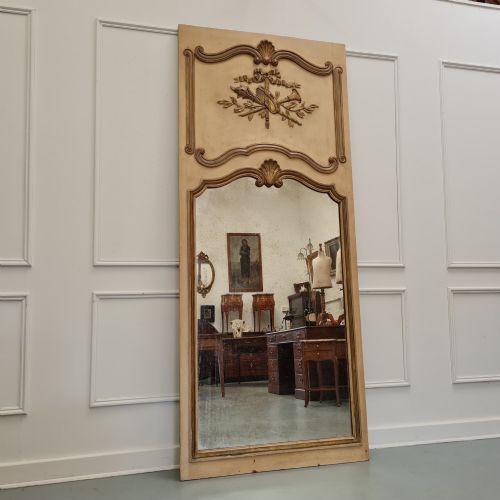
A painted panel mirror combines a looking glass with a decorative upper or inset section bearing hand-painted artwork, pastoral scenes, or floral motifs. When searching for a painted panel mirror, buyers encounter numerous French trumeau examples from the nineteenth century, alongside Regency pier mirrors and Victorian overmantels.
The format typically divides the vertical surface between the reflective plate below and the artwork above, often framed in giltwood, painted wood, or gesso. These pieces originate largely from nineteenth-century France and Britain, spanning styles from Louis XVI revival to the Aesthetic Movement and the Regency period.
How they were made
Makers constructed the primary frames from timbers such as pine, oak, walnut, or mahogany, applying layers of gesso and gold leaf or paint to the carved surfaces. Glass plates were traditionally silvered by hand, while the upper panels received oil paintings, reverse-painted glass, or vernis martin decoration.
Joinery techniques involved traditional pegged mortise and tenon frames designed to support the combined weight of heavy mirror glass and timber panels. Decorative relief work in composition or carved wood often borders the painted section, uniting the mirror plate and the artwork into a single architectural composition.
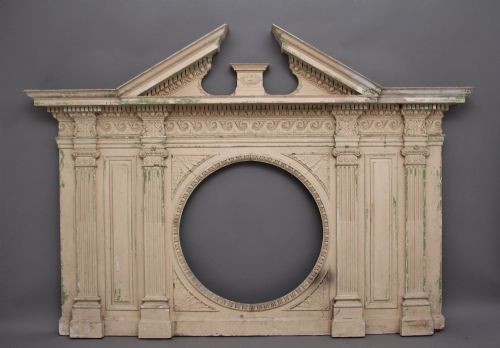
Several mirrors share space with fairground carousel panels and architectural salvage, proving that nineteenth-century makers were happy to put art anywhere a buyer might look.
What varies in quality
The distinction between tiers rests upon the execution of the artwork within the panel, ranging from naive floral decoration to finely detailed pastoral oil paintings by skilled hands. Original surface treatments, such as untouched giltwood and authentic period paintwork, hold greater aesthetic integrity than later overpainting.
The refinement of the frame carving and the clarity of the original mirror glass contribute significantly to the overall merit of the piece. Proportion between the painted compartment and the reflective plate dictates the visual balance that distinguishes finer examples from simpler provincial work.
The Painted Panel Mirror Glossary
- Trumeau
- An architectural wall mirror featuring an upper painted or carved panel integrated into the wooden frame. This form gained widespread popularity in eighteenth and nineteenth-century French interior decoration.
- Pier mirror
- A tall vertical glass designed specifically to hang on the wall space between windows. These mirrors frequently incorporate painted or gilded upper sections to reflect additional light into the room.
- Eglomisé
- A technique involving cold painting and gilding on the rear face of glass to produce a brilliant metallic finish. Eighteenth and nineteenth-century artisans utilised this method for decorative panels above mirror plates.
- Gesso
- A plaster-like mixture applied to wooden frames as a smooth base for gilding and paint. It allows craftsmen to carve intricate relief ornaments before applying gold leaf.
- Parcel gilt
- A decorative finish where selected portions of a carved wooden frame receive gilding while the remaining surface displays exposed or painted wood.
Painted Panel Mirror: Frequently Asked Questions
Where should I hang a painted panel mirror?
These mirrors suit principal reception rooms, hallways, or above mantelpieces where their vertical proportions and artwork can function as primary wall art. Placing them opposite windows maximises the reflection of natural light.
Ensure the wall construction supports the combined weight of the timber frame, glass, and painted panel, particularly with larger nineteenth-century French examples.
How do I clean the mirror glass safely?
Use a soft, lint-free cloth lightly dampened with water or a mild conservation-grade cleaner applied directly to the cloth rather than the glass. Avoid spraying liquid near the edges where it can seep behind the silvering.
Take particular care around reverse-painted or oil-painted panels to prevent moisture from damaging the historic artwork above the looking glass.
Are the painted panels original to the mirrors?
Many surviving examples retain their original oil paintings or reverse-painted glass panels, particularly pieces originating from nineteenth-century French workshops. Close inspection of the surrounding frame rebates and mounting pins reveals whether the panel and mirror share the same period of construction.
Patina on the painted surface and matching craquelure across the frame and panel generally indicate an integrated, untouched piece.
What is the difference between a pier mirror and a trumeau?
A pier mirror specifically references narrow vertical glasses built to occupy the wall space between two windows. A trumeau encompasses a broader category of architectural wall mirrors featuring a painted or carved panel integrated into a decorative wooden overmantel or wall scheme.
While many pier mirrors incorporate painted top panels, traditional trumeaus often reflect a distinct French interior style from the Regency and Victorian eras.