
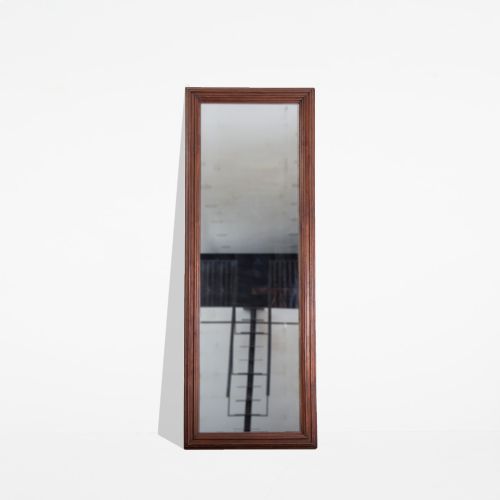
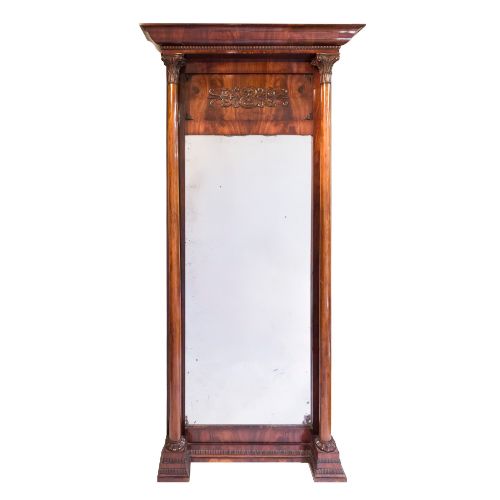
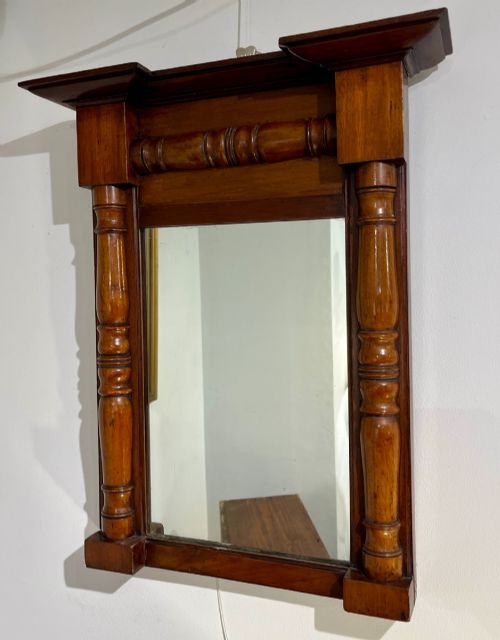
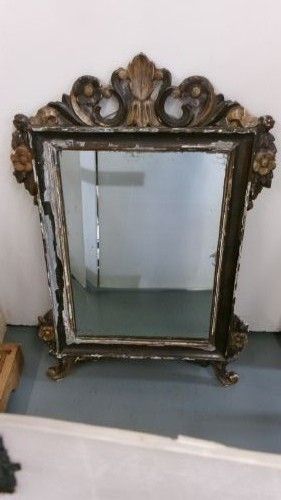


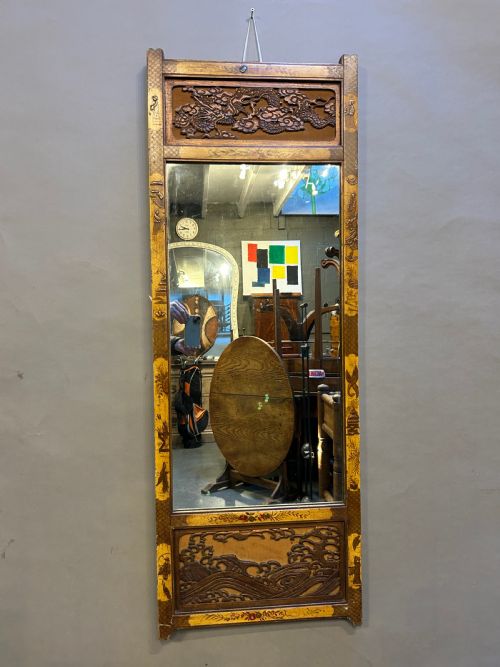


Brown Wood Pier Mirror
A brown wood pier mirror brings height and warmth to a room, hanging between windows or above low furniture.
Brown Wood Pier Mirror
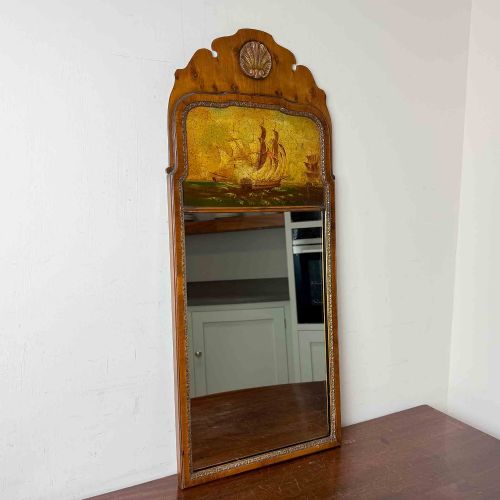
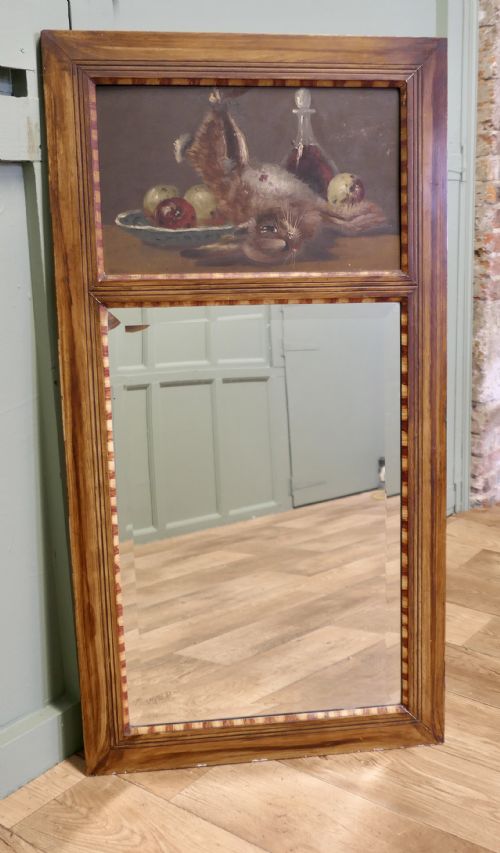
A brown wood pier mirror is a tall looking glass designed to hang on the narrow wall space between windows, reflecting daylight into darker corners of a room. When you search for a brown wood pier mirror, you encounter pieces spanning the Georgian, Victorian, and early twentieth-century periods, alongside later revivals.
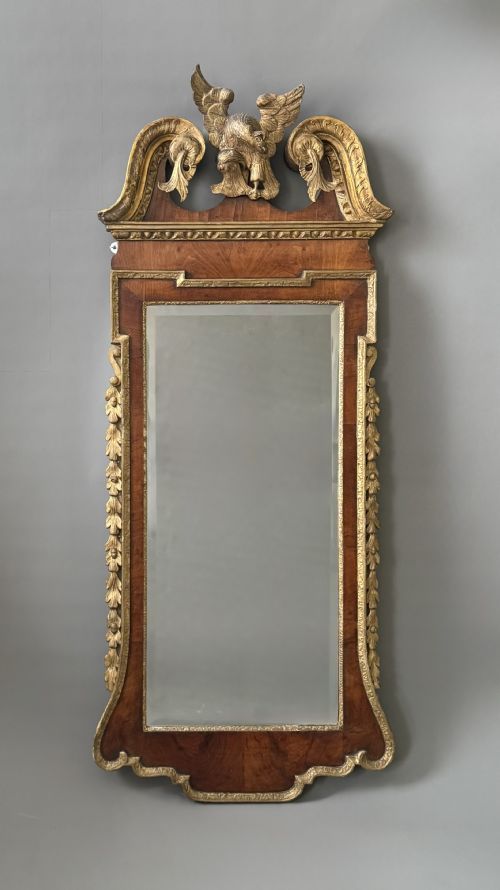
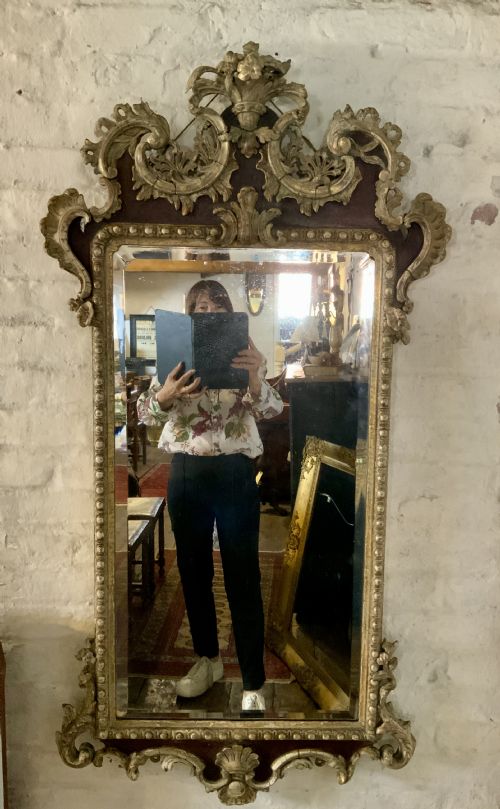
The versions most common on this page feature walnut and mahogany timbers, often with gilt details or parcel gilt accents. Makers built these mirrors to complement console tables, sideboards, or the architectural proportions of high-ceilinged period rooms.
Materials and construction
Craftsmen built these frames using dense hardwoods like walnut, burr walnut, and mahogany, sometimes adding gilt wood or parcel gilding to highlight carved motifs. Timber frames were constructed with meticulous joinery to support heavy mirror glass safely over time.
Mirrors from earlier centuries often retain original glass plates, such as mercury plate, which show subtle surface variations and soft reflections compared to modern float glass. Fretwork cutouts, carved classical details, and hand-applied finishes complete the construction.
Listings feature walnut, mahogany, and yew wood alongside giltwood accents across Georgian, Victorian, and revival periods.
Measures of quality
The distinction between standard examples and the finest pieces rests upon the choice of timber and the crispness of the carving. Highly figured burr walnut or richly grained mahogany indicate careful selection of materials by the cabinetmaker.
Originality of components elevates a piece considerably. Surviving original glass plates, untouched wood surfaces, and well-preserved gilding demonstrate that a mirror retains its authentic period character.
The Brown Wood Pier Mirror Glossary
- Pier mirror
- A tall wall mirror specifically scaled to hang on the narrow pier of wall between two windows.
- Parcel gilt
- Woodwork decorated with partial applications of gold leaf, usually highlighting carved mouldings or details against a walnut or mahogany ground.
- Burr walnut
- Timber taken from a walnut tree growth that produces swirling, highly decorative grain patterns prized in fine cabinetmaking.
- Mercury plate
- An older type of mirror glass made with a tin-mercury amalgam backing, producing a softer, deeper reflection than modern silvered glass.
- Fretwork
- Thin panels of wood cut with decorative openwork patterns, commonly found on the crests and borders of Georgian frames.
Brown Wood Pier Mirror: Frequently Asked Questions
Where should I hang a pier mirror?
These mirrors suit narrow wall spaces between windows or above low furniture like console tables and sideboards. Their vertical proportions draw the eye upward and brighten the room.
Ensure the wall construction can support the weight of a solid wood and glass frame, and hang it at a height that reflects natural light effectively.
How do I identify a Georgian mirror?
Georgian mirrors typically feature dense mahogany or walnut frames, often incorporating fretwork silhouettes, gilt decoration, or parcel gilt accents. Construction details on the reverse can also indicate age.
Later revival pieces made in the twentieth century often replicate these eighteenth-century styles using similar timbers and traditional joinery methods.
What is mercury glass?
Mercury glass refers to older mirror plates produced using a tin and mercury backing technique before modern chemical silvering processes were adopted. This creates a characteristic soft, mottled reflection.
Original plates with this finish are valued by collectors for the gentle depth they bring to antique mirrors.
How do I clean an antique wood frame?
Dust the wood gently with a soft, dry cloth and avoid using modern liquid polishes or silicone sprays that can damage historic finishes. Wax can be applied sparingly to nourish dry timber.
Keep the mirror away from direct sunlight and damp environments to protect both the wood frame and the glass plate.