

Vintage Decorative Mirror
These vintage decorative mirror pieces bring undeniable character to a room, offering the exact ornamentation and reflection collectors seek.
What vintage decorative mirror pieces are
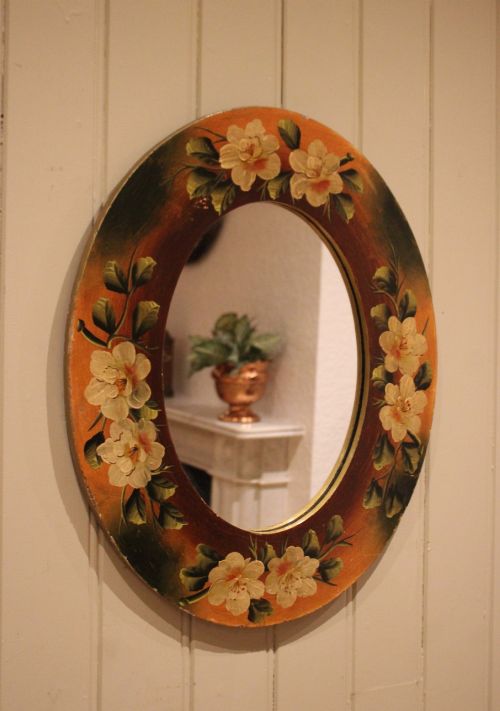
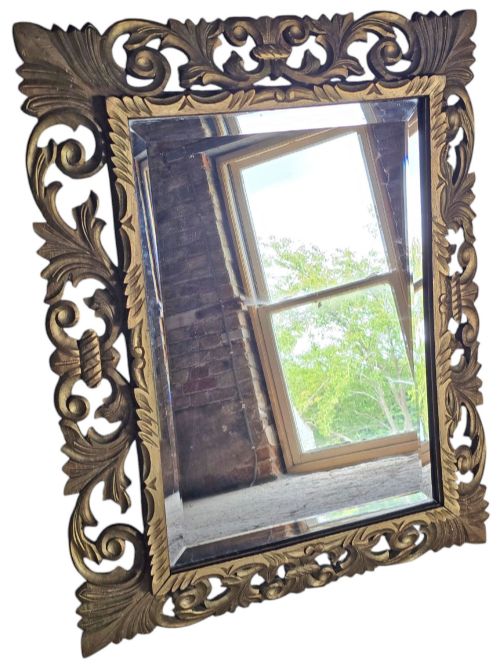
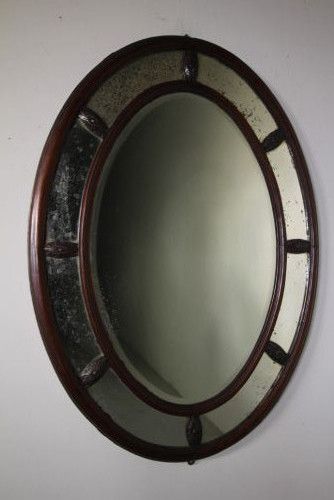
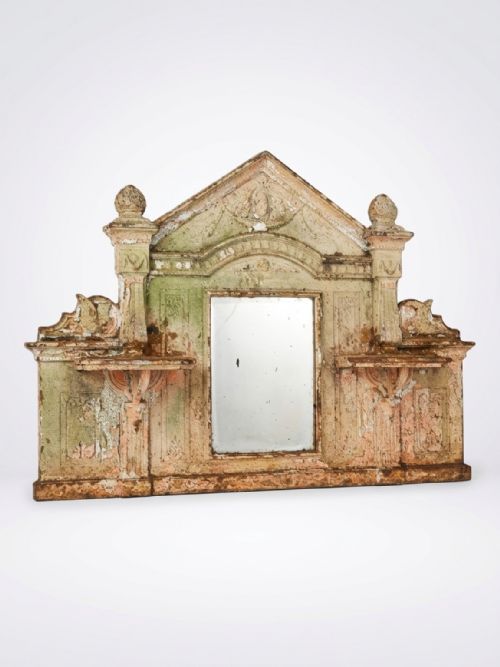
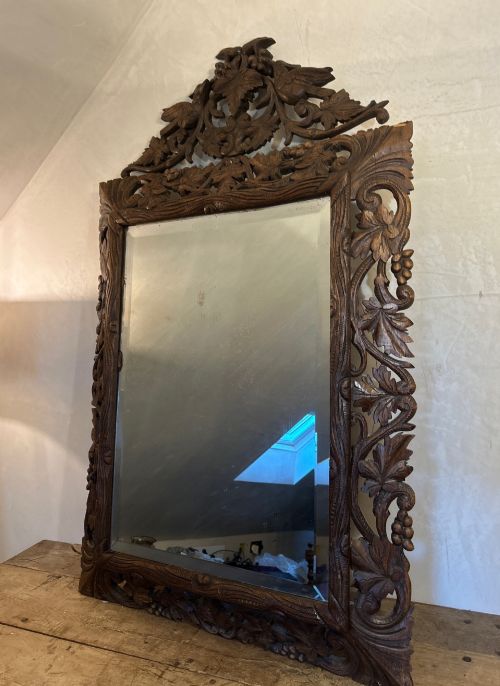
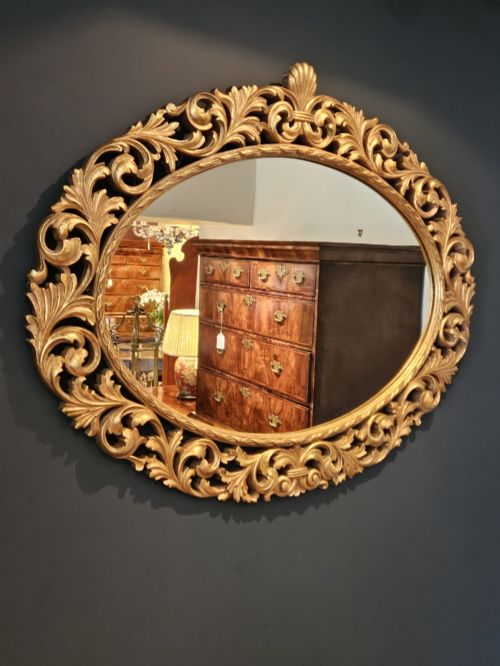
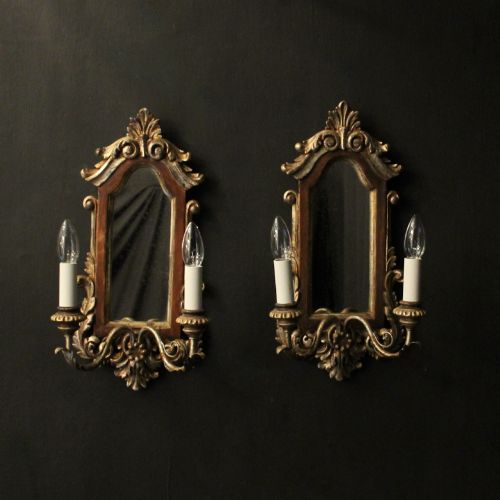
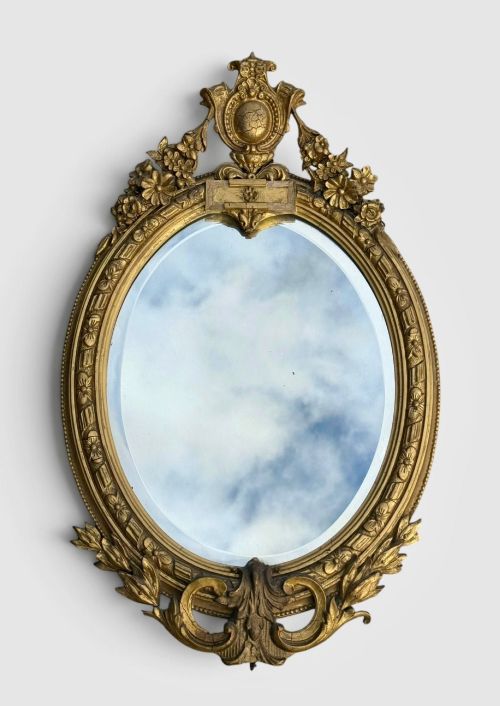
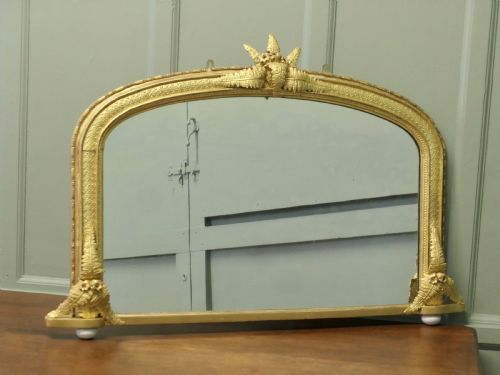
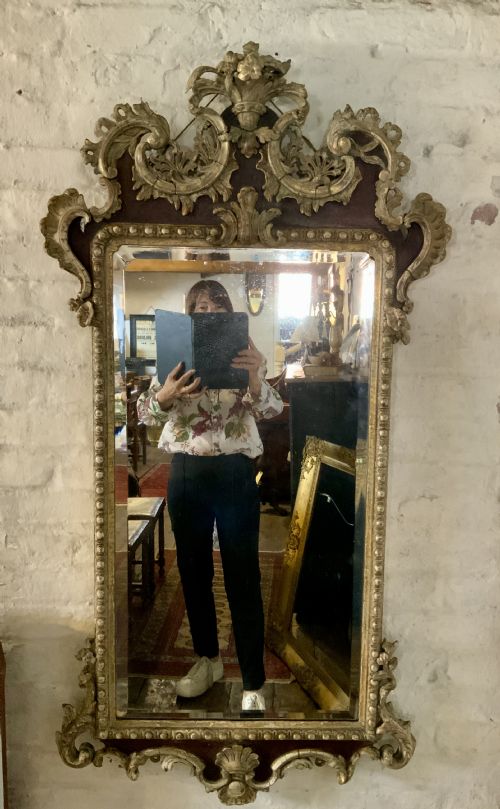
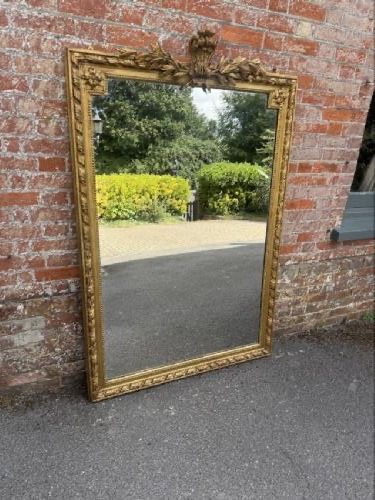
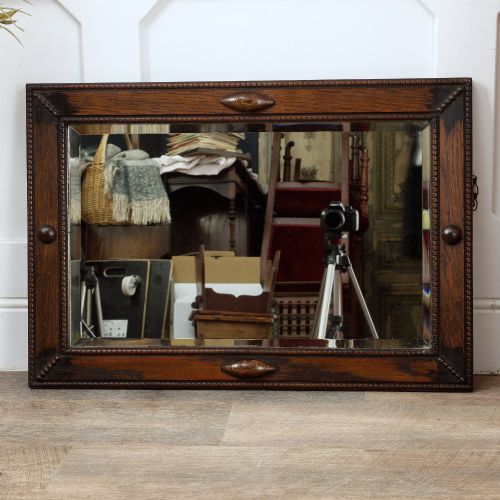
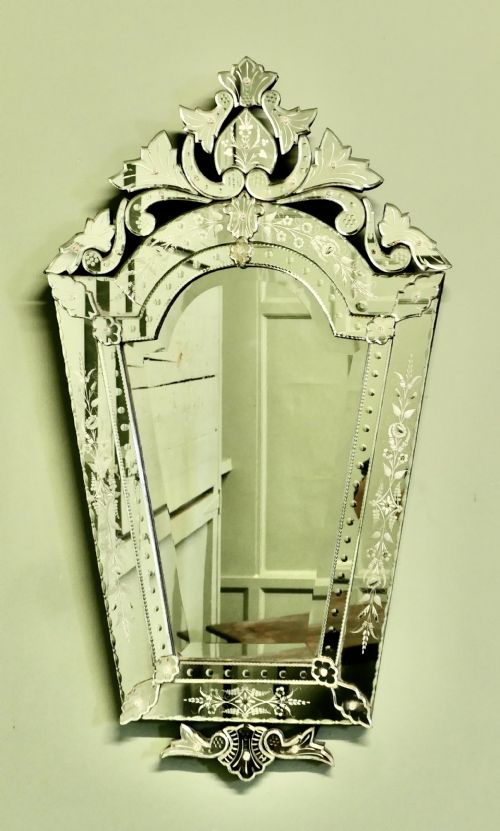
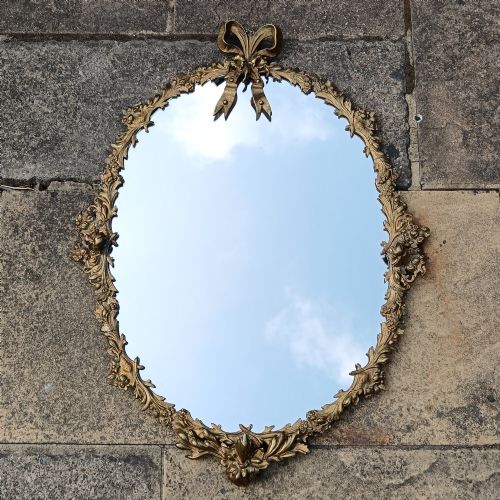
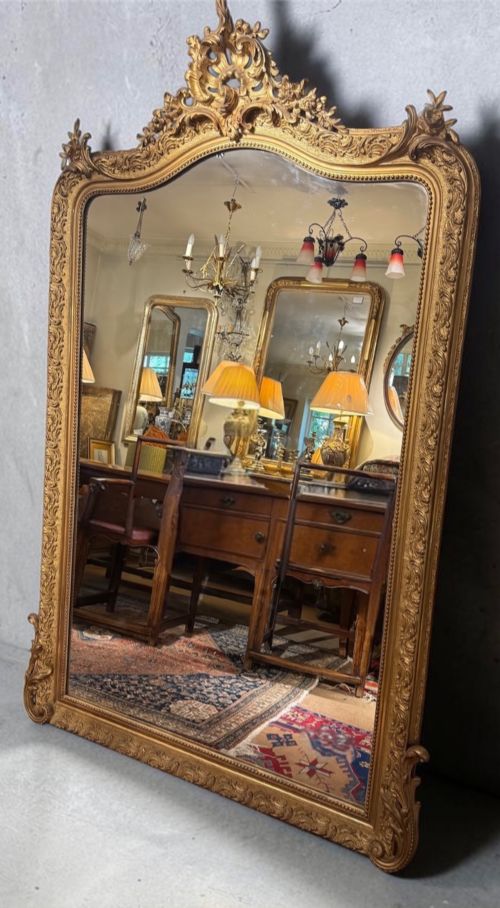
A vintage decorative mirror serves primarily as a wall mirror, shaped by Victorian, Edwardian, and nineteenth century influences. The examples appearing on this page span styles from Venetian and Italian Rococo to Rococo Revival and Adam Revival, alongside circular convex forms and hand mirrors.
Buyers encountering these items will meet pieces described as antique Victorian gilt gesso mirrors, large Venetian mirrors, and hand painted pier glass formats. The selection also includes continental gilt mirrors, Adam revival gilt and gesso mirrors, circular convex mirrors with cream frames, and guilloche enamel hand mirrors.
The assortment brings together diverse origins and periods, reaching from the eighteen-seventies through to the early twentieth century. Each object relies on its specific decorative frame and glass configuration to define its presence on the wall.
How they were made
Materials recorded in the evidence include gesso, glass, giltwood, wood, mirrored glass, mirror glass, and paint, combined with gold and black decorative detail or silver and blue guilloche enamel. Frames are constructed from wood and gesso, then finished with gilding or hand painted surfaces.
Techniques range from traditional giltwood carving and gesso moulding to hand painting and guilloche enamel work on metal hand mirrors. Convex glass is utilised for circular wall formats, whilst flat mirrored glass fills the rectangular and pier glass frames.
Retail Price Guide 2026
Typical UK retail prices for vintage decorative mirror, calculated from the Sellingantiques database of over a million retail prices indexed since 2003. This retail price guide relies exclusively on Sellingantiques data; no external sources or auction records are used, so the figures do not describe the wider market.
The listings combine Victorian, Edwardian, and nineteenth-century periods with materials like giltwood, gesso, and guilloche enamel.
What varies in quality
Quality rests upon the execution of the surface decoration, whether that is the crispness of the gilt gesso moulding or the precision of the hand painted details. Superior examples exhibit finely rendered ornament and well preserved gilding that retains its depth across the wooden substrate.
The sophistication of the frame style dictates distinction, moving from simpler painted circular frames to ornate Italian Rococo and Adam Revival carvings. The integrity of the original glass and the harmonious integration of frame materials further separate standard production from finer work.
The Vintage Decorative Mirror Glossary
- Gesso
- A plaster mixture applied to wood frames to create a smooth surface for gilding or moulding. It allows for intricate relief ornamentation.
- Pier glass
- A tall mirror designed to hang on the wall between windows, often placed above a pier table. The evidence records an Italian hand painted example.
- Guilloche
- An intricate decorative engraving technique producing repetitive overlapping circular patterns. It appears here in enamel on hand mirrors.
- Convex glass
- Curved glass that projects outward to provide a wide, distorted panoramic reflection. It is characteristic of circular wall mirrors from the early twentieth century.
Frequently Asked Questions
What rooms suit a Venetian mirror?
Venetian mirrors bring light and a sense of space into reception rooms, hallways, and bedrooms. Their reflective border work complements both traditional and contemporary interior schemes.
Placing them opposite a light source maximises illumination within smaller or darker spaces. The decorative glass elements act as a focal point without needing heavy wooden framing.
How do I clean antique mirror glass?
Cleaning requires a soft microfiber cloth and a mild, non-ammonia glass cleaner applied sparingly to the cloth rather than directly to the glass. This prevents moisture from seeping behind the plate or damaging the surrounding frame.
Avoid harsh scrubbing, particularly around the edges where silvering may have degraded over time. Preserving the aged patina of the glass is part of maintaining the character of the piece.
Can I place these mirrors in a bathroom?
High humidity and fluctuating temperatures in bathrooms can damage gesso, giltwood, and exposed wood frames. Moisture accelerates the deterioration of original mirror silvering and causes paint to lift.
Dry living areas, hallways, and drawing rooms provide a stable environment that preserves the materials. Keeping them away from direct steam ensures the frame and glass remain intact.
How do I distinguish Adam Revival from Rococo Revival?
Adam Revival pieces draw on neoclassical symmetry, featuring straight lines, restrained classical motifs, and balanced proportions. They reflect eighteenth-century classical ideals revived during the Victorian era.
In contrast, Rococo Revival embraces asymmetry, flowing curves, and exuberant naturalistic ornamentation like C-scrolls and foliage. Examining the frame profile reveals these distinct stylistic intentions.