


Continental Gilt Mirror
A continental gilt mirror brings warmth and reflective depth to a room through centuries-old craftsmanship and ornate gilding.
Continental Gilt Mirror
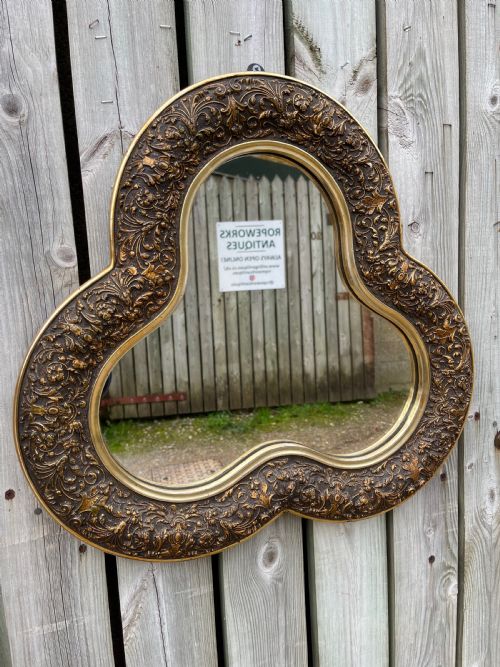
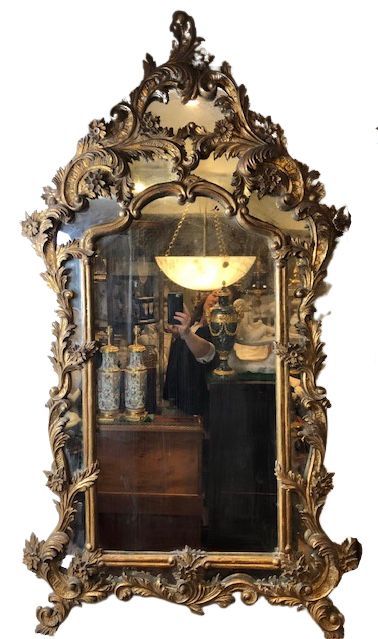
A continental gilt mirror encompasses decorative wall glasses and dressing table pieces originating from European workshops, spanning the eighteenth and nineteenth centuries. These items appear in forms such as cartouche shapes, pier glasses, and overmantle designs, showcasing the enduring influence of Italian Rococo and Baroque styles. Buyers searching for a continental gilt mirror often encounter carved giltwood frameworks alongside painted wooden surfaces.
The selection ranges from early eighteenth-century Italian originals to later nineteenth-century revivals and early twentieth-century interpretations. Wall mirrors dominate the offerings, frequently featuring elaborate ornamentation that reflects the decorative tastes of their respective periods. Each piece demonstrates the distinctive regional interpretations found across European mirror-making traditions.
How they were made
Maker workshops constructed these frames primarily from wood, applying layers of gesso to prepare the surface for gilding. Artisans then applied gold leaf to create the luminous metallic finish characteristic of these mirrors. Paint was frequently combined with gilt surfaces, particularly on Italian pieces from the eighteenth century.
Glass plates were set within these ornate structures, ranging from traditional mirror glass to smaller easel-backed porcelain supports. Carving techniques varied from restrained architectural mouldings to exuberant Rococo scrolls and cartouche outlines. The physical construction combined structural woodwork with delicate surface decoration.
Materials recorded across the inventory include glass, giltwood, gesso, mirror glass, gold leaf, wood, paint, and porcelain.
What varies in quality
The depth and intricacy of the wood carving distinguish different tiers of manufacture, with hand-carved giltwood demonstrating superior sculptural definition compared to simpler moulded decoration. The quality of the gesso application and the purity of the gold leaf affect how the surface catches the light over time. Original glass panels with authentic foxing retain a different visual character than replacement mirror glass.
Stylistic cohesion also defines the standard of a piece, where regional Italian Baroque or Rococo Revival proportions appear fully resolved and balanced. The integration of painted details with the gilded elements requires precise craftsmanship to achieve a harmonious overall effect. Surviving structural integrity in the wooden frames and backboards indicates the initial grade of materials utilised.
The Continental Gilt Mirror Glossary
- Giltwood
- Wood that has been coated with gold leaf or a gold-coloured finish. This material forms the primary structure of many ornate antique frames.
- Gesso
- A plaster-like mixture applied to wood surfaces to create a smooth base for gilding. It allows artisans to carve intricate details before applying gold leaf.
- Cartouche
- An ornamental frame resembling a scroll or a sheet of paper with rolled edges. This form frequently dictates the distinctive outline of eighteenth-century Italian mirror plates.
- Pier glass
- A tall mirror designed to be hung on the pier, the section of wall between two windows. These pieces often match console tables and amplify light in formal rooms.
Continental Gilt Mirror: Frequently Asked Questions
Where should I place a continental gilt mirror?
Placing a mirror opposite a window maximises natural light distribution and opens up smaller living spaces. Hallways and overmantle locations benefit from the reflective depth and decorative presence of ornate frames.
Keep mirrors away from direct, prolonged exposure to harsh sunlight and excessive moisture to protect the delicate gold leaf and gesso surfaces. Stable indoor environments preserve both the wooden structure and the silvering on the glass.
How do I clean antique giltwood and mirror glass?
Dust giltwood frames gently with a soft, dry brush to prevent abrasive particles from damaging the delicate gold leaf surface. Avoid chemical sprays, liquid cleaners, and water on the gilded areas, as moisture lifts the gesso and leaf.
Clean the mirror glass sparingly using a soft cloth dampened slightly with distilled water or a mild glass cleaner, taking care not to let liquid seep behind the frame edges. Wipe the surface gently to avoid disturbing original or aged mirror plates.
How can I tell an eighteenth-century mirror from a nineteenth-century revival?
Eighteenth-century mirrors typically exhibit hand-carved wooden details, heavier gesso layers, and distinct signs of age in the construction joints and backboards. Revival pieces from the nineteenth century often incorporate machine tooling or different timber choices beneath the gilding.
Examine the mirror glass itself, as older plates frequently display subtle distortions, hand-bevelling variations, or natural oxidation patterns known as foxing. Stylistic proportions in original Rococo or Baroque pieces also reflect the specific design vernacular of their era.