






Rocaille Wall Mirror
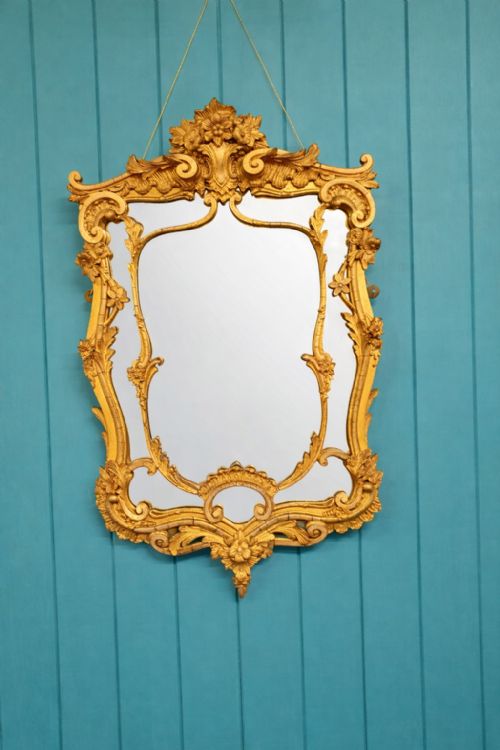
A rocaille wall mirror brings sculptural asymmetry and organic curves to a room, offering the exuberant ornamentation typical of eighteenth-century design.
Rocaille Wall Mirror
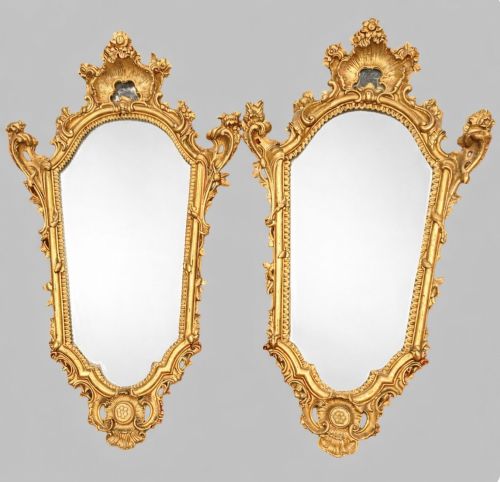
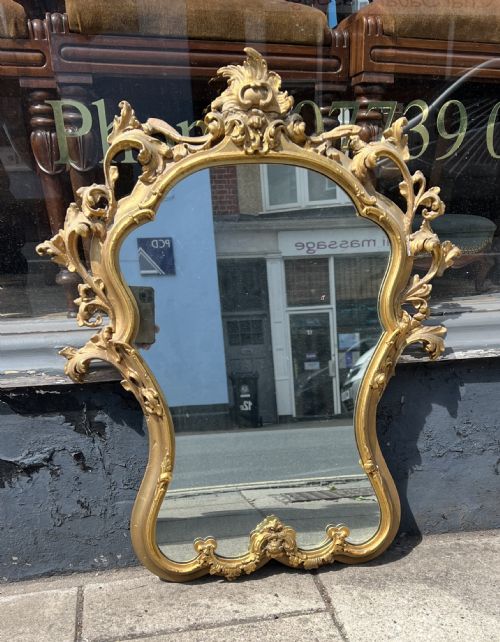
A rocaille wall mirror takes many forms, ranging from eighteenth-century Italian and carved giltwood originals to later nineteenth-century French revivals and twentieth-century interpretations. These looking glasses frequently employ cartouche shapes and irregular, flowing lines modelled on shell and scroll motifs.
The buyer meets pieces spanning the Victorian era, the year eighteen seventy, and nineteen hundred, reflecting both antique craftsmanship and later revival periods. Most examples emerge from French and Italian traditions, utilising wall mirror formats designed to dominate a mantelpiece or principal wall.
Materials and construction
Makers shaped these frames from carved wood, gesso, and giltwood, applying gold leaf or silver gilt finishes over intricate wooden armatures. The primary materials combine traditional timber construction with moulded gesso layers to build up deep, asymmetric relief scrolls.
Listings feature periods spanning the eighteenth century, nineteenth century, nineteen hundred, and nineteen twenty, alongside Victorian interpretations.
Assessing quality
Depth of carving and sharpness of detail separate the finest examples from simpler decorative pieces. Crisp execution in the gesso and wood reveals the hand of a skilled artisan rather than a mechanical mould.
The richness of the gilding and the integrity of the original surfaces dictate the visual impact of the frame. Genuine age shows in the subtle wear of the gold leaf and the gentle distortion within antique mirror glass plates.
The Rocaille Wall Mirror Glossary
- Rocaille
- An ornamental style of decoration based on shell-work and pebble-work, popular during the eighteenth century. It forms the foundation of the asymmetrical scrolls seen on these frames.
- Cartouche
- An oval or oblong frame with ornamental scrolls, often used to enclose a mirror plate. This shape defines several eighteenth-century Italian examples.
- Giltwood
- Timber coated with gold leaf or gold paint to simulate solid gold. It provides the brilliant reflective surface characteristic of these mirrors.
- Gesso
- A plaster mix applied to wood surfaces and carved before gilding. This material allows for crisp, sculptural details in the frame ornamentation.
- Louis XV Manner
- A decorative style associated with the French court, featuring extravagant asymmetry and organic curves. Many nineteenth-century revival pieces emulate this exact aesthetic.
Rocaille Wall Mirror: Frequently Asked Questions
Where should I hang a rocaille wall mirror?
These pieces suit principal reception rooms, hallways, or above a fireplace mantel where their ornate frames can command attention. Their reflective properties help bounce light around darker corners of a traditional interior.
Ensure the wall fixings match the substantial weight of carved wood and gesso frames. Professional mirror brackets provide the necessary security for heavier antique pieces.
How do I date a rocaille wall mirror?
Dating relies on examining the construction methods of the timber frame, the composition of the gesso, and the characteristics of the mirror glass. Eighteenth-century pieces display hand-carving nuances, whereas revival pieces from eighteen seventy or nineteen hundred often utilise more uniform moulding techniques.
Backboards, fixings, and the chemical ageing of the silvering behind the glass offer further clues to the manufacturing era. Comparing stylistic details against established French and Italian design periods helps narrow down the decade.
What is the difference between original eighteenth-century and revival mirrors?
Original eighteenth-century pieces display the specific tool marks, patination, and wear consistent with centuries of use and early manufacturing techniques. Revival pieces from the nineteenth and twentieth centuries emulate these historical forms with distinct structural characteristics of their own period.
Both categories offer high craftsmanship, but eighteenth-century examples carry the rarity of age. Nineteenth-century interpretations often feature bolder proportions and heavier gesso work.
How do I clean and care for giltwood frames?
Dust the intricate carved surfaces gently with a soft, dry brush to prevent dirt accumulation in the recesses of the gesso. Avoid chemical cleaners or moisture, which can damage delicate gold leaf and historical finishes.
Keep the mirror away from direct sunlight and fluctuating humidity to protect the wooden substrate and prevent the gesso from cracking. Gentle handling preserves the original patination for future years.