





Vintage Gold Accent Mirror
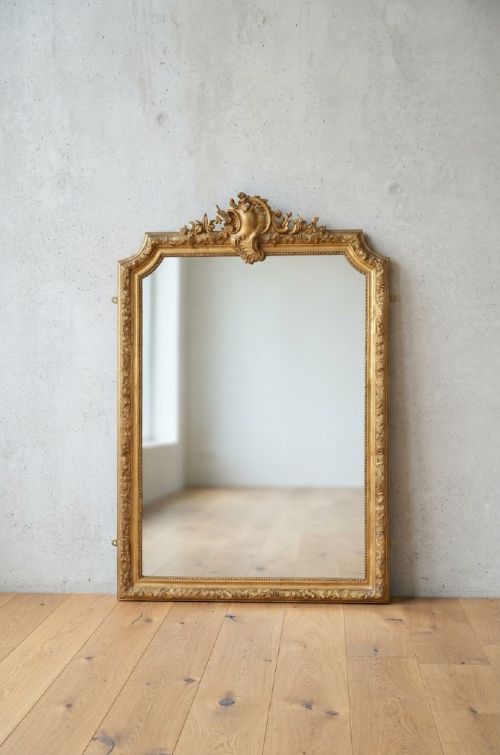
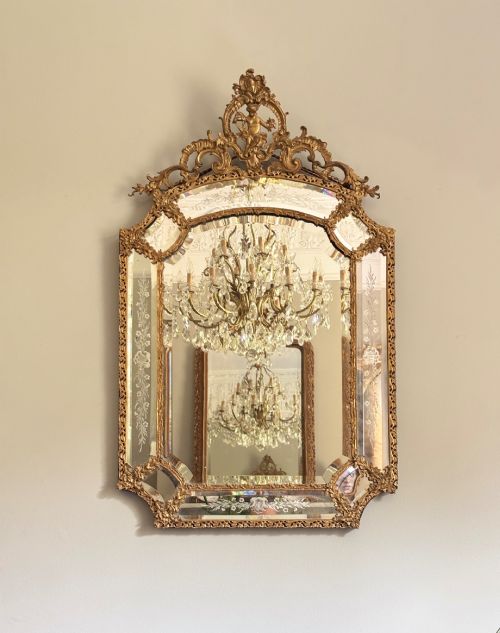
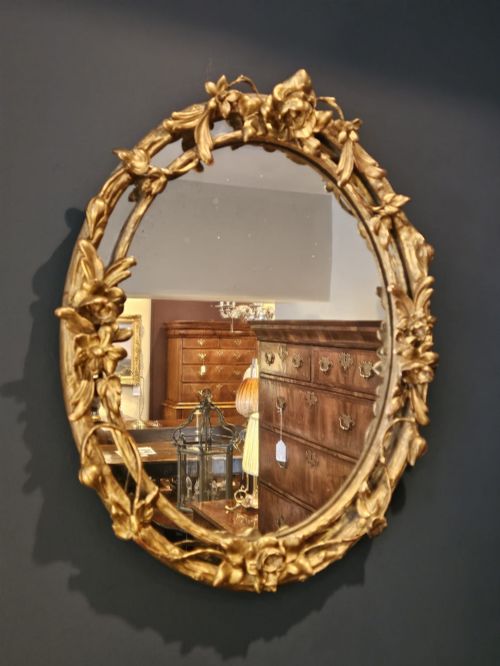
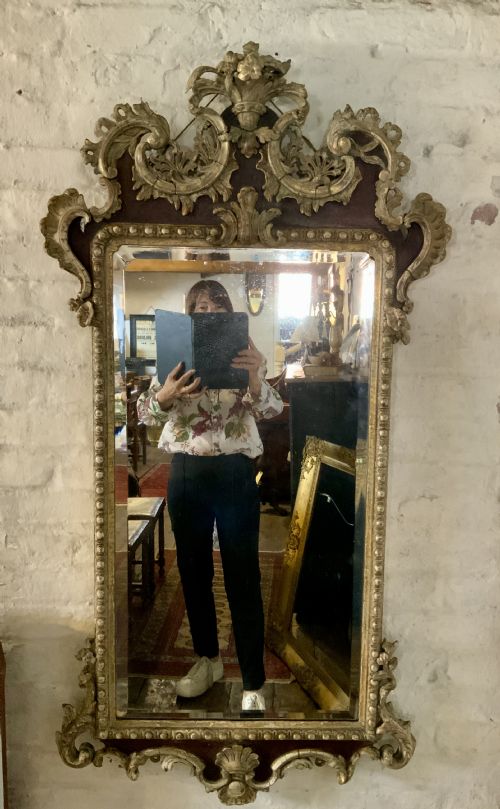
These vintage gold accent mirror pieces bring warmth and reflected light to a room through carved giltwood, gesso and elaborate frames.
Vintage Gold Accent Mirror
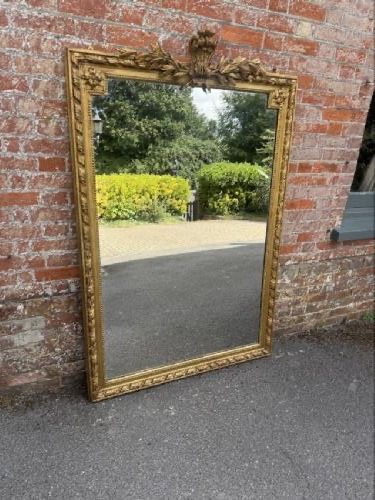
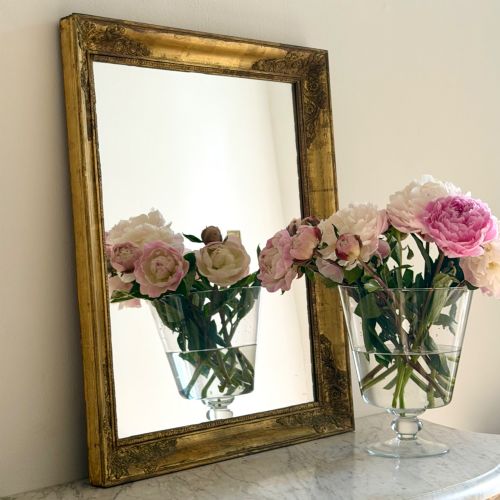
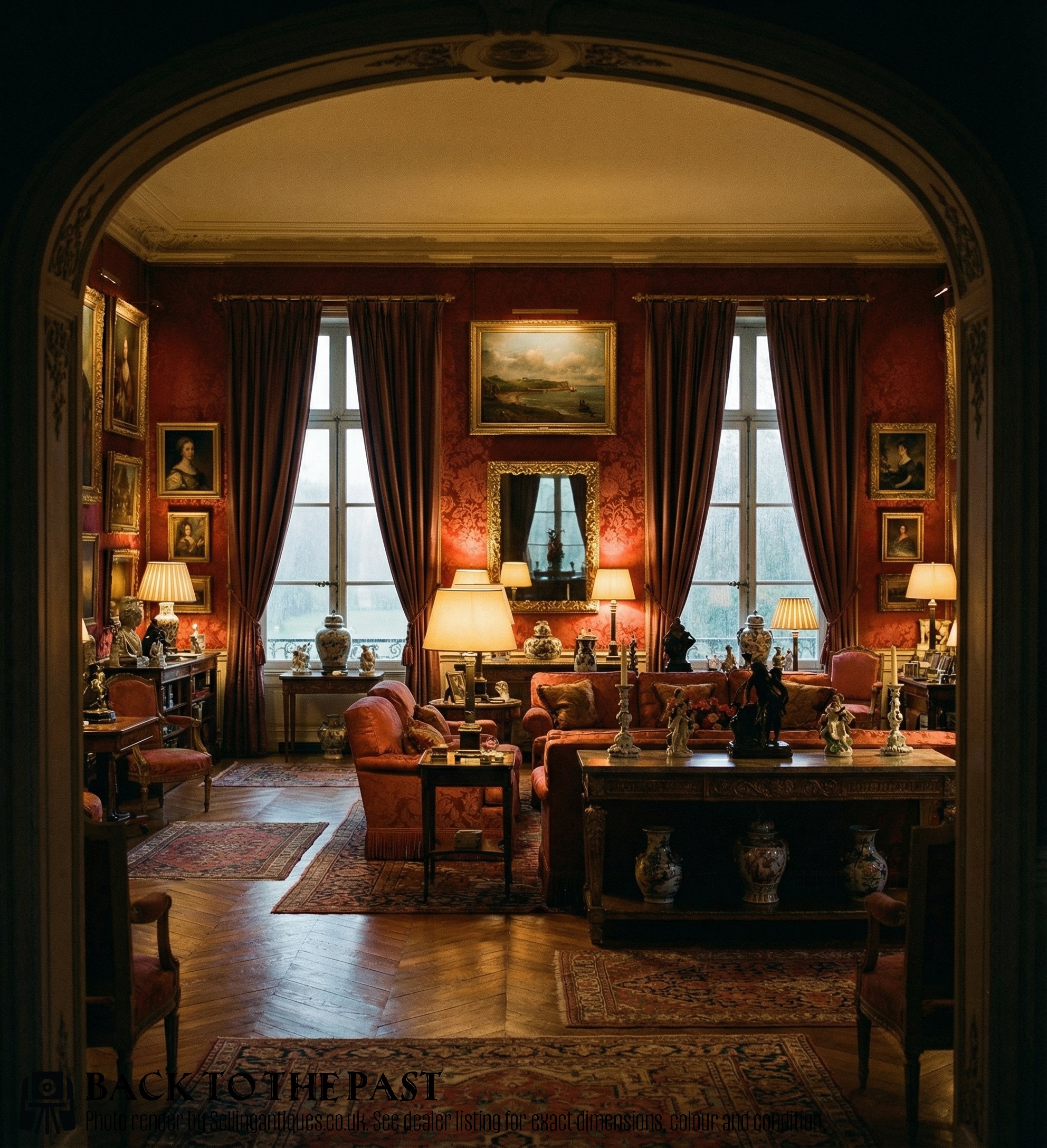
When searching for a vintage gold accent mirror, you encounter wall mirrors, overmantel mirrors and pier glasses spanning the eighteenth to the twentieth centuries. The selection leans heavily towards nineteenth-century examples drawing upon French Rococo Revival, Italian Baroque and Regency styles.
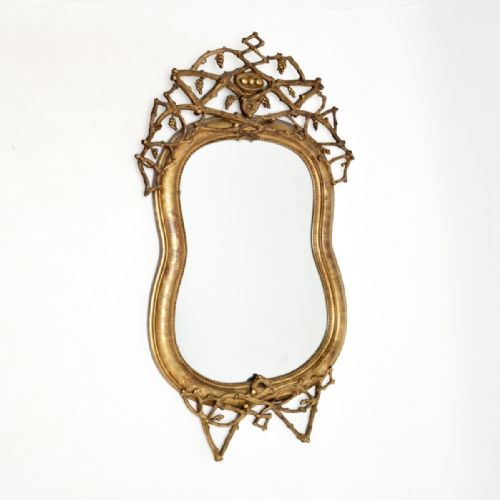
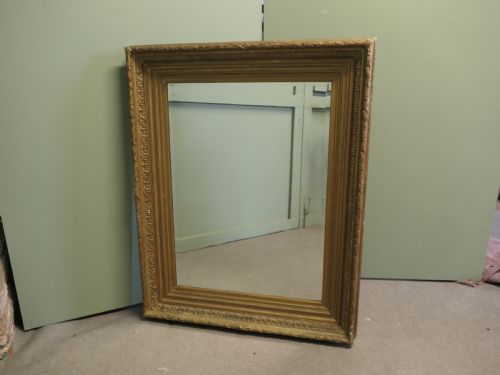
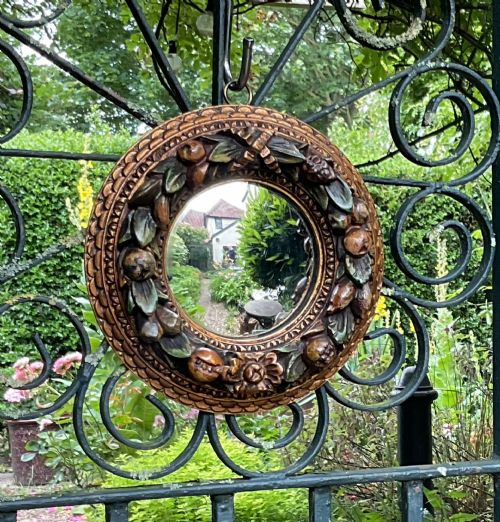
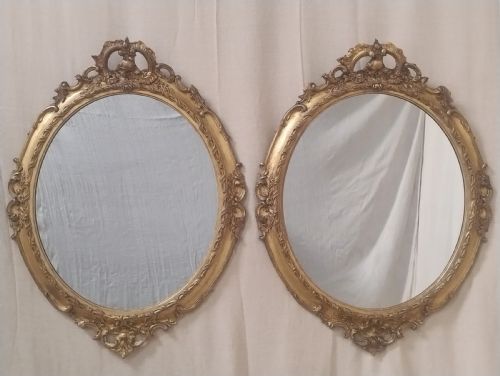
Most items on this page use giltwood, carved wood or gesso over wooden frames to achieve their golden finish. Forms range from large ornate wall fixtures and cartouche shapes to compact convex mirrors and pairs of oval wall mirrors.
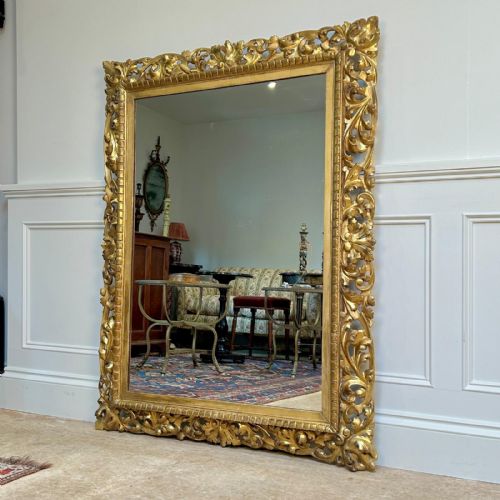
Origins stretch across Britain, France and Italy, with Italian Florentine carved frames and French Louis styles dominating the visual landscape. Buyers find both grand overmantel centerpieces and smaller decorative wall accents reflecting historical revivals.
Materials and construction
Giltwood and gesso applied over carved timber form the primary structural and decorative foundation for these gold accent mirrors. Artisans carved intricate foliate crests, vine motifs and rope twists directly into wood before applying gold leaf or gilding.
Mirror plates consist of traditional glass, occasionally featuring engraved plates or convex curvature to distort and project light across an interior space. Brass and lacquered metal frames also appear alongside wooden structures in select nineteenth-century pieces.
Vintage Gold Accent Mirror Retail Price Guide 2026
Typical asking prices for vintage gold accent mirror among the pieces listed under this phrase on Sellingantiques today, from the lower quarter to the upper quarter. They describe what is for sale here now, not the wider market.
Listings feature items from the eighteenth, nineteenth and twentieth centuries, utilising giltwood, brass, gesso and carved wood.
Evaluating craftsmanship and condition
Depth and precision in hand-carved wood separate superior gilt mirrors from simpler moulded gesso alternatives. The crispness of foliate cresting and the finesse of the underlying wooden substrate dictate the overall refinement of the object.
The integrity of the original gilding and the clarity of the antique mirror plate determine the historical weight of the piece. Subtle signs of age in the silvering of the glass and the preservation of layered gold leaf indicate genuine period character.
The Vintage Gold Accent Mirror Glossary
- Giltwood
- Timber coated with gold leaf or metallic powder applied over a prepared gesso ground. This technique creates the luminous surface seen on traditional antique frames.
- Gesso
- A plaster-like mixture applied to wood frames to create a smooth surface for carving and gilding. It allows for crisp relief details in ornamental mouldings.
- Overmantel mirror
- A large horizontal mirror designed specifically to hang above a fireplace mantel. These pieces often anchor the decorative scheme of a period room.
- Convex mirror
- A round glass mirror with an outward curve that provides a wide-angle reflection of the interior. They often sit inside circular frames adorned with rope twist or ball details.
- Cartouche
- An ornamental frame resembling a scroll or paper sheet with rolled edges, frequently used in Rococo mirror designs. It adds asymmetrical movement to the wall piece.
Vintage Gold Accent Mirror: Frequently Asked Questions
Where should I hang a heavy gilt mirror?
Hang these substantial frames on load-bearing walls using fixings appropriate for the weight of the wood and glass. Overmantel positions above fireplaces remain the traditional location.
Ensure the wall anchors secure directly into studs or masonry to support heavy nineteenth-century frames safely.
How do I clean an antique gold mirror?
Dust the carved frame gently with a dry, soft brush to protect fragile giltwood and gesso surfaces. Avoid commercial cleaning sprays on the gold leaf.
Clean the glass plate sparingly with a slightly damp cloth, taking care to prevent moisture from seeping behind the antique mirror edges.
What is the difference between Rococo and Regency styles?
Rococo Revival pieces feature asymmetrical curves, elaborate foliate scrollwork and exuberant organic motifs. They emphasise theatrical, flowing movement across the frame.
Regency mirrors lean towards classical symmetry, often incorporating circular convex forms, reeded columns and gilded eagle crests.
Can I place a gold accent mirror in a modern room?
These mirrors provide a strong focal point that contrasts sharply against minimalist contemporary interiors. The reflective glass and warm metallic tones add immediate depth to plain walls.
Mixing historical giltwood with clean architectural lines creates a balanced, layered aesthetic in modern living spaces.