
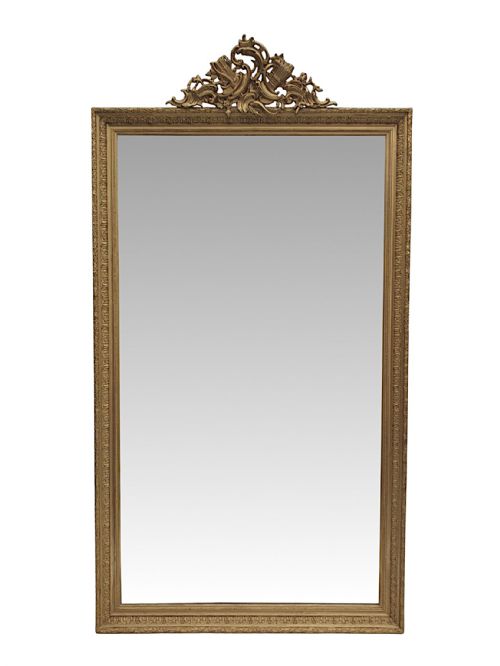
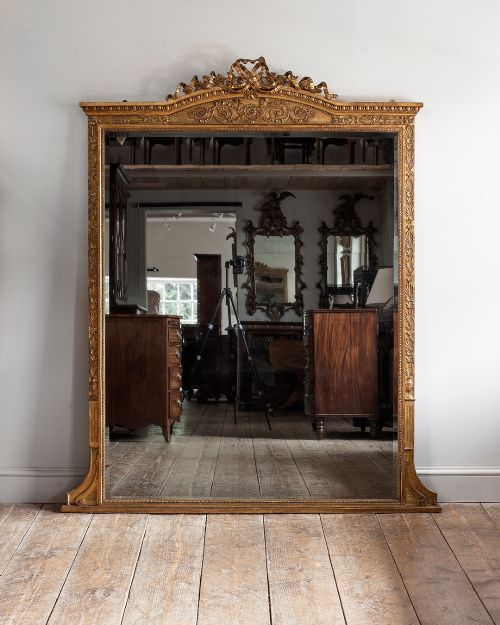
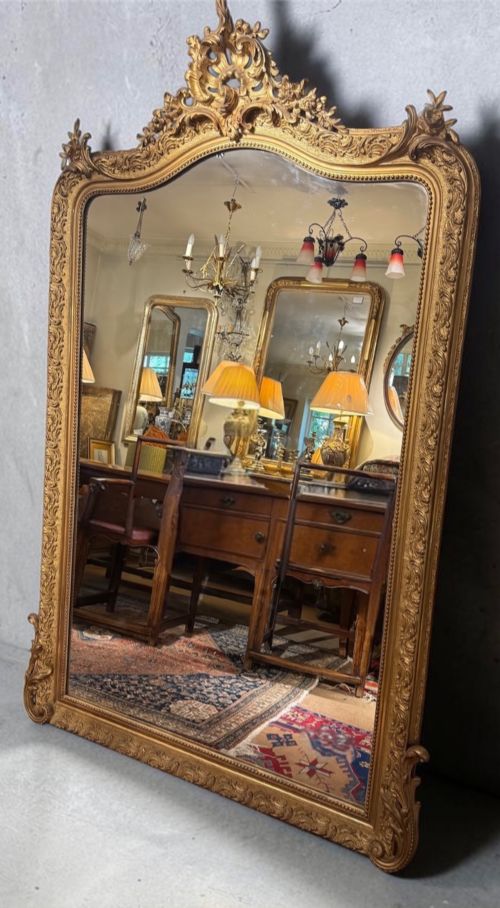
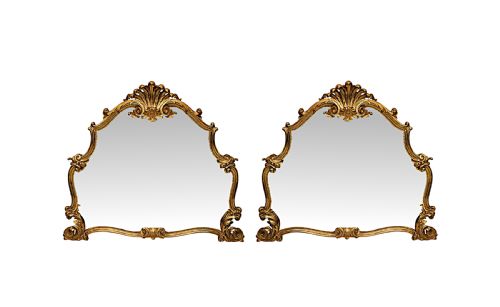



Ornate Gold Mantle Mirror
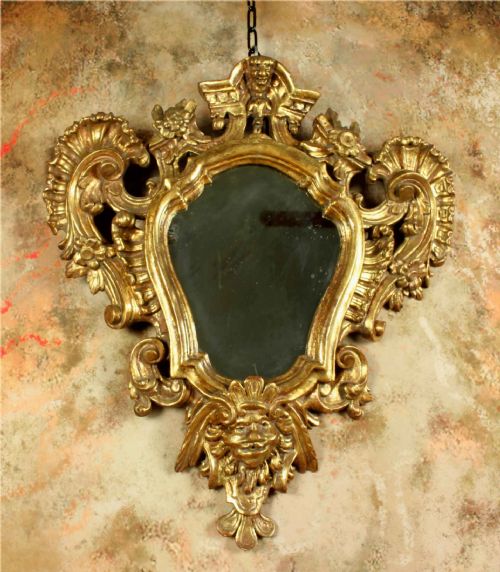
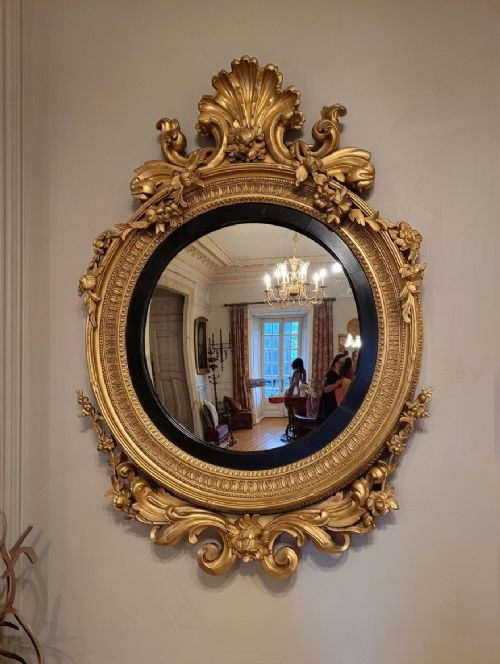
An ornate gold mantle mirror brings grandeur to a room, reflecting light through heavily embellished frames shaped by centuries of craftsmanship.
Ornate Gold Mantle Mirror
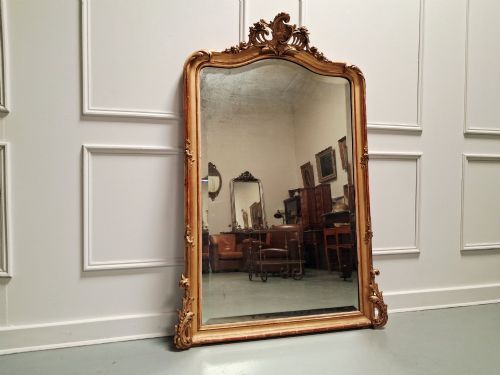
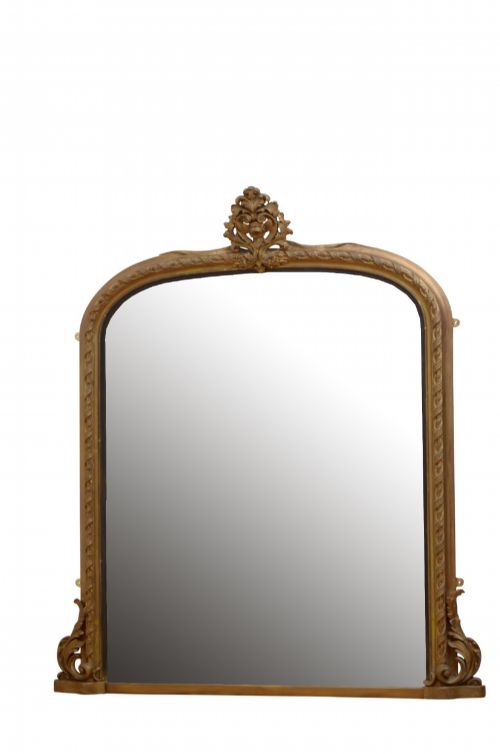
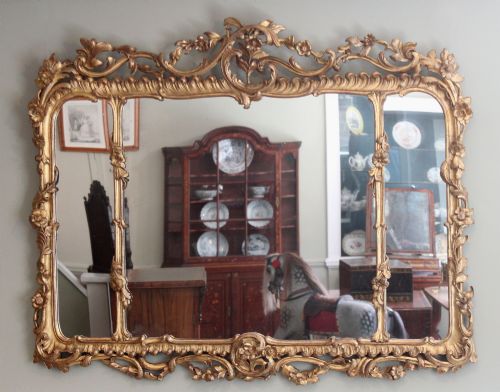
An ornate gold mantle mirror is a substantial wall piece designed to sit above a fireplace, frequently encountered in nineteenth-century and Victorian iterations across this selection.
Buyers search for this phrase to secure large overmantel or wall formats defined by arched tops, rectangular proportions, or oval configurations.
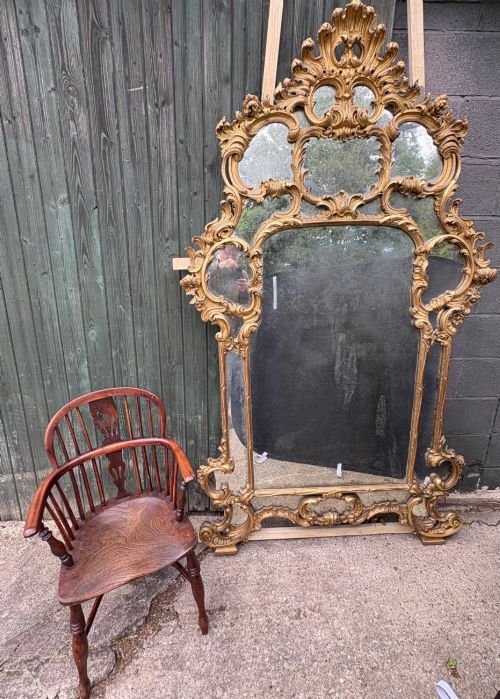
The objects stem from English, French, and Italian workshops, channelling rococo revival and regency aesthetics into prominent domestic interiors.
How they were made
Carved wood provides the structural core for many examples, forming the intricate scrolls and motifs that define the ornate silhouette.
Gesso and composition layers are applied over the wooden substrate to build up crisp relief detail before the application of gold leaf or surface gilding.
Ornate Gold Mantle Mirror Retail Price Guide 2026
Typical asking prices for ornate gold mantle mirror among the pieces listed under this phrase on Sellingantiques today, from the lower quarter to the upper quarter. They describe what is for sale here now, not the wider market.
Listings span the eighteenth to the twentieth centuries, featuring wood, gesso, and glass.
What varies in quality
The depth and precision of the carved wood and moulded gesso dictate the sharpness of the ornamentation, distinguishing hand-worked relief from simpler cast decoration.
The warmth and integrity of the original gold leaf surface play a primary role, alongside the clarity and preservation of the historic glass panel.
The Ornate Gold Mantle Mirror Glossary
- Overmantel mirror
- A large mirror specifically proportioned to hang on the wall directly above a mantelpiece or fireplace. These pieces often feature wide horizontal or arched frames.
- Gesso
- A plaster-like mixture applied to wood frames to create a smooth surface for carving or moulding details. It accepts gilding exceptionally well.
- Giltwood
- Timber that has been coated with gold leaf or a gold-coloured finish. It forms the lustrous surface characteristic of these antique frames.
- Rococo Revival
- A nineteenth-century design movement mimicking the ornate, asymmetric scrolls and naturalistic motifs of the eighteenth century. It dominates many Victorian mirror frames.
Ornate Gold Mantle Mirror: Frequently Asked Questions
Where should an overmantel mirror hang?
These mirrors traditionally anchor the space directly above a fireplace mantel, where their generous proportions reflect interior light and furnish the wall.
They also function effectively as leaner mirrors against principal room walls, provided the substantial timber and glass weight is secured safely.
How do I identify a nineteenth-century frame?
Nineteenth-century frames typically exhibit heavy carved wood or gesso construction over pine bases, often styled in Victorian rococo revival or Louis Philippe aesthetics.
Look for traditional joinery at the corners and patination on the gold leaf that indicates genuine age.
What is the difference between gesso and carved wood?
Carved wood involves shaping the actual timber substrate into floral or scroll motifs using chisels and gouges.
Gesso is a prepared paste moulded or built up over the wood to capture finer, repetitive ornamental details before gilding.
How do I clean an antique gold mirror?
Dust the ornate frame gently with a soft, dry brush to protect the delicate gold leaf or gilt surface from abrasion.
Apply glass cleaner sparingly to a cloth rather than directly to the mirror to prevent moisture seeping behind the historic silvering.