



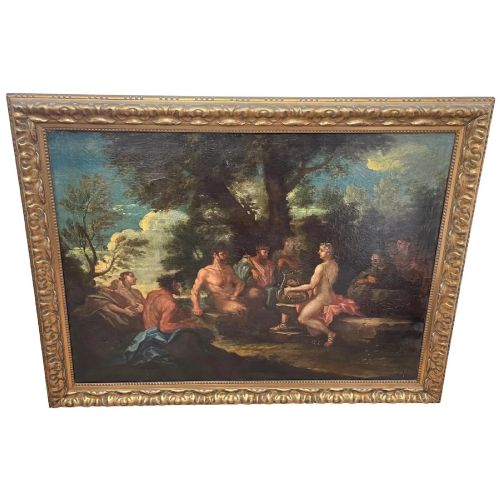
Italian Painted Frame
An italian painted frame brings centuries of continental artistry and rich colour into a room, framing canvases and mirrors with distinct hand-finished character.
Italian Painted Frame
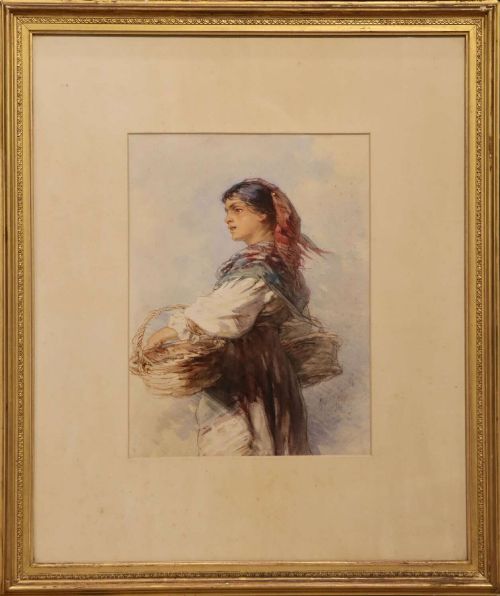
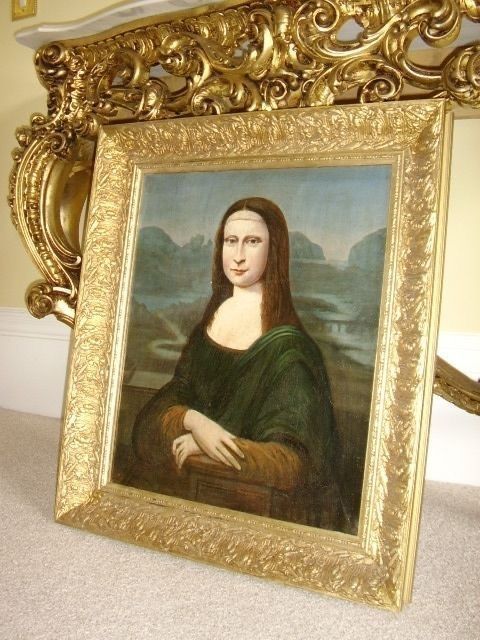
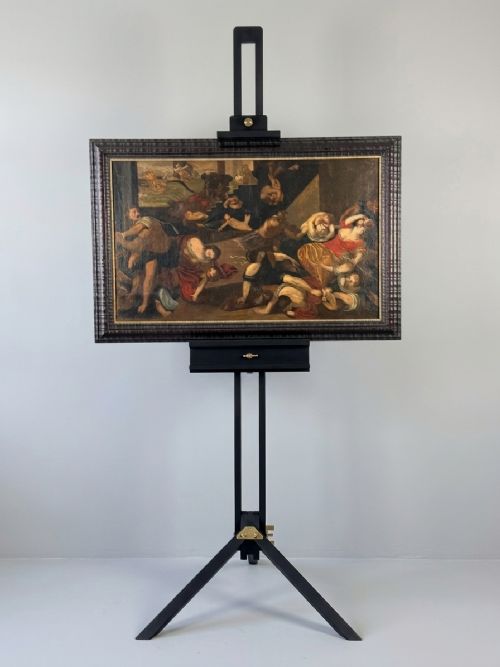
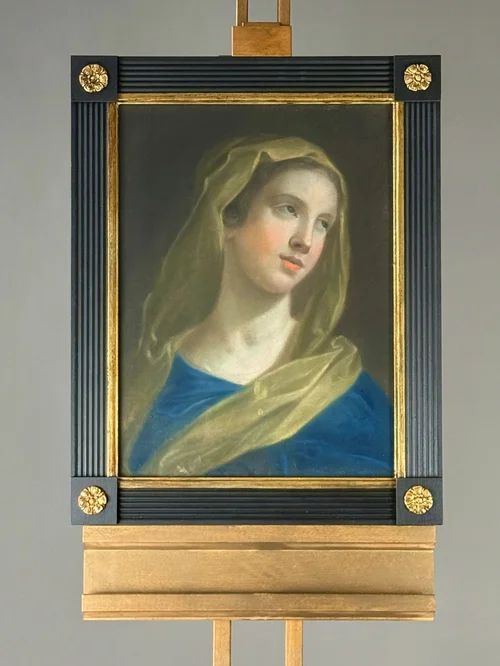
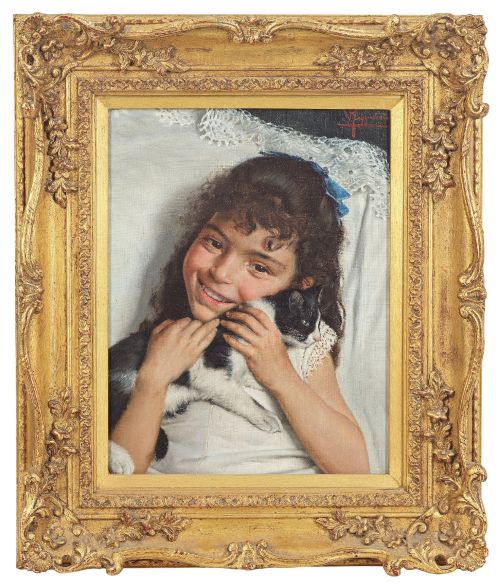
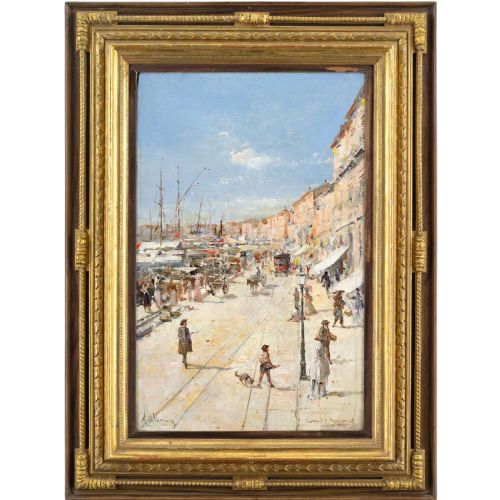
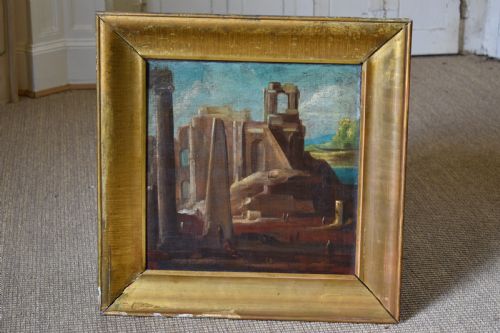
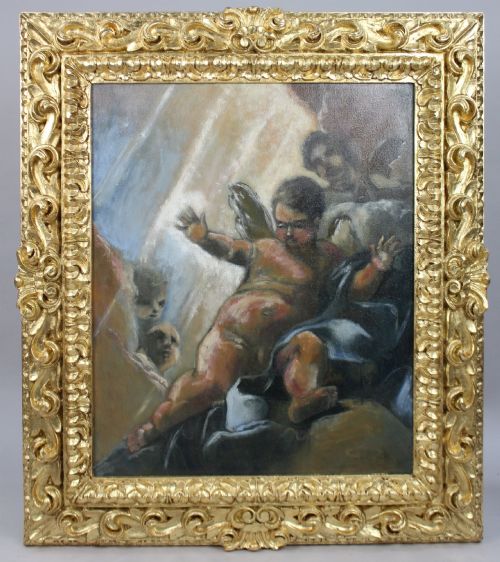
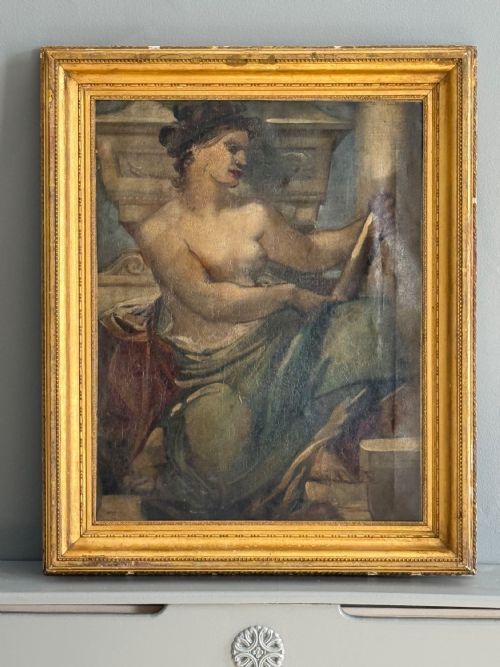
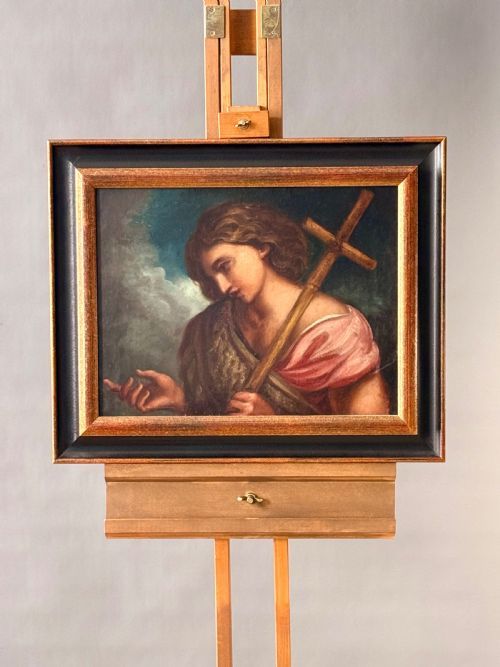
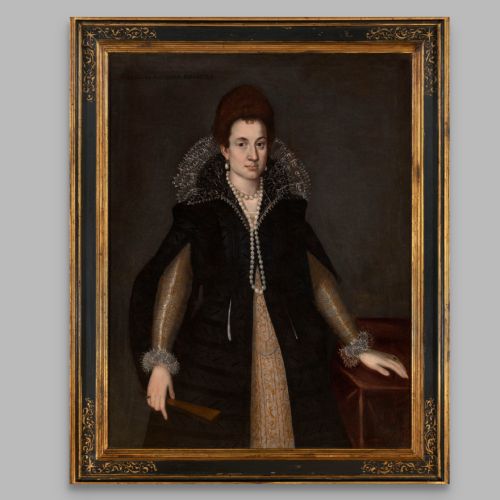
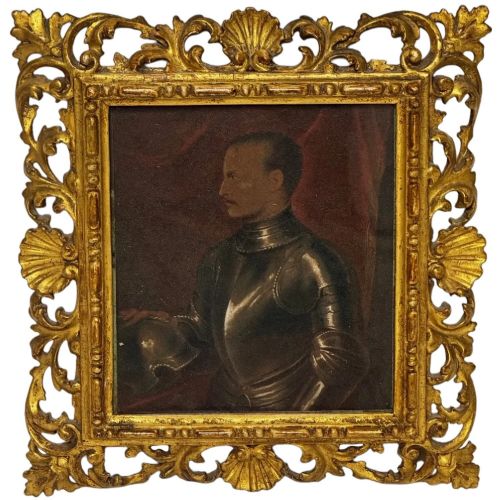
When searching for an italian painted frame, buyers encounter centuries of craftsmanship stretching from the sixteenth century through the nineteenth century and into the twentieth century. These pieces encompass oil paintings, watercolours, mirrors, porcelain plaques, and folding fans housed within ornate surrounds.
The objects on this page reflect diverse origins, including Renaissance portraits, Baroque religious scenes, and grand tour landscape paintings. Many listings pair the artwork directly with its period wooden housing, showcasing hand-painted surfaces alongside carved details.
Buyers are most likely to meet nineteenth-century interpretations and Renaissance revival pieces alongside earlier sixteenth and seventeenth-century works. These items bridge decorative arts and fine art, serving as primary focal points for wall display.
Materials and construction methods
The construction relies heavily on solid wood frameworks built to support canvas, panel, or glass. Artisans applied layers of gesso to carve intricate ornamentation before introducing paint and leaf finishes.
Makers utilised oil paint, watercolours, and gold leaf alongside applied giltwood and silvered surfaces. The interplay between distressed paint and metallic leaf creates the aged depth visible across the surviving examples.
Several Italian paintings hide subtle pentimenti, where artists changed their minds mid-brushstroke centuries ago.
Distinctions in quality and execution
Quality rests in the depth of the carving and the nuance of the hand-applied paint layers. Superior examples display crisp detail in the gesso mouldings and harmonious integration between the artwork and its surrounding border.
The skill of the painter dictates the sophistication of portraits and landscapes, while the preservation of original gilding and painted decoration determines the desirability of the housing.
Dumini Leopoldo·Benedetto Lute·Vittorio Reggianini·Augusto Alberici·Alfred Pollentine·Francis Moltino·Michelangelo Meucci·Guillaume Courtois·Robert George Talbot Kelly·Jan Miel·Paolo Veronese
The Italian Painted Frame Glossary
- Giltwood
- Wood that has been coated with a thin layer of gold leaf or gold dust. This finish catches the light and adds richness to decorative borders.
- Gesso
- A plaster mixture applied to wood surfaces to create a smooth base for carving and painting. It allows artisans to shape intricate relief ornamentation.
- Grand Tour
- A traditional trip through Europe undertaken by upper-class European young men of means in the seventeenth, eighteenth, and nineteenth centuries. It generated a demand for regional paintings and decorative mementos.
- Pentimento
- An alteration in a painting evidenced by visible traces of previous work beneath the top layer of paint. It indicates the artist changed their composition during the creative process.
- Trompe l'oeil
- An art technique that uses realistic imagery to create the optical illusion that the depicted objects exist in three dimensions. It demonstrates high technical proficiency by the artist.
Italian Painted Frame: Frequently Asked Questions
How do I date an antique Italian painted frame?
Dating relies on examining the underlying wood construction, the formulation of the gesso, and the style of the painted decoration. Earlier centuries favour deeper hand-carved profiles, whereas later revival periods often utilise machine-assisted mouldings.
Matching the stylistic markers of the frame to the period of the inserted artwork provides further chronological context. Archival evidence shows pieces span from the sixteenth century to twentieth-century revivals.
Were these frames made specifically for the paintings they hold?
Many historical frames were paired with their artworks centuries later rather than created together. Dealers and collectors often united compatible Italian paintings with period surrounds that matched their aesthetic.
Examining the rabbet and the fit of the canvas helps determine if the pairing is contemporary to the creation date. Both original pairings and curated matches exist within the collected archive.
How should I hang a heavy carved wood frame safely?
Heavy carved wood and gesso pieces require robust wall anchors secured directly into structural studs. Professional picture hangers utilise steel wire rated well above the combined weight of the artwork and its surround.
Ensuring the hanging hardware on the reverse of the frame is firmly anchored into sound timber prevents structural strain. Regular checks of the wall fixings maintain long-term security.
What distinguishes Renaissance revival pieces from original works?
Renaissance revival items imitate the motifs, subjects, and framing techniques of the fifteenth and sixteenth centuries while utilising nineteenth-century production methods. They often feature cleaner construction techniques and slightly different material wear.
Original Renaissance pieces carry distinct patina and material degradation consistent with centuries of ageing. Comparing surface wear clarifies the distinction between original creation and revival.