
Gold Painted Mirror
A gold painted mirror brings depth and historic light to a room through centuries of craftsmanship, spanning French trumeaux, Regency pier glasses, and Victorian overmantels.
Gold Painted Mirror
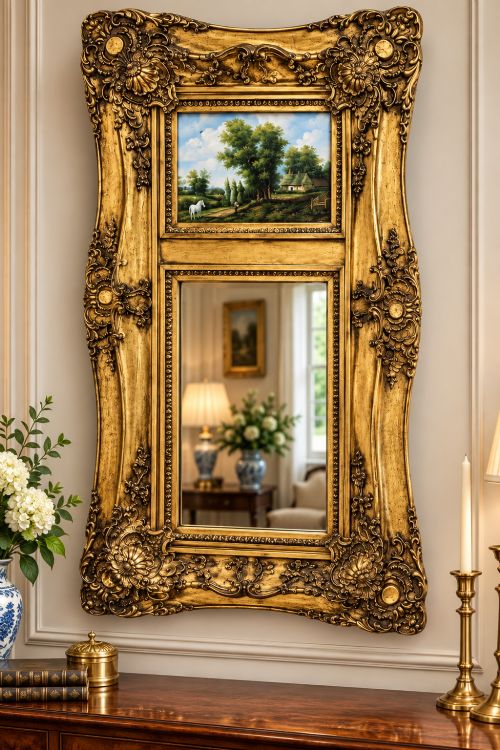
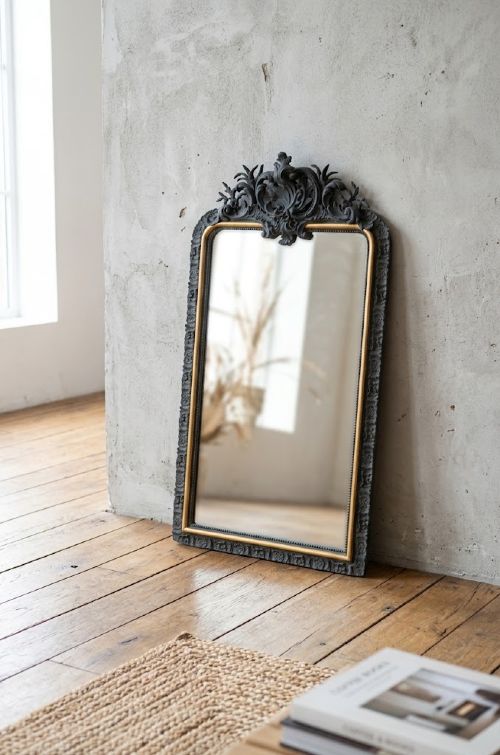
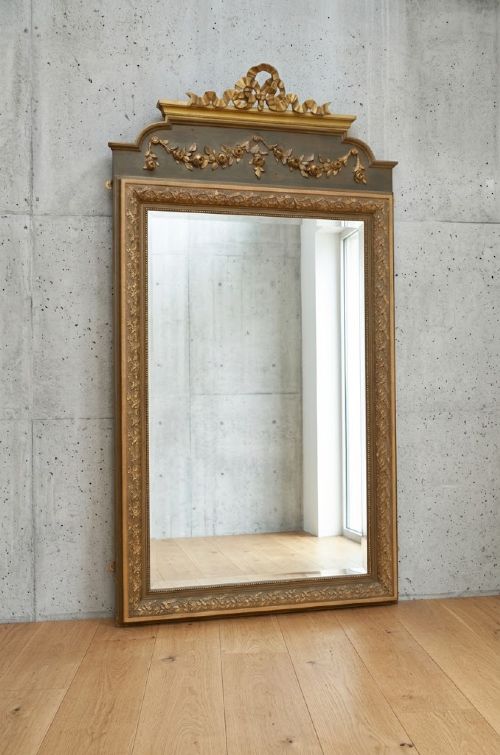
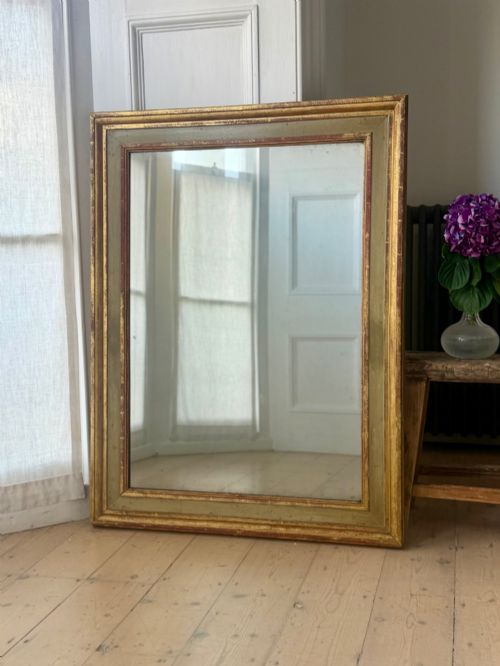
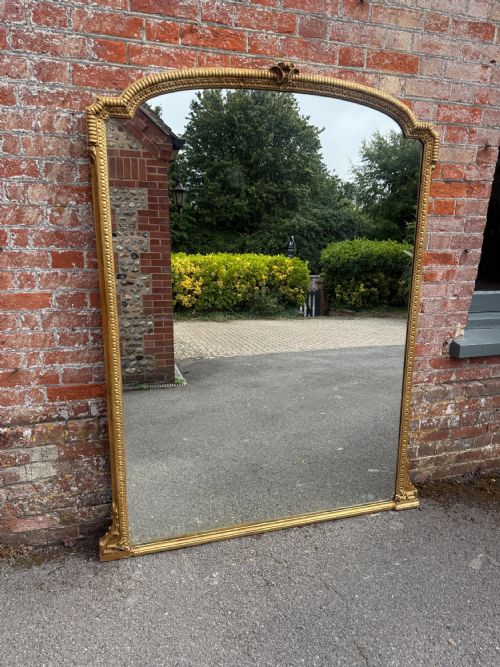
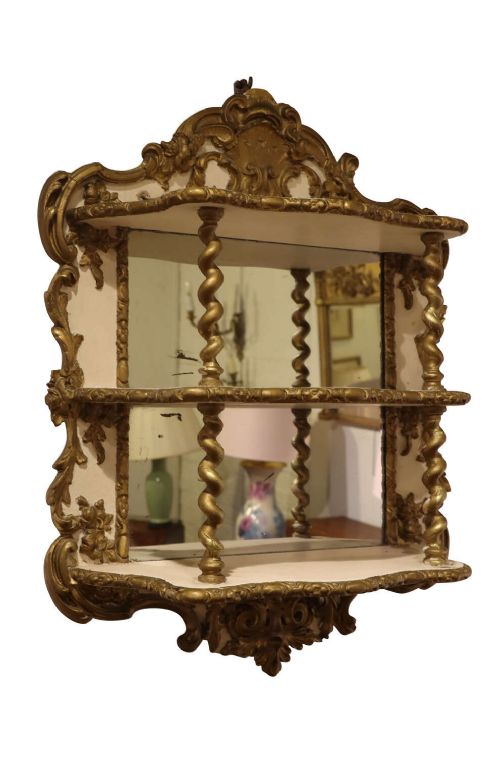
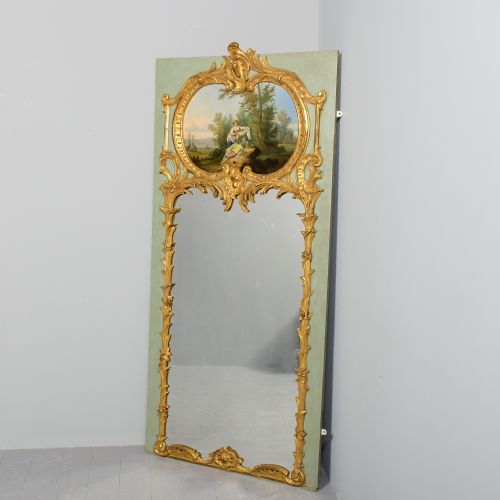
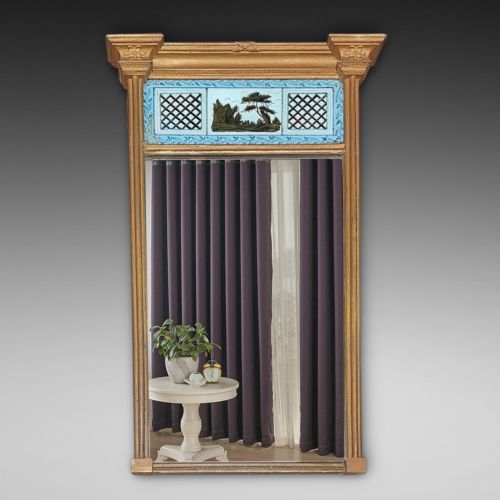
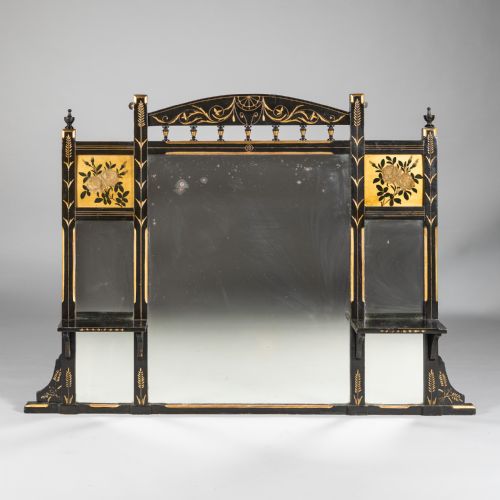
A gold painted mirror encompasses a wide range of antique looking-glasses, from grand overmantels designed for high-ceilinged reception rooms to smaller wall-hanging trumeau panels incorporating oil paintings or reverse-painted glass panels. Buyers searching for a gold painted mirror frequently encounter nineteenth-century French and English pieces, where painted surfaces meet giltwood mouldings or carved gesso ornamentation.
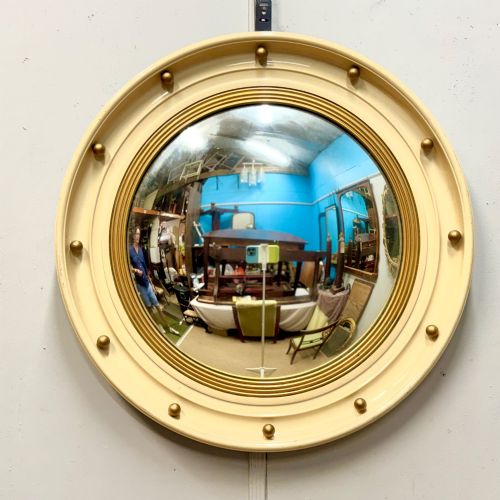
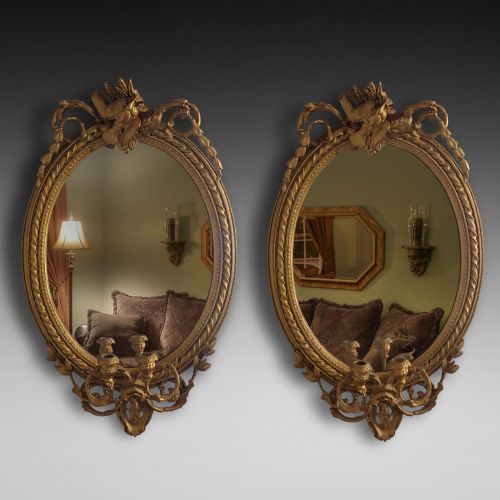
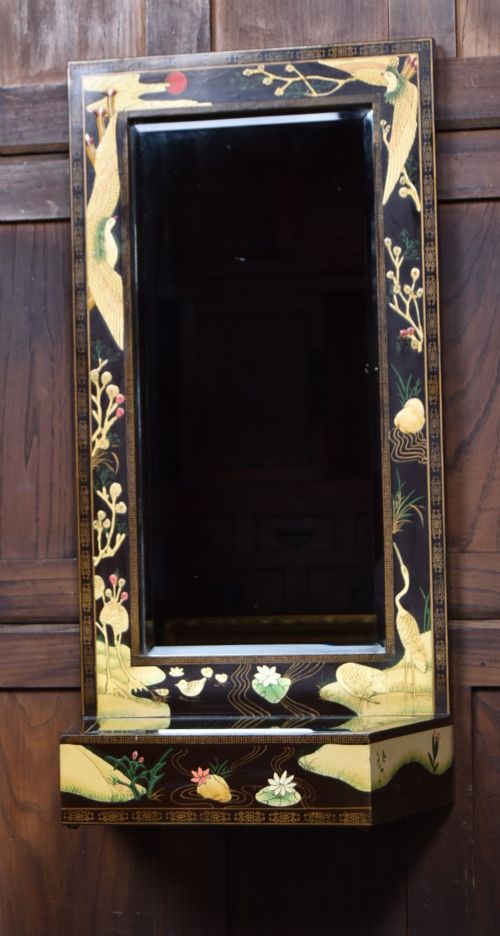
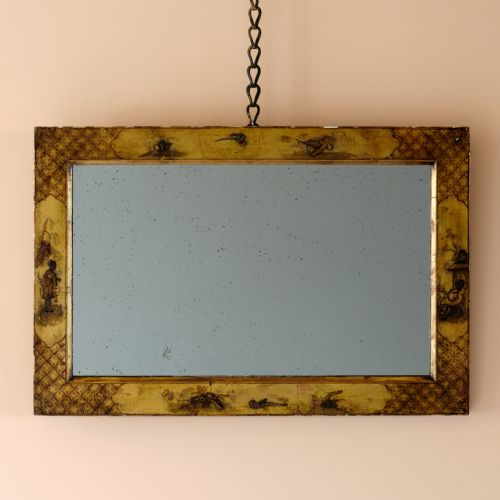
The selection ranges from early nineteenth-century Regency pier glasses with verre églomisé panels to later Victorian aesthetic and Belle Époque designs featuring olive green, cream, or ebonised details alongside parcel-gilt highlights. Forms also stretch to convex butlers mirrors, girandoles with candle sconces, and decorative Asian-style or Chinoiserie interpretations originating from various European and international workshops.
Materials and Construction
Makers constructed these frames primarily from solid wood or carved timber foundations, applying layers of gesso to build up intricate surface relief before gilding with gold leaf or applying metallic paint finishes. Mercury glass often appears in earlier examples, displaying characteristic irregularities and dark speckling behind the plate, while later pieces utilise standard mirror glass.
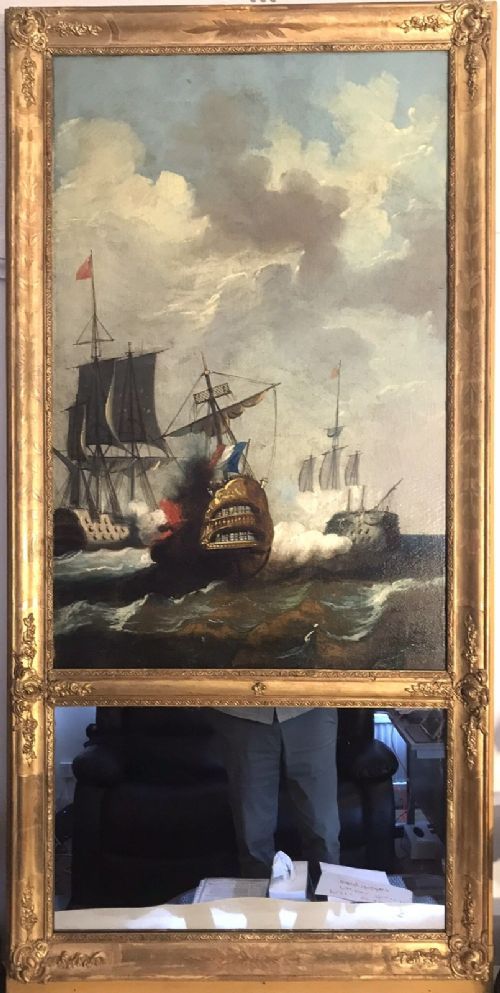
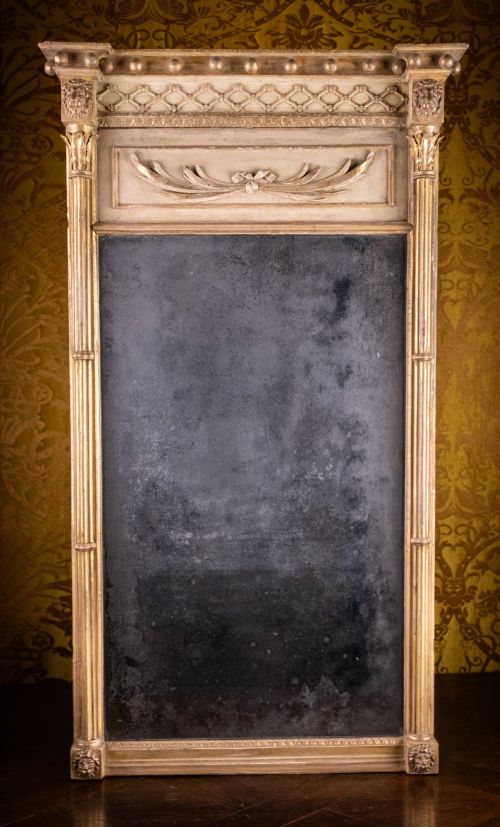
Surface decoration frequently combines oil paint with gold leaf or parcel-gilt accents, as seen in trumeau mirrors incorporating integrated canvas paintings, silk panels, or reverse-painted verre églomisé glass. Carved wood details, lion masks, and ribbon crests were shaped by hand before receiving their final painted and gilded schemes.
Materials recorded across these frames include giltwood, gesso, gold leaf, painted wood, and canvas.
Assessing Craftsmanship and Condition
Quality rests in the crispness of the hand-carved wood and gesso ornamentation, where finer pieces retain deep relief and precise detailing rather than soft, mass-produced moulding. The integration of painted panels, whether seascapes or decorative motifs, distinguishes superior trumeau and pier mirrors from simpler decorative frames.
The integrity of the original surface finish determines much of the character, as genuine period gilding and paint show an authentic patination that mechanical touch-ups lack. Original mirror plates, particularly older mercury glass with natural foxing, contribute significantly to the historical authenticity of the piece.
The Gold Painted Mirror Glossary
- Trumeau mirror
- A decorative wall glass featuring an upper painted panel or artwork integrated into the wooden frame above the mirror plate.
- Verre églomisé
- A cold decoration technique where artists apply gold or silver leaf to glass and paint upon it from the reverse side.
- Gesso
- A plaster-like mixture applied to wood frames to provide a smooth base for subsequent carving, painting, and gilding.
- Pier mirror
- A tall, narrow glass traditionally hung on the narrow wall or pier between two windows.
- Girandole
- A wall-mounted candle sconce featuring an attached convex or flat mirror plate to reflect and multiply candlelight.
Gold Painted Mirror: Frequently Asked Questions
How do I date a gold painted mirror?
Dating relies on examining the construction methods of the wooden frame, the composition of the gesso, and the characteristics of the mirror glass itself. Earlier pieces from the Georgian and Regency eras often display hand-carved wooden elements and mercury glass with natural ageing.
Later Victorian and Edwardian examples introduce machine-processed timber, different fastening techniques, and clearer modern glass plates alongside revivalist design motifs.
What is mercury glass in an antique mirror?
Mercury glass refers to double-walled blown glass mirrors produced in the nineteenth century where a silvering mixture was introduced between the glass layers and sealed. This creates a distinctive, cloudy appearance with dark spots and localized foxing.
Despite the name, actual liquid mercury was rarely used in the later Victorian production methods employed for these decorative plates.
Where should I hang a trumeau mirror?
Trumeau mirrors suit prominent positions above fireplaces as overmantels or centered on principal living room walls where their integrated paintings can be fully appreciated. Their vertical proportions traditionally complement high ceilings and architectural wall paneling.
Ensure the wall fixings match the substantial weight of carved wood and gesso frames before hanging.
How do I clean an antique gold painted surface?
Maintenance requires gentle dusting with a soft, dry brush to prevent damage to fragile gesso, gold leaf, and painted details. Moisture and modern chemical cleaners should be strictly avoided as they strip historic finishes and water-gilded surfaces.
Glass plates can be wiped sparingly with a lint-free cloth dampened slightly with distilled water, keeping liquid away from the wooden rabbit and edges.