

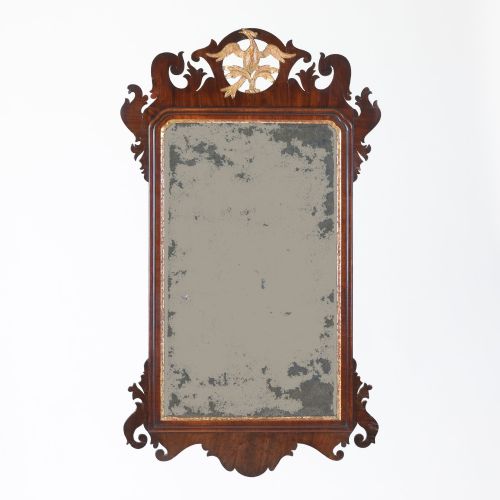
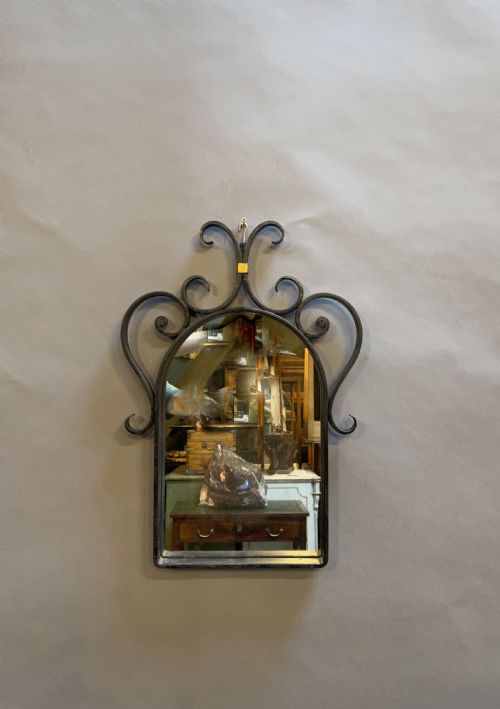
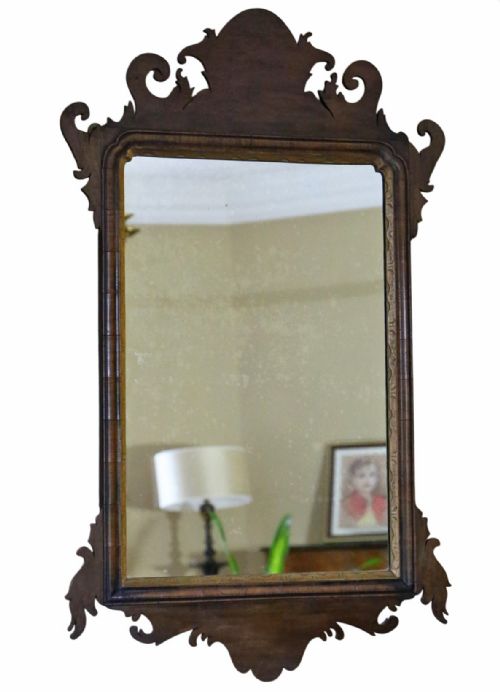


Scroll Frame Mirror
Scroll frame mirror pieces bring fluid architectural rhythm and carved depth to a wall, offering the proportion and craftsmanship collectors expect from period interiors.
Defining Scroll Frame Mirror
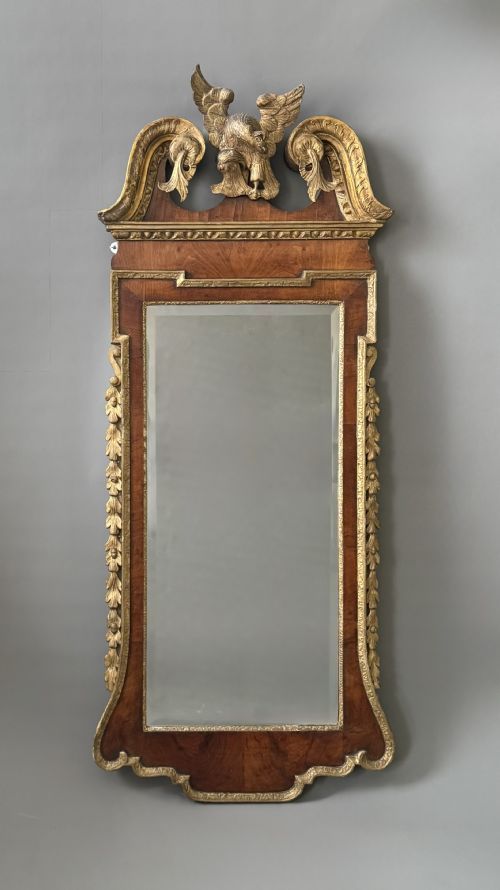
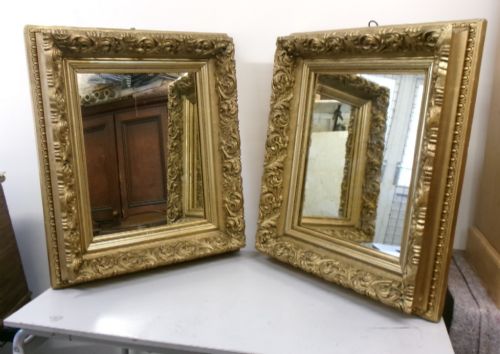
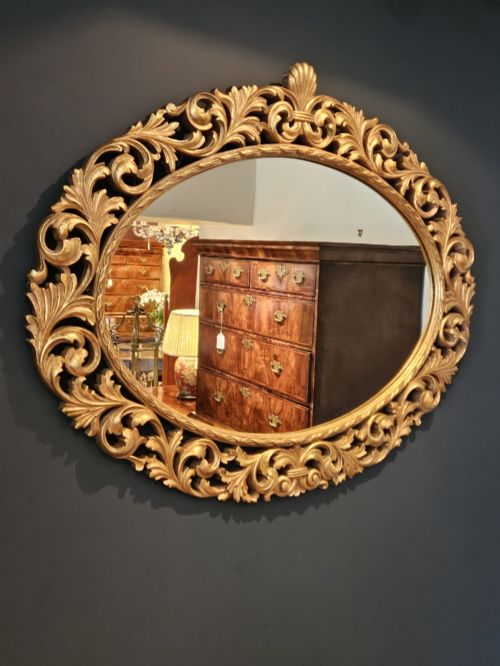
A scroll frame mirror centres on the distinctive curved outlines of scrolled timber, giltwood, or gesso work. When searching for a scroll frame mirror, a buyer encounters wall-hanging forms alongside overmantle and cheval mirrors from different eras.
The pieces listed span the Victorian era, the Edwardian period, and the 1920s and 1930s, alongside revival aesthetics. Georgian and Georgian Revival pieces form a strong core of the available inventory.
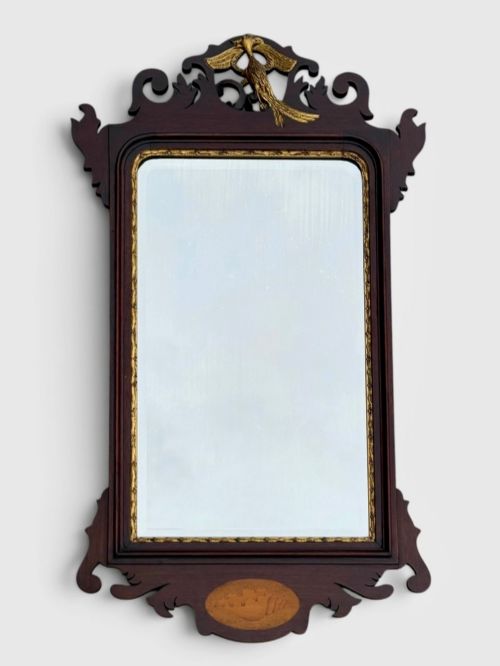
Most examples function as wall mirrors, utilising fret cut silhouettes and carved scroll motifs. These designs draw directly on earlier Georgian idioms while reflecting the manufacturing standards of their actual date of production.
Materials and Construction
Maker workshops utilised primary timbers including mahogany, walnut, and satinwood inlay, finished with carved gesso and gilt wood details. Glass panels, including Vauxhall mirror plates, sit within these structured wooden surrounds.
Carving and fretwork define the construction, requiring skilled handling of timber and applied plaster ornaments. Gilding techniques enhance the scrolled wooden reliefs, creating contrast between the reflective glass and the ornate frames.
Retail Price Guide 2026
Typical UK retail prices for scroll frame mirror, calculated from the Sellingantiques database of over a million retail prices indexed since 2003. This retail price guide relies exclusively on Sellingantiques data; no external sources or auction records are used, so the figures do not describe the wider market.
Current listings and archive records feature Walnut, Mahogany, Gilt Wood, and Satinwood Inlay across wall and overmantle mirror forms.
Assessing Quality
Quality rests in the crispness of the carved scrollwork and the depth of the fret cut timber. Superior examples demonstrate refined proportions and meticulous attention to the junction of the frame and the mirror plate.
The choice of materials, such as figured walnut or richly inlaid mahogany, elevates a piece above standard production. Intricate gesso ornamentation and well-preserved gilding separate fine decorative examples from simpler utilitarian frames.
The Scroll Frame Mirror Glossary
- Fret cut
- Woodwork shaped using a fine saw to create openwork patterns. This technique produces the delicate silhouette seen on many wall mirrors.
- Gesso
- A plaster-based mixture applied to wood frames to create a smooth surface for gilding. It allows for crisp, moulded decorative details.
- Vauxhall mirror plate
- A type of antique mirror glass historically associated with high-end English manufacture. These plates often feature distinctive bevelled edges and subtle imperfections.
- Cheval mirror
- A freestanding mirror suspended in a frame that allows it to tilt. These large pieces were designed for dressing rooms and bedrooms.
- Overmantle mirror
- A wide mirror designed to sit directly above a fireplace mantel. They frequently incorporate arched tops and elaborate scroll framing.
Frequently Asked Questions
Where should I hang one?
These mirrors suit principal reception rooms, hallways, and bedrooms where their architectural frames can command attention. Positioning them opposite a light source enhances room brightness.
Ensure wall fixings match the weight of the timber and glass construction, particularly for larger examples with heavy gesso or carved wooden elements.
How do I date them?
Dating relies on timber selection, construction methods, and stylistic revival markers. Georgian Revival pieces from the twentieth century often interpret earlier eighteenth-century designs.
Examining the backboards, fixings, and mirror plate composition helps distinguish nineteenth-century production from later revivals.
Are the mirror plates original?
Many period pieces retain their original glass, which may show light foxing or age spots. These natural signs of ageing confirm the period authenticity of the glass.
Replacement plates sometimes occur during maintenance, so checking the silvering and edges provides insight into the history of the object.
How do I care for the gilding?
Gilt wood and gesso surfaces require gentle dusting with a soft, dry brush to prevent damage to the delicate metallic finish. Avoid liquid cleaners and chemical sprays.
Keep these mirrors away from direct sunlight and damp environments to protect both the wooden substrate and the reflective silvering behind the glass.