


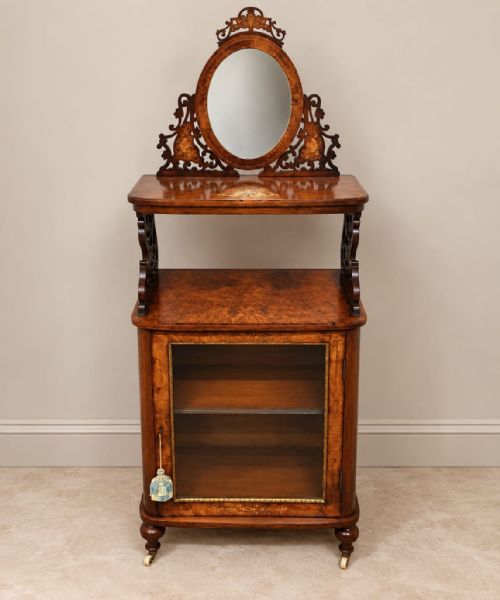
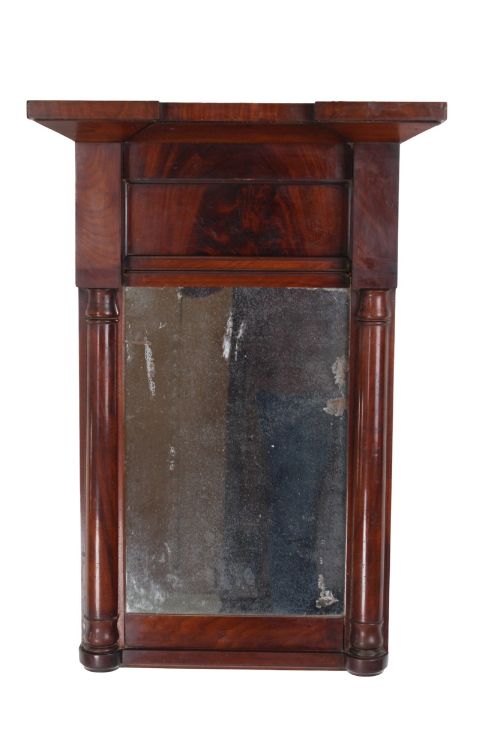
Edwardian Wooden Mirror
An edwardian wooden mirror brings understated proportion and practical glass to a hallway or bedroom, offering daily utility alongside period character.
Edwardian Wooden Mirror
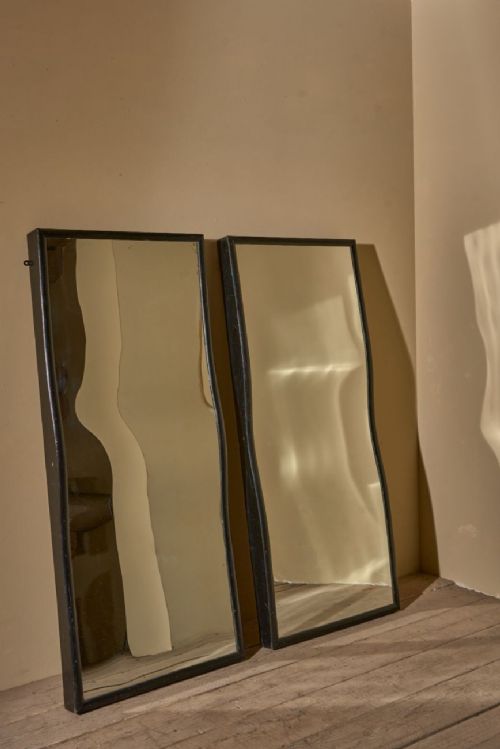
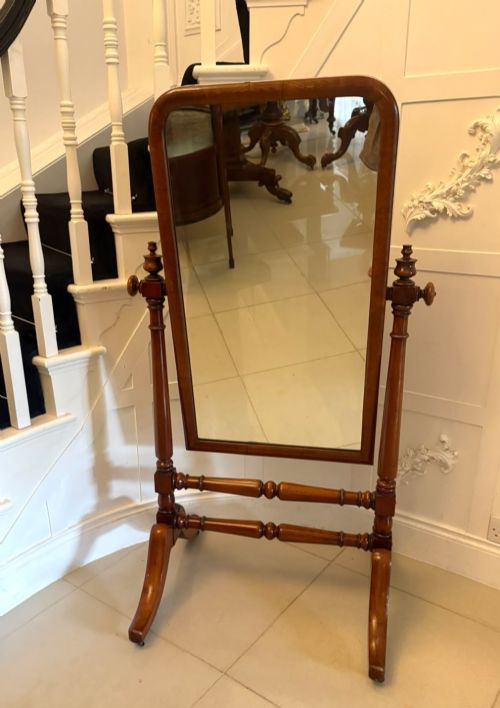
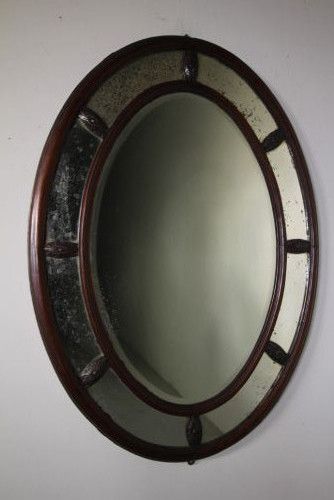
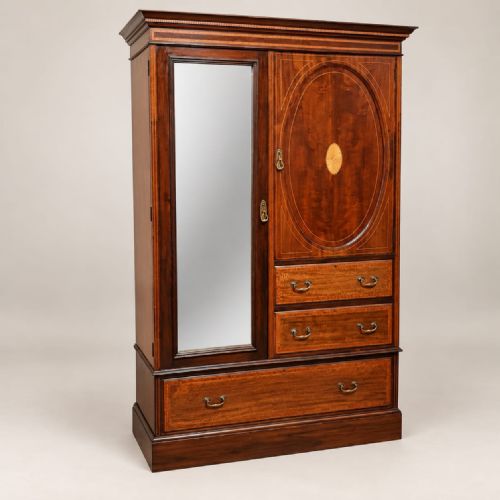
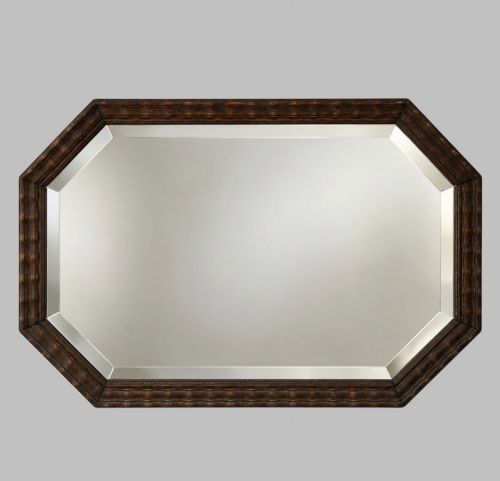
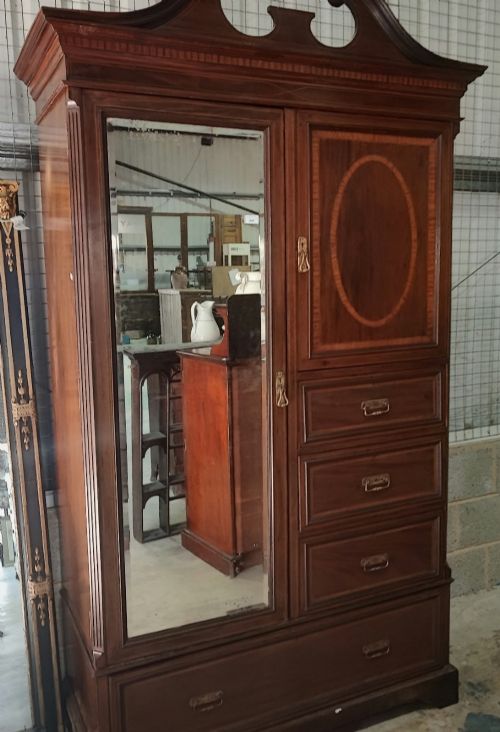
An edwardian wooden mirror combines the structural forms of the early twentieth century with timber frames designed for domestic use. Buyers encounter wall mirrors, cheval dressing mirrors, and smaller vanity pieces intended for bedrooms and reception spaces.
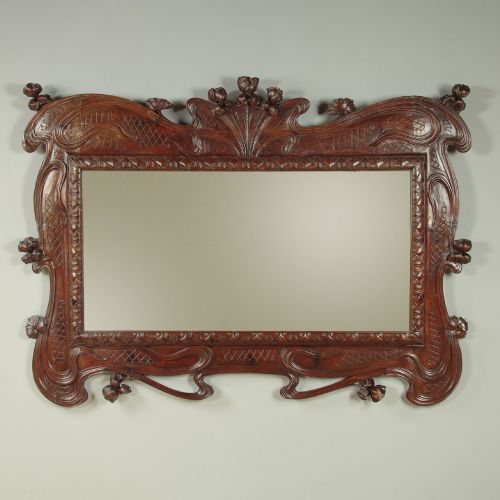
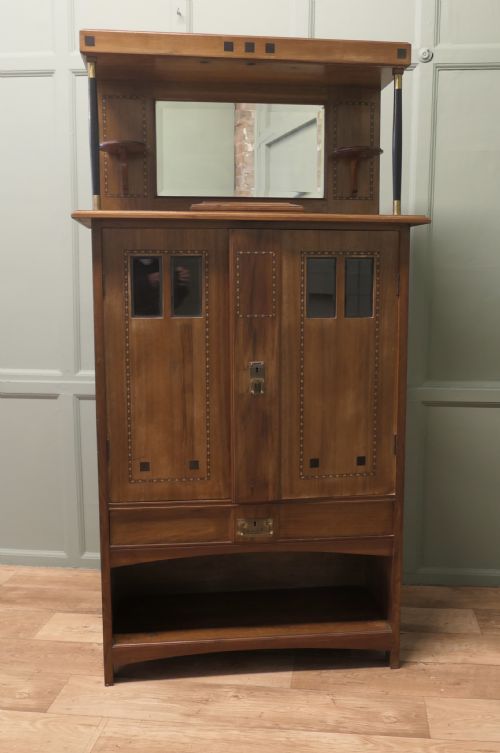
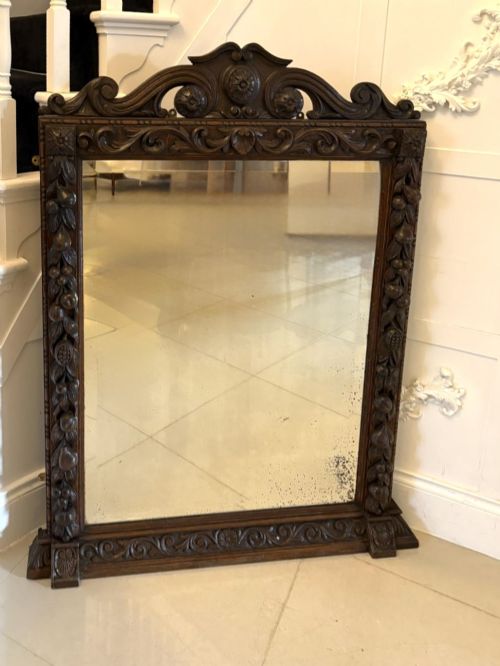
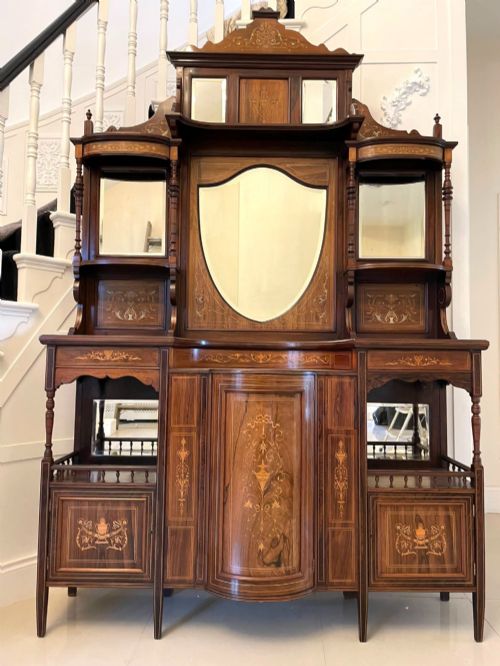
The prevailing aesthetic draws on Edwardian tastes, while overlapping pieces show Victorian, Arts and Crafts, and Art Nouveau influences. Frames range from simple moulded profiles to carved oak and inlaid mahogany.
Materials and construction
Makers utilised timbers such as mahogany, oak, satinwood, and ash, often pairing the wooden frames with bevelled mirror glass and brass fixings. Timber was selected for grain pattern and strength, then joined using traditional cabinet-making techniques.
Surface finishes relied on wax, polish, or paint to protect the wood while highlighting natural figures. Carved details and inlaid stringing were applied by hand to accent the frame borders.
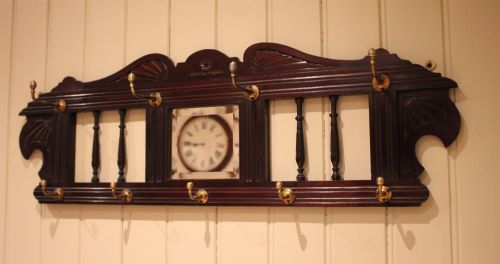
Some mirrors share floor space with multi-functional hall stands built to hold hats, coats, and visiting cards all at once.
Assessing quality in frames and glass
Quality rests in the depth of timber selection and the crispness of any carved or inlaid ornamentation. Superior examples display thoughtful proportions, robust joinery, and clean glass plates without excessive distortion.
Lesser pieces rely on simpler construction and plain secondary woods with minimal attention to surface finish. The integration of the mirror plate within the wooden rebate also separates standard utility items from finer workshop output.
Edwards and Roberts·Waring and Gillow·Heal and Sons
The Edwardian Wooden Mirror Glossary
- Bevelled glass
- Glass with an angled edge polished around the perimeter. This catches the light and adds a decorative dimension to the mirror plate.
- Cheval mirror
- A freestanding full-length mirror supported in a frame with pivots. It allows the glass to tilt to various angles.
- Inlay
- A technique where contrasting materials are inserted into recessed portions of the base wood. It forms decorative patterns on the frame.
- Pier mirror
- A tall narrow mirror designed to hang on the wall between windows. It reflects additional light into rooms of the period.
- Swivel frame
- A mirror hung on horizontal pivots between upright supports. This mechanism lets the user adjust the tilt of the glass.
Edwardian Wooden Mirror: Frequently Asked Questions
Where should I hang an edwardian wooden mirror?
These mirrors suit hallways, bedrooms, and reception rooms where natural light benefits from reflection. Wall-mounted versions function well above sideboards or hall stands.
Ensure the wall fixings match the weight of the timber frame and glass plate to support the piece securely.
How do I clean the wooden frame?
Dust the timber regularly with a dry, soft cloth to prevent buildup. Apply a quality beeswax periodically to nourish the wood and maintain the finish.
Avoid using wet cloths or harsh chemical sprays directly on the antique wood surface.
Can I replace the mirror glass?
Original mirror glass often shows foxing and light speckling from age, which collectors value for authenticity. Replacing the plate is possible if the original glass is broken, but retains less historical integrity.
Consult a restorer to remove the glass safely from its wooden rebates without damaging the surrounding frame.
How do I tell Edwardian mirrors from Victorian ones?
Edwardian mirrors generally exhibit lighter timbers, simpler lines, and influences from Arts and Crafts or Art Nouveau movements. Victorian pieces tend toward heavier, darker woods and denser carved ornamentation.
Cross-referencing construction methods and timber choices helps clarify the manufacturing period.