





Antique Maple Mirror
An antique maple mirror brings warmth and striking wood grain into a room, spanning periods from the Georgian era through to Art Deco.
Antique Maple Mirror
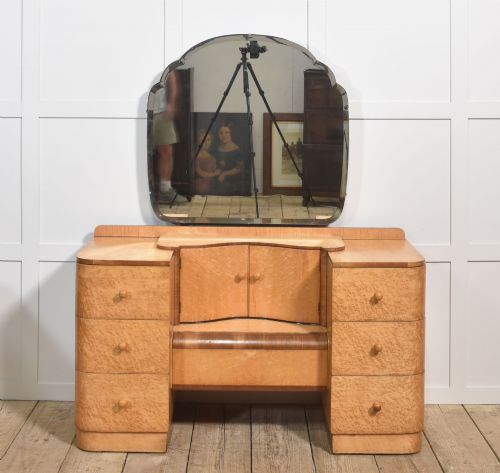
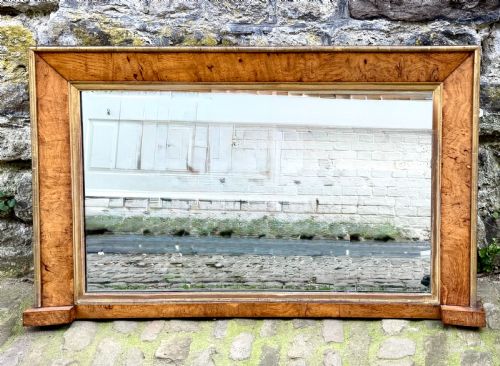
When searching for an antique maple mirror, collectors encounter wall mirrors, overmantel pieces, and dressing mirrors framed in plain, burr, or birds-eye timber. These objects originate from diverse eras, appearing in Georgian, Regency, Victorian, and later twentieth-century styles.
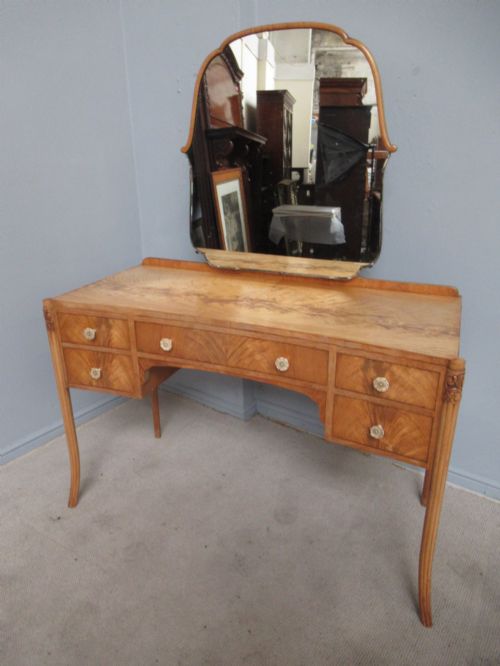
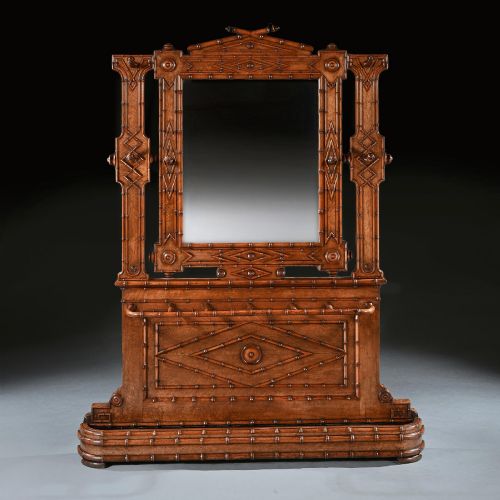
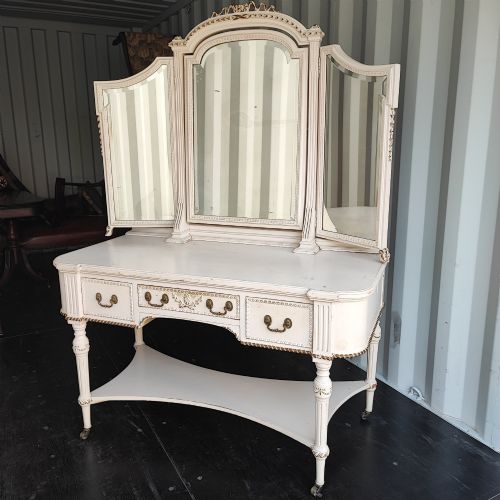
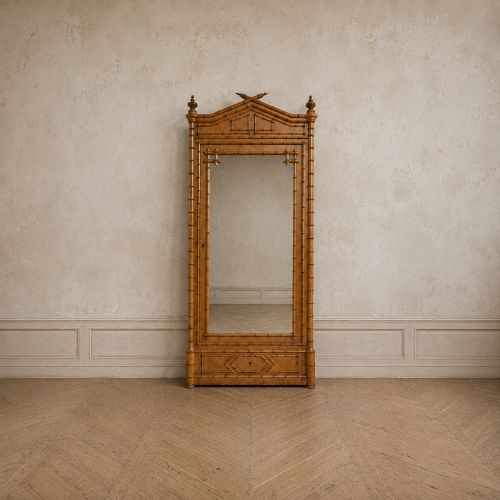
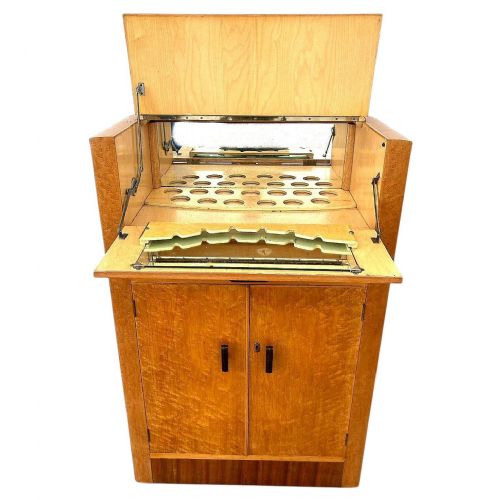
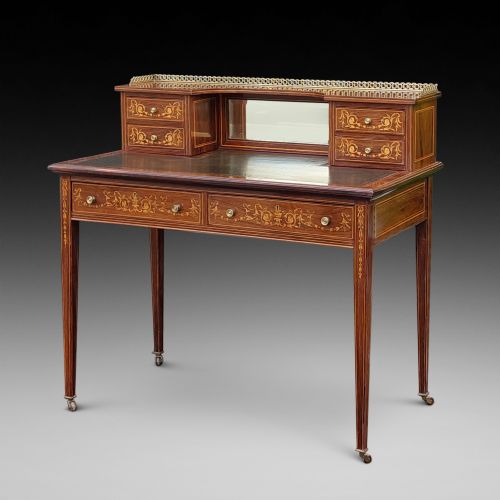
The selection frequently includes large overmantel frames designed to sit above fireplaces alongside compact wall-hanging variants. Many examples emerge integrated into larger furniture forms such as dressing tables, armoires, and hall stands.
Makers utilised native and imported maple timbers to achieve distinct visual textures, sometimes applying faux painting techniques to simulate the figured grain. Pieces range from restrained nineteenth-century wall mirrors to stylised geometric designs from the Art Deco period.
How they were made
Craftsmen selected figured timbers such as birds-eye and burr maple, slicing them into veneers or utilising solid boards to accentuate the natural patterning of the wood. Frames often incorporated secondary woods, brass fixings, and giltwood accents to enhance the visual depth.
Glass panels were bevelled or flat-cut, held securely within rebated wooden frames often backed with protective timber panelling. Surface finishes relied on traditional polish and varnish applications that protected the pale wood while deepening the contrast of the grain.
One early nineteenth-century mirror hides a naval battle behind the glass, depicting an engagement between British and American ships via a reverse glass print.
What varies in quality
Quality rests in the selection of the timber figure, where tightly packed birds-eye or dramatic burr patterns command greater visual presence than plain maple boards. The crispness of joinery and the preservation of original mirror glass and backing timber further distinguish superior examples.
Proportion and decorative restraint dictate distinction, separating standard utility pieces from finely carved or gilt-adorned overmantels intended for principal reception rooms. The integration of harmonious secondary materials, such as brass or contrasting mahogany, elevates the overall execution.
Maple and Co·Maurice Adams·Harry and Lou Epstein
The Antique Maple Mirror Glossary
- Birds Eye Maple
- A figured timber showing small, circular disruptions in the grain resembling tiny eyes. This pattern occurs naturally and is prized for decorative veneering.
- Burr Maple
- A growth deformity on a tree that produces intricate, swirling wood grain patterns. It provides a highly ornamental surface when sliced into veneers.
- Overmantel Mirror
- A large mirror specifically proportioned to hang above a fireplace mantelpiece. These pieces frequently feature architectural framing.
- Faux Bamboo
- A decorative carving technique that shapes wood to imitate natural bamboo stalks. This style gained popularity during the nineteenth-century Aesthetic Movement.
- Giltwood
- Timber treated with gold leaf or metallic paint to create a lustrous golden finish. It often highlights decorative mouldings on nineteenth-century frames.
Antique Maple Mirror: Frequently Asked Questions
How do I identify a birds eye maple mirror?
Examine the timber surface for small, dot-like markings scattered across a pale, warm background. These distinctive circular figures result from natural variations in the growth of the tree.
Compare the grain pattern against plain maple or mahogany frames to confirm the presence of the figured veneer. The distinct patterning remains visible beneath traditional polished finishes.
Where should I hang an overmantel mirror?
Position the piece centrally above a fireplace mantelpiece to reflect light and anchor the proportions of the room. Ensure the wall fixings securely support the substantial weight of the timber frame.
Consider the surrounding ceiling height and mantel width to achieve a balanced visual relationship. Overmantels also function effectively on large blank walls in reception spaces.
Are these mirrors cleaned with standard polish?
Apply gentle cleaning methods using soft, dry cloths to remove dust from the timber frame and glass surface. Avoid modern silicone sprays that can penetrate porous old finishes.
Maintain the condition of the wood by keeping pieces away from direct heat sources and strong sunlight. Regular waxing with appropriate conservation products preserves the lustre of the polish.
How do I date a maple frame?
Look at the construction techniques, backboards, and secondary woods used in the assembly of the frame. Georgian and Regency pieces typically show hand-cut joinery and aged patination.
Twentieth-century examples often exhibit cleaner mechanical cuts and stylistic markers associated with Art Deco or Edwardian design. Compare the hardware and mirror plate characteristics to verify the period.