
19th Century Mantle Mirror
A 19th century mantle mirror brings grand scale and reflective light to a room, drawing the eye directly to the fireplace.
19th Century Mantle Mirror
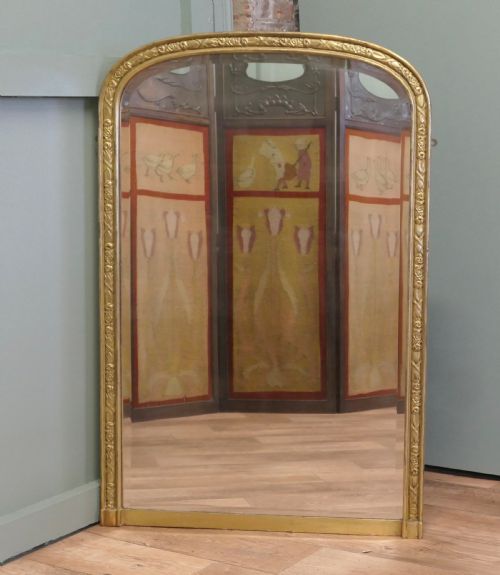
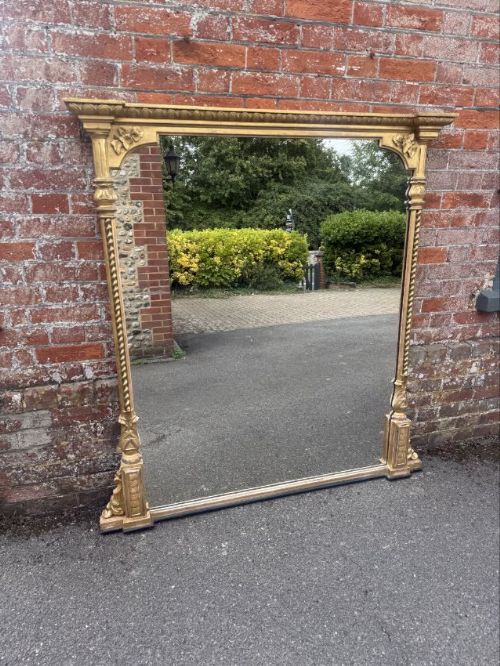
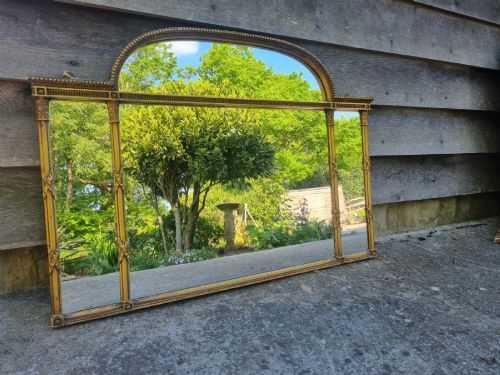
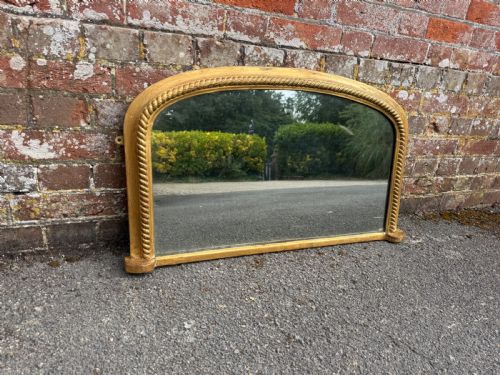
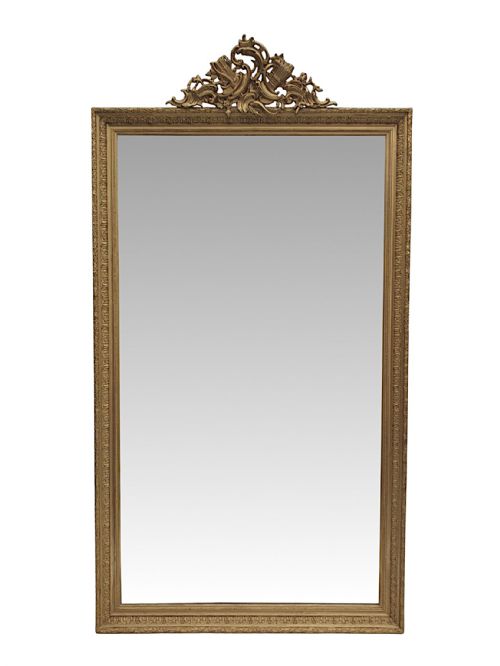
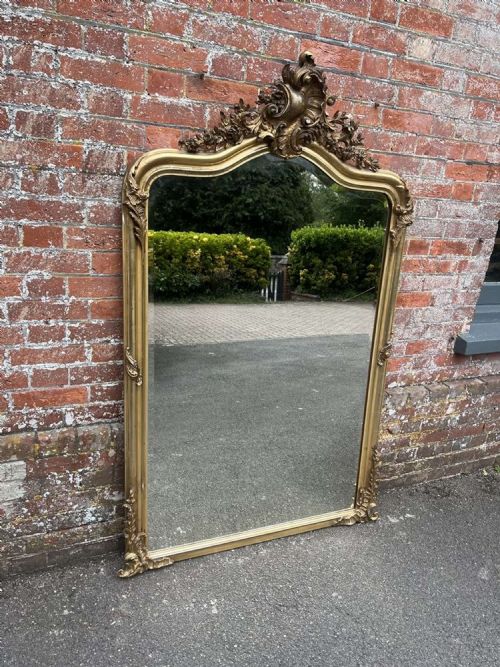
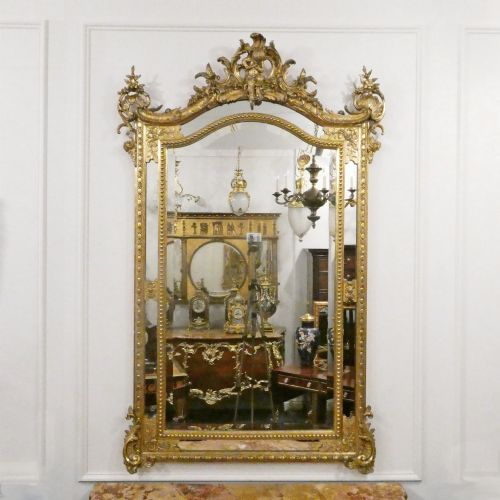
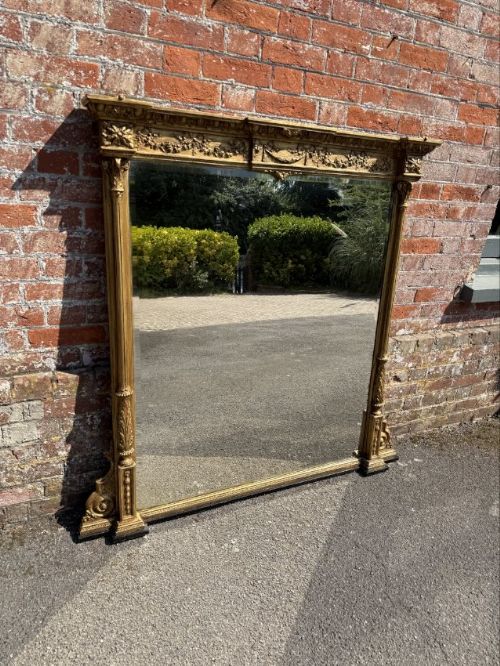
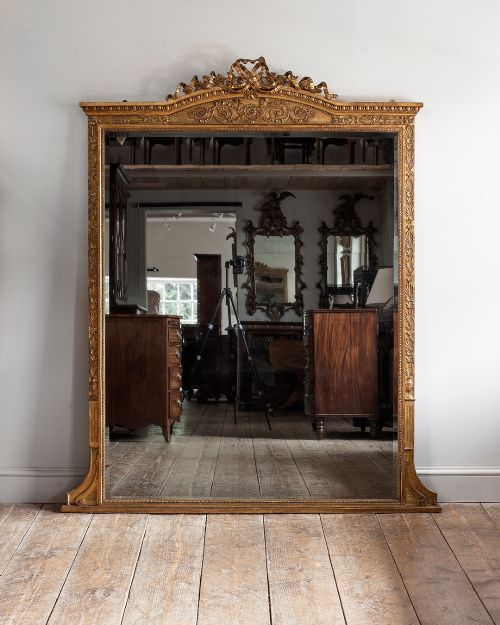
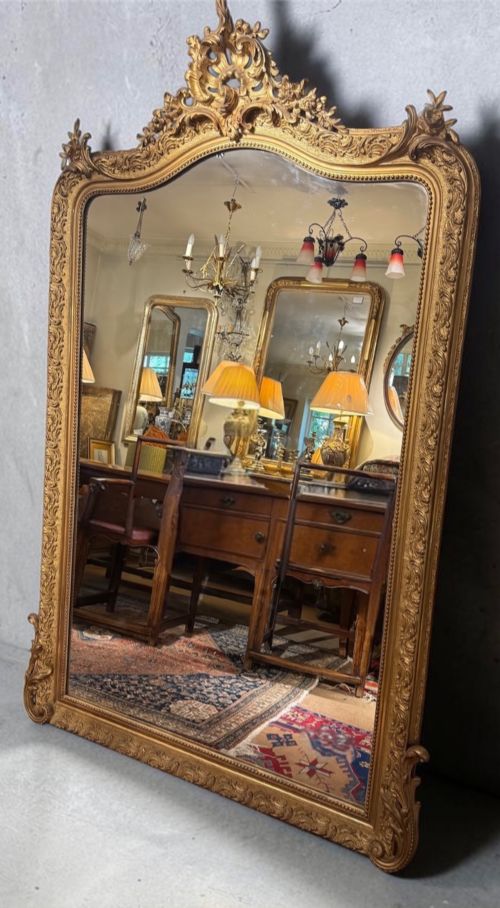
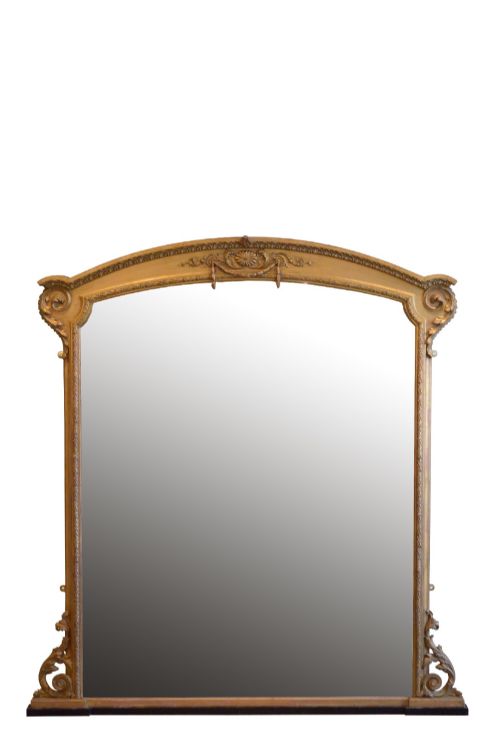
When searching for a 19th century mantle mirror, buyers encounter grand architectural frames designed to sit above a fireplace. The most common examples on this page are large English overmantel mirrors featuring carved wood and gesso finished in gilt.
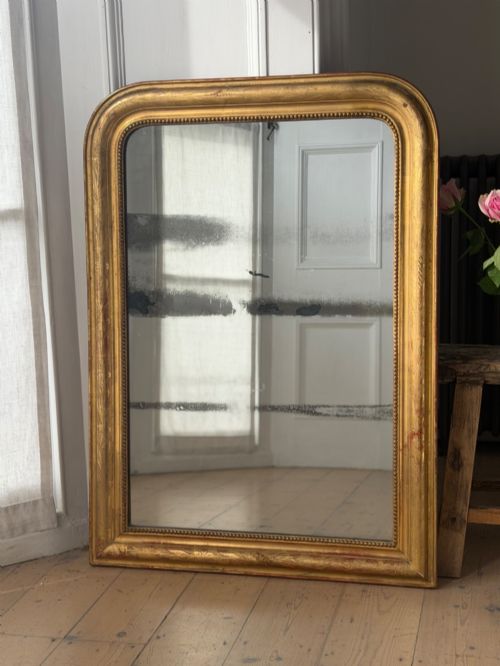
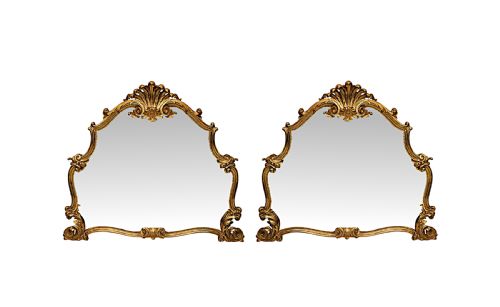
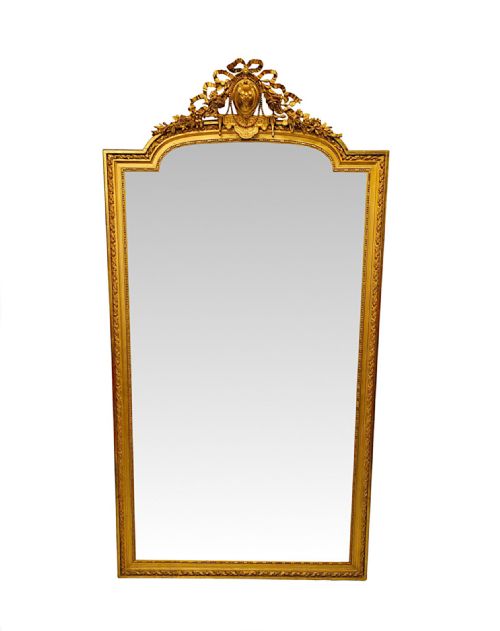
Beyond English pieces, the selection includes French Louis Philippe and Rococo styles alongside Regency and Victorian interpretations. These objects served traditionally to bounce daylight around formal drawing rooms and sitting spaces.
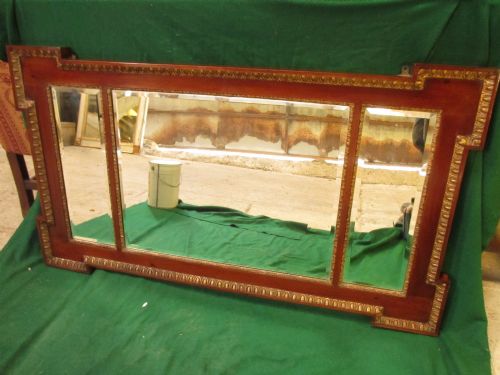
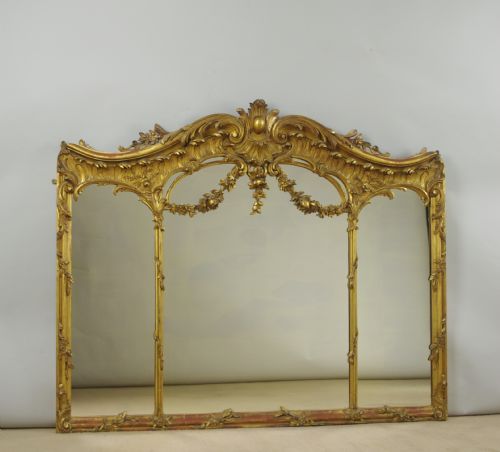
Formats range from simple arched top frames to elaborate triple plate designs and pier mirrors. They function equally well as wall-hanging statements or substantial leaner mirrors placed directly on the floor.
How they were made
Frames typically begin with a timber carcass of pine, oak, or mahogany built to support heavy glass plates. Artisans then applied layers of gesso, a chalk and glue mixture, which was modelled or carved into decorative rope twists, columns, and floral motifs.
Gilding involved laying thin sheets of gold leaf or gold paint over the prepared gesso surface to achieve a bright metallic sheen. Original mirror glass often displays characteristic foxing or ageing spots from mercury and silvering processes.
Early glass plates hold quiet reflections of Victorian rooms long vanished from the other side of the glass.
What varies in quality
The crispness of the hand-carved gesso ornamentation distinguishes superior examples from simpler production pieces. Deep relief work and well-preserved original gilding indicate higher craftsmanship during manufacture.
The integrity of the glass plate adds considerable distinction, particularly when retaining original mercury silvering or early bevelled edges. Frame construction robustness determines how well these heavy architectural pieces survive structural movement.
The 19th Century Mantle Mirror Glossary
- Gesso
- A plaster-like material applied to wooden frames as a smooth base for gilding and relief moulding. Artisans could carve intricate patterns directly into this pliable surface once dry.
- Overmantel
- A large mirror specifically proportioned to hang on the wall directly above a fireplace mantelpiece. These frames often match the horizontal width of the hearth below.
- Giltwood
- Timber that has been coated with thin gold leaf or metallic paint for a decorative finish. This material reflects candlelight and daylight effectively in period interiors.
- Foxing
- Small dark spots or discolouration appearing within the silver backing of older mirror glass. This natural ageing process results from chemical reactions over many decades.
- Trumeau
- A decorative wall mirror paired with painted panels or carved artwork, originating in French interior design. They occupy the space between windows or above fireplaces.
19th Century Mantle Mirror: Frequently Asked Questions
How do I hang a heavy 19th century mantle mirror?
These heavy frames require secure wall fixings directly into structural studs or masonry using heavy-duty brackets. Many buyers also choose to rest them safely on the mantelpiece as leaner mirrors.
Professional installation is strongly advised due to the substantial weight of the timber, gesso, and glass combined.
What is the difference between an overmantel and a wall mirror?
Overmantel mirrors are specifically designed and proportioned to sit horizontally above a fireplace opening. Standard wall mirrors lack this specific architectural relationship to hearth dimensions.
Their frames also tend to feature broader proportions suited to anchoring the visual weight of a chimney breast.
How should I clean antique giltwood frames?
Dust the intricate gesso and giltwood surfaces gently using a soft dry brush to protect the delicate metallic leaf. Avoid liquid cleaners and modern chemical sprays which strip the historical finish.
Water and harsh solvents will soften the underlying gesso and permanently damage the antique gilding.
Are foxed glass plates considered damaged?
Foxing spots and slight silvering degradation represent authentic natural ageing rather than structural damage. Many collectors specifically seek out original foxed mercury glass for its genuine period character.
Clear modern replacement glass often diminishes the historic visual integrity of an authentic 19th century frame.