




Gilt Frame Wall Mirror
These gilt frame wall mirror pieces bring warmth and reflection to a room, channelling decades of decorative craft.
Understanding the Pieces
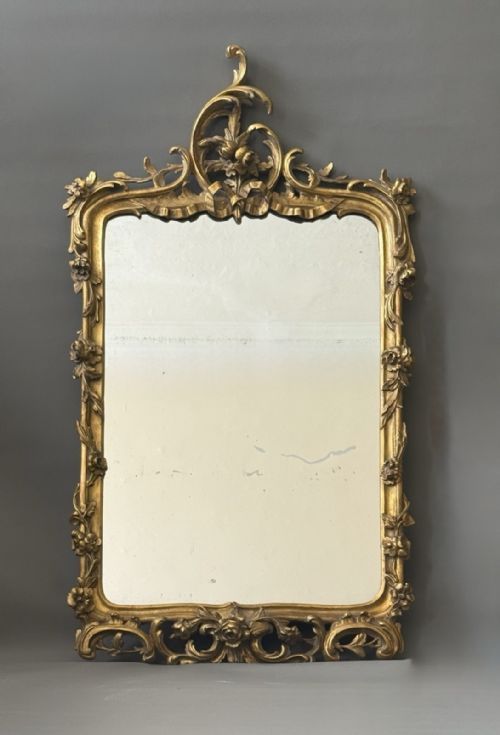
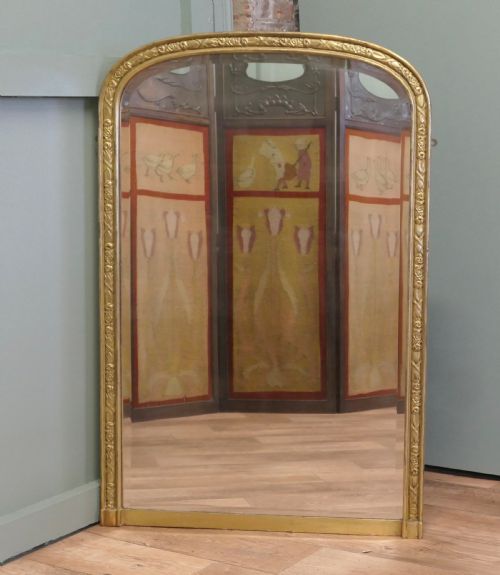
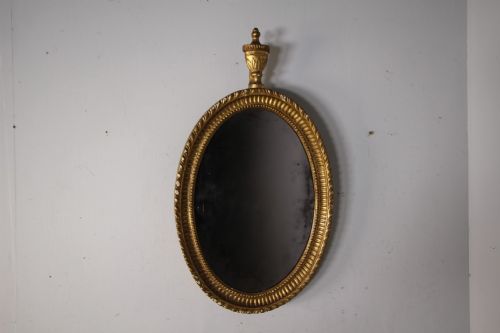
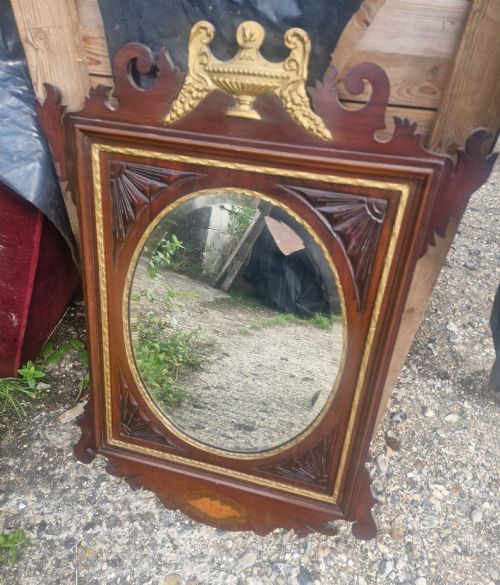
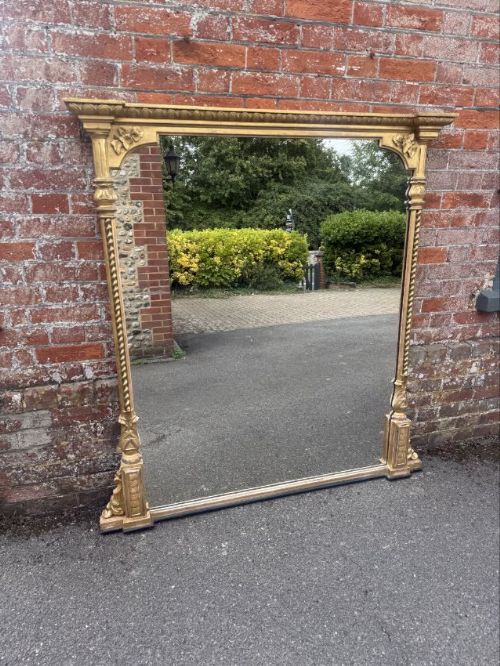
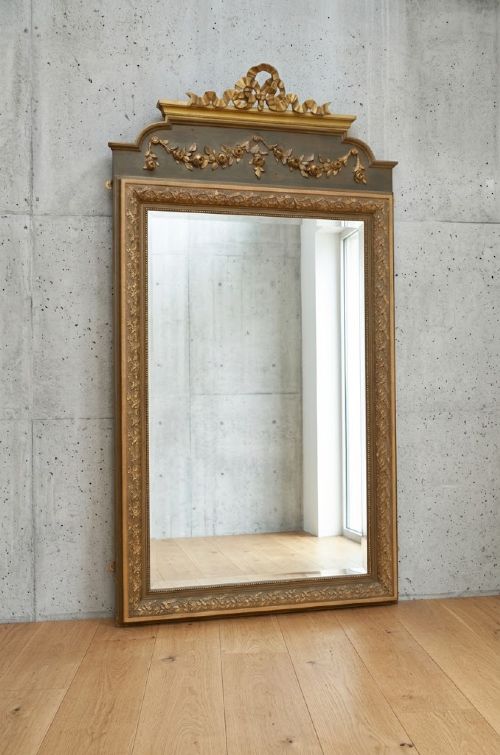
A gilt frame wall mirror brings immediate presence to a room, offering both functional reflection and decorative depth. When searching for a gilt frame wall mirror, you encounter pieces spanning the nineteenth and early twentieth centuries, including large overmantels and intimate ovals.
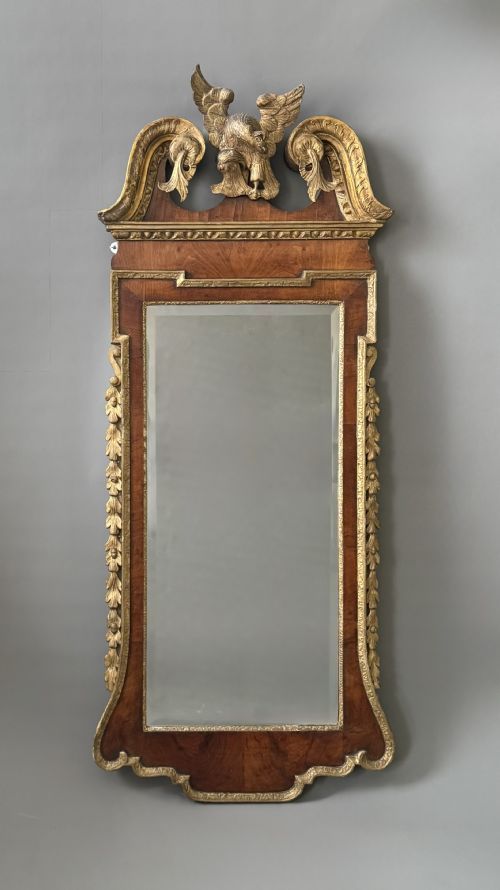
The selection ranges from French Rococo and Louis Philippe forms to Victorian neoclassical and Adam styles. Overmantel mirrors dominate the record, designed to sit grandly above a fireplace.
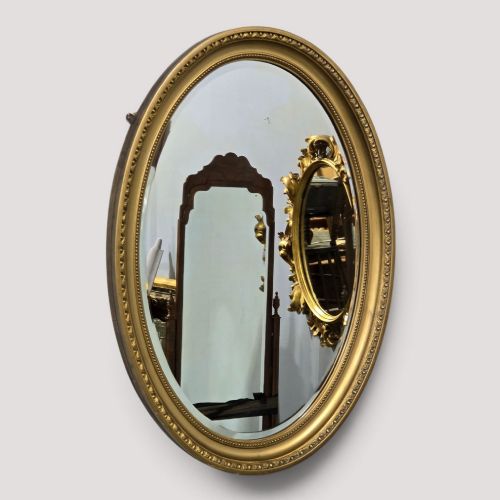
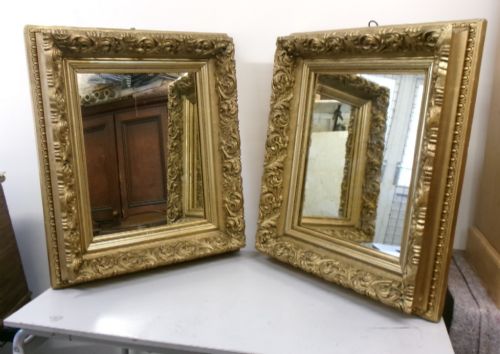
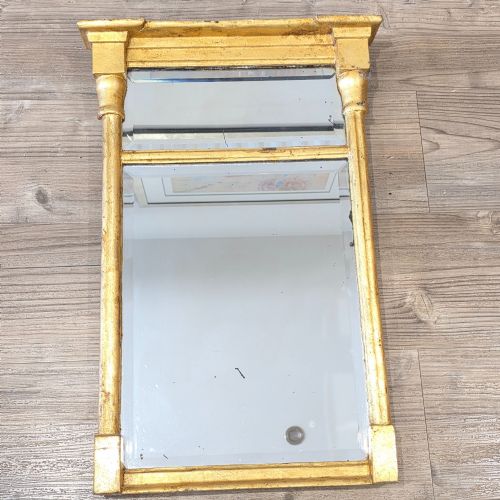
Smaller oval, circular, and rectangular wall mirrors appear alongside these large pieces, showing the variety of domestic spaces they once occupied.
Materials and Methods
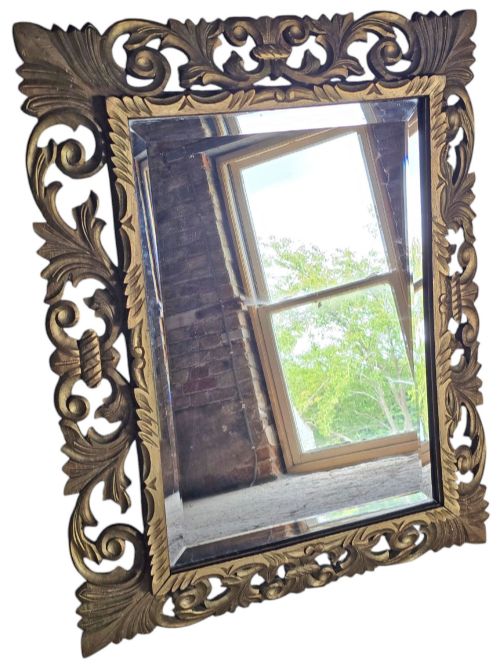
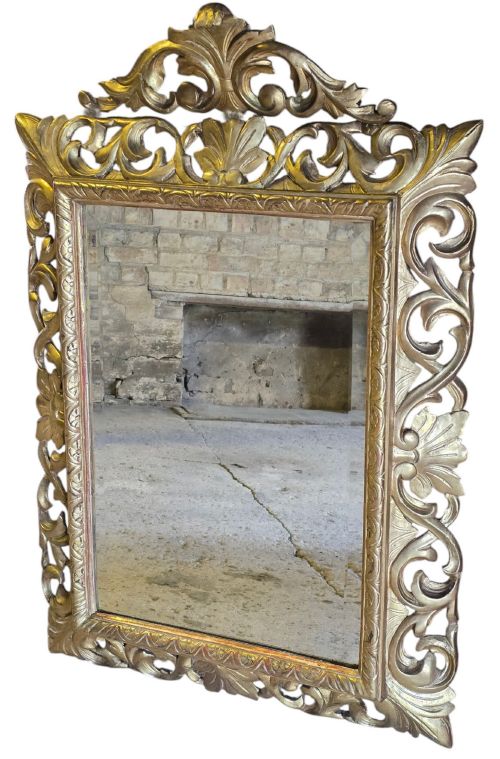
Carved wood and moulded composition provide the structural foundation for these frames, often built up with layers of gesso to create crisp ornamental relief. Artisans applied thin sheets of gold leaf or gold paint over this prepared surface.
Mirror glass, sometimes original to the piece, sits within the rebate, occasionally featuring bevel-cut edges that catch the light. Ebonised details and black lacquer also appear alongside the dominant gold finishes.
Retail Price Guide 2026
Typical UK retail prices for gilt frame wall mirror, calculated from the Sellingantiques database of over a million retail prices indexed since 2003. This retail price guide relies exclusively on Sellingantiques data; no external sources or auction records are used, so the figures do not describe the wider market.
Listings feature eighteenth-century style pieces alongside Victorian and early twentieth-century examples, constructed from giltwood, gesso, and glass.
Assessing Quality
The depth and clarity of the carved or moulded ornamentation determine the visual impact of the frame. Superior examples display sharp relief in the gesso work and subtle burnishing on the gold leaf.
The integration of the plate glass with the frame indicates the original maker's standard. Heavier timber construction in the backing boards and robust joinery separate substantial overmantels from lighter decorative variants.
The Gilt Frame Wall Mirror Glossary
- Giltwood
- Timber covered with a thin layer of gold leaf. This finish defines the primary aesthetic of these mirrors.
- Gesso
- A plaster-like mixture applied to wood frames to create a smooth surface for carving and gilding. It allows for intricate decorative relief.
- Overmantel mirror
- A large mirror designed specifically to hang above a mantelpiece. These pieces often feature extended horizontal proportions.
- Composition
- A moulded mixture of whiting, resin, linseed oil and glue pressed into decorative ornaments. It was used as a cost-effective alternative to hand-carved wood.
- Louis Philippe
- A French style from the mid-nineteenth century characterised by simple arched tops and restrained classical lines. These mirrors offer a clean silhouette.
Frequently Asked Questions
Where should I hang an overmantel mirror?
These large mirrors traditionally sit directly above a fireplace mantel, anchoring the wall space in a principal room. Their horizontal proportions suit the expanse above a hearth.
They also function effectively on main walls in hallways or dining rooms to bounce light and create a sense of scale.
How do I identify a nineteenth-century mirror?
Examine the construction of the frame backing, the type of glass, and the materials used in the moulding. Nineteenth-century pieces frequently utilise heavy gesso over wood and may contain original mirror plates with minor foxing.
Stylistic cues such as Victorian neoclassical motifs or Louis Philippe arched tops also help date the object.
What is the difference between gesso and carved wood?
Carved wood involves shaping the actual timber frame using chisels and gouges to form decorative patterns. Gesso is a chalky compound applied over a simpler wooden base and moulded or carved to achieve intricate relief.
Many period frames combine both techniques, using carved wooden foundations embellished with detailed gesso ornamentation.
Are these mirrors heavy to hang?
Many of these pieces, particularly the larger overmantel examples, possess substantial weight due to their timber frames and thick glass plates. Proper wall fixings into masonry or secure studs are essential for safe installation.
Professional hanging is recommended to support the specific weight distribution of ornate frames.