

Antique English Wall Mirror
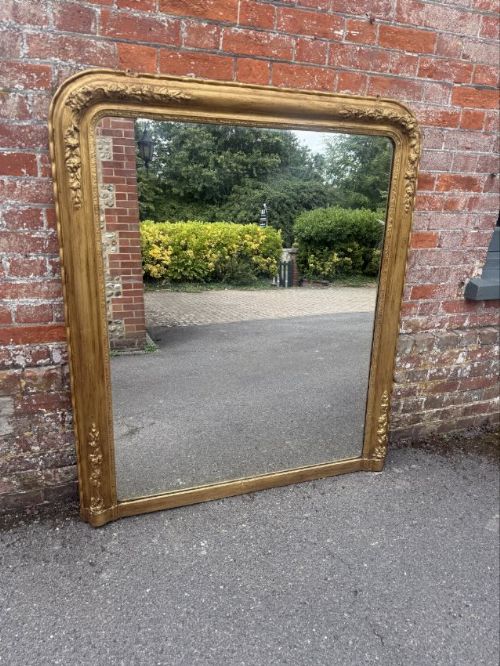
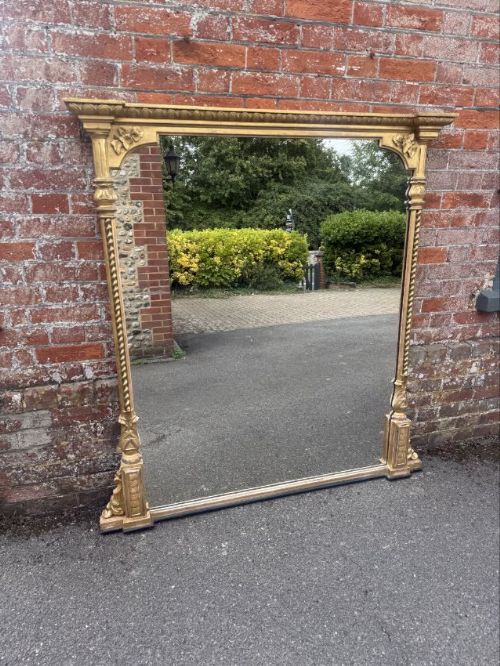
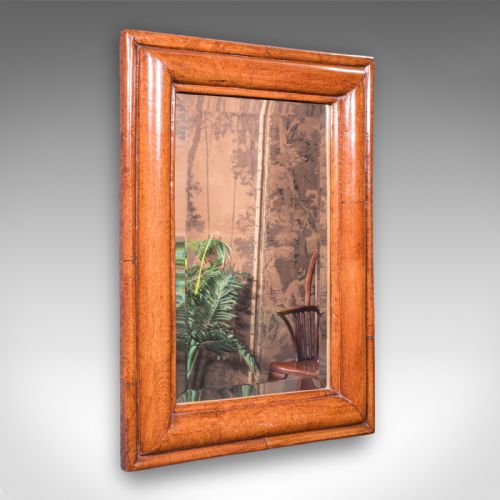
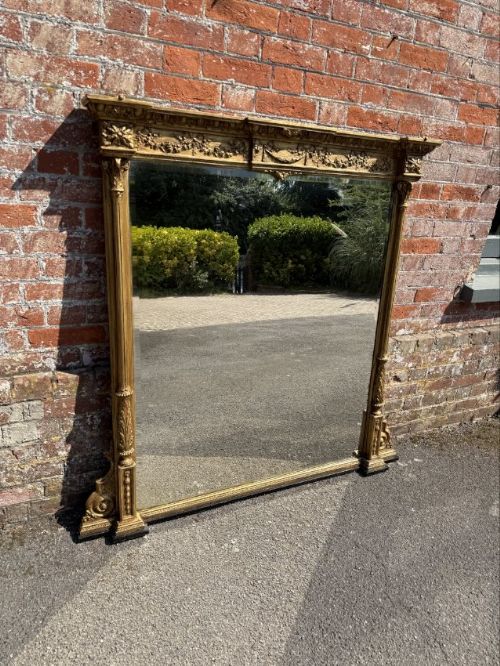
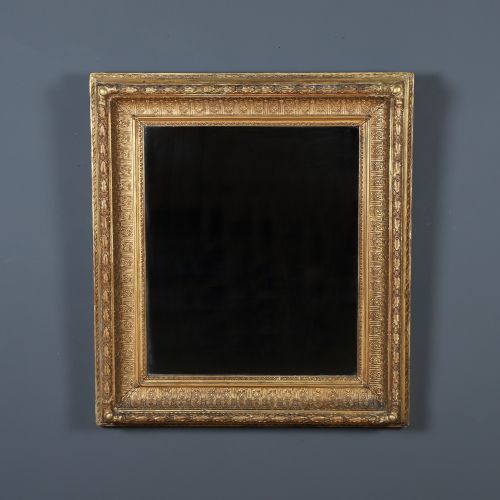
An antique english wall mirror brings depth and historic presence to a room, offering craftsmanship found in nineteenth-century overmantels and Georgian wood frames.
What these pieces are
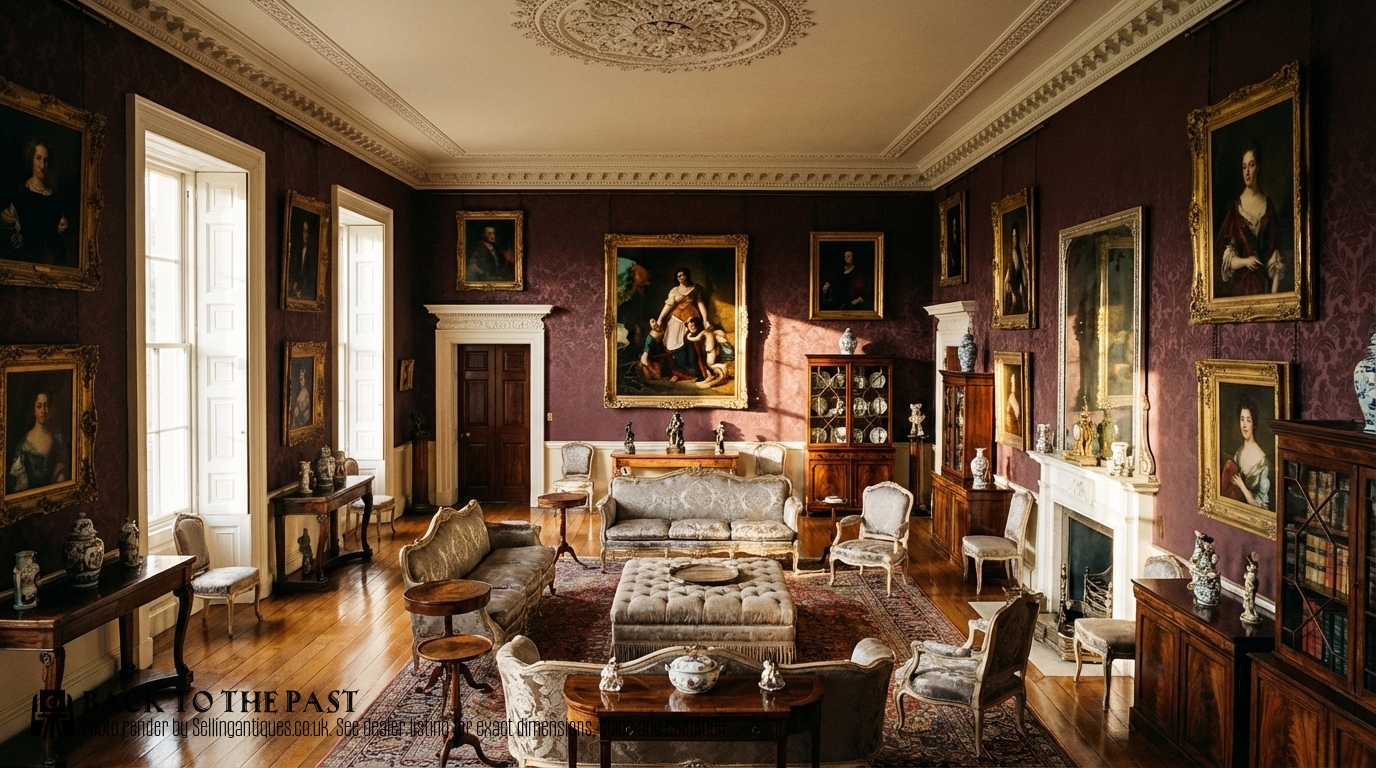
When you search for an antique english wall mirror, you encounter a variety of forms ranging from grand overmantels to smaller portrait and convex hanging glasses. The pieces available span the nineteenth century, including Victorian and Adam style examples, alongside records of Georgian, Regency, and eighteenth-century pieces in the archive.
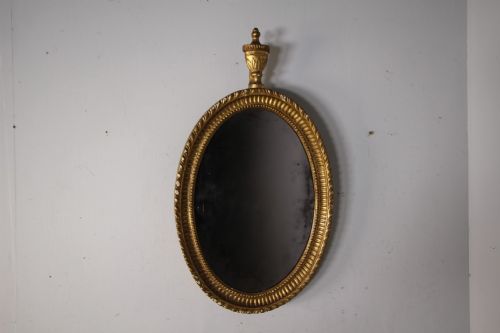
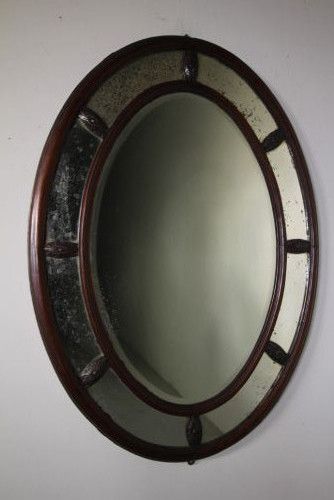
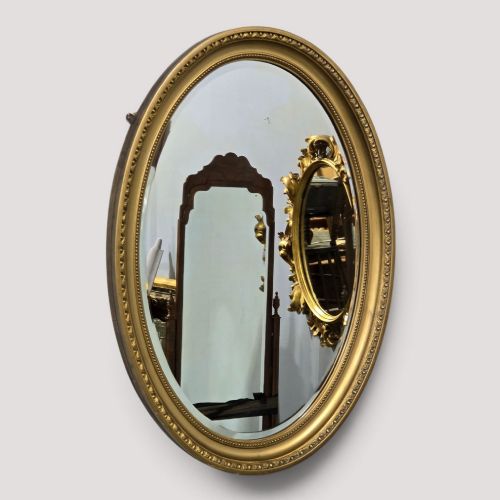
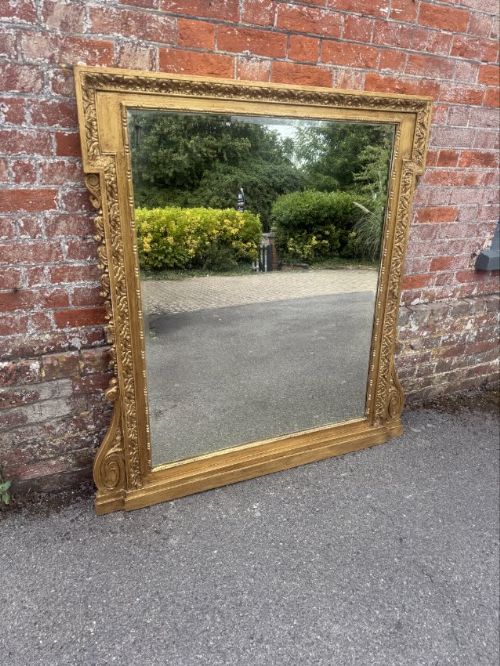
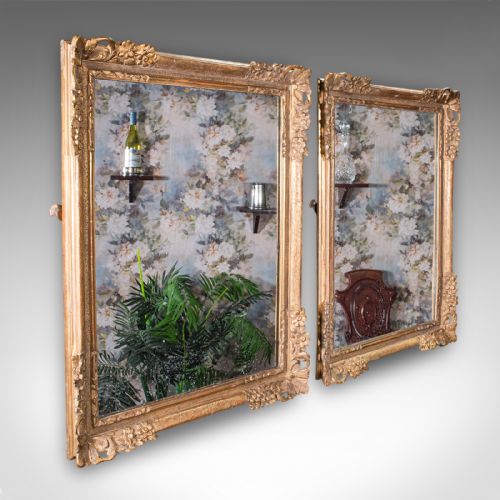
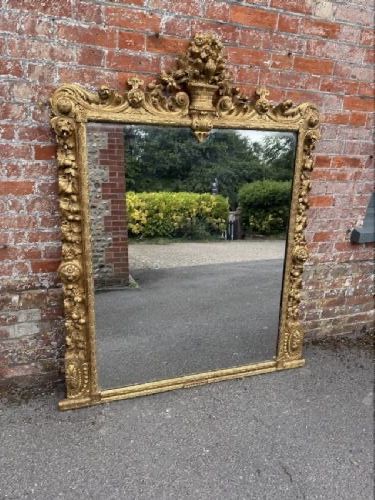
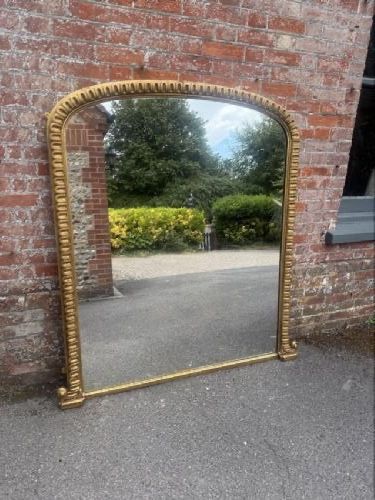
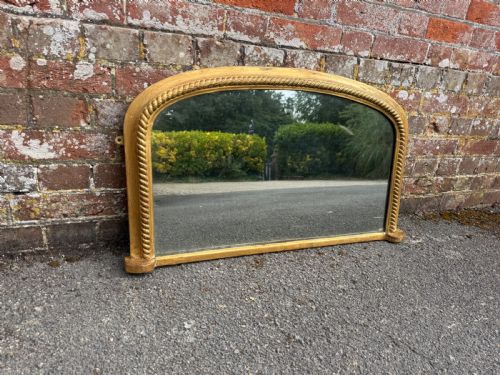
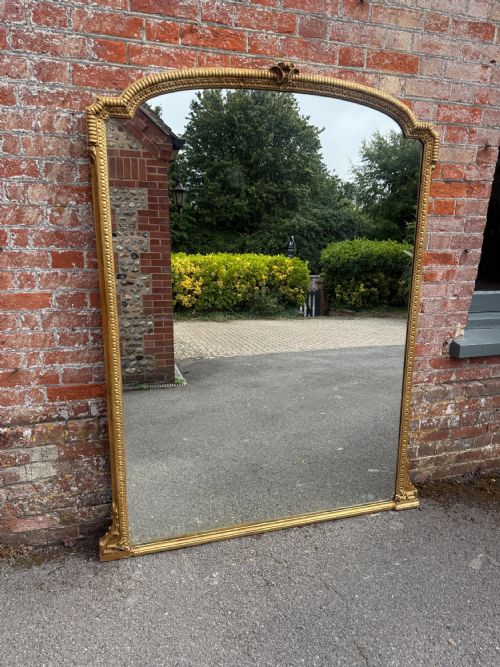
The dominant forms are large gilt overmantel mirrors alongside timber frames in mahogany, walnut, rosewood, and maple. Wall mirrors appear in rectangular, oval, octagonal, and arched formats, often designed to hang above fireplaces or serve functional roles in halls and dressing rooms.
How they were made
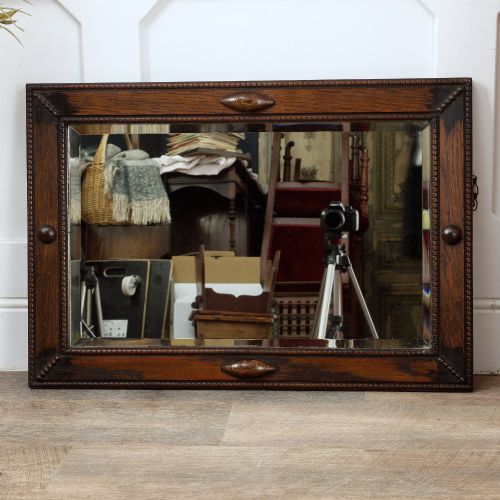
Makers constructed frames from solid timbers including mahogany, walnut, oak, and rosewood, or shaped them using carved wood and gesso. Surface finishes include gold leaf, silver leaf, silvered glass, original paint, and decorative treatments such as faux maple, faux tortoiseshell, and chinoiserie decoration.
Mirrors utilise traditional silvered plates and mercury plates, set within frames featuring carved rope twists, hour glass ribbing, or crisp mouldings. Carved gesso ornamentation provides high relief detail on giltwood overmantels and decorative wall frames.
Retail Price Guide 2026
Typical UK retail prices for english wall mirror, calculated from the Sellingantiques database of over a million retail prices indexed since 2003. This retail price guide relies exclusively on Sellingantiques data; no external sources or auction records are used, so the figures do not describe the wider market.
Listings feature woods including mahogany, walnut, rosewood, oak, and maple, alongside finishes of gold leaf, silver leaf, and painted gesso.
What varies in quality
The standard of a piece rests upon the crispness of the hand-carved woodwork and the depth of the gesso mouldings. Finer frames display sharply defined rope twists, detailed carving, and well-executed decorative finishes like original paint or intact gold leaf.
Proportion and glass selection dictate the distinction between standard and superior pieces. Original mirror plates, whether standard silvered glass or mercury plates, hold greater visual integrity than later replacements.
The Antique English Wall Mirror Glossary
- Gesso
- A plaster-like material applied to wood frames to create a smooth surface for gilding. It is built up in layers and carved with intricate decorative motifs.
- Overmantel Mirror
- A large horizontal mirror designed specifically to hang on the wall directly above a fireplace mantelpiece. These pieces often feature arched tops or elaborate carved frames.
- Convex Mirror
- A circular wall mirror featuring a curved, outward-bulging glass plate that provides a wide-angled reflection of the room. They are frequently framed in giltwood with decorative balls.
- Mercury Plate
- An older type of mirror glass backed with a tin and mercury amalgam before the development of modern chemical silvering. It produces a characteristic mottled, deep reflection.
- Chinoiserie
- European decorative style inspired by Chinese art and design, appearing on mirrors through hand-painted motifs and lacquered surfaces.
Frequently Asked Questions
Where should I hang an overmantel mirror?
These large mirrors sit naturally above a fireplace mantelpiece where they reflect light and anchor the proportions of the room.
Ensure the wall fixings match the substantial weight of carved wood and gesso frames before hanging.
How do I identify a Georgian mirror?
Georgian pieces often feature mahogany or walnut veneers, fretwork carved frames, and upright portrait proportions typical of the eighteenth century.
Construction details on the reverse provide further clues regarding age and origin.
What is a convex mirror used for?
Convex mirrors were historically placed in principal rooms to monitor activity across a wide space through their curved glass reflection.
Their distinct circular shape and gilded frames also served as decorative focal points.
Are original mirror plates common?
Many pieces retain their original glass, which can exhibit light foxing or subtle distortion inherent to historic manufacturing methods.
Original mercury plates add historical authenticity to eighteenth and nineteenth-century frames.