
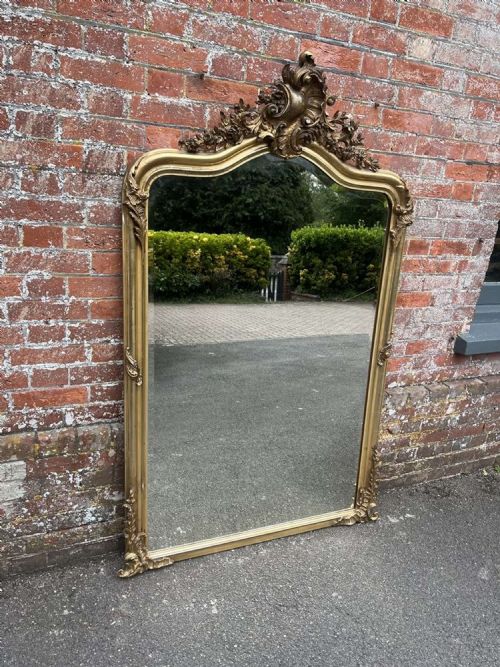
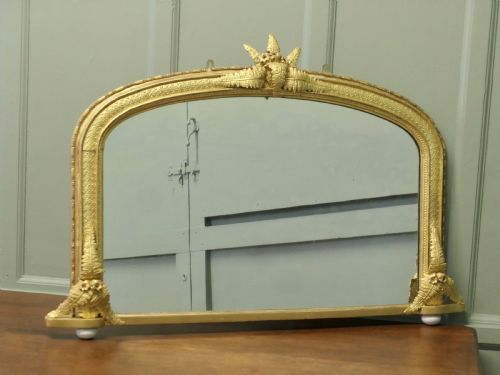

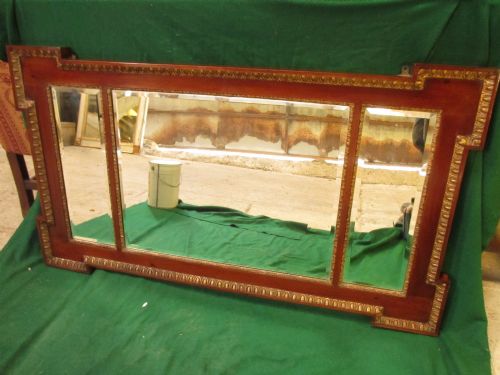
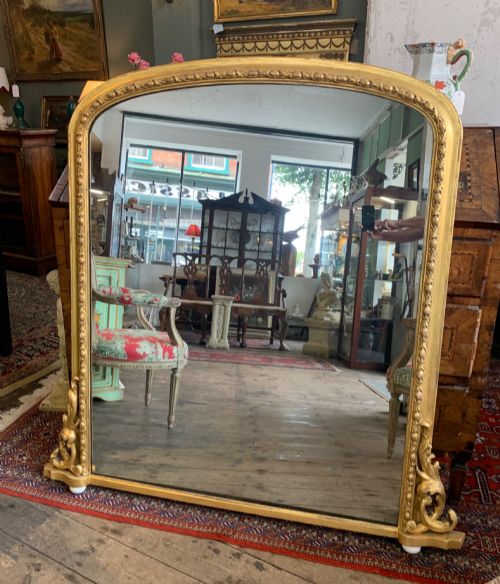
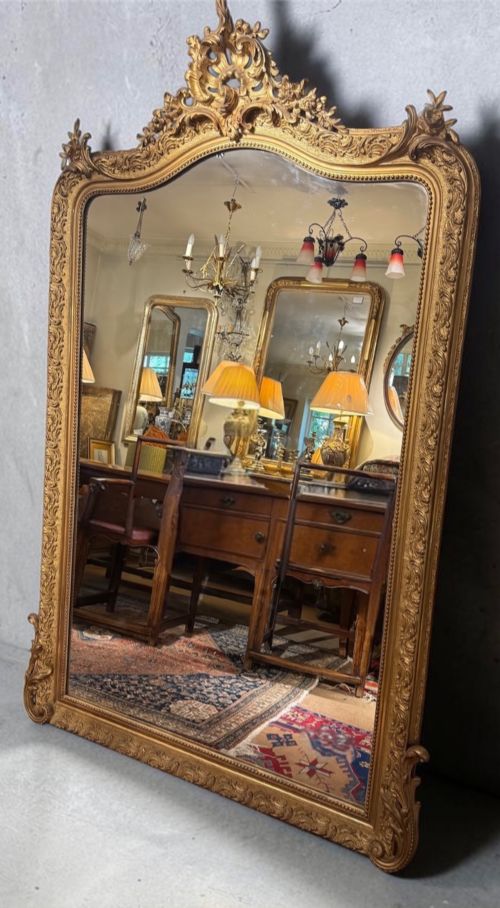
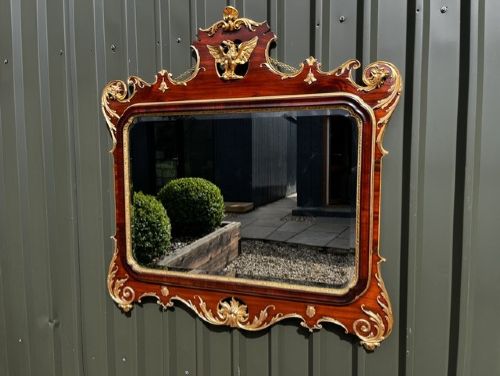
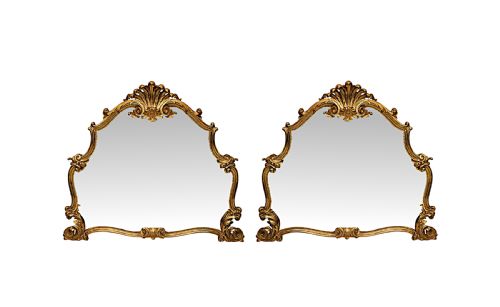
Carved Gilt Mantle Mirror
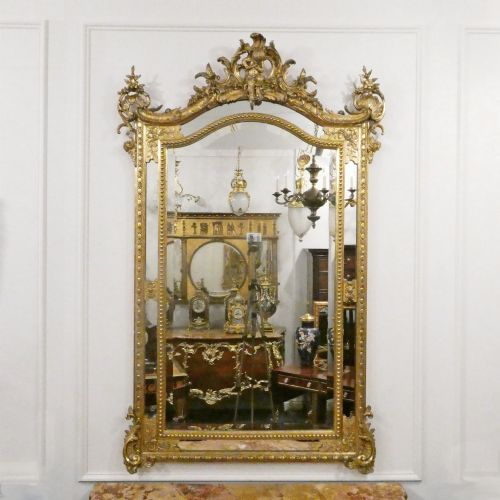
When searching for a carved gilt mantle mirror, you seek grand nineteenth-century overmantel and wall mirrors designed to command a room above a fireplace.
What a carved gilt mantle mirror is
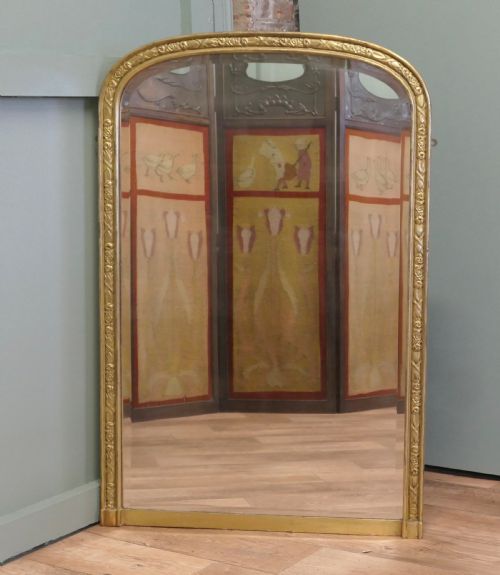
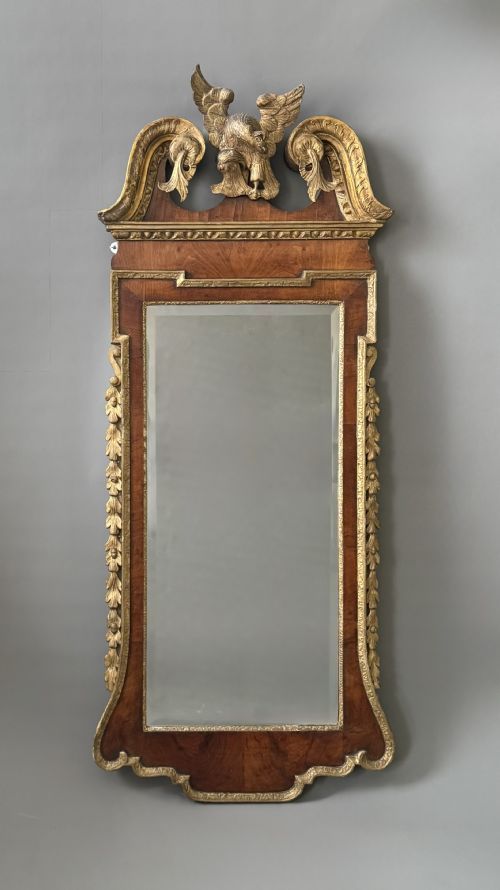
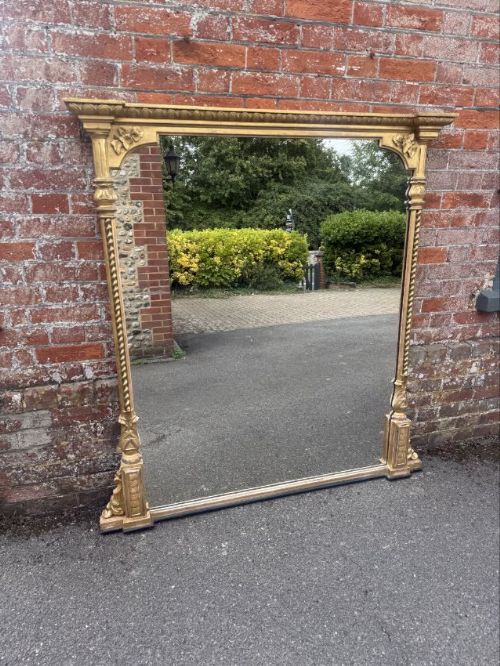
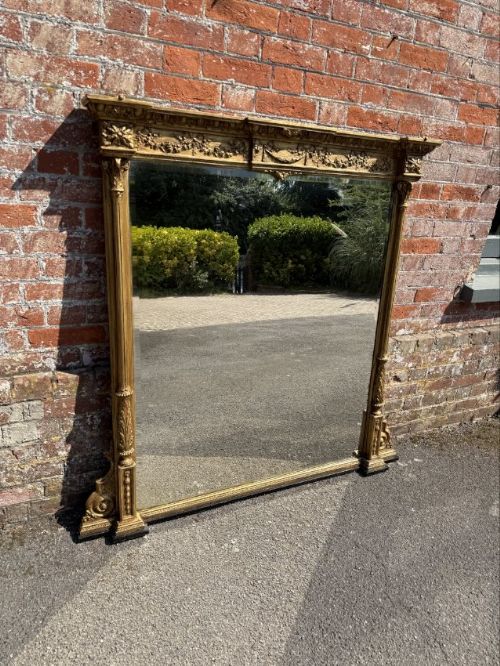
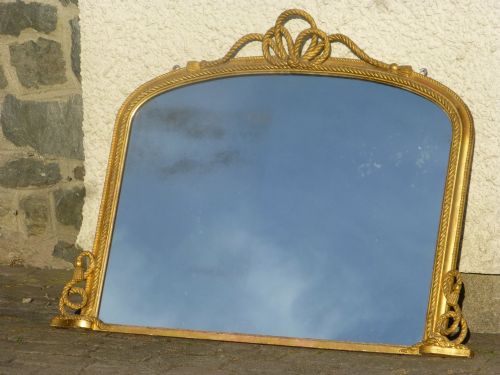
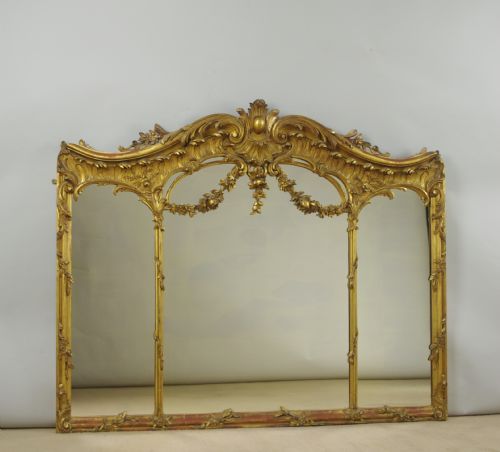
A carved gilt mantle mirror typically presents as a large overmantel or wall mirror designed to sit directly above a fireplace hearth. These pieces belong predominantly to the nineteenth century, spanning Victorian, Edwardian, and Rococo Revival styles.
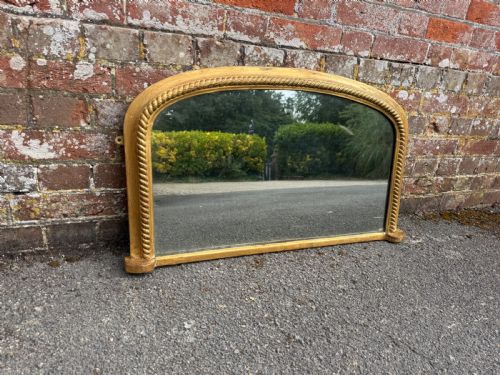
The dominant form on this page is the large English overmantel mirror featuring an arched top or a rectangular profile. Makers fashioned these impressive items to reflect light and anchor the decorative scheme of a formal room.
How they were made
Craftsmen built the underlying carcase using pine or carved wood to form the structural frame. They then applied layers of gesso to the wooden substrate, allowing them to carve intricate relief ornamentation and ribbed patterns into the surface.
Makers finished these frames by applying gold leaf, silver, or liquid composition gilding over the prepared gesso and wood. This traditional layering technique created the reflective metallic surfaces characteristic of period mirrors.
Retail Price Guide 2026
Typical UK retail prices for carved gilt mantle mirror, calculated from the Sellingantiques database of over a million retail prices indexed since 2003. This retail price guide relies exclusively on Sellingantiques data; no external sources or auction records are used, so the figures do not describe the wider market.
Victorian craftsmen occasionally hid secret brush marks beneath layers of gesso, leaving silent signatures of their long hours in dusty workshops.
What varies in quality
Quality rests upon the depth and crispness of the carved wood and gesso ornamentation. Finer examples display sharp, hand-finished detailing across arched frames and scrollwork rather than soft, moulded composition details.
The integrity of the original gilt surface dictates distinction at the higher end of the scale. Pieces retaining their original gold leaf layer without heavy over-gilding demonstrate superior preservation and craftsmanship.
The Carved Gilt Mantle Mirror Glossary
- Gesso
- A plaster-like mixture applied to wood frames as a base for carving and gilding. This material allowed artisans to model complex relief designs before applying gold leaf.
- Overmantel Mirror
- A large mirror specifically proportioned to hang on the wall directly above a mantelpiece. These pieces often feature horizontal expanses or tall arched tops.
- Giltwood
- Timber that has been coated with gold leaf or a gold-coloured finish. It forms the primary visual element of nineteenth-century decorative frames.
- Rococo Revival
- A nineteenth-century design style drawing on eighteenth-century French motifs such as scrolls, asymmetrical curves, and naturalistic ornamentation. This aesthetic defines many ornate mantle mirrors.
- Composition
- A moulded paste of whiting, resin, glue, and oil pressed into ornamental shapes. Makers used this material alongside carved wood to build up complex frame decorations quickly.
Frequently Asked Questions
Where should I hang a carved gilt mantle mirror?
These mirrors traditionally anchor the space directly above a fireplace mantelpiece, where their large scale balances the hearth below. Their substantial dimensions also allow them to function effectively as standalone wall mirrors in principal rooms.
Because they project presence and reflect light, position them opposite a window to brighten darker corners of a reception room.
How do I date a nineteenth-century gilt mirror?
Dating relies on examining the framing materials, backboards, and stylistic traits such as Victorian Rococo Revival curves or Edwardian proportions. Nineteenth-century examples frequently combine carved wood and gesso over pine carcases.
Archival records show these pieces appearing consistently across the 1860s, 1870s, and into the Edwardian era with subtle shifts in framing weight.
What is the difference between gesso and carved wood?
Carved wood forms the structural and sculptural core of the frame, shaped directly from timber like pine. Gesso is the fine plaster layer applied over the wood to receive intricate surface carving and gilding.
Finer antique pieces rely heavily on deep hand-carving within the wood and gesso layers rather than relying solely on moulded composition.
How do I clean an antique giltwood frame?
Dust the gilded surface gently with a soft, dry ostrich feather duster to remove surface particles without disturbing the delicate gold leaf. Avoid liquid cleaners, water, or chemical solvents entirely, as these agents strip fragile historic gilding.
Professional conservation is recommended if the gesso or gold leaf shows signs of flaking or detachment from the wood base.