




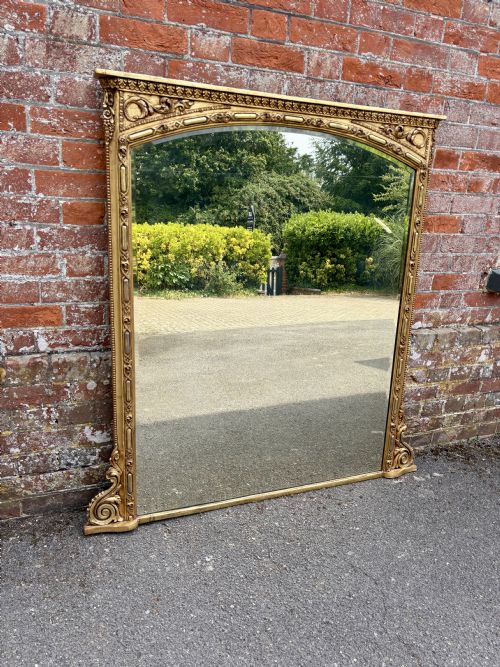
Edwardian Gold Mirror
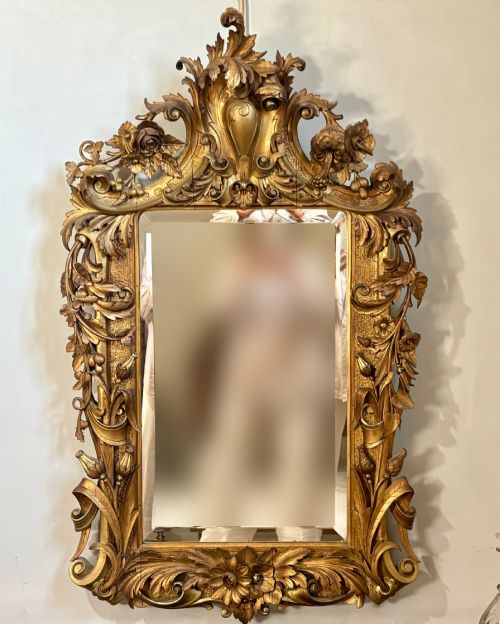
An edwardian gold mirror brings warmth and light to a room through carved giltwood frames and lustrous gilt finishes.
Edwardian Gold Mirror
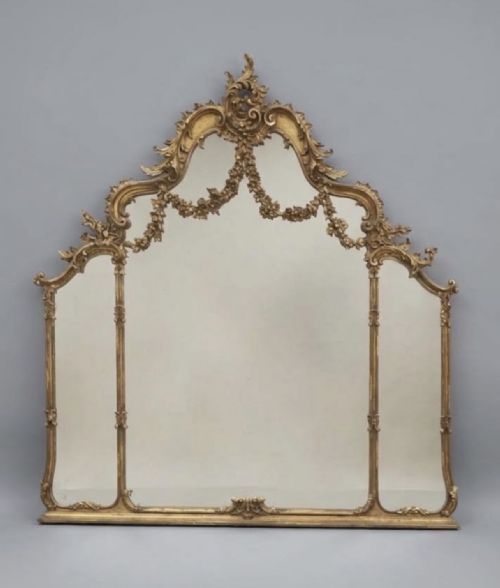
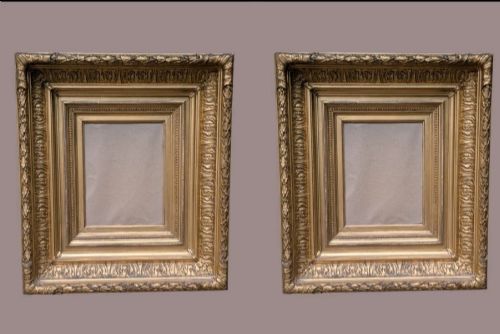
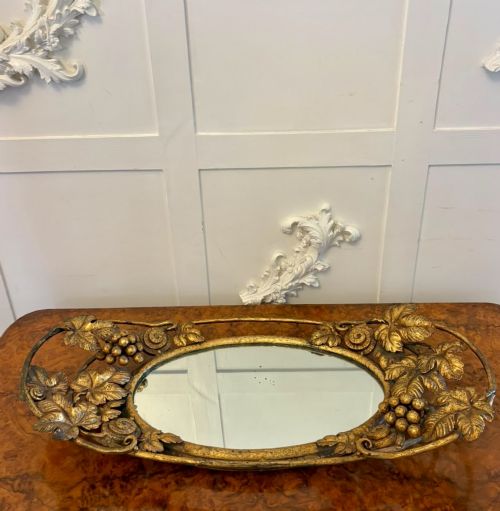
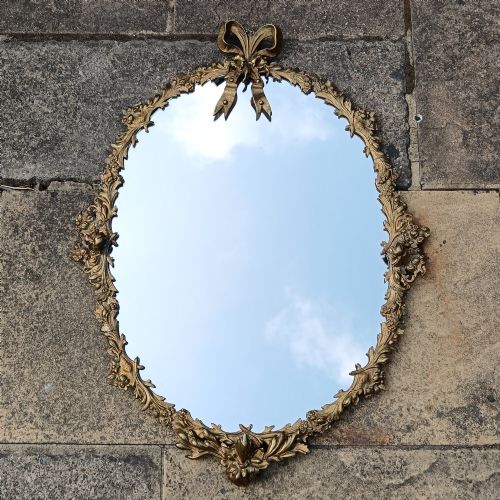
An edwardian gold mirror encompasses a variety of forms including large overmantel mirrors, wall mirrors, pier mirrors, and dressing mirrors originating from the nineteenth and early twentieth centuries. These pieces reflect diverse stylistic influences spanning the Victorian period, Regency revival, French chateau style, and Chinoiserie.
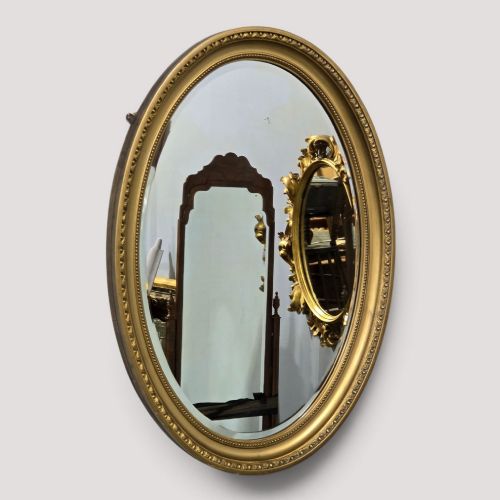
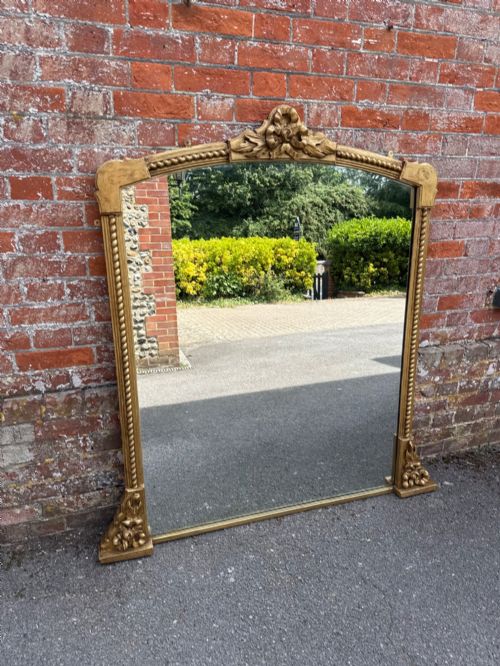
The version most commonly met on this page is the large overmantel mirror designed to sit above a fireplace, alongside smaller oval and round wall mirrors framed in carved wood and gesso.
How They Were Made
Makers constructed the foundation of these pieces using timber such as wood, rosewood, or ebonised wood, upon which they applied composition and gesso to build up intricate decorative motifs.
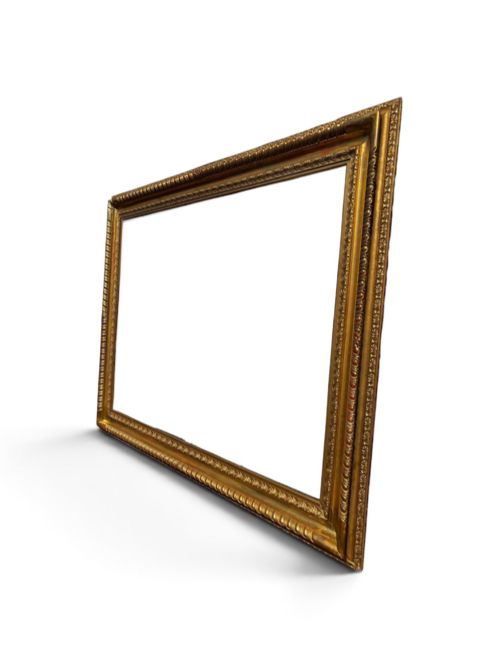
Surfaces received a layer of gold leaf, gilt, or giltwood, often burnished to catch the light, while early examples utilised traditional mercury plate glass.
Edwardian Gold Mirror Retail Price Guide 2026
Typical asking prices for edwardian gold mirror among the pieces listed under this phrase on Sellingantiques today, from the lower quarter to the upper quarter. They describe what is for sale here now, not the wider market.
Listings span periods from the nineteenth century into the twentieth century, incorporating materials like glass, gesso, giltwood, and composition.
What Varies In Quality
The crispness of the carved wood and gesso ornamentation dictates the visual weight of the frame, where deeper, hand-carved details distinguish superior examples from simpler moulded compositions.
The integrity of the original gilding and the depth of the glass plate determine the overall presence and period authenticity of the piece.
The Edwardian Gold Mirror Glossary
- Gesso
- A plaster-like mixture applied to wood frames to provide a smooth surface for gilding. It allows craftsmen to carve intricate relief details before applying gold leaf.
- Giltwood
- Timber that has been coated with gold leaf or gilt paint. This material forms the primary structure of many decorative mirrors from the period.
- Overmantel mirror
- A large wall glass specifically proportioned to hang on the chimney breast above a fireplace mantel. These pieces often feature arched or shaped tops.
- Pier mirror
- A tall, narrow glass designed to fit the wall space between two windows. They frequently pair with console tables placed directly below.
- Convex mirror
- A round glass with a curved surface that reflects a wide, distorted field of vision. These frames often incorporate ball-bearing details around the perimeter.
Edwardian Gold Mirror: Frequently Asked Questions
Where should an overmantel mirror hang?
An overmantel mirror hangs centrally on the wall directly above a fireplace mantelpiece. This placement reflects light from windows across the room and anchors the surrounding interior.
Historically, these mirrors sat flush against the chimney breast to balance the proportions of the hearth below.
How do I identify an Edwardian mirror?
An Edwardian mirror typically dates from the early twentieth century and often displays lighter decorative influences such as Adam or Regency revivals. Makers favoured refined giltwood frames and balanced proportions compared to heavier Victorian designs.
Examining the construction of the timber backing and the composition of the gesso helps confirm the period of manufacture.
What is a pier mirror used for?
A pier mirror occupies the narrow wall section between two windows where natural light is brightest. This positioning maximises illumination within a period room.
These tall mirrors often coordinate with small console tables positioned at the base.
How do I care for antique gilding?
Antique gilding requires dusting with a soft, dry cloth to prevent abrasion to the delicate gold leaf layer. Moisture and chemical cleaning agents damage both the metal leaf and the underlying gesso.
Keeping the piece away from direct heat sources protects the timber frame from warping over time.