



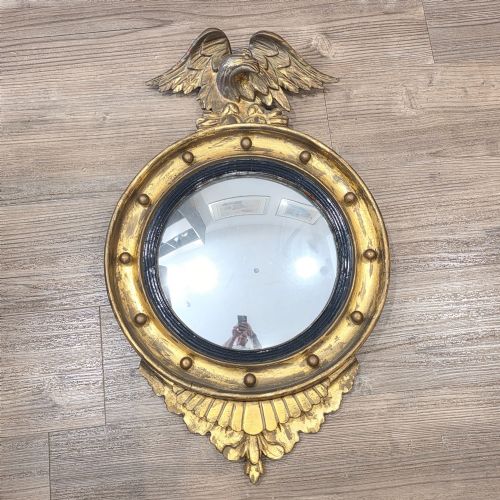

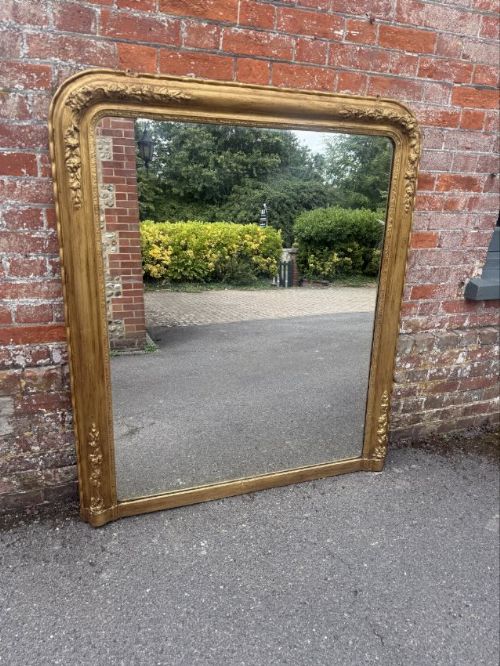
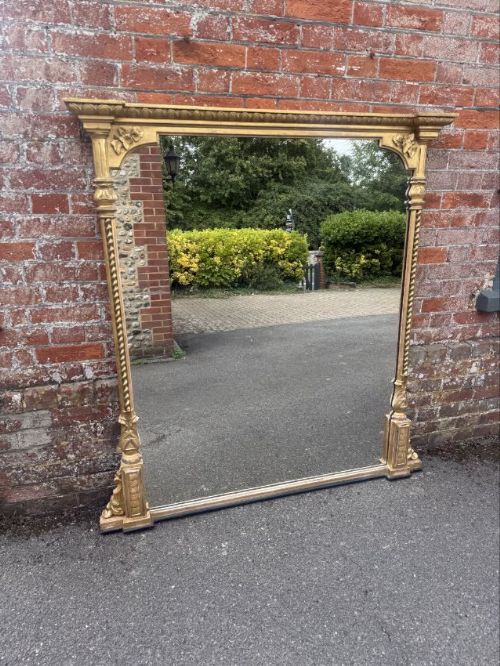
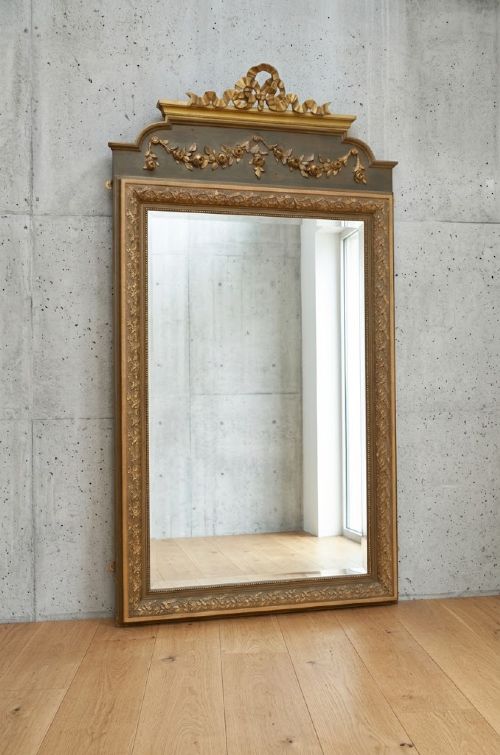
Large Gold Mirror
A large antique gold mirror commands a room, reflecting light and space through decades of history.
Large antique gold mirror forms and periods
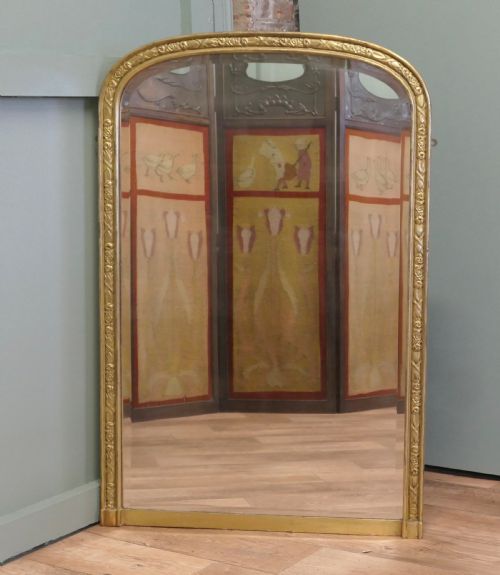
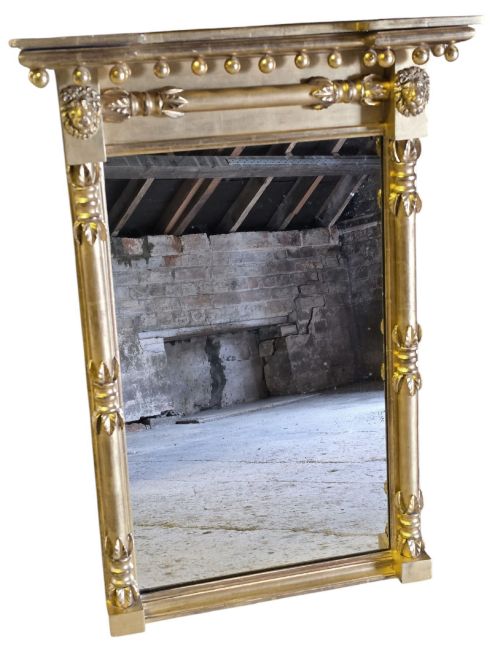
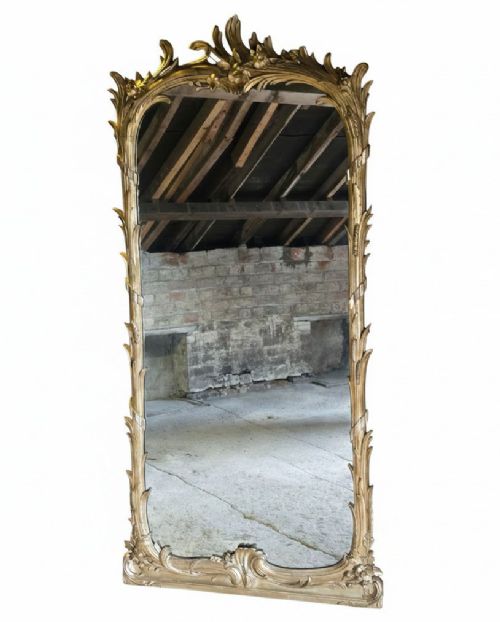
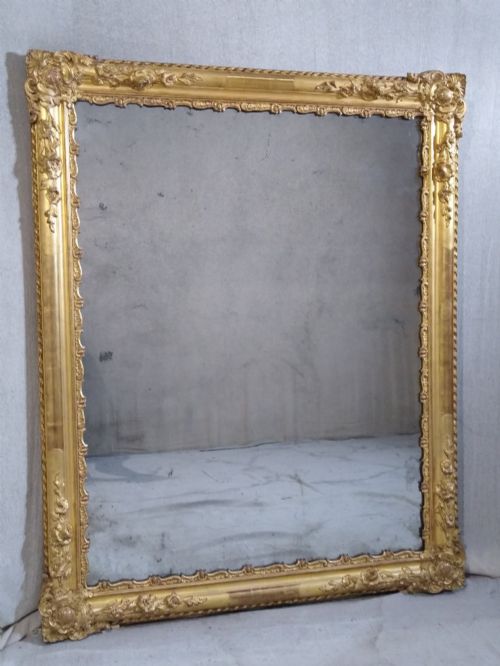
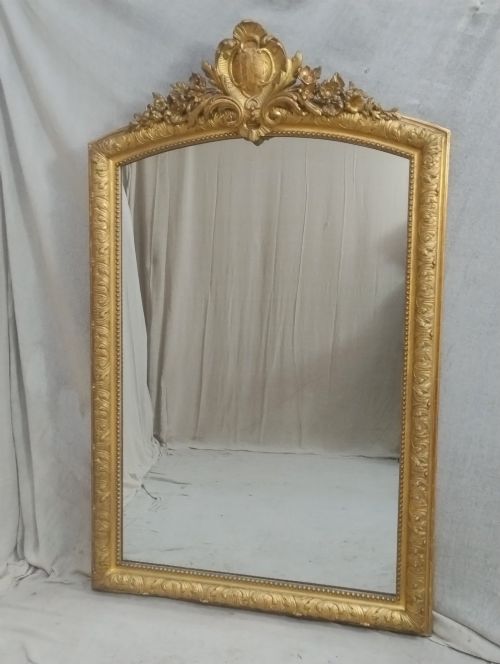
A large antique gold mirror typically appears as an overmantel, wall mirror, or full-height floor mirror dating from the nineteenth century. These substantial pieces serve a decorative and functional purpose, often anchoring a room with their grand proportions.
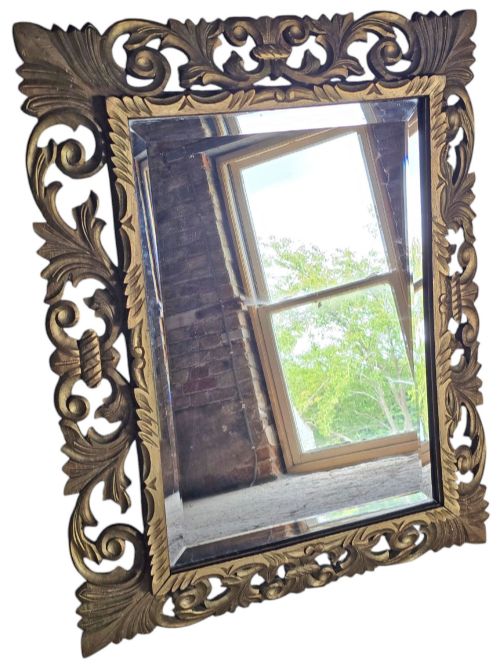
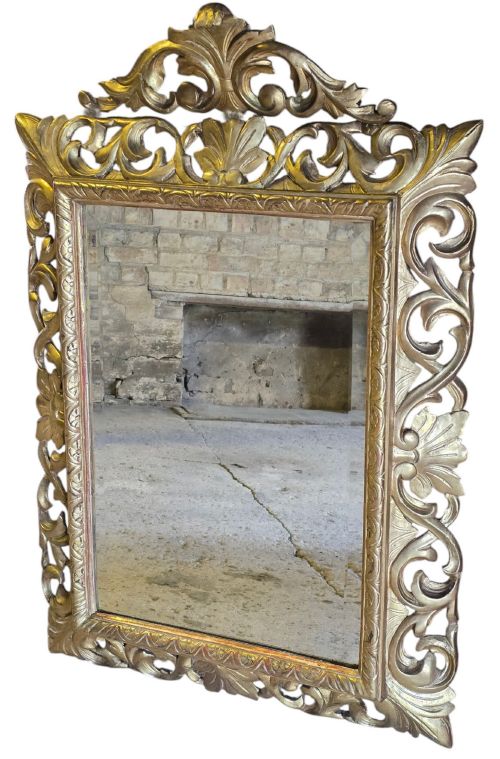
The selection includes specific regional designs, such as French wall mirrors, Italian Renaissance Revival pieces, and ornate Florentine frames. Overmantel varieties dominate the records, shaped to sit comfortably above a fireplace.
Surviving examples span from the early nineteenth century through to nineteen hundred, encompassing Rococo Revival styles and ebonised finishes alongside traditional giltwood. Each form reflects the aesthetic preferences of its decade of origin.
Materials and construction methods
Makers built these frames using timber such as wood, applying layers of gesso to create smooth surfaces for gilding. Gold leaf or gilt finishes provide the characteristic metallic sheen.
Underlying red bole frequently supports the gold leaf, showing through where wear occurs over time. Glass components include standard and bevelled glass, fitted securely into the ornate wooden structures.
Retail Price Guide 2026
Typical UK retail prices for large gold mirror, calculated from the Sellingantiques database of over a million retail prices indexed since 2003. This retail price guide relies exclusively on Sellingantiques data; no external sources or auction records are used, so the figures do not describe the wider market.
Listings feature materials including gesso, giltwood, wood, red bole, and bevelled glass across nineteenth-century styles.
Craftsmanship and design depth
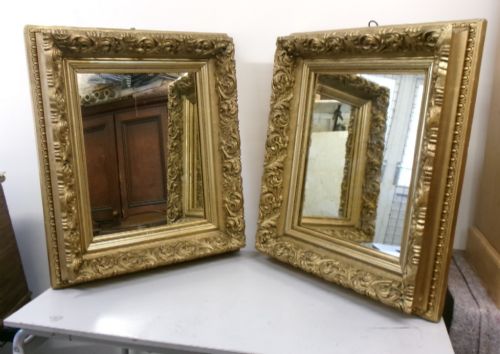
The complexity of the carved ornamentation dictates the visual weight and ambition of the piece. Deeply carved giltwood and intricate crestings distinguish the finest examples from simpler moulded frames.
The integrity of the original gilding and the clarity of the glass plate influence the overall presence of the mirror. Superior craftsmanship shows in the crispness of the gesso work and the harmonious integration of frame and glass.
Charles Nosotti
The Large Gold Mirror Glossary
- Giltwood
- Wood that has been covered with a thin layer of gold leaf or gilt paint. This finish creates the luminous surface seen on nineteenth-century frames.
- Gesso
- A plaster-like mixture applied to wood frames to provide a smooth base for carving and gilding. It allows for intricate decorative relief work.
- Overmantel
- A large mirror specifically designed to hang above a fireplace mantelpiece. These pieces often feature horizontal proportions suited to domestic interiors.
- Red Bole
- A reddish clay preparation applied beneath gold leaf in traditional gilding. When the gold wears thin, the warm red tone shows underneath.
- Bevelled Glass
- Glass with edges cut and polished at an angle to create a framed effect within the glass itself. This technique adds depth to the reflection.
Frequently Asked Questions
How do I hang a heavy overmantel mirror?
These heavy frames require secure wall anchors fixed directly into masonry or substantial timber studs. Professional installation ensures the weight distributes safely across the wall structure.
Positioning the mirror at the correct height above a fireplace or console table balances the proportions of the room. Adequate support prevents shifting over time.
Are all these mirrors from the nineteenth century?
Most surviving examples date from the nineteenth century, spanning various decades up to nineteen hundred. Styles range from Rococo Revival to Renaissance Revival.
Specific dates appear in records from eighteen eighty to nineteen ten. Each period carries distinct decorative characteristics.
What is the difference between giltwood and gilt gesso?
Giltwood refers to solid wood that is gilded, while gilt gesso involves a plaster ground applied to a wooden carcass before gilding. Gesso allows for sharper, more sculptural relief moulding.
Both materials achieve a similar golden appearance but differ in their underlying construction. Examination of the frame edges reveals the gesso layer beneath the gold leaf.
How should I clean an antique gold frame?
Dust the ornate carvings gently with a soft, dry brush to remove surface particles without disturbing the delicate gold leaf. Avoid liquid cleaners and harsh chemicals which can damage the historic surface.
Glass panels require standard glass cleaner applied to a cloth rather than sprayed directly onto the mirror. This prevents moisture from seeping into the wooden frame joints.