


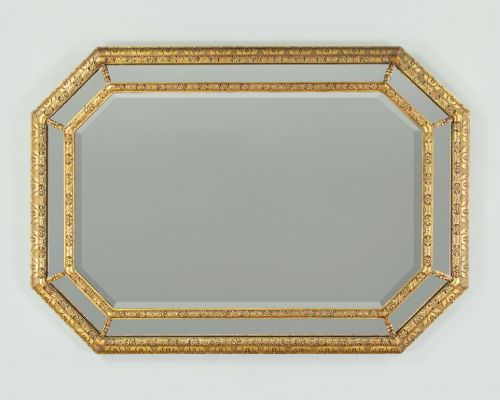
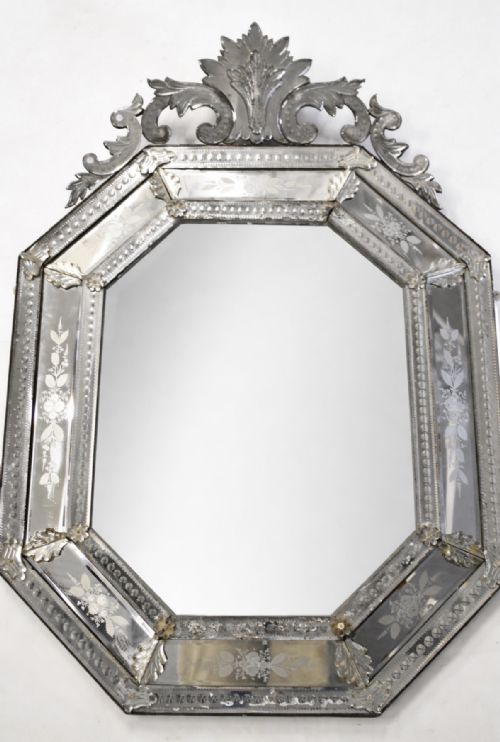
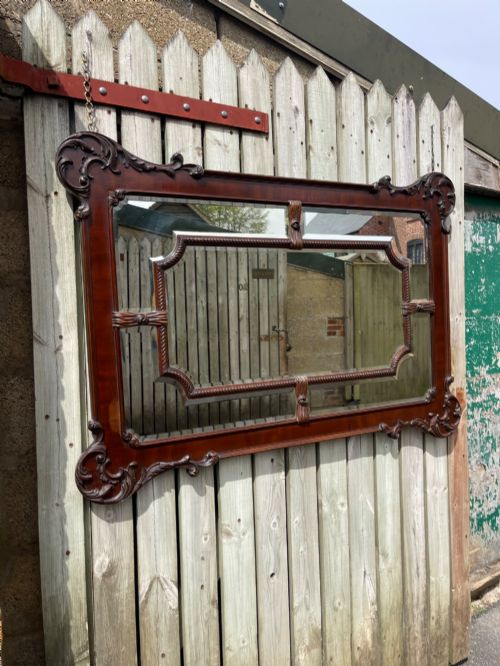
Antique Cushion Frame Mirror
An antique cushion frame mirror brings deep architectural profile and heavy timber or metal presence to a wall.
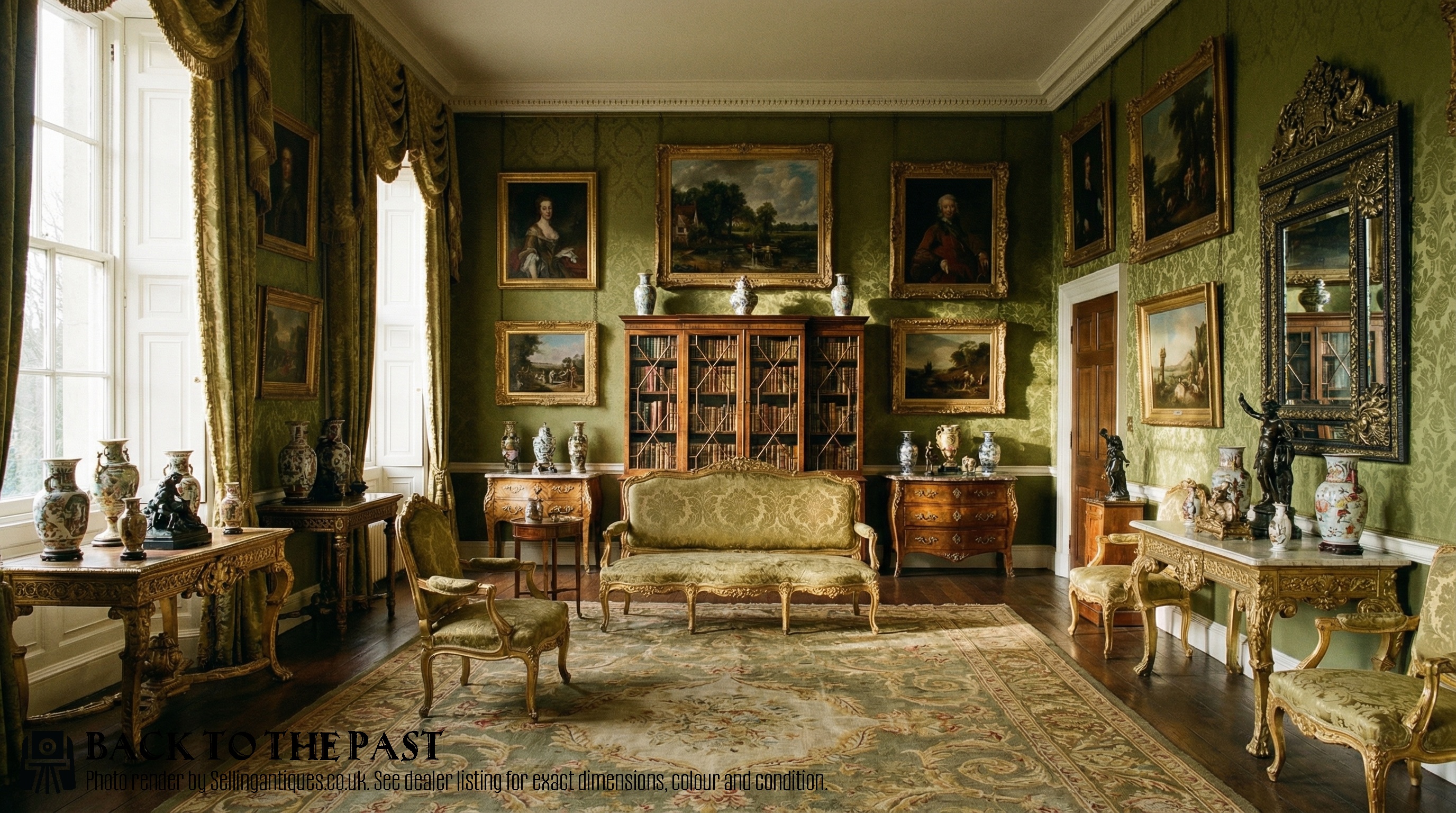
Antique Cushion Frame Mirror
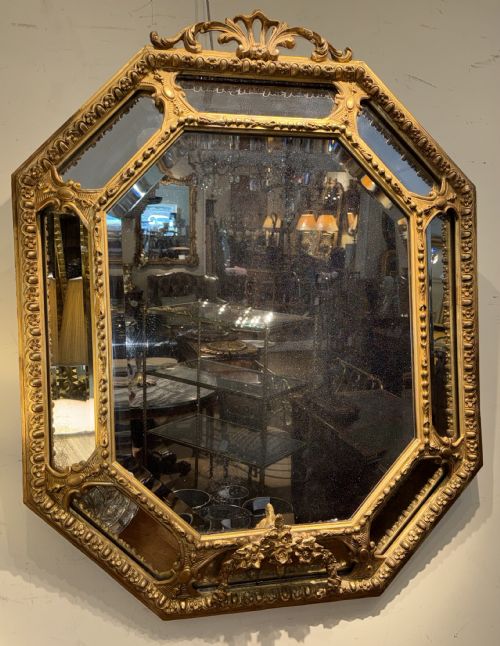
The evidence shows periods spanning the Georgian era, the late nineteenth century, and around nineteen hundred, alongside styles such as Dutch Baroque Revival, nineteenth century country, and Edwardian. Surviving examples often present generous proportions suitable for use as large wall pieces or overmantles.
How they were made
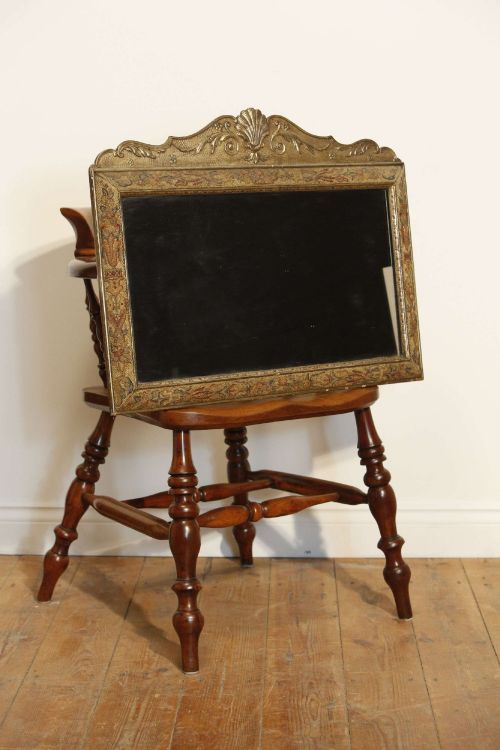
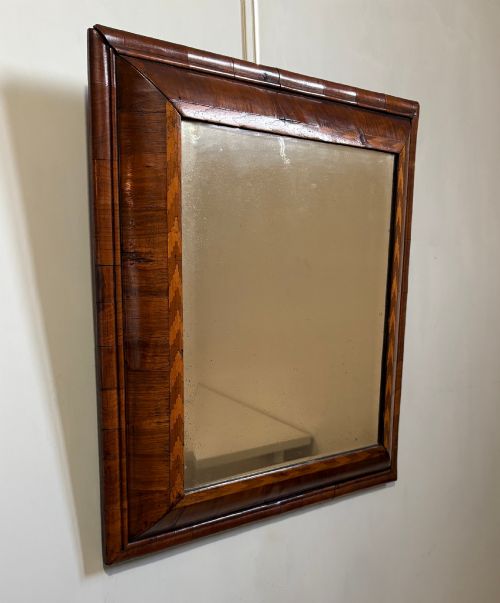
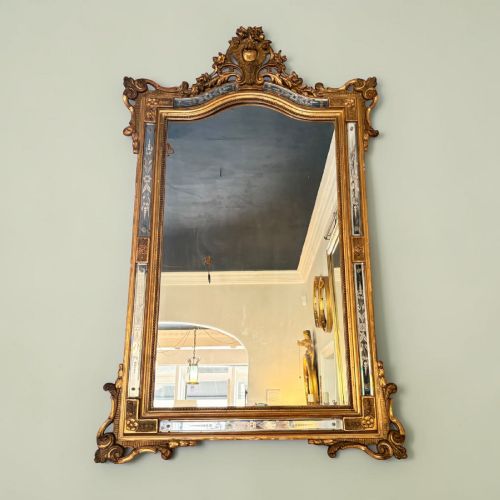
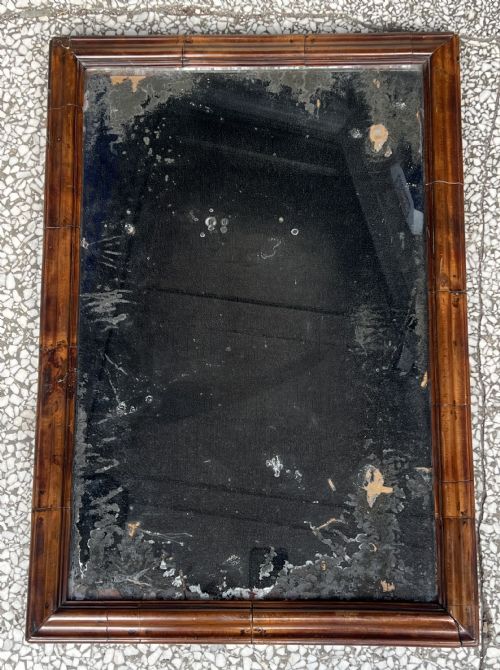
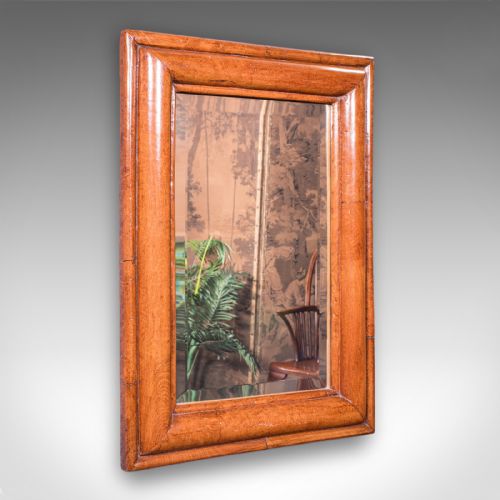
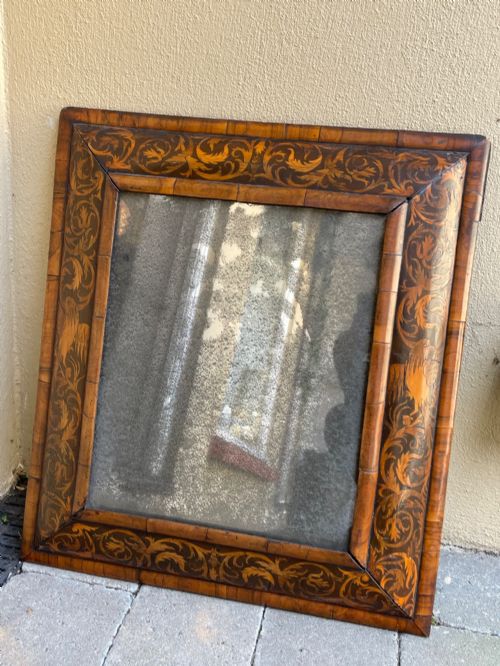
Maker construction relies on solid timbers like oak, walnut, and burr maple, alongside carved wood and gesso frames finished with gilt, silvering, or paint. Embossed brass provides an alternative metal surface for Dutch styles, while glass forms the central reflective plate.
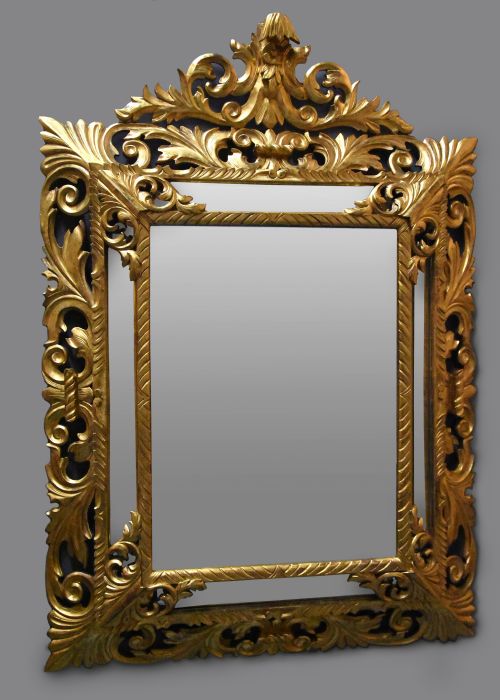
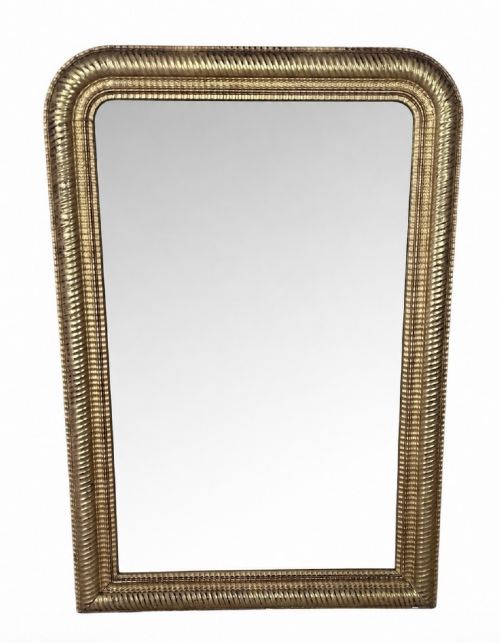
Framing techniques involve shaped tops and rope twist carvings applied to the prominent cushion moulding. Timber surfaces show traditional joinery methods suited to heavy wall-hanging mirror frames.
Antique Cushion Frame Mirror Retail Price Guide 2026
Typical asking prices for cushion frame mirror among the pieces listed under this phrase on Sellingantiques today, from the lower quarter to the upper quarter. They describe what is for sale here now, not the wider market.
Some nineteenth century frames wear rope twist carvings so deeply undercut they practically beg to be touched like spun sugar.
What varies in quality
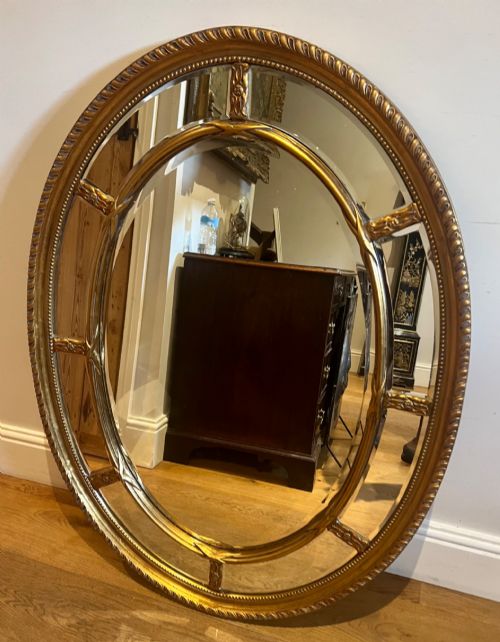
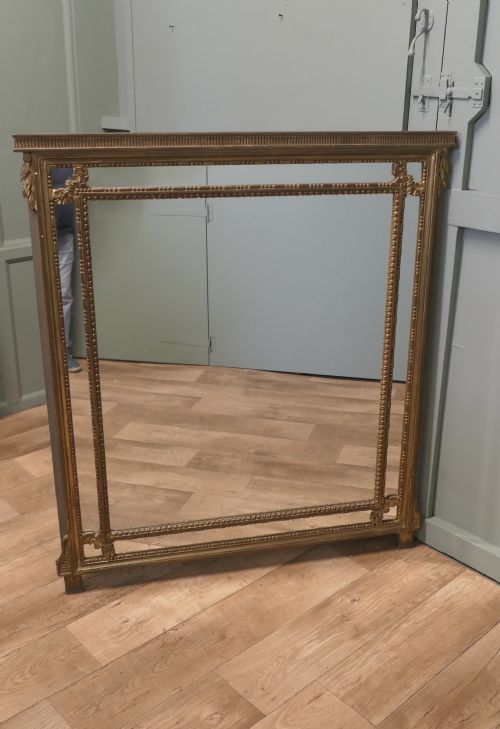
Quality rests in the depth and execution of the carved wood, gesso work, and timber figuring, where burr maple and walnut display superior natural grain patterns. The crispness of rope twist mouldings and the preservation of original silvered or gilt finishes separate standard items from finer works.
Substantial scale and structural integrity define the more impressive survivals across French, Dutch, and Georgian examples. The integration of original mirror glass plates alongside well-balanced proportions determines the overall decorative merit.
The Antique Cushion Frame Mirror Glossary
- Cushion frame
- A framing moulding that slopes outwards like a pillow towards the outer edge. This profile defines the entire visual character of the mirror.
- Gesso
- A plaster-like mixture applied to wood frames to create a smooth surface for gilding or painting. It allows intricate decorative carving.
- Overmantle mirror
- A large wall mirror specifically designed to hang above a fireplace mantelpiece. These pieces often feature very wide proportions.
- Burr maple
- A wood veneer showing twisted, knotty growth patterns that create rich figuring. It appears on finer Georgian frames.
- Rope twist
- A carved decorative moulding resembling twisted rope cords. It frequently borders the cushion profile on nineteenth century frames.
Antique Cushion Frame Mirror: Frequently Asked Questions
What is a cushion frame mirror?
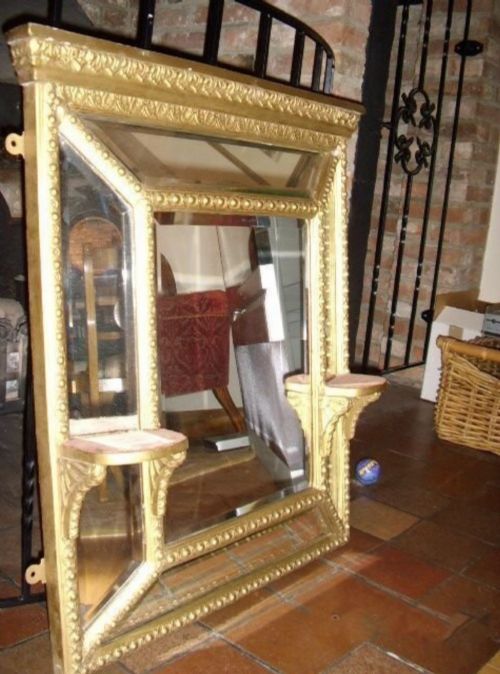
A cushion frame mirror is a wall mirror distinguished by a convex, sloped wooden or metal moulding that pushes outwards towards the outer edge. This pillow-like profile creates strong visual depth and shadow on the wall.
Surviving examples utilise materials such as oak, burr maple, embossed brass, and gilt gesso across Georgian and nineteenth century periods.
How do I hang a heavy antique mirror?
Due to the substantial weight of timber frames, carved gesso, and large glass plates, secure wall fixings into masonry or structural studs are essential. Professional mirror hangers utilise heavy-duty brackets suited to the exact weight of the piece.
Placement should account for the scale of the wall and surrounding furniture, particularly with large overmantle formats.
Are these mirrors French or English?
The available record demonstrates diverse origins, including French carved wood and gesso pieces, Dutch brass examples, and Georgian English walnut and burr maple designs. Regional styles range from Dutch Baroque Revival to nineteenth century country.
Carving details, timber selection, and framing techniques generally indicate the likely country of origin.
What styles do these mirrors come in?
The evidence records styles spanning Georgian, Edwardian, Dutch Baroque Revival, and nineteenth century country. Details such as rope twist carvings, embossed brass, and painted finishes define these distinct aesthetics.
Proportions vary from standard wall mirrors to very large overmantle formats with shaped tops.