

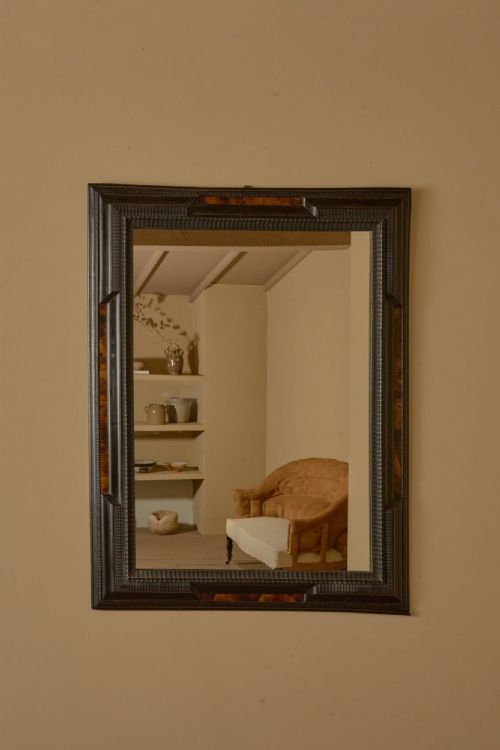
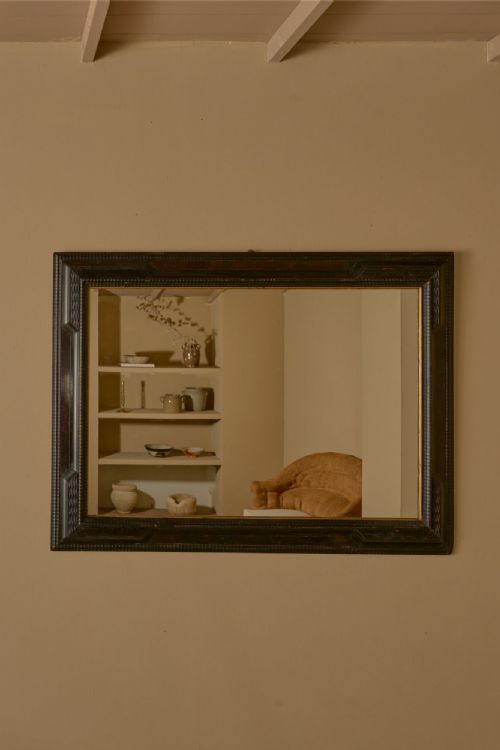
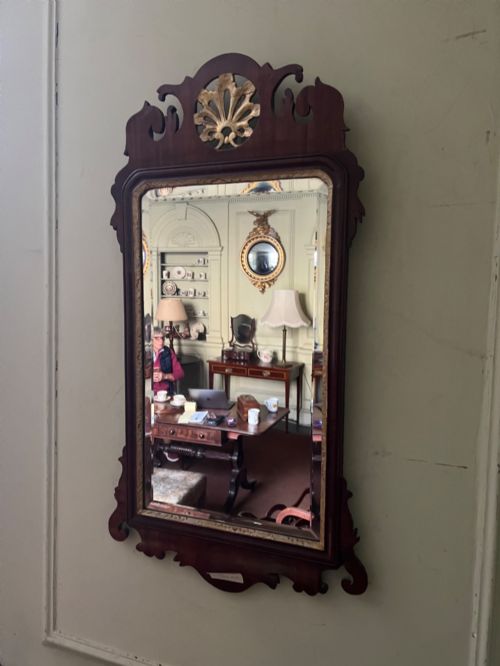
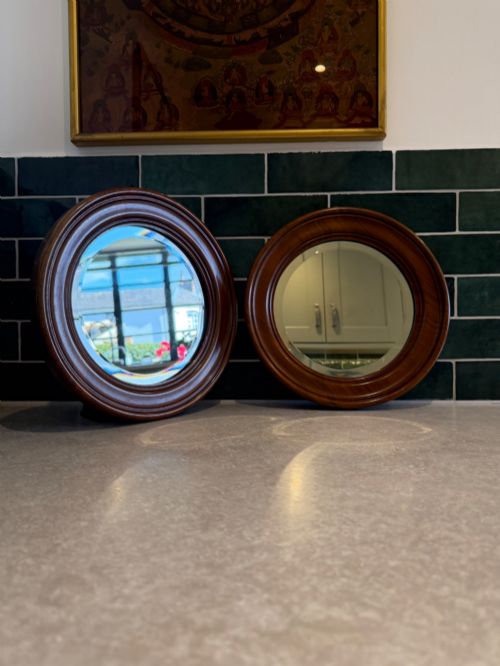
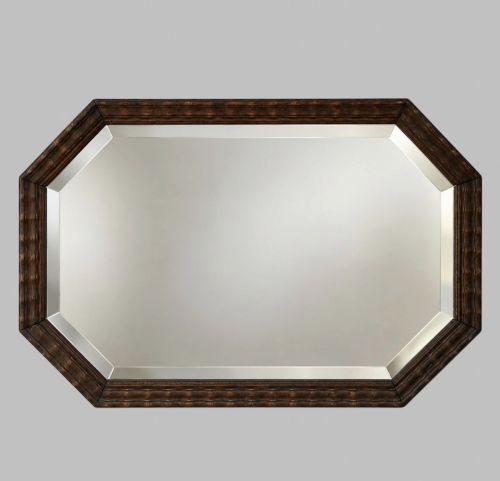
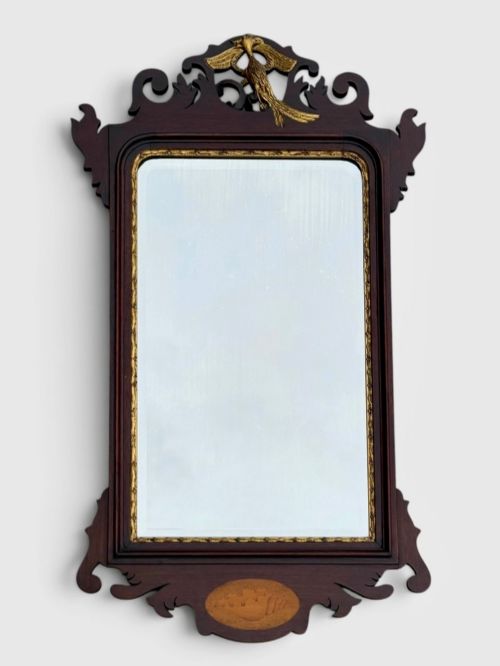
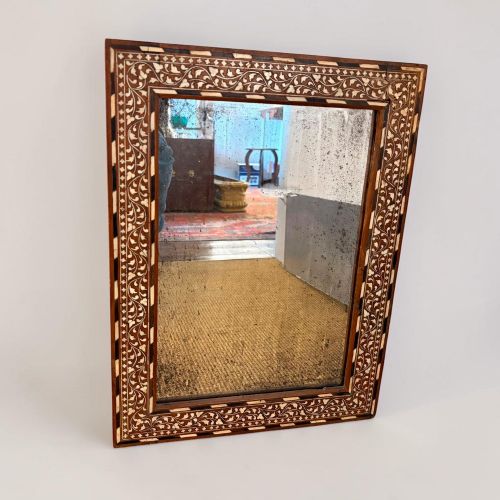
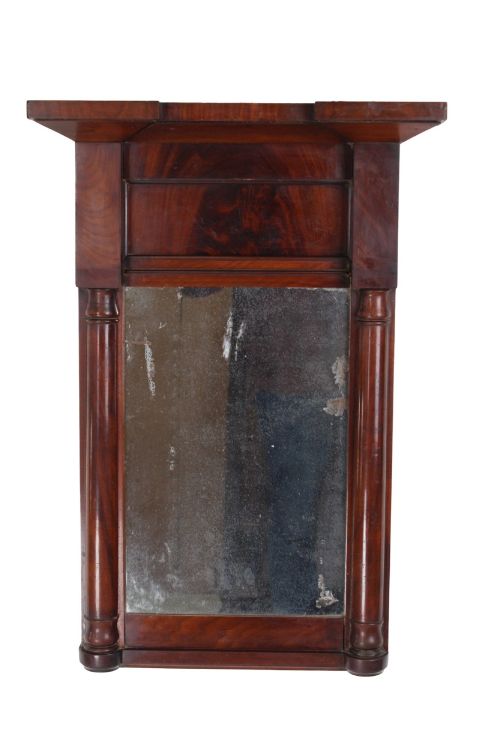
Dark Wood Framed Mirror
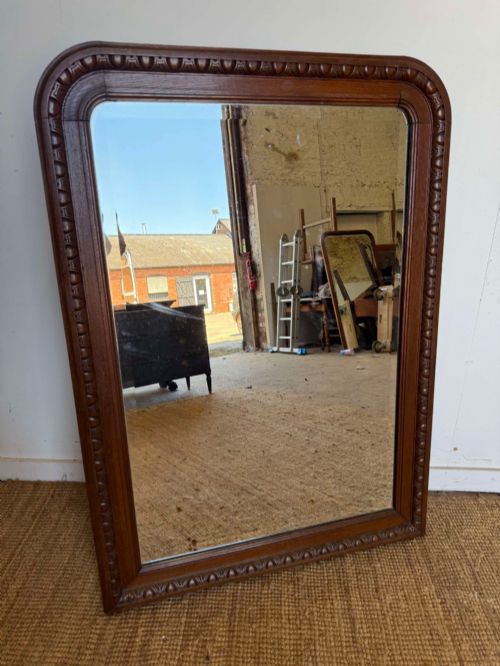
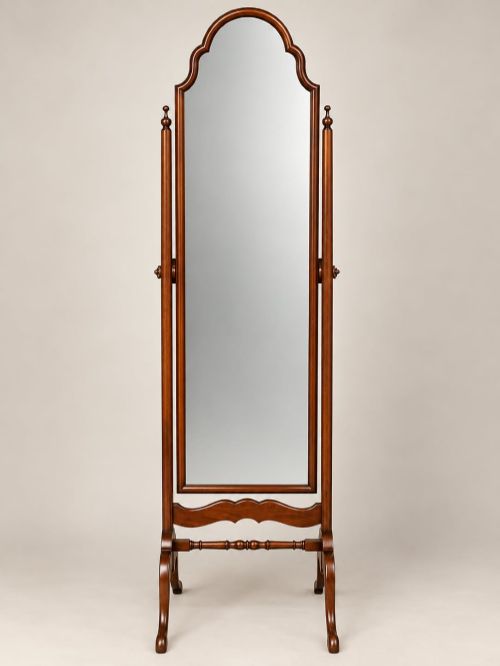
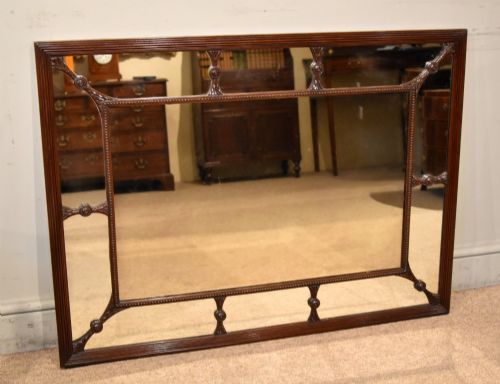
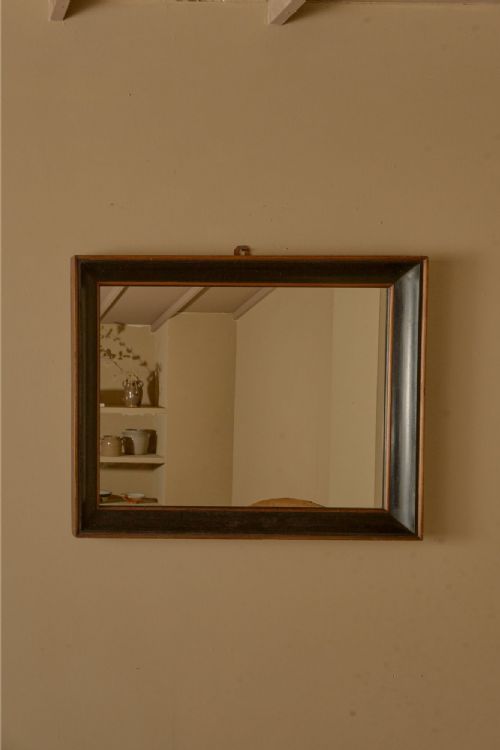
A dark wood framed mirror brings warmth and depth to a room through timber grain and age, anchoring an interior with honest craftsmanship.
Dark Wood Framed Mirror
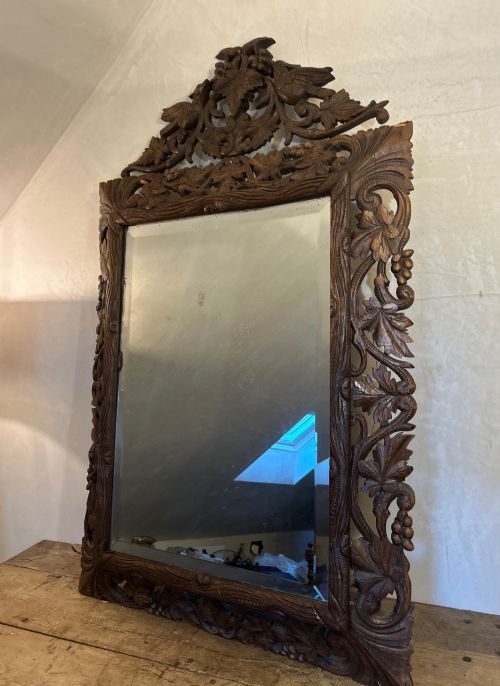
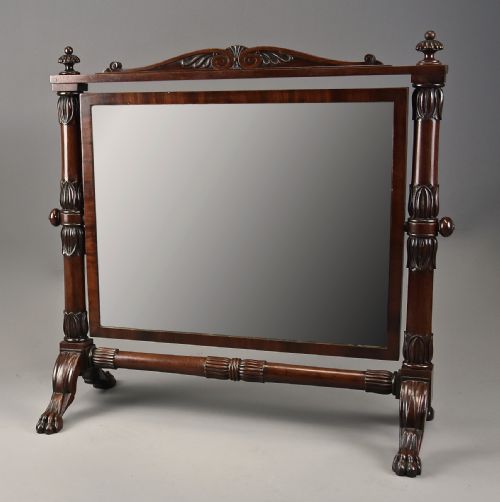
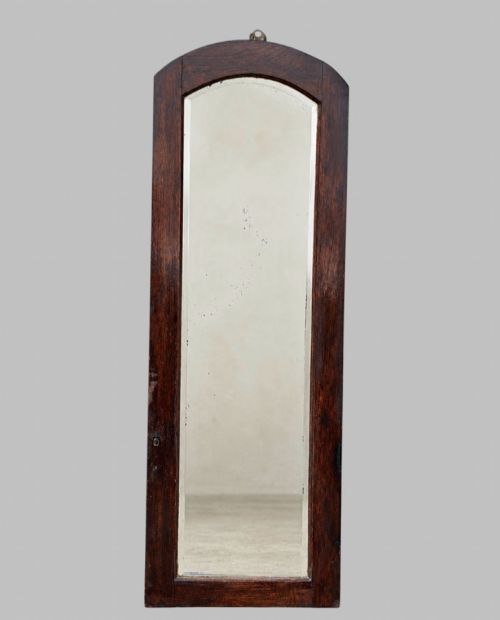
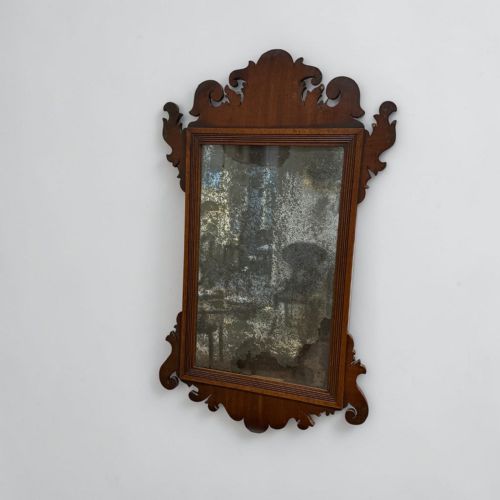
A dark wood framed mirror unites practical glass with timber surrounds, appearing in diverse forms across the nineteenth and early twentieth centuries. Surviving examples range from simple domestic oak wall mirrors to decorative display pieces.
The selection on this page centres upon wall mirrors, drawing from periods such as the Victorian era and the nineteen-twenties. Buyers frequently encounter regional works alongside specialised commercial and fairground objects.
Stylistic variety spans from French Provincial and Regency style to Jacobean Revival and nineteenth century country interpretations. Each piece reflects the aesthetic priorities of its original maker and period.
How they were made
Construction relies upon traditional timber framing techniques, utilising oak, mahogany, and painted wood to enclose the reflective surface. Frames often incorporate applied decoration or structural mouldings characteristic of their period.
Glass elements include silvered glass, etched designs, and reverse painting decorated with motifs such as roses. Surface treatments feature original paint finishes and gilt wood accents alongside exposed natural grain.
Dark Wood Framed Mirror Retail Price Guide 2026
Typical asking prices for dark wood framed mirror among the pieces listed under this phrase on Sellingantiques today, from the lower quarter to the upper quarter. They describe what is for sale here now, not the wider market.
Styles represented span Victorian fairground, Regency style, Jacobean Revival, and French Provincial.
What varies in quality
Quality rests in the harmony between timber selection, frame joinery, and the condition of the glass plate. Superior examples display thoughtful proportion and skilful execution of decorative details like etching or reverse painting.
The character of the frame separates standard production from finer decorative pieces, particularly where hand-carving or specialist surface finishes are employed. Original glass and undisturbed timber patination elevate a piece above later replacements.
The Dark Wood Framed Mirror Glossary
- Silvered glass
- Glass coated on the back with a reflective metal layer to create a mirror. This technique replaced earlier mercury amalgam methods during the nineteenth century.
- Reverse painting
- An artistic technique where the design is painted directly onto the back of the glass so the image is viewed through the front. It produces a glossy, protected finish.
- Jacobean Revival
- A nineteenth century design style emulating seventeenth century English furniture and architecture. It typically employs dark oak, heavy moulding, and geometric panels.
- Cushion frame
- A mirror frame shaped with a rounded, convex profile that slopes outward from the glass. This profile adds depth and catches light across the timber surface.
- Etched mirror
- Glass decorated by applying acid or mechanical abrasion to cut patterns into the surface. This creates frosted details that contrast with the clear reflective areas.
Dark Wood Framed Mirror: Frequently Asked Questions
What periods do these mirrors come from?
The available pieces span the nineteenth century and the early twentieth century, including Victorian examples and items from around eighteen eighty to nineteen twenty.
Each period brings distinct stylistic traits, from the robust forms of Jacobean revival to lighter French provincial and fairground aesthetics.
How should I clean a vintage glass mirror?
Clean the glass gently using a soft microfibre cloth and a mild, ammonia-free cleaning solution. Avoid spraying liquid directly onto the glass to prevent moisture seeping behind the silvered backing.
Take care around the edges of the glass and any painted or etched areas to preserve the historic surface decoration.
How do I identify a reverse painted mirror?
Look closely at the surface of the glass; if the artwork appears smooth and glossy with the pigment sealed behind the pane, it is reverse painted. This technique protects the pigments from dust and physical wear over time.
Examine the edges where the glass meets the frame to see the layered depth characteristic of this traditional method.