

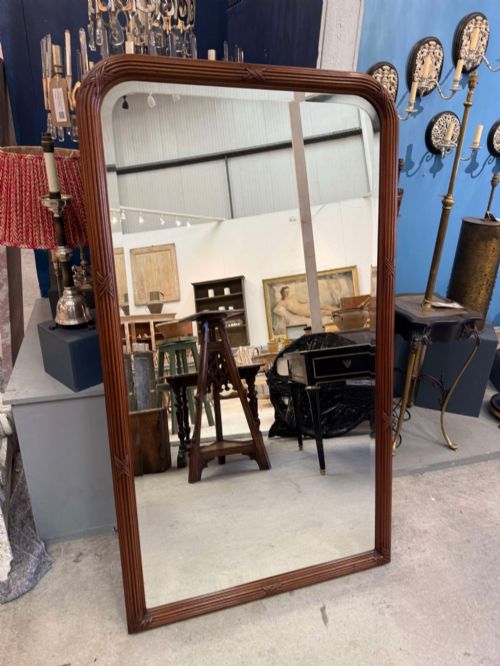
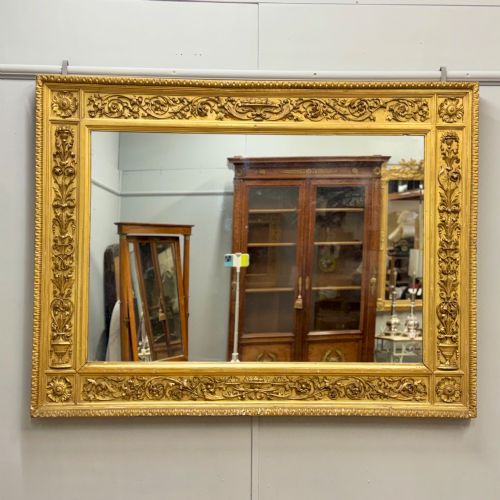
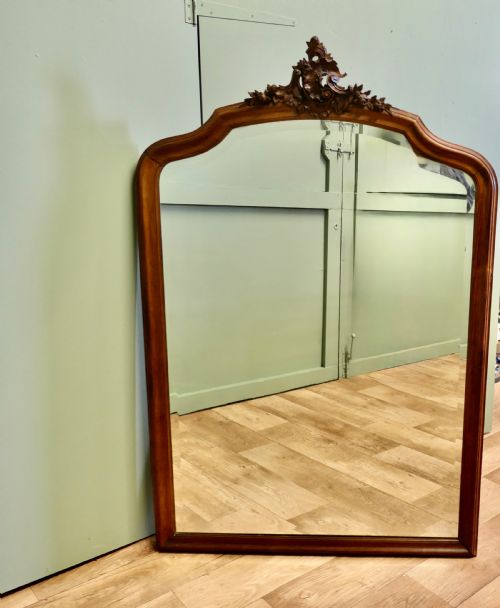
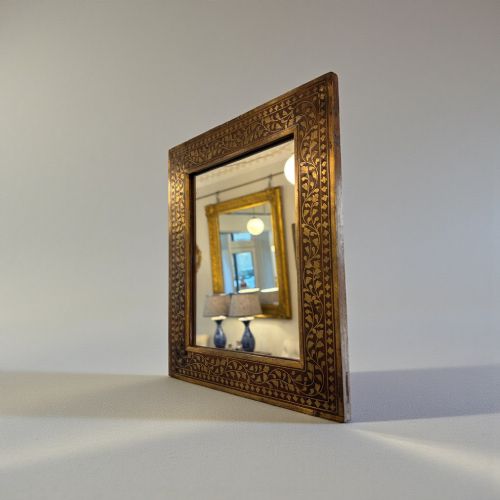
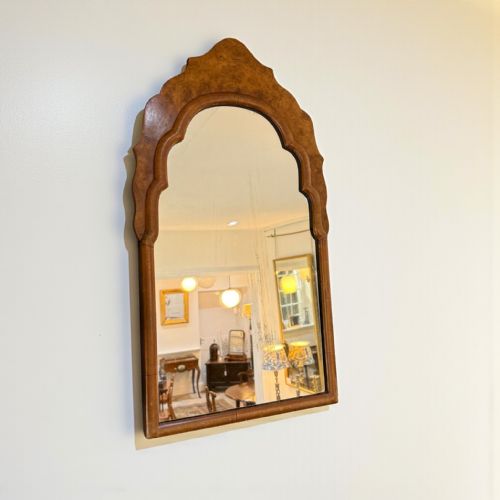
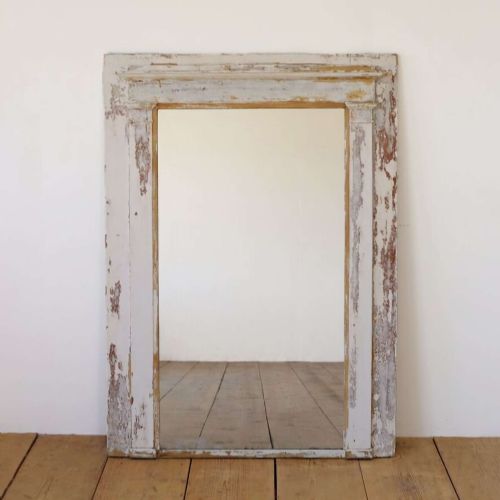
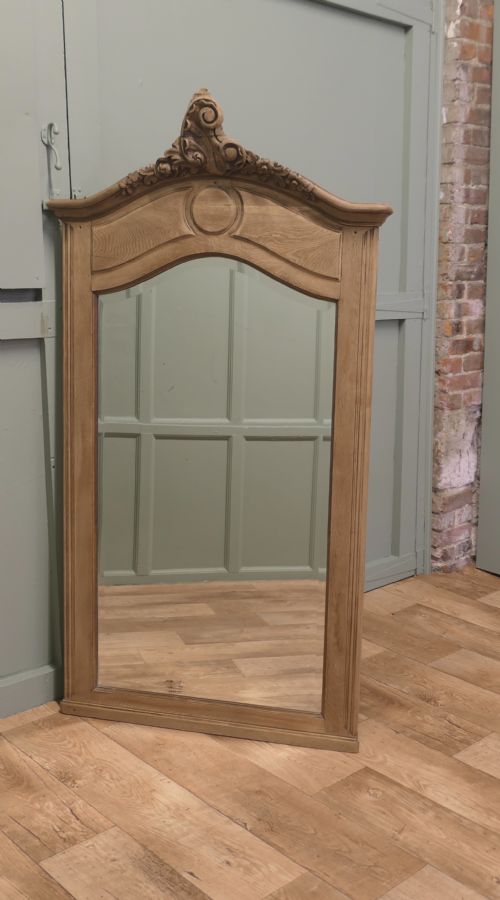
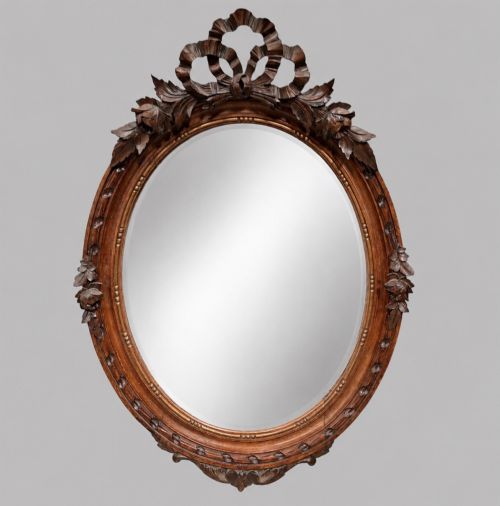

Carved Timber Frame Mirror
A carved timber frame mirror brings texture and historic presence to a wall, combining architectural woodwork with functional glass.
Carved Timber Frame Mirror
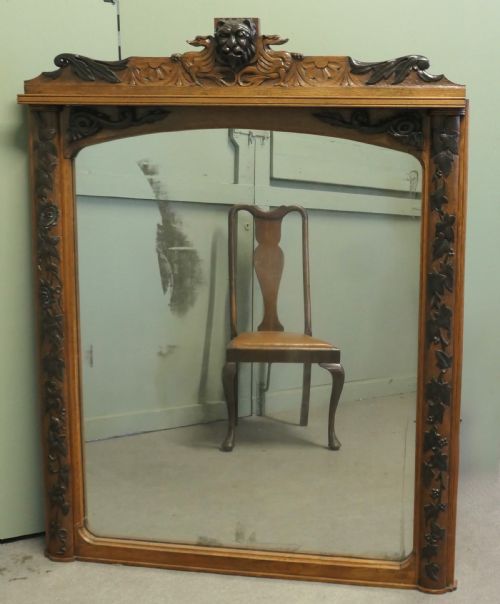
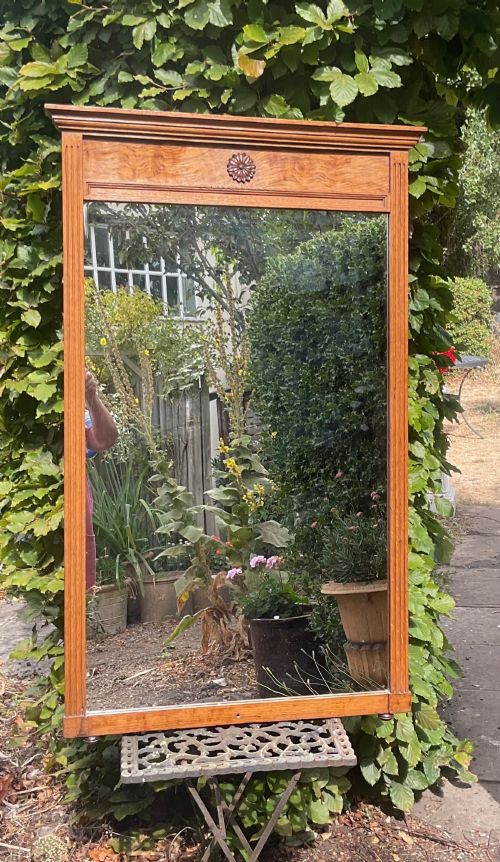
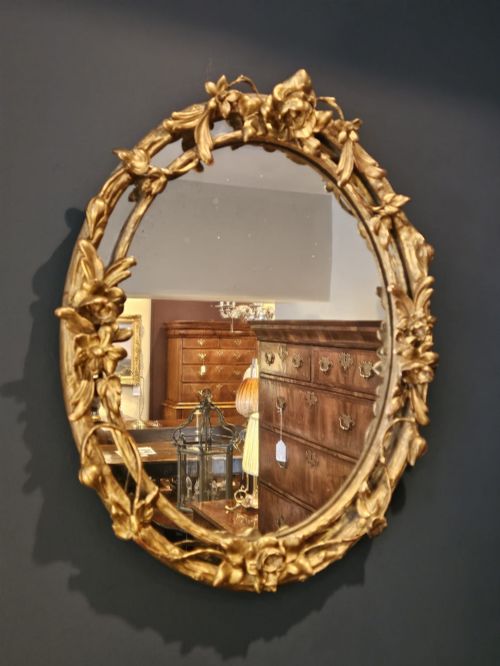
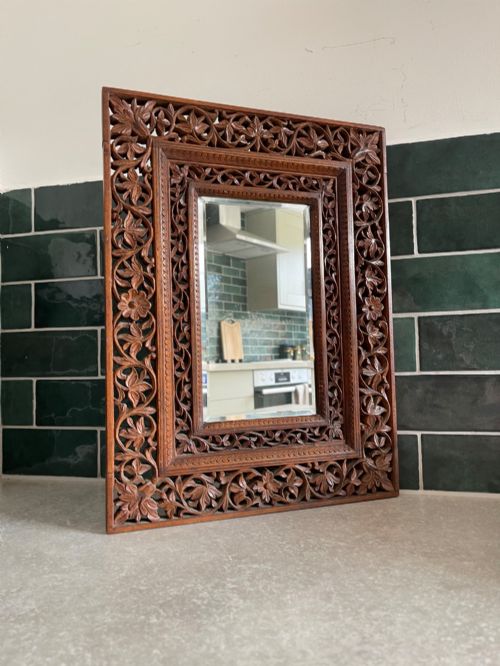
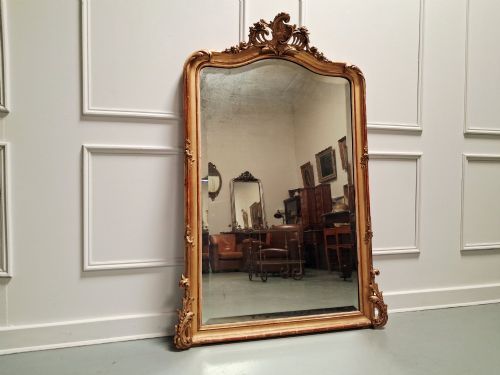
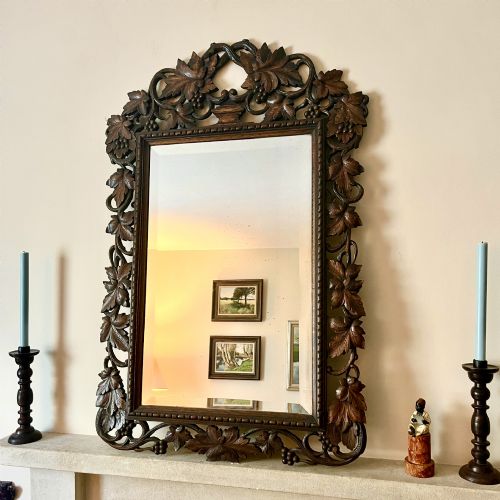
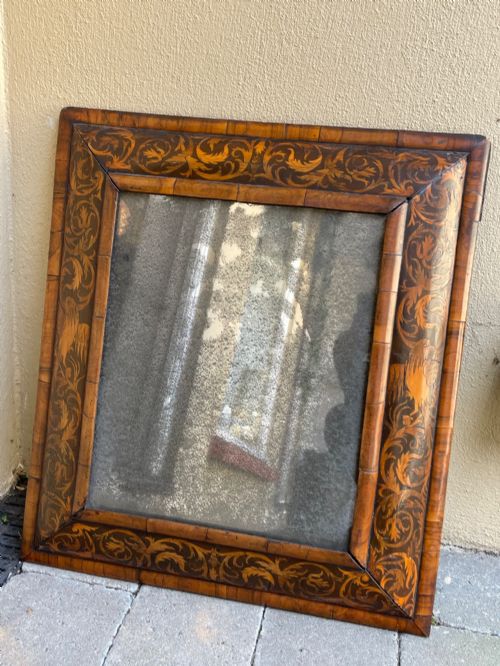
A carved timber frame mirror is a wall-hanging looking glass set within a worked wooden surround. These pieces range from substantial architectural forms to decorative domestic furnishings.
You are most likely to meet pieces originating from the nineteenth century and around nineteen hundred. Surviving examples reflect revival movements including Edwardian, Regency, Victorian and Gothic, alongside French chateau styles.
The recorded forms include large oval wall mirrors, cushion frames, and shaped painted wooden frames. Specific motifs include carved eagles and Gothic detailing executed in oak and mahogany.
How they were made
Carpenters and carvers shaped timber frames from solid woods such as oak and mahogany, using hand tools to create deep relief mouldings and figural elements like eagles. Frames were constructed using traditional joinery suited to heavy wall-hanging duties.
Surfaces received various finishes depending on the aesthetic of the period, ranging from exposed polished grain to applied paint layers on shaped wooden frames. Glass plates were then fitted behind the wooden rabbet to complete the mirror.
Carved Timber Frame Mirror Retail Price Guide 2026
Typical asking prices for carved timber frame mirror among the pieces listed under this phrase on Sellingantiques today, from the lower quarter to the upper quarter. They describe what is for sale here now, not the wider market.
At least one nineteenth-century bird keeps a permanent, unblinking watch over the room.
What varies in quality
The distinction between ordinary and superior pieces rests on the depth and crispness of the wood carving. Skilled carvers achieved sharp undercut details and balanced proportions, whereas lesser work appears shallow and mechanical.
Material selection and timber preparation also define the upper tier. Dense hardwoods like oak and mahogany with well-figured grain elevate the object above simpler painted softwood or basic construction.
The Carved Timber Frame Mirror Glossary
- Cushion frame
- A convex or padded profile moulding surrounding the mirror glass. This shape creates a distinct optical depth within the wooden surround.
- Gothic
- A revival style drawing on medieval architectural motifs. Such frames feature pointed arches, tracery, and heavy oak construction.
- Regency revival
- A decorative style reinterpreting nineteenth-century classical motifs. Pieces in this style often incorporate classical emblems like carved eagles.
- Shaped frame
- A mirror surround featuring non-rectilinear contours and curves. These frames frequently carry painted finishes.
Carved Timber Frame Mirror: Frequently Asked Questions
How do I hang a heavy carved timber mirror?
Heavy carved mirrors require secure fixings anchored directly into wall studs or masonry using appropriate weight-rated brackets.
Because timber and glass assemblies carry considerable mass, professional installation ensures the frame remains safely supported over time.
What periods do these mirrors come from?
The available mirrors date primarily from the nineteenth century up to around nineteen hundred. Revival styles such as Gothic and Edwardian heavily influenced the design of these pieces.
Construction details and timber choices typically align with the manufacturing methods of these specific eras.
How do I clean the wooden frame?
Dust the carved wooden elements gently with a soft, dry brush to prevent dirt accumulation in the recesses. Avoid using liquid polishes or harsh chemical cleaners on antique timber.
For painted or polished surfaces, a slightly damp cloth followed by immediate drying preserves the historic finish.
Are the mirror plates original?
Mirror plates on pieces of this age may show signs of foxing, silver loss, or historical replacement.
Examining the edge of the glass and the backing boards helps determine whether the reflective plate dates from the same period as the frame.