


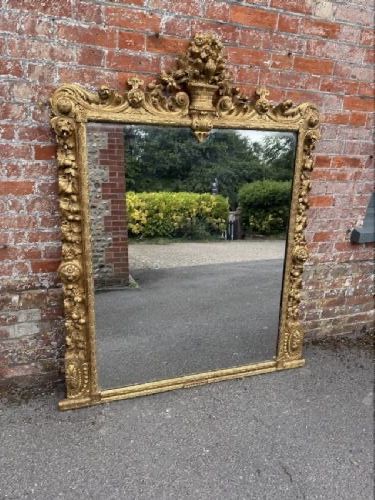
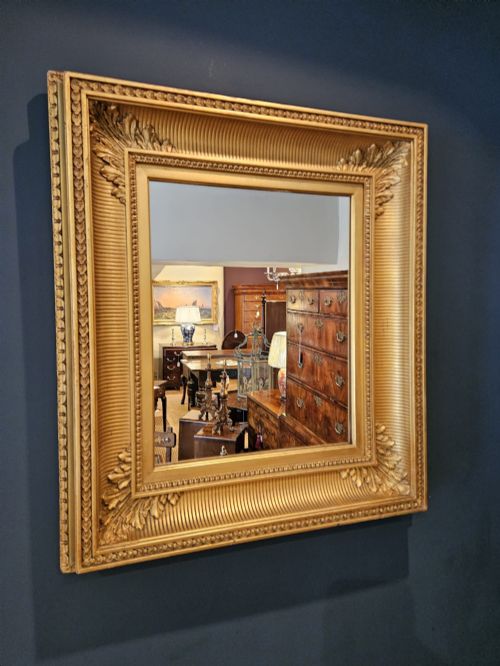
Victorian Gilt Overmantel Mirror
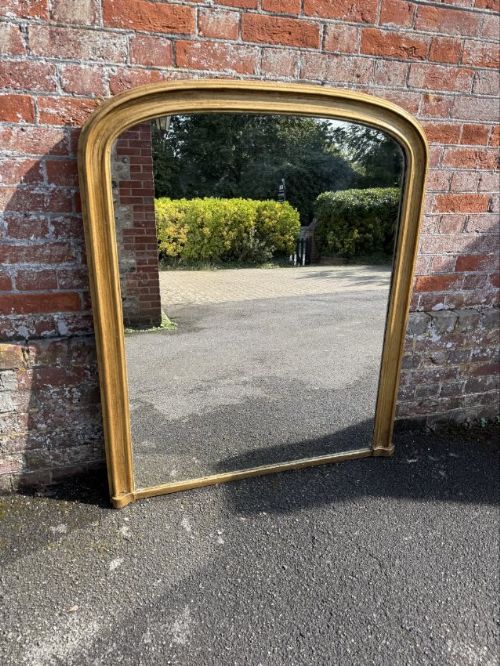
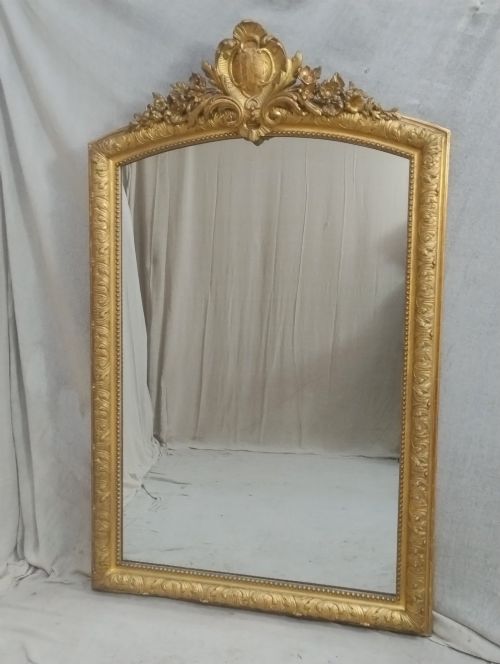
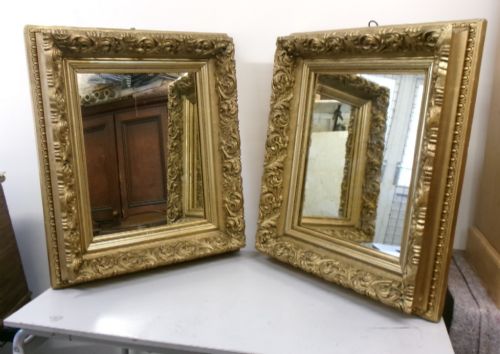
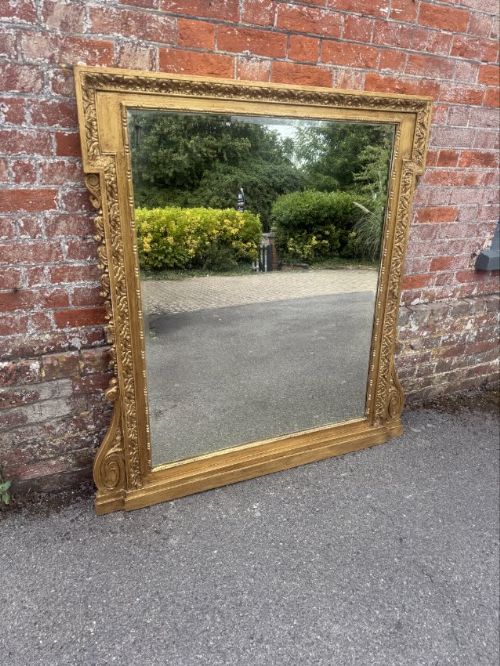
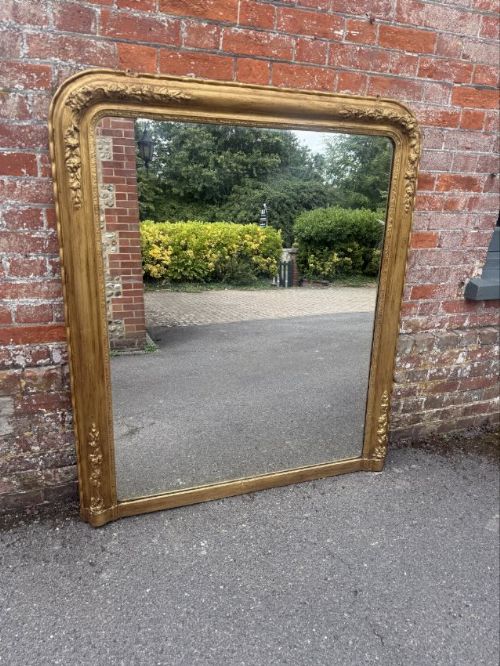
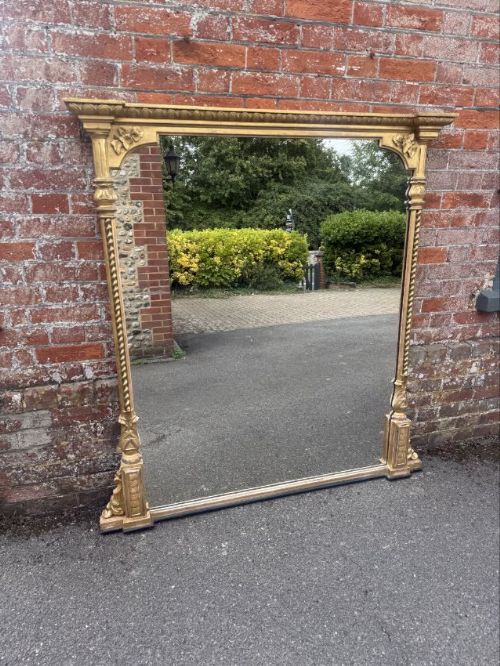
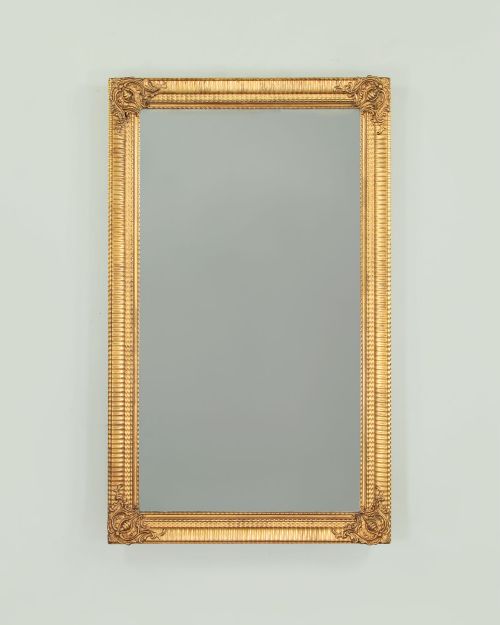
A victorian gilt overmantel mirror anchors a chimney breast with height, scale and bright reflection, filling a period interior with nineteenth-century presence.
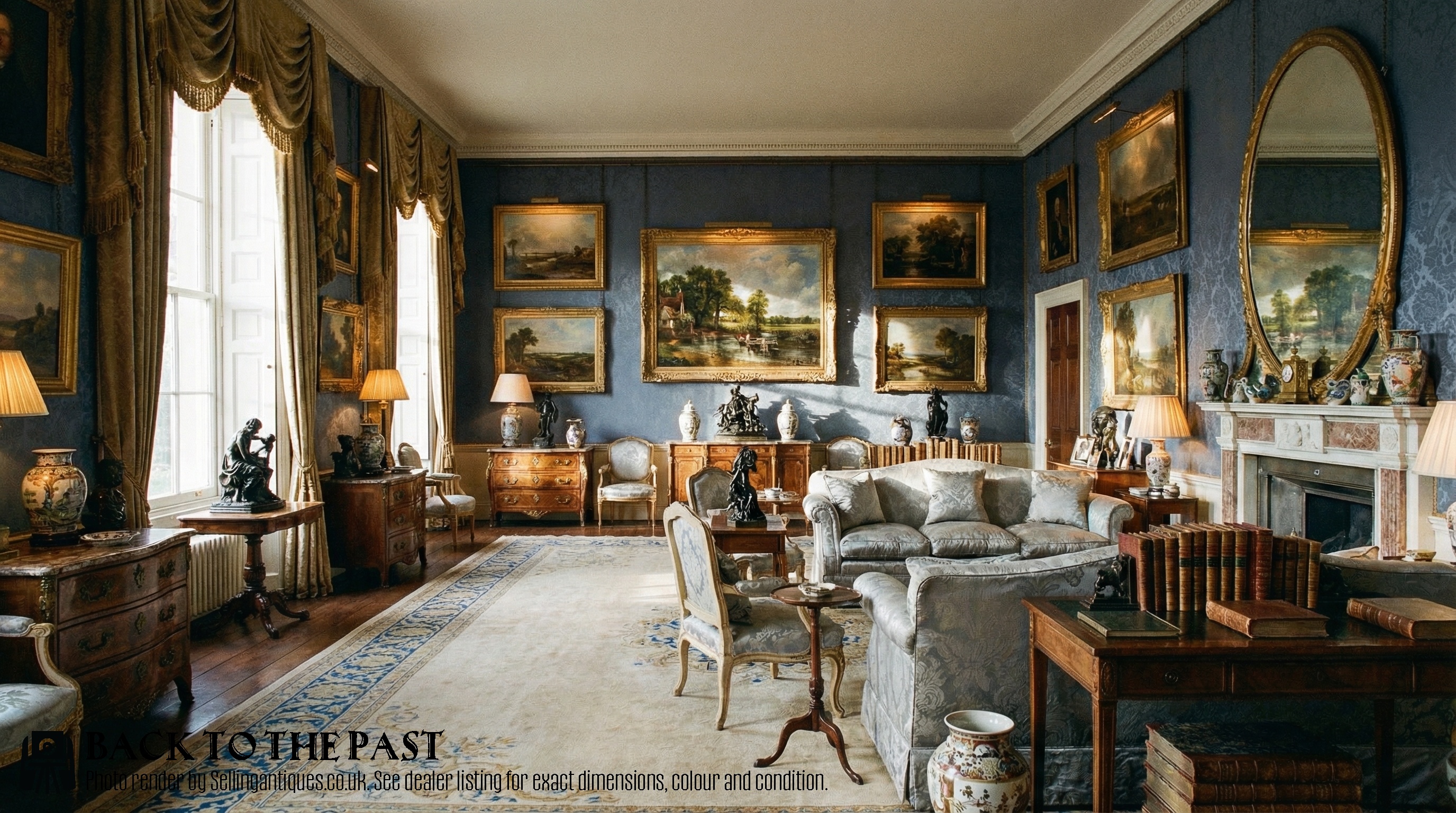
Victorian gilt overmantel mirror forms
A victorian gilt overmantel mirror sits directly above a fireplace, designed specifically to reflect the light and dimensions of a nineteenth-century room. These pieces measure large in scale, filling the width of a chimney breast with architectural presence.
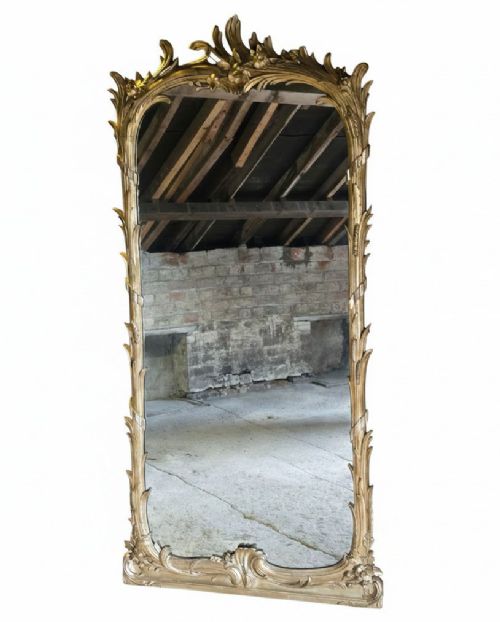
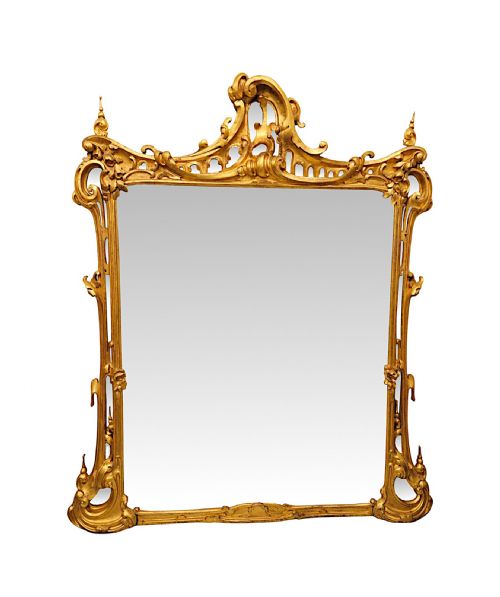
The arched top represents the most common silhouette found in this selection, often paired with rectangular bases or cartouche shapes. Makers also produced oval formats and distinct architectural frames.
Origins span English workshops alongside nineteenth-century French variants, anchoring period sitting rooms and formal reception spaces.
Materials and construction
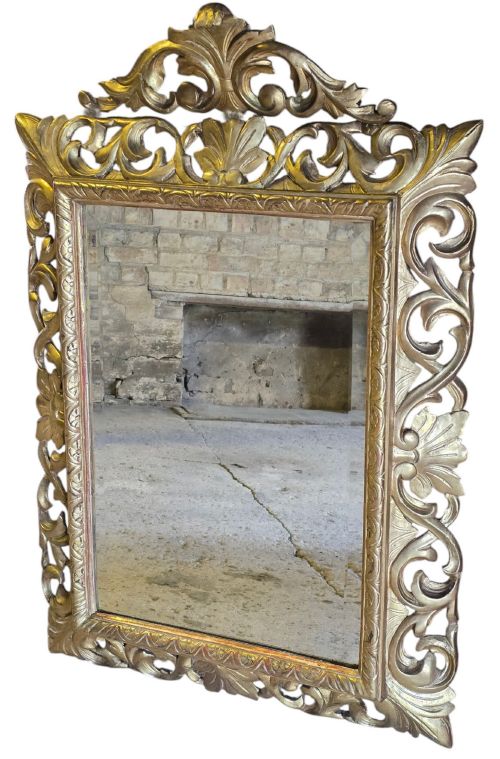
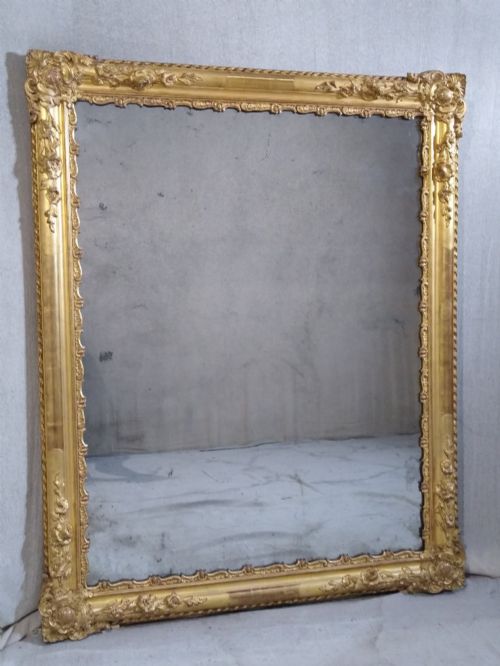
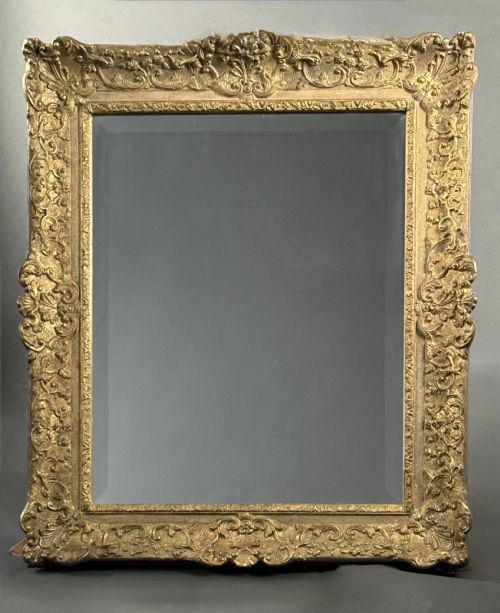
Frames rely on carved wood, pine carcasses and applied gesso to build up the dimensional ornament before gilding takes place. Gold leaf provides the reflective metallic surface over the prepared ground.
Glazing employs mirrored glass plates, sometimes featuring bevelled edges or showing age through a distressed silvered surface. Carpenters joined structural members to support the heavy weight of large glass panes.
Retail Price Guide 2026
Typical UK retail prices for victorian gilt overmantel mirror, calculated from the Sellingantiques database of over a million retail prices indexed since 2003. This retail price guide relies exclusively on Sellingantiques data; no external sources or auction records are used, so the figures do not describe the wider market.
Recorded periods span from the early nineteenth century through to the late Victorian era, featuring English and French regional styles.
Distinctions in quality
Carved detail separates standard production from finer pieces, where hand-carved foliage, rope twists, fern leaves and figural putti display crisp definition in the gesso and wood. Simpler mouldings rely on lesser surface relief.
The preservation of the original gold leaf and the character of the mirrored glass plate define the visual appeal of an antique overmantel. Intact wooden frames with minimal structural alteration hold greater integrity.
S T Townshend Norwich·John Taylor & Son
The Victorian Gilt Overmantel Mirror Glossary
- Overmantel
- A mirror or decorative panel made to hang specifically on the wall above a mantelpiece. These items were proportioned to match the width of the fireplace below.
- Gesso
- A plaster-like mixture applied to wood frames to create a smooth surface for gilding and deep relief carving. Artisans moulded this compound to form intricate decorative motifs.
- Giltwood
- Timber that has been covered with a thin layer of gold leaf or gold paint. This finish catches the daylight and brightens period rooms.
- Cartouche
- An ornamental frame resembling a scroll or a sheet of paper with rolled edges. It gives certain mirror shapes an elaborate, asymmetrical or scrolling outline.
- Putti
- Depictions of chubby male infants, often winged, used as sculptural decoration on nineteenth-century frames. They add figurative charm to the upper sections of the mirror.
Frequently Asked Questions
Where should an overmantel mirror hang?
Hang the piece centrally on the wall directly above the fireplace opening, allowing the base to sit close to the mantelpiece shelf.
This placement follows the historical domestic function, reflecting light down into the room and mirroring the hearth.
How do I identify a Victorian mirror?
Look for heavy pine and gesso construction combined with nineteenth-century framing styles such as arched tops and cartouche shapes.
Examine the backboards, fixings and the character of the glass plate for signs of age consistent with the period.
Are these mirrors very heavy?
These large wooden and glass items carry substantial weight due to the thick timber frames and heavy mirrored plates.
Secure wall fixings into structural masonry or studwork are essential to support the load safely.
What is the difference between giltwood and gesso?
Giltwood refers to the underlying timber finished with gold leaf, whereas gesso is the plaster preparation layer sculpted onto the wood.
Carvers used gesso to build up high-relief details before applying the final gold leaf layer.