



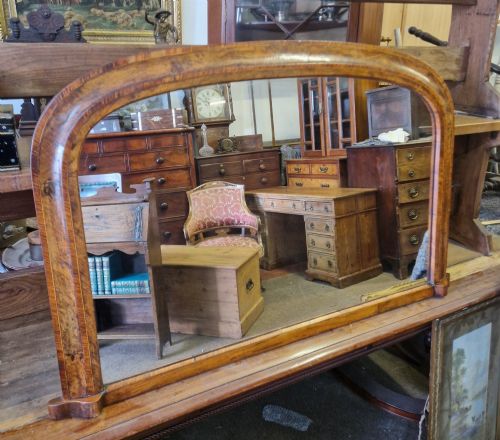
Large Victorian Fireplace Mirror
When you need a large victorian fireplace mirror, you are looking for an imposing overmantel glass designed to sit above a hearth.
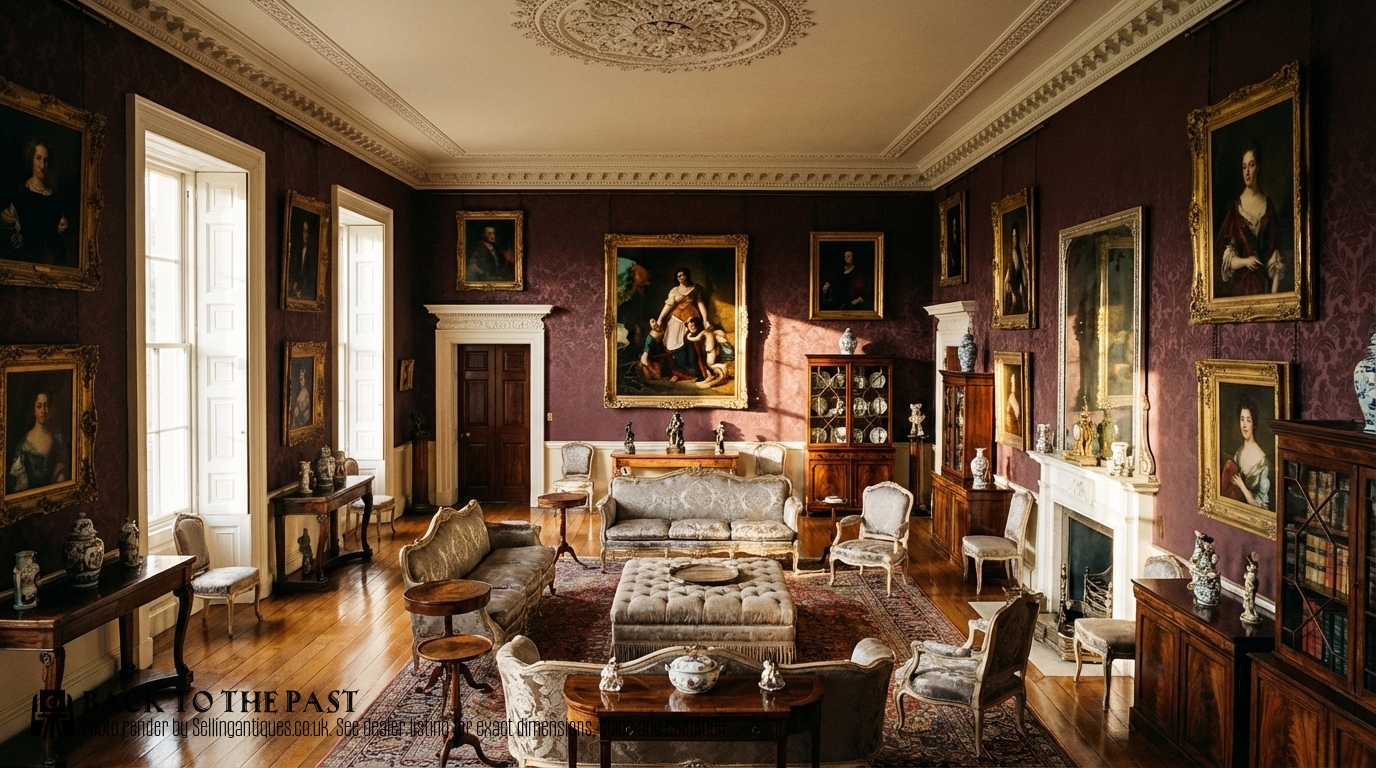
Large Victorian Fireplace Mirror
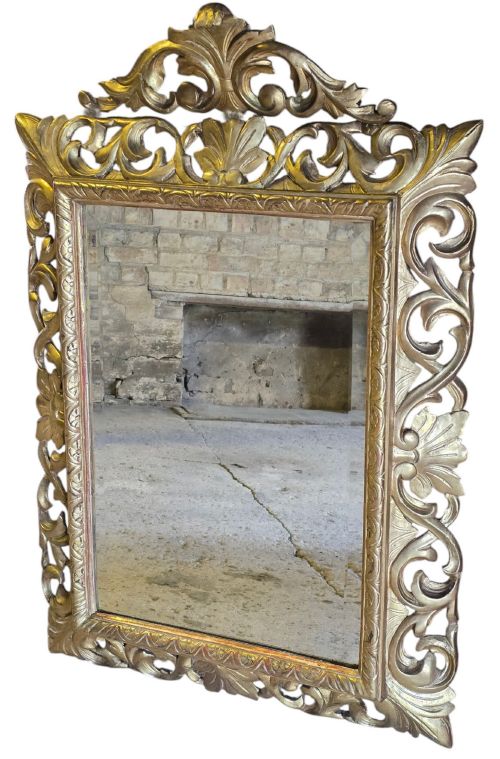
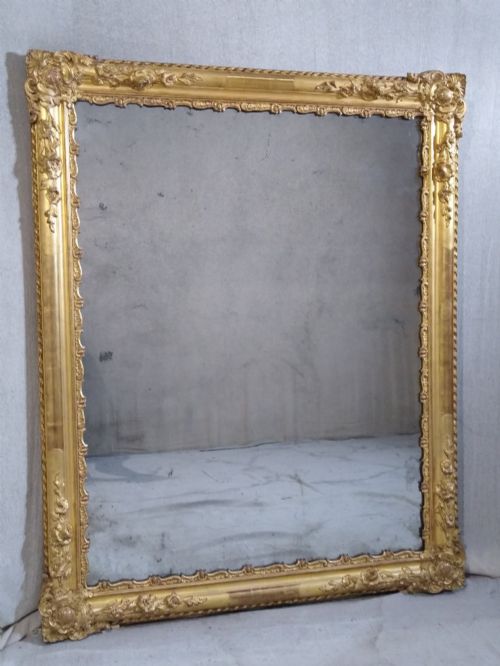
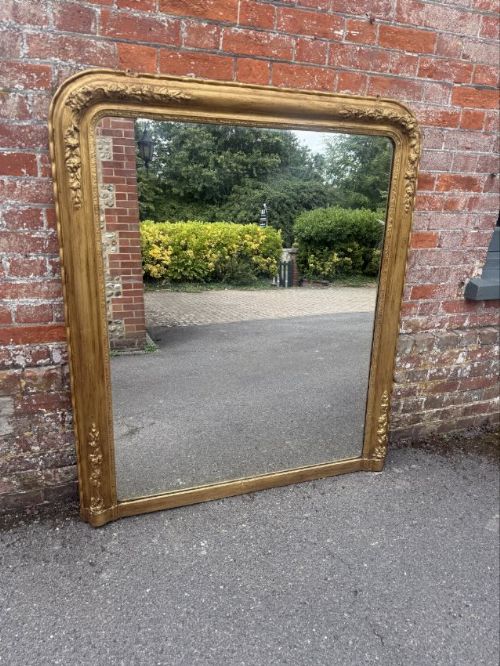
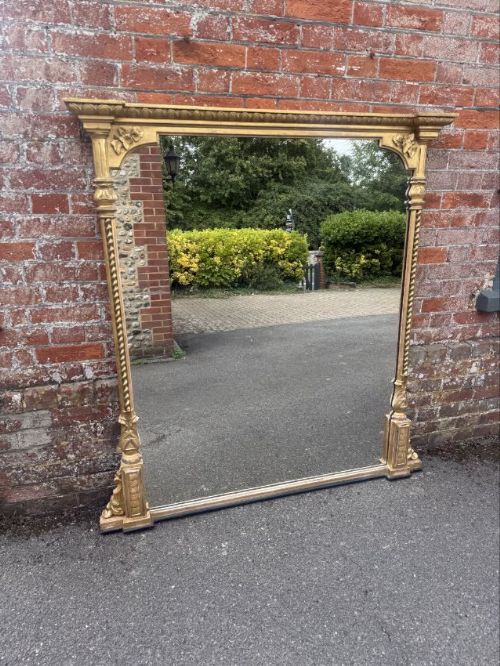
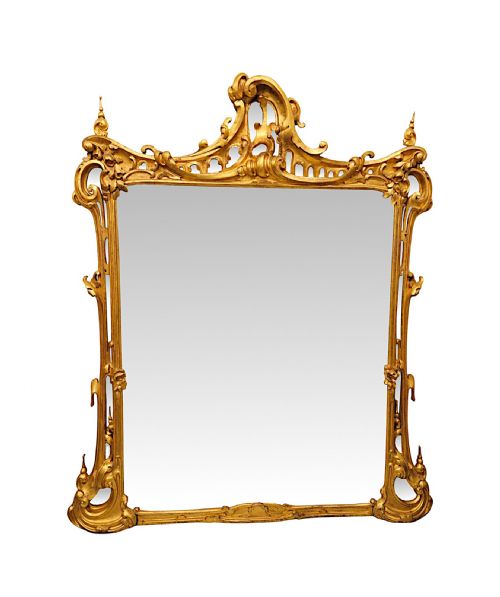
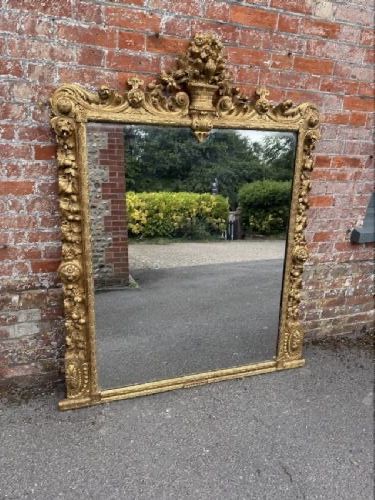
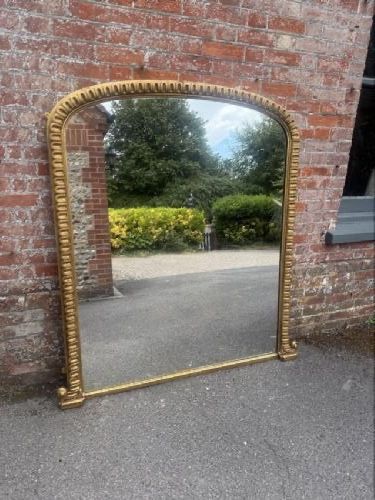
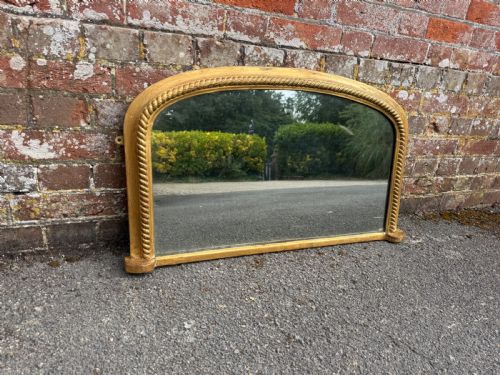
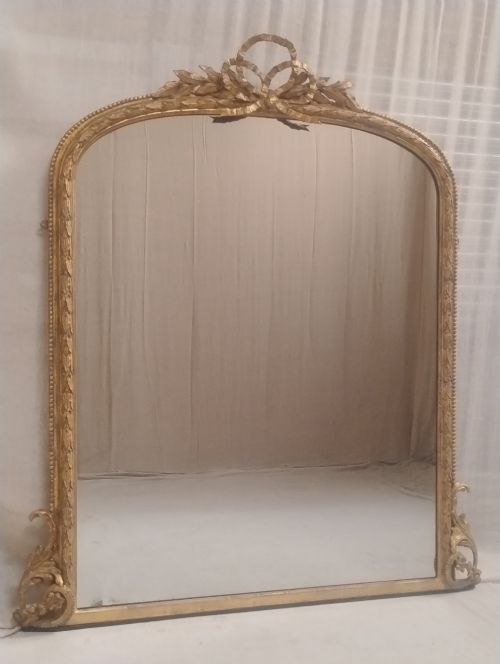
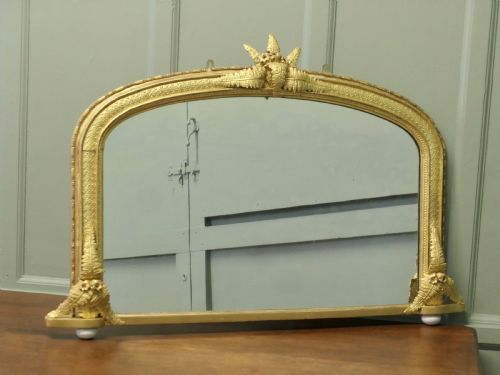
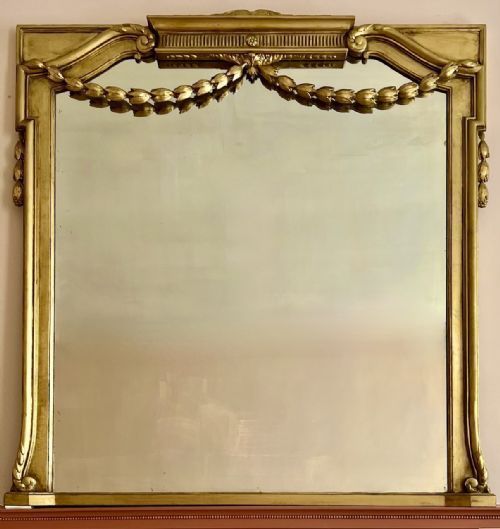
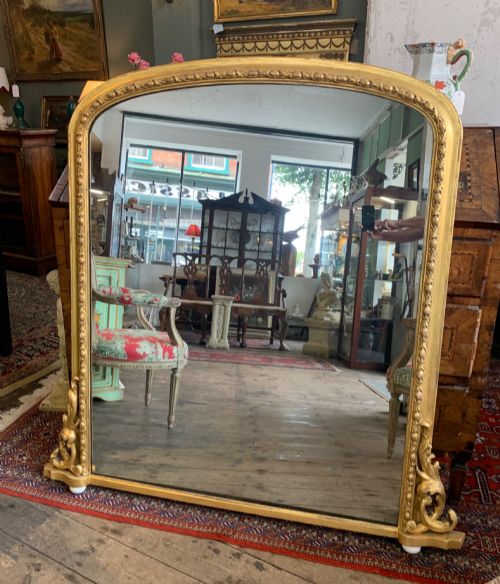
A large victorian fireplace mirror is primarily encountered as an overmantel mirror designed to rest upon a mantelpiece and anchor the chimney breast wall. Most examples seen here date from the nineteenth century, spanning decades from the 1850s through to the 1900s, with arched top forms appearing frequently.
These pieces function as architectural wall mirrors as well as functional looking glasses, often stretching upwards with considerable height. The records show variations including French Chateau, Chinese Chippendale, Louis Philippe, and Rococo Revival styles alongside standard Victorian interpretations.
Materials and Construction
Carved wood and gesso form the foundational carcass for many pieces, providing the relief work for rope twist, ribbed, column, and tulip frames. Artisans applied gold leaf or gilt paint over the gesso preparation to achieve a reflective metallic surface.
Alternative frames utilise walnut, oak, and ebonised wood with parcel-gilt details, while mirror glass is held within single plates or occasionally triple plate and triptych arrangements. Composition ornament is also found moulded onto the wooden frames.
Large Victorian Fireplace Mirror Retail Price Guide 2026
Typical asking prices for large victorian fireplace mirror among the pieces listed under this phrase on Sellingantiques today, from the lower quarter to the upper quarter. They describe what is for sale here now, not the wider market.
Assessing Quality and Execution
The distinction between tiers rests upon the crispness of the carved wood and the depth of the gesso mouldings applied to the frame. Superior examples display sharply defined ornament on arched tops and crestings without the smoothing over found in simpler production.
The integrity of the gilding and the preservation of the original mirror glass significantly influence the character of the piece. Substantial framing timbers and robust backing construction separate monumental statement pieces from lighter decorative alternatives.
The Large Victorian Fireplace Mirror Glossary
- Overmantel mirror
- A large mirror specifically designed to hang or rest on the mantelpiece above a fireplace. These items often follow the architectural lines of the chimney breast.
- Gesso
- A plaster-like mixture applied to wood frames to create a smooth surface for gilding. Intricate relief ornament is moulded directly into this layer.
- Giltwood
- Timber that has been coated with gold leaf or metallic paint. This finish creates the bright, reflective surfaces typical of nineteenth century frames.
- Triple plate
- A mirror configuration split into three distinct glass sections within a single frame. This style is often associated with elaborate Victorian and revival designs.
- Cresting
- The decorative sculptural element mounted at the very top of the mirror frame. Examples include carved birds, scrolls, and architectural crests.
Large Victorian Fireplace Mirror: Frequently Asked Questions
Did these mirrors always stay above fireplaces?
While manufactured primarily to command the space above a domestic hearth, their grand proportions suited principal reception rooms generally. Nineteenth century interiors often utilised them on large expanses of wall to amplify light and create an illusion of greater room depth.
Their architectural proportions make them equally suited to grand hallways or dining rooms today. They continue to function effectively as standalone wall mirrors in rooms without working fireplaces.
How do I clean antique mirror glass?
Gentle maintenance preserves the original silvering and prevents moisture from seeping behind the glass plate. Use a soft, lint-free cloth with a mild vinegar solution applied to the cloth rather than sprayed directly onto the glass.
Avoid abrasive cleaners and harsh chemical ammonia products that can damage the surrounding gesso and giltwood frame. Care must be taken around the edges where the original backing or silvering is most vulnerable.
How do I identify a Victorian overmantel?
Look for construction traits typical of the nineteenth century, such as hand-carved wooden elements combined with gesso relief and heavy timber backs. Styles range from plain arched mouldings to elaborate Rococo Revival and Chinese Chippendale ornamentation.
Date indicators include the thickness of the glass, the type of securing screws or panel pins, and the specific aesthetic vocabulary of the period. Pieces from the 1850s to the 1890s exhibit distinct framing patterns recorded in our listings.