
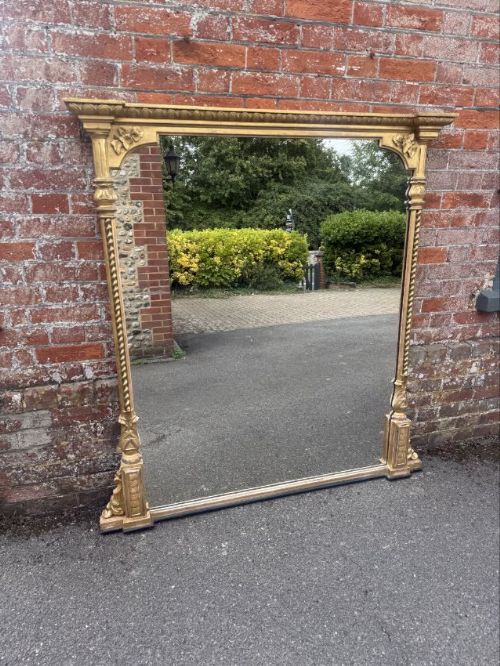
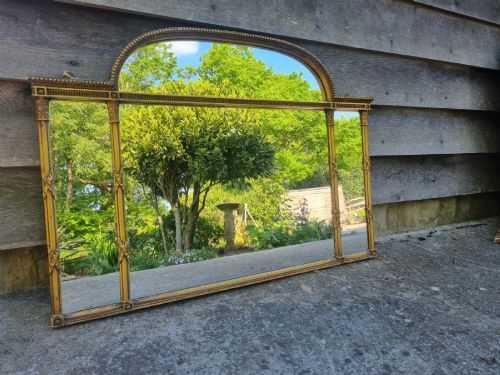
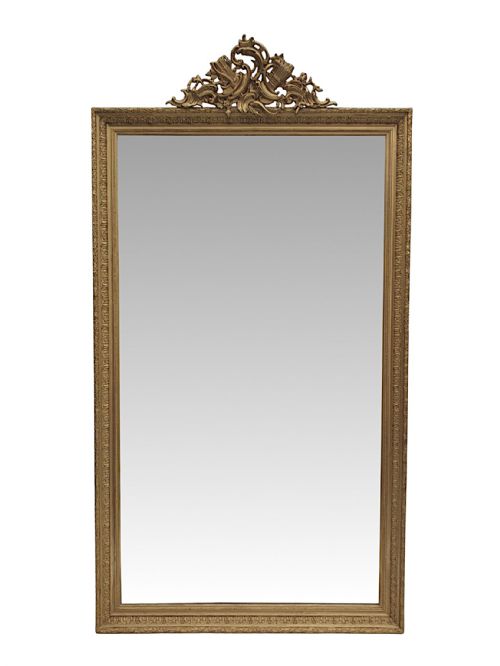
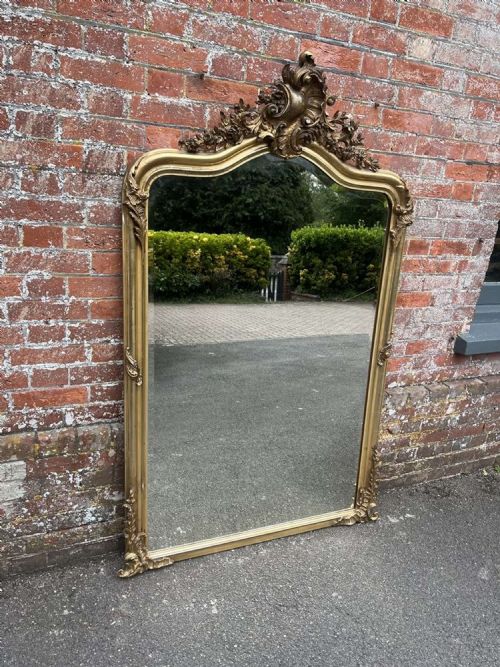
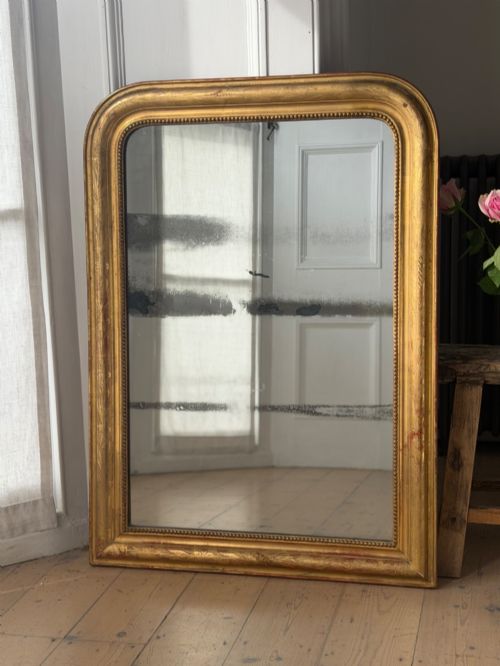
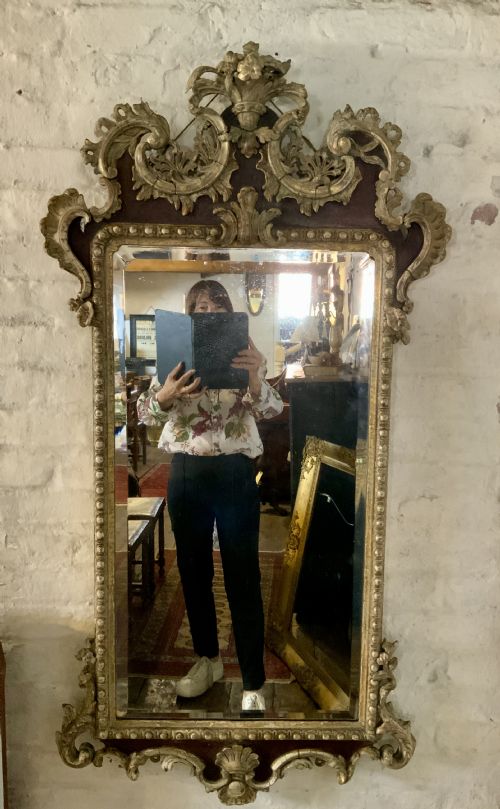
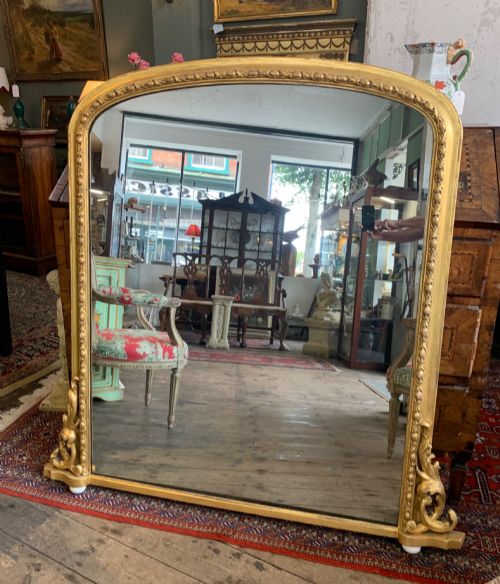
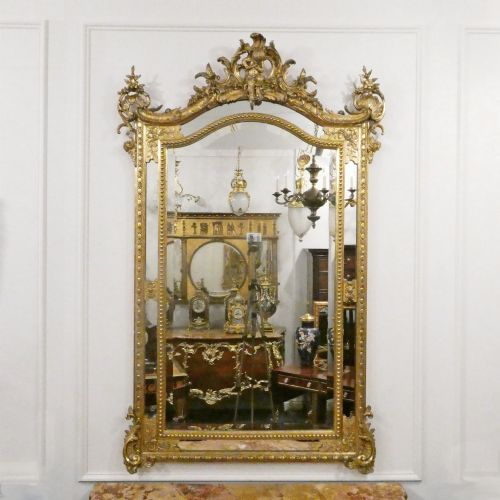
Giltwood Mantle Mirror
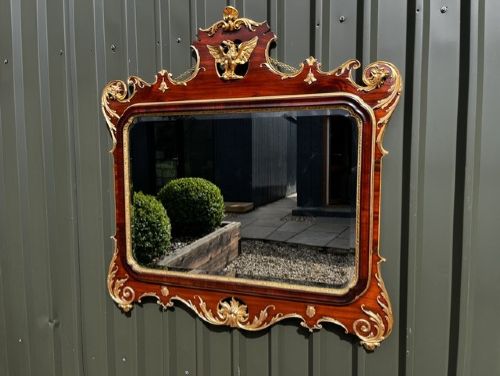
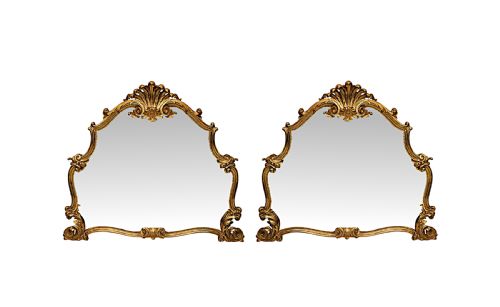
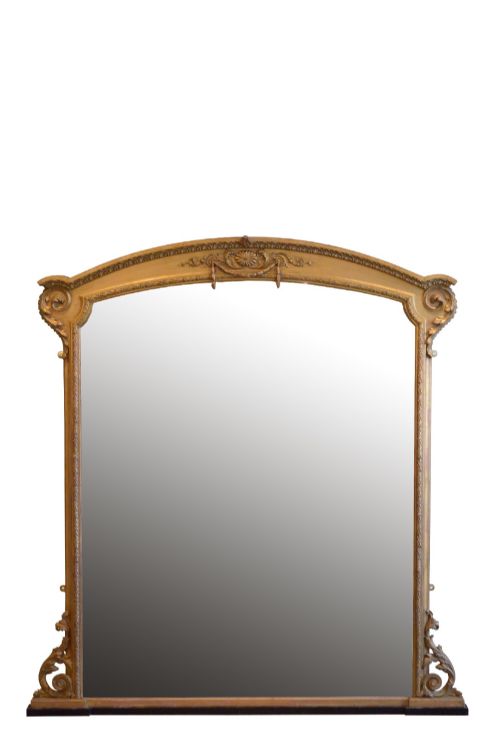
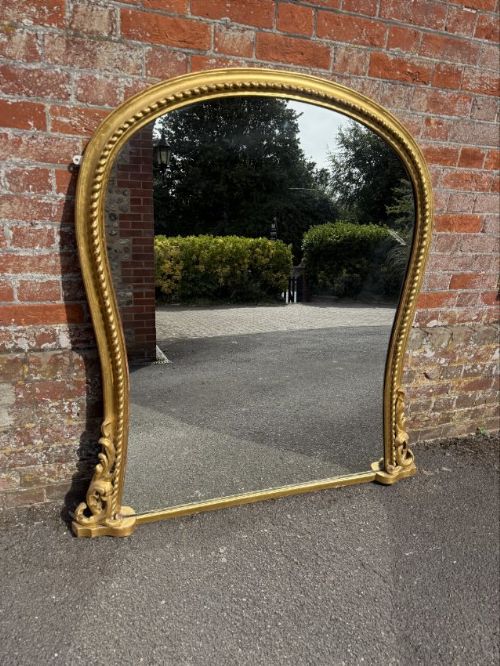
These large giltwood mantle mirror designs bring nineteenth century proportion and gilded warmth to chimney breasts.
What a giltwood mantle mirror is
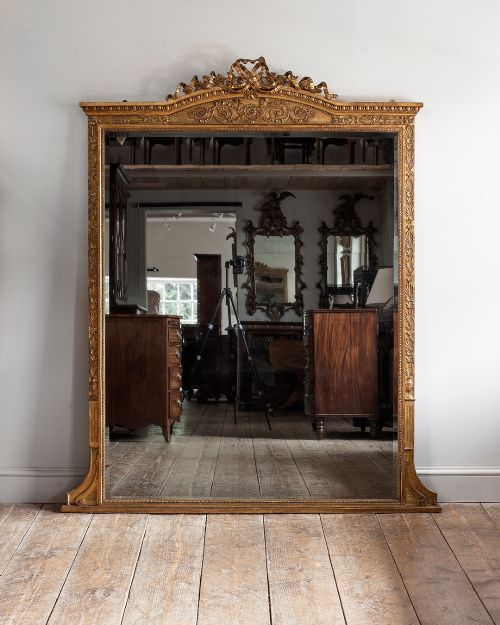
When you search for a giltwood mantle mirror, you look at large nineteenth century overmantel and wall mirrors designed to hang above a fireplace. The pieces on this page span the Victorian and Regency eras, originating from English, French, Italian and German workshops.
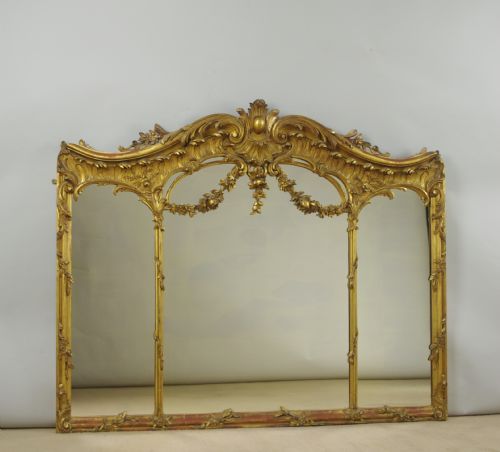
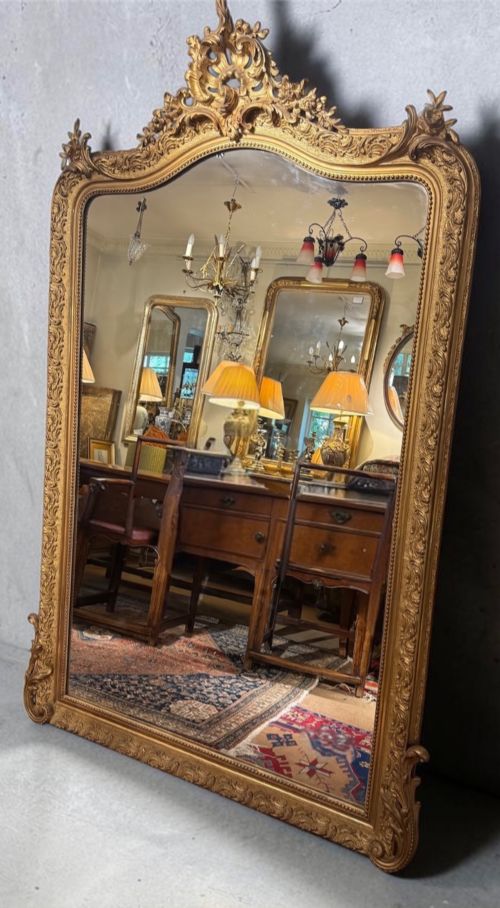
You meet heavy architectural forms, triple plate layouts and tall shaped top designs meant to anchor a grand room. Styles range from Rococo Revival and Louis Philippe to Gothic Revival and Victorian interpretations.
Origin details reveal regional preferences, such as Florentine carvings from Italy or carved putti on English frames. These mirrors served as primary decorative statements in nineteenth century drawing rooms and halls.
How they were made
Carved wood provides the structural frame for these pieces, frequently enhanced with moulded gesso layers to build up intricate relief detail. Artisans then applied gold leaf or gilding directly onto the prepared gesso and timber surface.
Original glass plates complete the construction, often featuring foxed mercury surfaces or bevelled edges shaped to fit the large formats. Joinery employs traditional framing methods suited to heavy wall hanging above a heat source.
Retail Price Guide 2026
Typical UK retail prices for giltwood mantle mirror, calculated from the Sellingantiques database of over a million retail prices indexed since 2003. This retail price guide relies exclusively on Sellingantiques data; no external sources or auction records are used, so the figures do not describe the wider market.
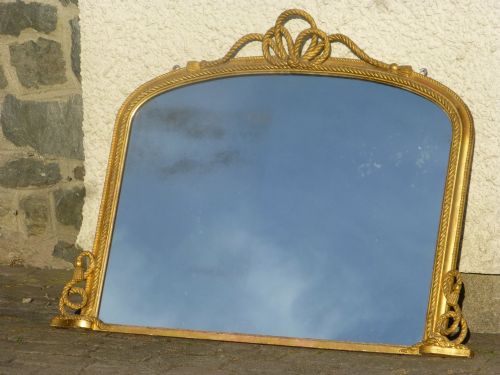
One unexpected Victorian iteration displays a nautical taste tucked into the gilded frame.
What varies in quality
The depth and crispness of the carved wood and gesso ornamentation separate standard production from superior examples. Master carvers achieved fluid asymmetry in Rococo Revival scrolls and precise botanical motifs in English and Continental workshops.
The integrity of the original mercury glass plate and the preservation of the gilded surface dictate the visual impact. Heavy proportion and structural scale also distinguish the largest overmantle mirrors from ordinary wall pieces.
The Giltwood Mantle Mirror Glossary
- Giltwood
- Wood that has been coated with gold leaf or gold paint. This finish creates the characteristic bright metallic sheen seen on nineteenth century frames.
- Gesso
- A plaster mixture applied to wood frames to create a smooth surface for carving and gilding. It allows artisans to shape intricate relief details before applying gold leaf.
- Mercury glass
- A double-walled glass blown type silvered with a mercury amalgam between the layers. It produces a mottled, foxed reflection unique to antique mirrors.
- Overmantle mirror
- A large wall mirror specifically proportioned to hang above a fireplace mantle. These pieces were central design elements in Victorian and Regency interiors.
- Triple plate
- A mirror construction utilising three distinct glass panels within a single frame. This layout widens the reflective surface across expansive chimney breasts.
Frequently Asked Questions
Where should a giltwood mantle mirror hang?
These mirrors traditionally anchor the space directly above a fireplace mantelpiece, reflecting light and filling vertical wall areas.
Their substantial scale also suits large hallways or principal reception rooms where they can function as standalone architectural focal points.
How do I identify a Victorian mirror?
Victorian examples frequently combine carved wood and gesso construction with heavy proportions and ornate stylistic revivals like Gothic or Rococo.
Evidence shows they often incorporate large formats and specific regional traits such as Italian Florentine carving styles.
What is foxed glass?
Foxed glass refers to the speckled, aged degradation of the silver backing or mercury layer behind the mirror plate.
This natural oxidation creates cloudy patches and dark spots that confirm the antique status of the glass.
Are these mirrors heavy to hang?
Solid wood, gesso buildup and large glass plates give these overmantle mirrors significant physical weight.
Proper wall anchoring into structural studs or masonry is essential to support their heavy frames safely.