






Rococo Style Mantle Mirror
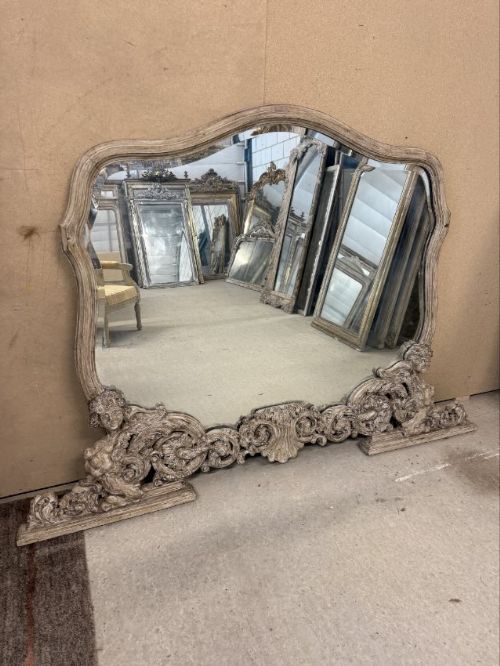
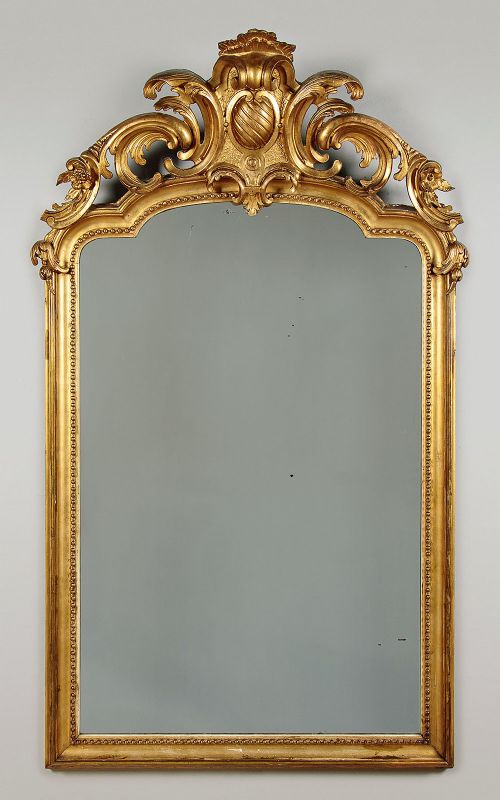
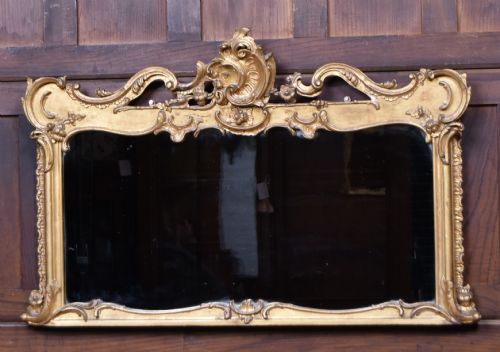
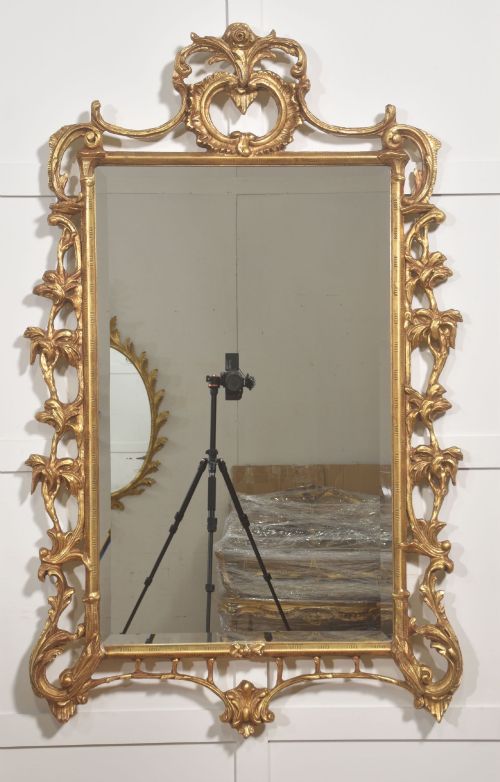
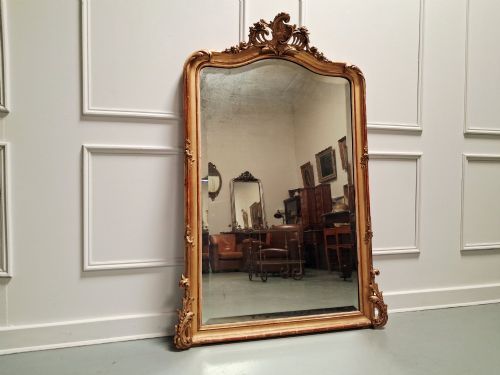
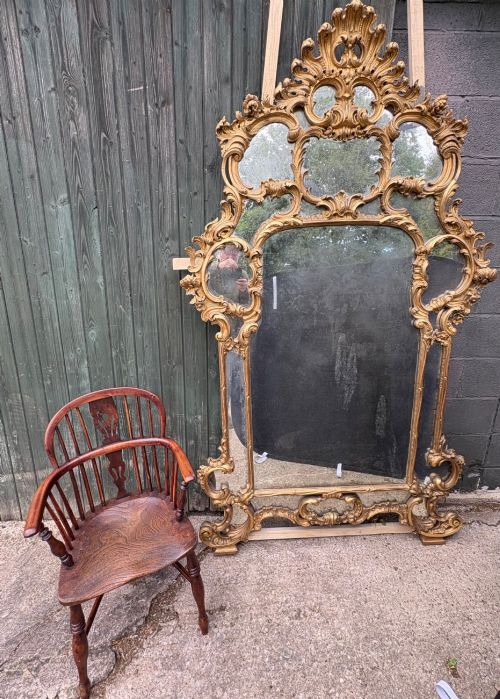
A rococo style mantle mirror brings sweeping asymmetry and fluid scrollwork directly into a room, framed in giltwood or carved walnut.
Rococo Style Mantle Mirror
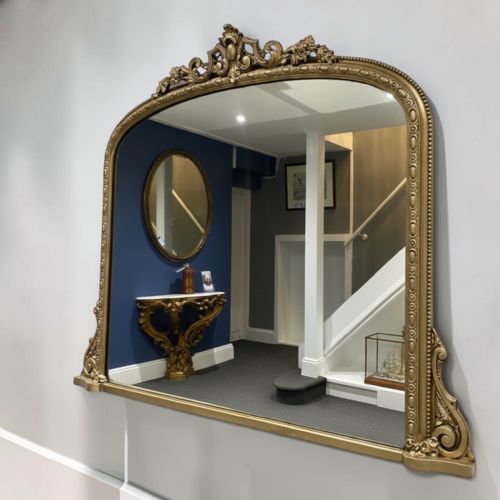
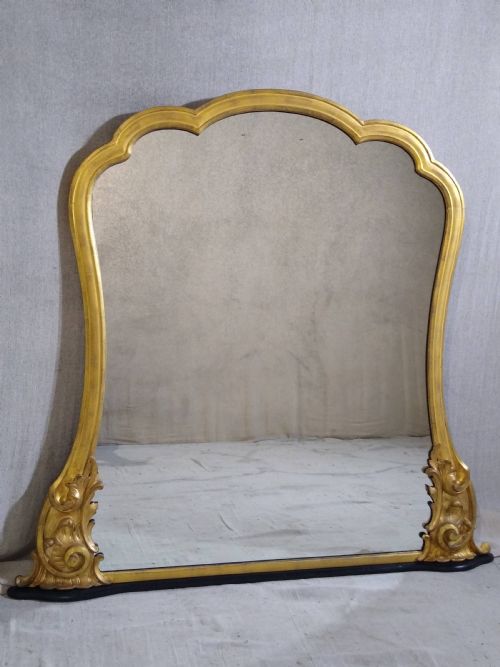
A rococo style mantle mirror takes the form of a large wall mirror or overmantel glass, designed to sit directly above a fireplace hearth or along a principal wall. These objects emerge from periods spanning the 18th century, the Georgian era, and various 19th-century revivals including Victorian and French chateau styles.
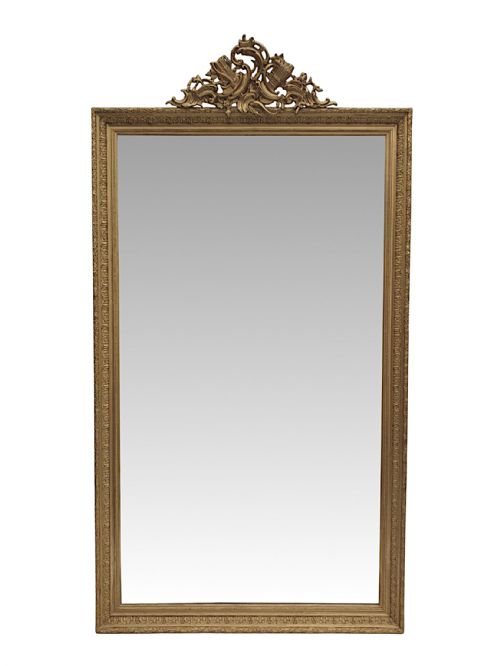
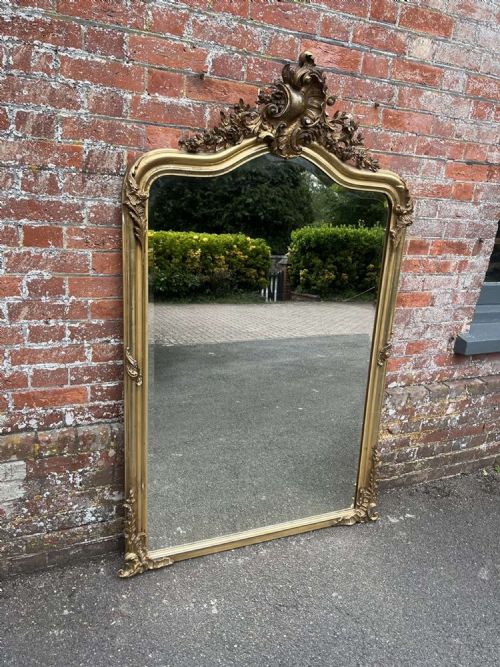
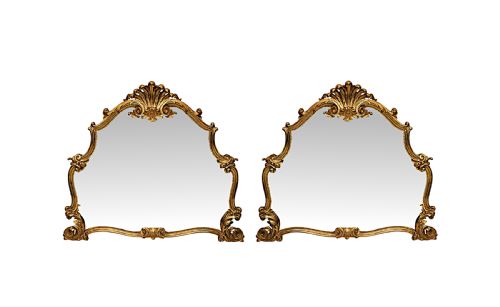
The most common examples on this page are substantial overmantel mirrors featuring shaped, arched, or camel-crested tops meant to command the architecture of a room. Formats vary from grand triple-plate landscape expanses to tall pier mirrors and smaller oval shapes.
Origins stretch across English workshops, French ateliers, and Italian makers, utilising traditional wall mirror and overmantel configurations that reflect light deep into interior spaces.
How they were made
Makers shaped these frames primarily from carved wood, walnut, or mahogany, often applying layers of gesso to build up the high-relief scrolls and organic motifs characteristic of the style. Gilding techniques applied gold leaf or silver leaf directly onto the prepared surfaces, while other examples received painted finishes.
Composition material was frequently pressed into moulds for intricate ornamental details on 19th-century and later frames, supplementing hand-carved elements. Glass plates were set within these heavy timber and gesso structures, occasionally utilising multiple plates for expansive overmantel formats.
Rococo Style Mantle Mirror Retail Price Guide 2026
Typical asking prices for rococo style mantle mirror among the pieces listed under this phrase on Sellingantiques today, from the lower quarter to the upper quarter. They describe what is for sale here now, not the wider market.
Some frames conceal secret red clay beneath their gold leaf, catching the light with surprising warmth.
What varies in quality
The distinction between a standard mirror and a superior one rests in the depth and crispness of the hand-carved woodwork versus moulded composition ornaments. Deeply undercut scrolls and sharply defined asymmetrical foliage indicate a higher standard of craftsmanship.
Surface preparation also dictates quality, where burnished gold leaf on gesso retains a warmer, more nuanced reflection of light than flat modern metallic paints. The preservation of original mercury or early silvered glass plates adds further distinction to older pieces.
The Rococo Style Mantle Mirror Glossary
- Overmantel mirror
- A large mirror specifically proportioned to hang on the wall directly above a mantelpiece. These often feature wide landscape formats to match the width of the fireplace below.
- Giltwood
- Timber that has been coated with a thin layer of gold leaf. This technique creates a luminous, reflective surface that defines many traditional decorative frames.
- Gesso
- A plaster-like mixture applied to wood frames to provide a smooth base for gilding or to be moulded into relief ornamentation. It allows artisans to carve intricate details before applying gold leaf.
- Pier mirror
- A tall, narrow mirror designed to hang on the wall space between two windows. They often match the height of adjacent doorways or tall furniture.
- Parcel gilt
- Woodwork that is partially gilded with gold leaf while other sections expose the natural grain of the underlying wood, such as walnut or mahogany.
Rococo Style Mantle Mirror: Frequently Asked Questions
Where should an overmantel mirror hang?
An overmantel mirror typically mounts to the wall directly above a fireplace mantel, anchoring the visual weight of the hearth within the room.
Alternatively, large leaner versions rest securely against a wall without wall-mounting, reflecting light and surrounding furniture from a lower vantage point.
How do I clean a giltwood frame?
Giltwood and gesso surfaces require gentle dusting with a soft, dry brush to protect the delicate gold leaf layer from abrasion and moisture damage.
Avoid liquid cleaners and chemical polishes entirely, as moisture can soften the underlying gesso and lift the historic gilding.
How can I tell the period?
Dating relies on examining the construction of the wooden frame, the composition of the gesso, and the manufacturing characteristics of the glass plate behind it.
Earlier 18th-century and Georgian examples display hand-carved walnut or timber frames, whereas later 19th-century revival pieces often incorporate moulded composition ornament.