







Antique Painted Chimney Glass
These antique painted chimney glass pieces bring architectural presence and soft reflection to a room, dominated by large Victorian and Edwardian overmantel mirrors.
Antique Painted Chimney Glass
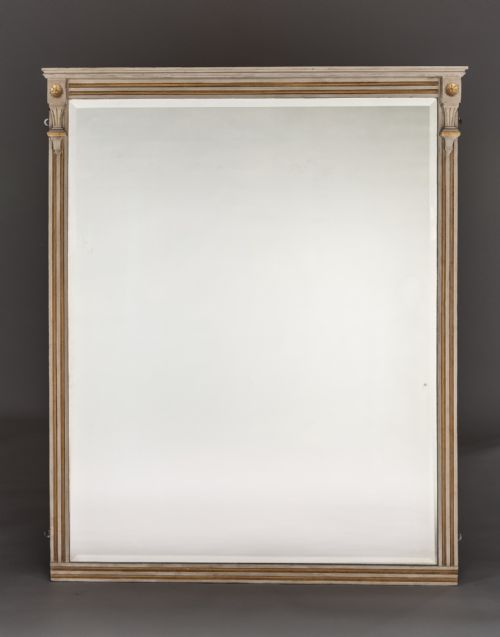
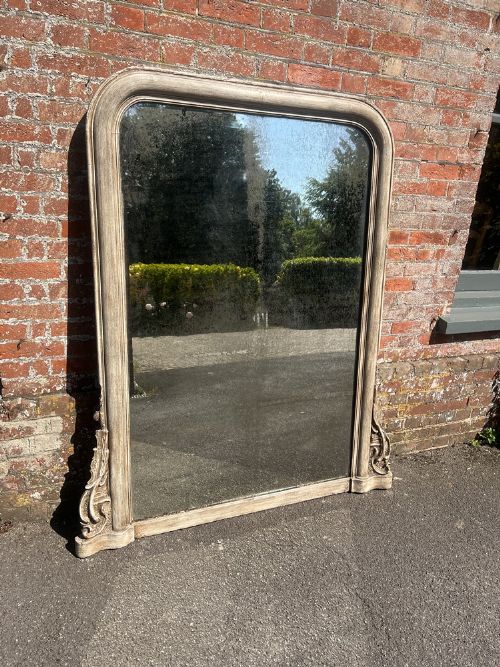
When you search for antique painted chimney glass, you find grand overmantel mirrors and wall mirrors designed to sit above fireplace hearths, alongside occasional lighting pieces like oil lamps. The selection leans heavily towards large nineteenth century Victorian frames, alongside Edwardian and Georgian examples.
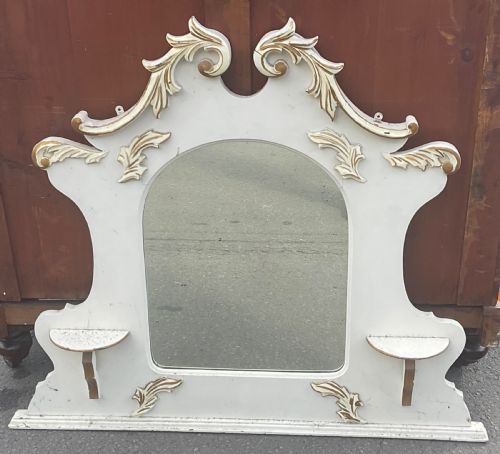
Makers shaped these heavy wooden and gesso frames to follow architectural lines, incorporating arched tops, shaped profiles, and trumeau formats. Painted finishes in light grey, white, and ebonised tones appear frequently alongside parcel gilt highlights.
The category bridges functional interior decoration and decorative art, capturing periods from the Aesthetic Movement to French revival styles. These pieces anchor a room visually, reflecting light down from the chimney breast into the living space.
How they were made
Craftsmen built the core frames from solid wood, often applying layers of gesso to carve intricate surface details, scrolls, and arched mouldings before applying paint. Artisans then finished the surfaces with hand-applied paint, gold leaf, or parcel gilt details.
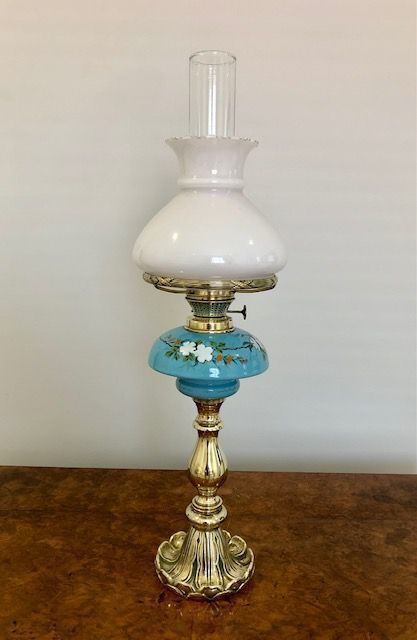
Mirror plates were set into these robust wooden carcasses, accompanied by separate glass components in the oil lamp variants. Brass fixtures and porcelain elements also integrate into the lighting pieces recorded in the material evidence.
Antique Painted Chimney Glass Retail Price Guide 2026
Typical asking prices for painted chimney glass among the pieces listed under this phrase on Sellingantiques today, from the lower quarter to the upper quarter. They describe what is for sale here now, not the wider market.
Even the lamps refuse to stay simple, occasionally arriving dressed in pink cranberry glass shades.
What varies in quality
The depth and crispness of the hand-carved gesso work set finer architectural mirrors apart from simpler mouldings. Relief ornamentation that retains sharp definition demonstrates superior craftsmanship.
The harmony between the painted ground and the applied parcel gilt or gold leaf creates distinction in visual weight. Original patination and the integration of mirror glass within the heavy timber frame determine the overall character.
The Antique Painted Chimney Glass Glossary
- Overmantel mirror
- A large mirror specifically designed to hang on the wall directly above a mantelpiece or chimney breast. These pieces often span the width of the fireplace below.
- Gesso
- A plaster-like mixture applied to wood frames and carved into relief ornamentation before gilding or painting. It provides the smooth base required for detailed surface decoration.
- Parcel-gilt
- A decorative treatment where only specific raised portions of a frame receive gilding, leaving the painted wood visible underneath. This technique creates contrast across carved details.
- Trumeau
- A decorative wall mirror or panel featuring a painted or carved scene above the glass plate. These French-influenced pieces bring vertical elegance to a room.
- Aesthetic Movement
- A late nineteenth century design style prioritising visual beauty over narrative meaning, often using ebonised surfaces and gilt highlights. It marked a shift away from heavy Victorian ornamentation.
Antique Painted Chimney Glass: Frequently Asked Questions
Where should an overmantel mirror hang?
These mirrors hang traditionally on the chimney breast directly above the fireplace mantel. Their scale balances the architectural weight of the hearth below.
They also function effectively on large blank walls where they draw light across the room.
How do I clean a painted wooden frame?
Dust the carved gesso and painted wooden surfaces gently with a dry, soft cloth. Avoid harsh chemical cleaners that might lift the historic paint or gilding.
Keep moisture away from the joints and the edges of the mirror plate to protect the underlying timber.
What periods do these mirrors represent?
The selection spans from Georgian and Victorian eras through the Aesthetic Movement and Edwardian periods. Each era brought distinct proportions and decorative motifs to the frames.
French revival styles also appear, showing influences from Louis XV designs adapted for British interiors.
Were oil lamps used alongside mirrors?
Oil lamps formed part of the functional lighting scheme in nineteenth century homes, often featuring brass bases and painted glass shades. They sat on mantelpieces and side tables near the hearth.
Today they survive as decorative lighting objects utilising period glass and ceramic bodies.