

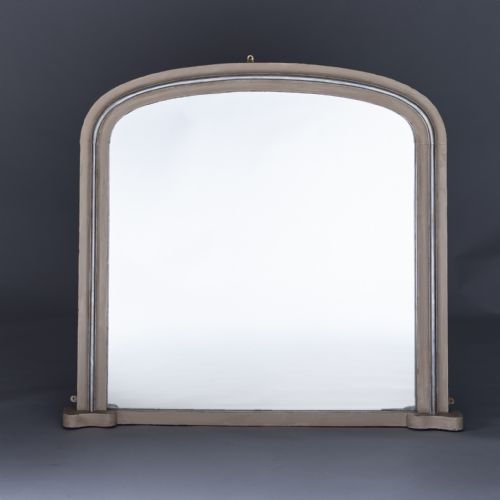


Grey Painted Overmantel Mirror
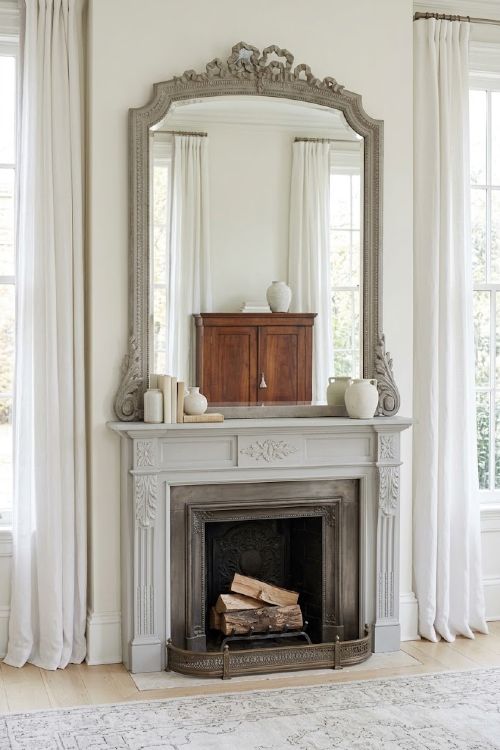
A grey painted overmantel mirror brings proportion and historic charm to a chimney breast, offering a balanced focal point above a fireplace.
Grey Painted Overmantel Mirror
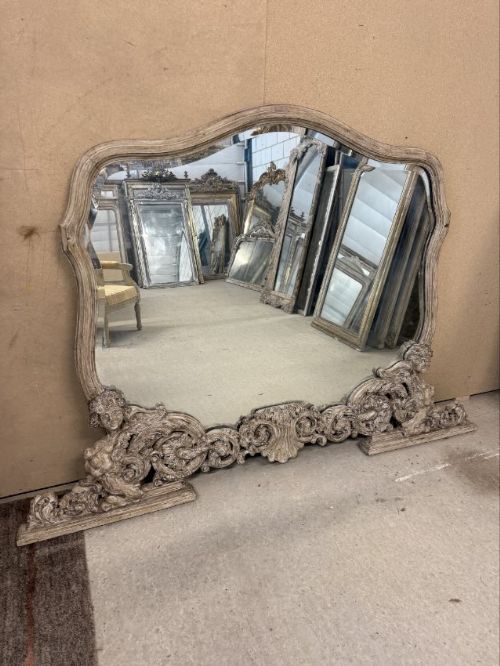
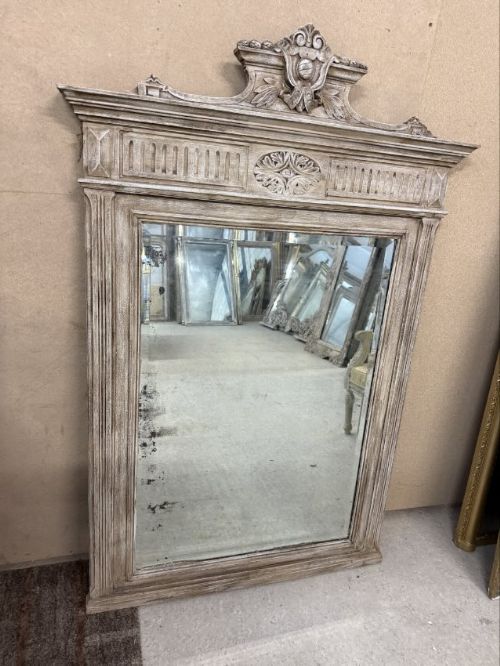
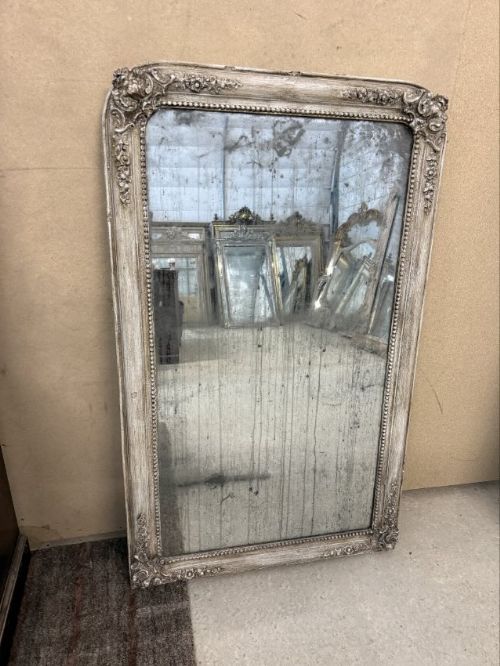
When seeking a grey painted overmantel mirror, collectors encounter substantial wall-hanging frames designed to sit directly above mantelpieces, predominantly originating from the nineteenth century.
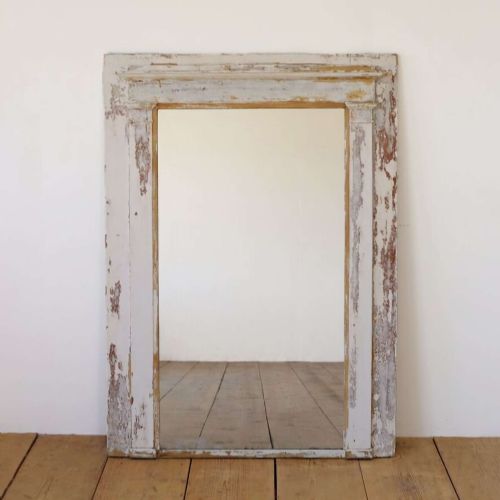
The selection encompasses both English and French examples, spanning styles from Victorian and Edwardian periods to French provincial and Empire designs.
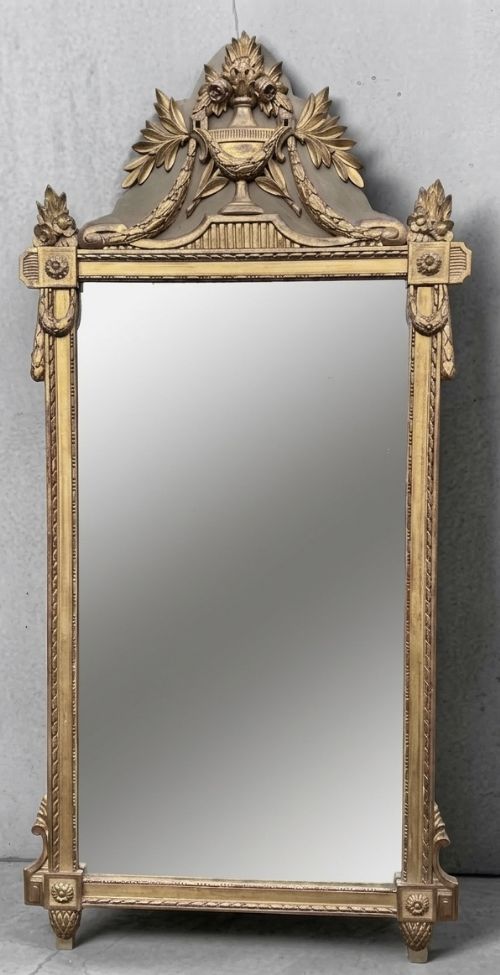
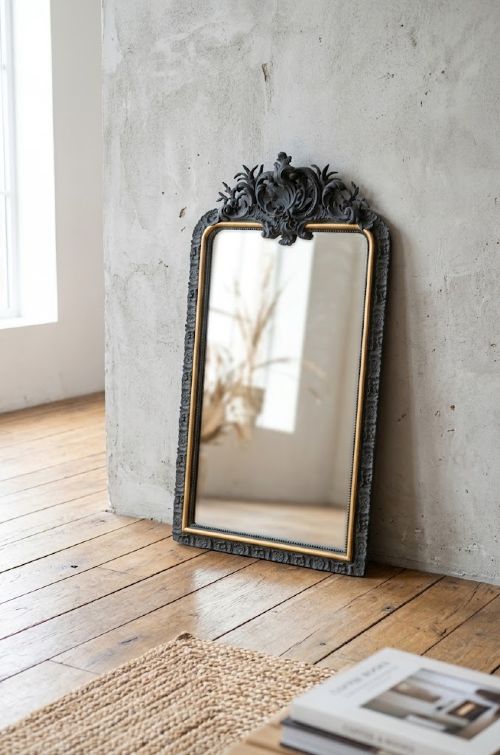
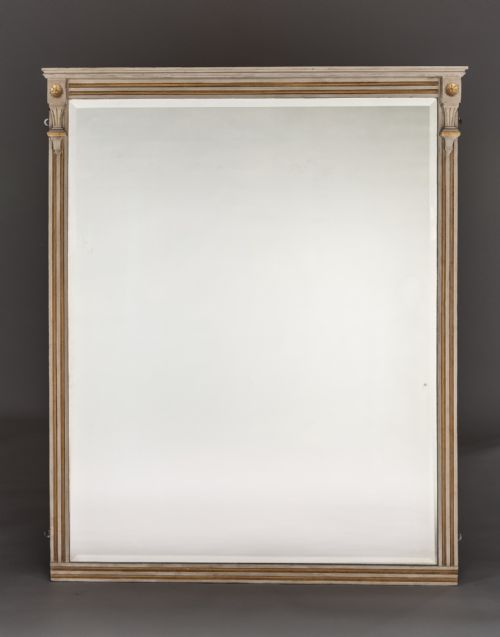
Many of these pieces combine painted wooden frames with carved gesso details, sometimes incorporating parcel-gilt highlights or traditional archtop and shaped top silhouettes.
What varies in quality
The sophistication of the carved wood and gesso ornamentation dictates the character of each piece, distinguishing simple moulded frames from elaborately sculpted French chateau designs.
Proportion and scale play a role in distinction, as larger overmantel mirrors with balanced architectural framing demand greater joinery skill.
Grey Painted Overmantel Mirror Retail Price Guide 2026
Typical asking prices for grey painted overmantel mirror among the pieces listed under this phrase on Sellingantiques today, from the lower quarter to the upper quarter. They describe what is for sale here now, not the wider market.
Several mirrors retain traces of historical Bacchus and cherub relief panels, watching silently over centuries of mantelpiece gatherings.
The Grey Painted Overmantel Mirror Glossary
- Overmantel mirror
- A large mirror specifically proportioned to hang on the wall directly above a fireplace mantelpiece. These pieces often feature horizontal emphasis to match the width of the hearth below.
- Gesso
- A plaster-like mixture applied to wood frames and carved into intricate decorative motifs before painting or gilding. It provides a smooth base for crisp architectural details.
- Trumeau mirror
- A decorative wall mirror incorporating a painted or carved panel above the glass plate. Originating in French interior design, they were often built into wall panelling.
- Parcel-gilt
- A finish where portions of an object are highlighted with gold leaf while the main body remains painted. This technique accentuates specific carved details on the frame.
- Archtop
- A mirror frame featuring a curved upper section rather than a purely rectangular profile. This shape softens the architectural lines above a fireplace.
Grey Painted Overmantel Mirror: Frequently Asked Questions
Where should an overmantel mirror be hung?
These mirrors traditionally sit centrally on the wall directly above a fireplace mantelpiece, anchoring the vertical space of the chimney breast. Their scale is specifically chosen to complement the width of the hearth below.
While designed for fireplaces, they also function effectively on large blank walls in reception rooms to reflect light and create a sense of extended space.
How do I identify nineteenth-century French mirrors?
Nineteenth-century French pieces often display distinct design characteristics such as carved wood and gesso frames, shaped arched tops, and classical motifs like columns or relief panels. Stylistic cues include French Empire, Rococo Revival, and provincial influences.
Construction methods, the weight of the timber, and the character of the mirror glass provide further context for dating these historical furnishings.
What does parcel-gilt mean on a mirror frame?
Parcel-gilt refers to a decorative technique where only selected portions of a painted wooden frame are highlighted with gold leaf. This partial gilding draws the eye to specific carved details and mouldings.
On Victorian and French pieces, this method adds subtle contrast against the painted grey background of the surrounding woodwork.
How do I care for antique mirror glass?
Antique glass requires gentle cleaning with a soft, dry cloth to remove dust without disturbing the silvering or the edges of the plate. Avoid harsh chemical sprays that can seep behind the frame and damage the backing.
Preserving the original glass, including any minor foxing or age spots, maintains the historic integrity and character of the piece.