

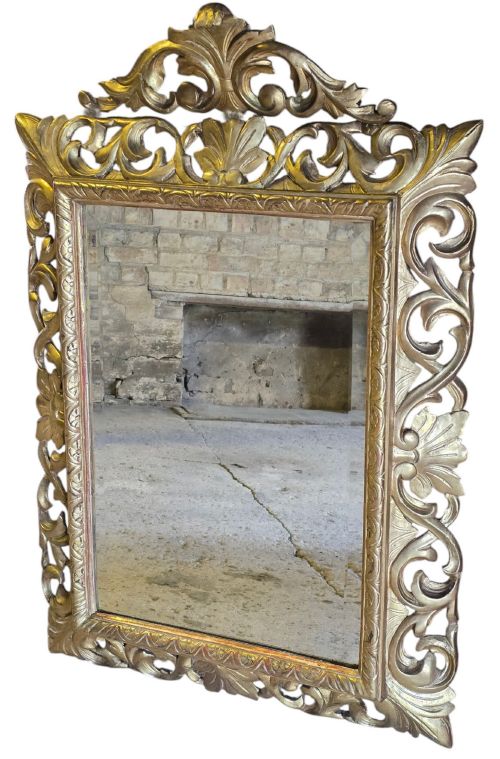
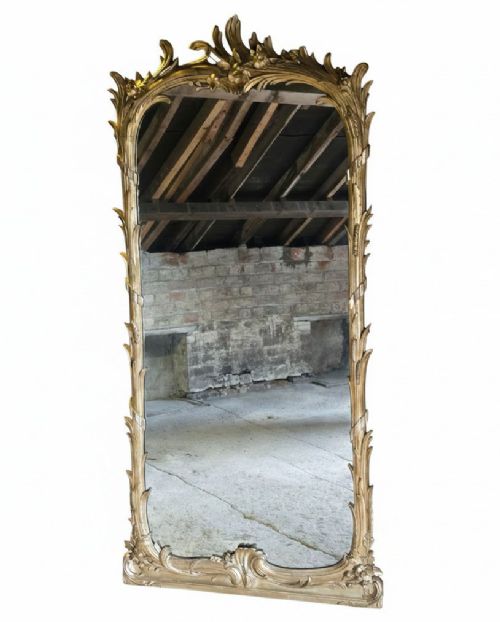
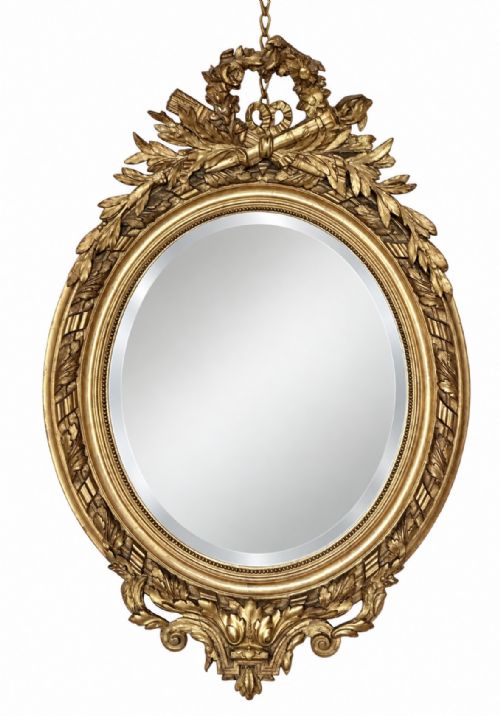
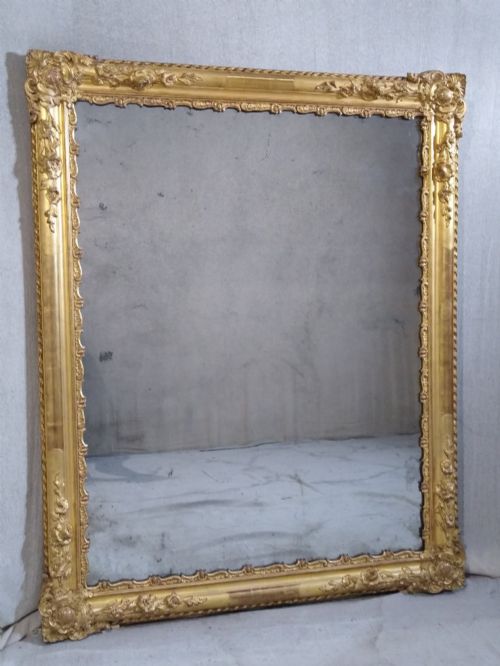
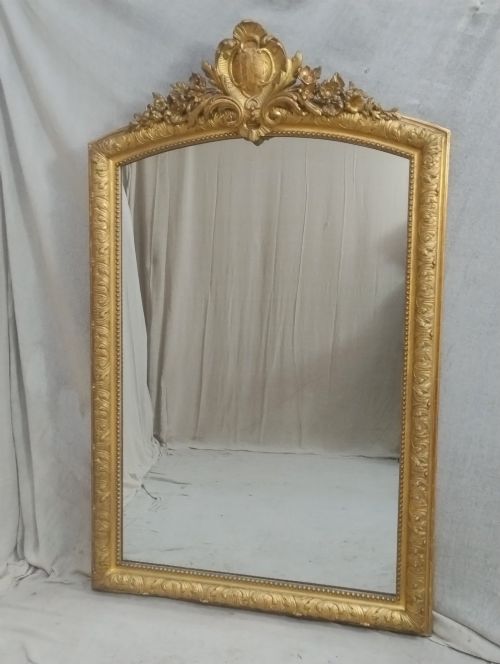
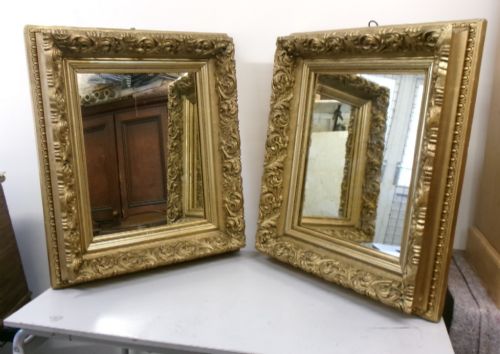


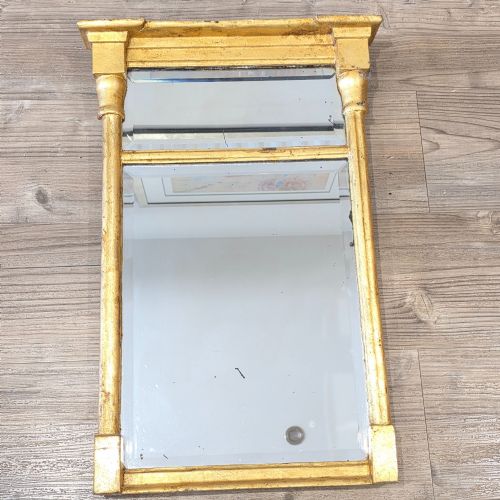
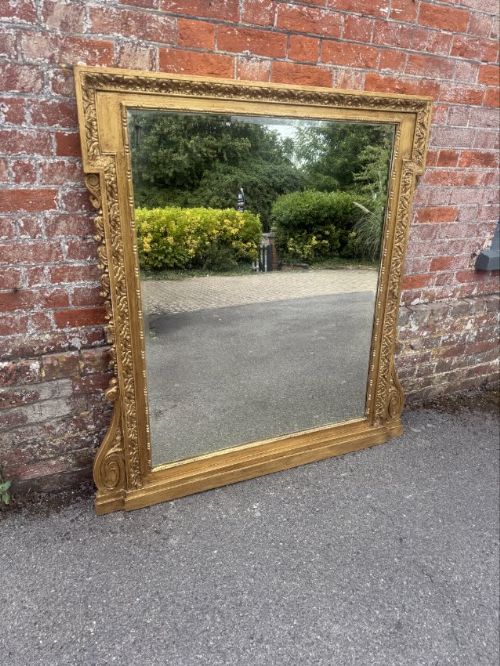
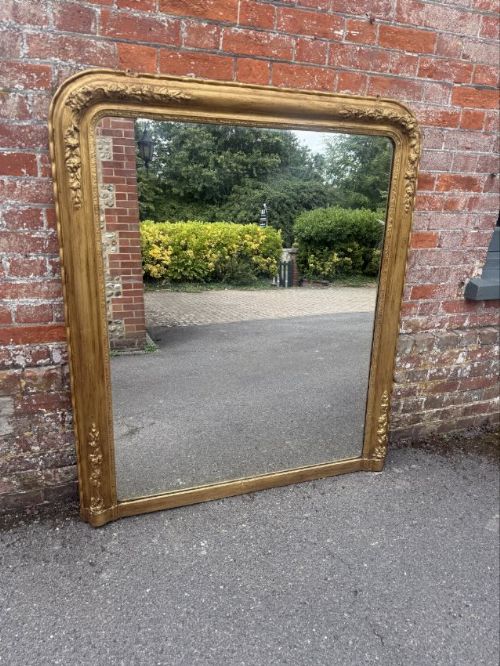
Overmantel Mirror Gold
An overmantel mirror gold brings architectural presence and reflected light to a room, framing nineteenth-century craftsmanship with historic appeal.
Understanding overmantel mirror gold
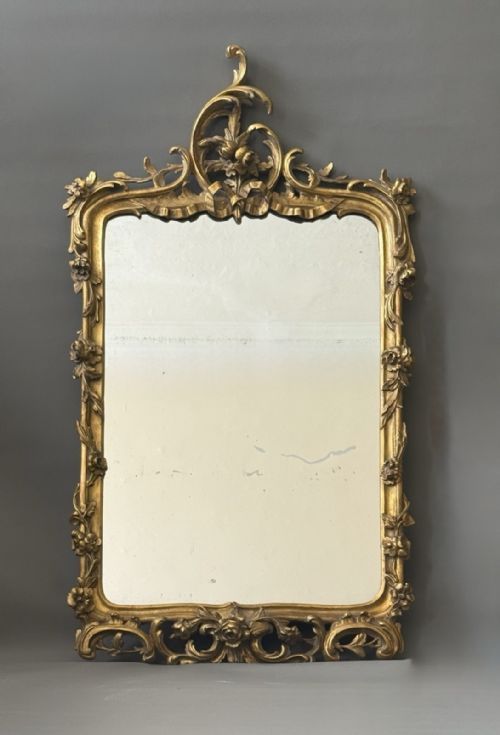
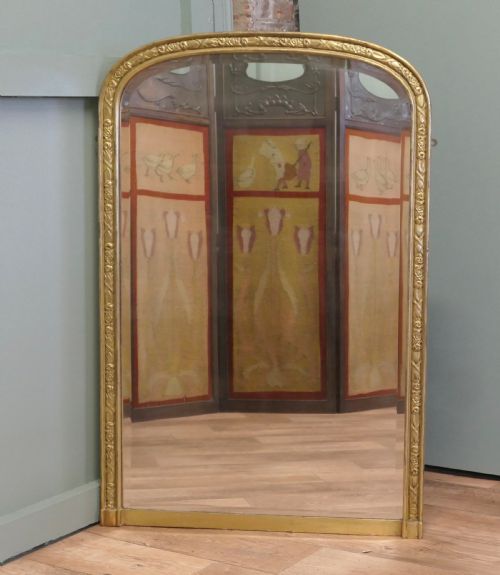
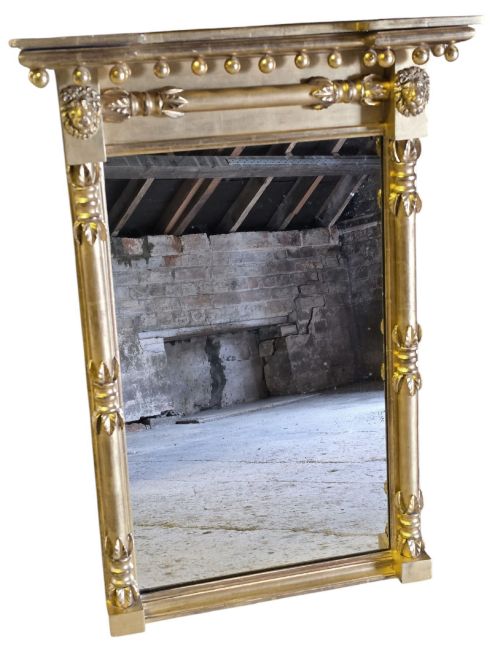
An overmantel mirror gold sits above a fireplace or serves as a principal wall hanging, designed to dominate the room through sheer scale. The evidence shows these pieces span the eighteenth century, nineteenth century, Edwardian period, and specific years such as eighteen eighty, encompassing both wall mirrors and standard mirrors. Forms range from large rectangular frames to grand arched and oval shapes that reflect the interior space.
The styles recorded in the inventory cover Rococo Revival, French Neoclassical, Louis Philippe, Regency Revival, Victorian, and George II. Buyers frequently encounter French and Victorian interpretations featuring ornate statements or restrained architectural lines. These mirrors combine deep wooden frames with reflective glass to anchor the hearth centrepiece.
Origin details in the archive point to French workshops alongside British Victorian and Edwardian examples. The selection moves between eighteenth-century origins with foxed mercury glass and later nineteenth-century revivals. Each piece reflects the decorative taste of its specific period, from restrained neoclassical symmetry to exuberant rococo carving.
Materials and construction
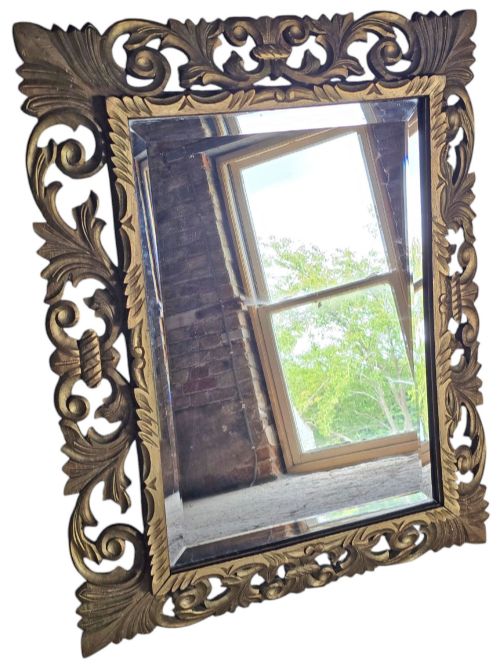
Makers built these frames using solid timber or gesso over wood substrates, applying gold leaf or composition mouldings to achieve the desired metallic lustre. The evidence records materials such as giltwood, gesso, composition, gilded wood, and applied gold leaf. Craftsmen carved detailed ornamentation directly into the wood or applied moulded composition elements to the corners and crests.
Reflecting surfaces rely on traditional glass plates, occasionally featuring mercury glass with natural foxing accumulated over centuries. Frames frequently combine ebonised sections with detailed gold work or maintain a uniform gilded finish across the entire moulding. The physical weight of these large frames requires robust internal joinery to support heavy glass plates safely.
Retail Price Guide 2026
Typical UK retail prices for overmantel mirror gold, calculated from the Sellingantiques database of over a million retail prices indexed since 2003. This retail price guide relies exclusively on Sellingantiques data; no external sources or auction records are used, so the figures do not describe the wider market.
Century-old mercury glass turns stubborn blemishes into an accidental impressionist portrait of everyone who ever checked their hair.
Evaluating quality and finish
Quality rests on the depth of the carving and the integrity of the original gilding rather than superficial brightness. Hand-carved giltwood demonstrates superior craftsmanship compared to moulded composition frames, showing crisp botanical or architectural relief that survives centuries of cleaning.
The condition and age of the glass plate contribute significantly to the character of the piece. Authentic mercury glass with natural foxing and age spots provides a softer reflection than modern replacement plates, preserving the historic authenticity of the mirror.
The Overmantel Mirror Gold Glossary
- Giltwood
- Wood that has been coated with gold leaf or gold powder. This finish ages with a distinct warmth characteristic of antique frames.
- Mercury glass
- A double-walled glass blown in the nineteenth century with a silvering mixture inserted between the layers. It creates a cloudy, reflective surface prized by collectors.
- Foxing
- Age-related spots and discoloration within the glass plate. These marks develop as the silver backing degrades over long periods.
- Gesso
- A plaster-like mixture applied to wood frames to create a smooth surface for gilding. It allows craftsmen to carve intricate details before applying gold leaf.
- Composition
- A moulded mixture of whiting, resin, and oil pressed into ornamental shapes. It was widely used in nineteenth-century workshops to produce decorative frame details quickly.
Frequently Asked Questions
Where should I hang an overmantel mirror?
These mirrors historically hang directly above a fireplace mantelpiece to reflect light and balance the vertical space of the chimney breast. They also function effectively as large wall mirrors in reception rooms and hallways.
The substantial scale requires secure wall fixings tied directly into structural studs or masonry. Positioning the mirror opposite a window maximises natural light distribution across the room.
How do I identify a French Louis Philippe mirror?
Louis Philippe mirrors typically feature rounded top corners combined with straight vertical sides and a subtle beaded inner frame. The decoration remains more restrained than earlier Rococo Revival or George II styles.
Craftsmen often incorporated subtle crest carvings at the top centre while keeping the overall silhouette clean and architectural. This style dates primarily from the nineteenth century and suits both traditional and modern interiors.
What is foxed glass?
Foxed glass refers to the speckled, darkened spots that appear on antique mirror plates as the reflective backing deteriorates over time. This natural ageing process creates a soft, mottled reflection without impairing the structural integrity of the glass.
Collectors value authentic foxing because it confirms the age of the mirror plate. It distinguishes nineteenth-century and earlier glass from modern replacement mirrors.
How do I clean a gilded frame?
Gilded frames require gentle dusting with a soft, dry brush to remove surface particles without disturbing the gold leaf. Avoid liquid cleaners, polishes, and abrasive cloths that can strip the delicate metallic finish.
Careful maintenance preserves the original gesso and composition details. Professional conservation is recommended for frames showing active flaking or structural instability.