

Vintage Looking Glass
A vintage looking glass brings warmth and character to a room, offering functional reflection alongside period craftsmanship.
Vintage Looking Glass
A vintage looking glass encompasses wall-mounted mirrors spanning multiple centuries, with particular emphasis on examples from the nineteenth and early twentieth centuries. These pieces function primarily as wall mirrors and overmantle mirrors designed to catch and reflect light in domestic interiors.
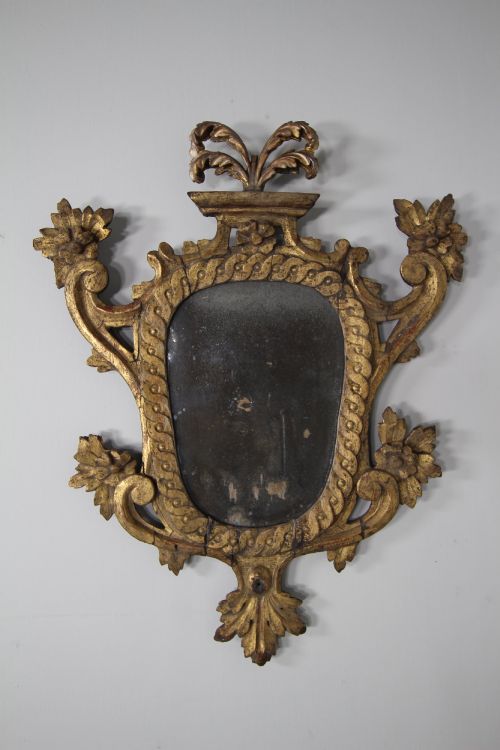
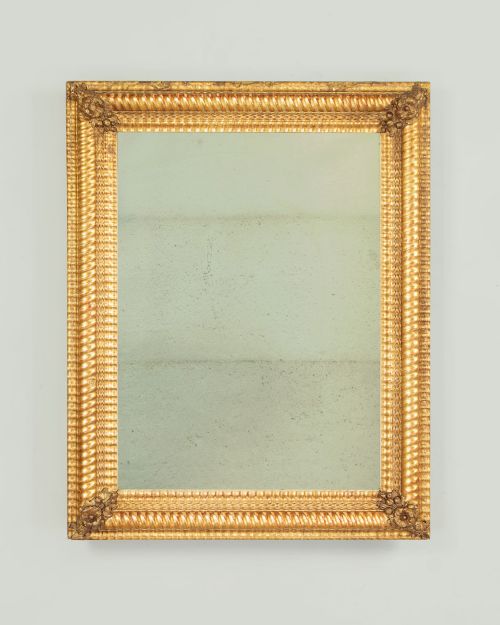
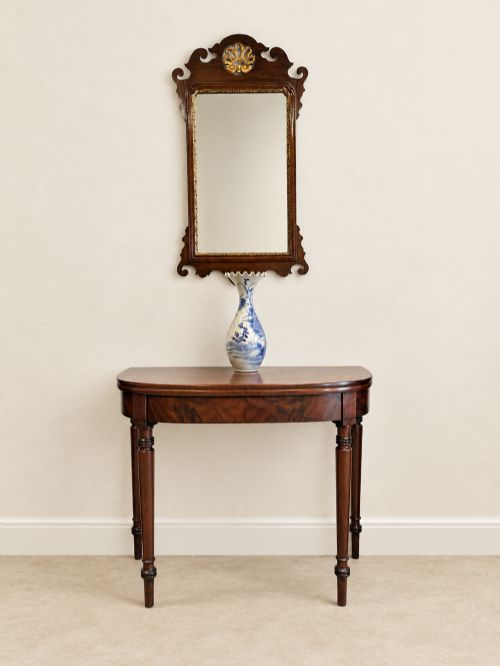
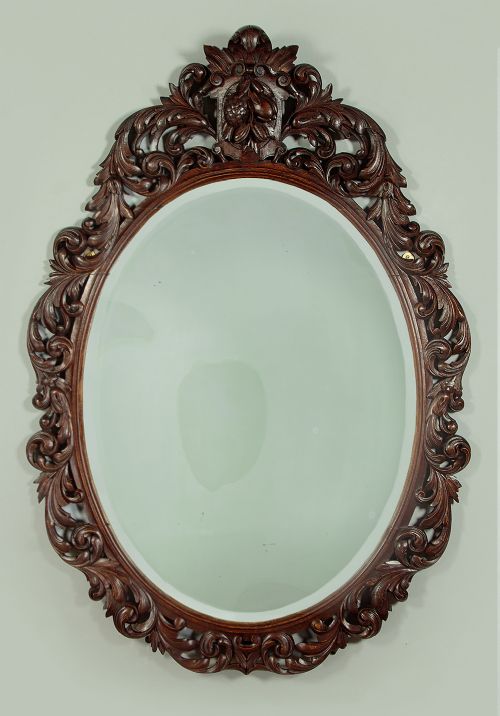
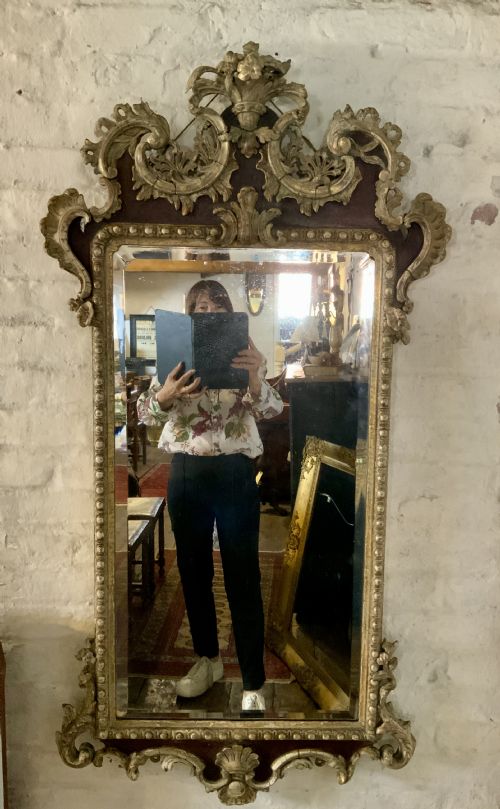
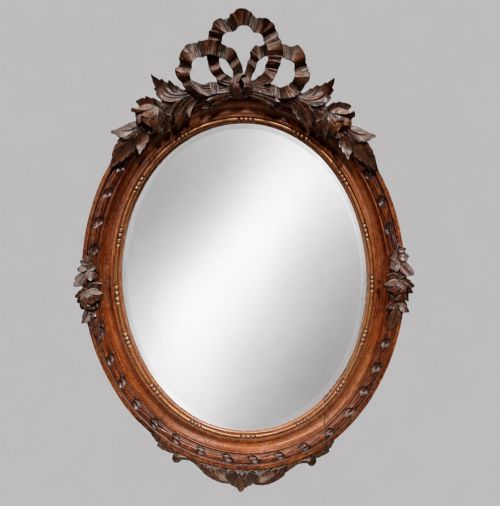
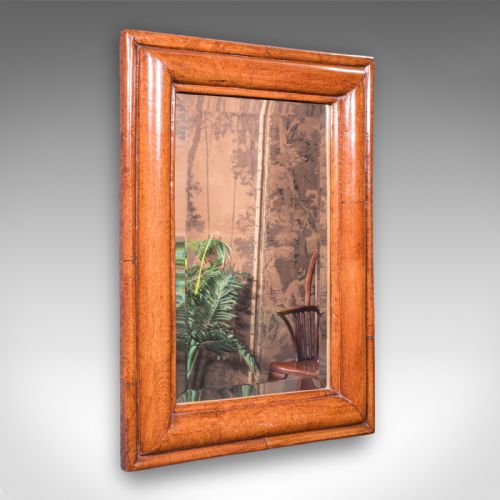
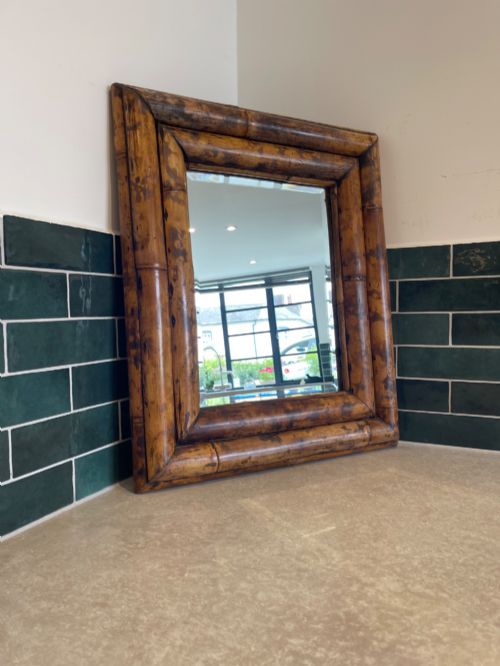
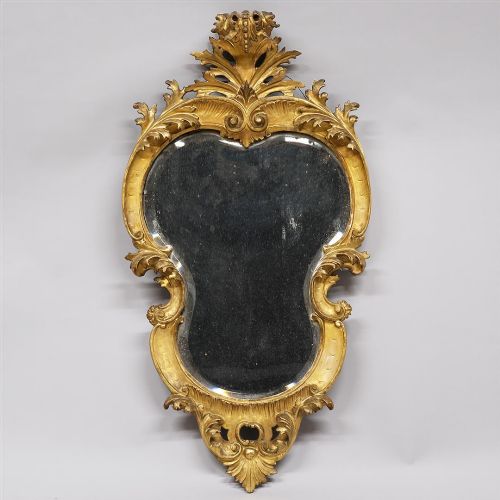
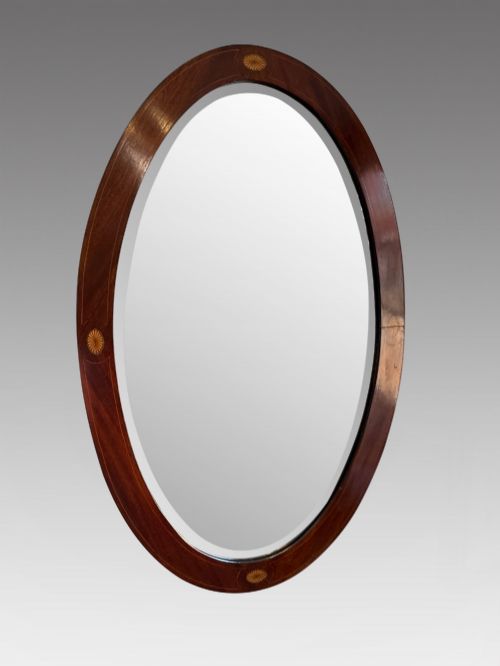
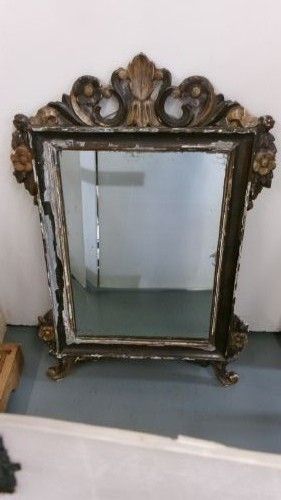
Buyers will encounter a diverse selection of regional and stylistic origins on this page, ranging from English Georgian mahogany designs to ornate French and Italian giltwood creations. Formats vary considerably from neat oval wall hangings to substantial rectangular frames intended for principal reception rooms.
How they were made
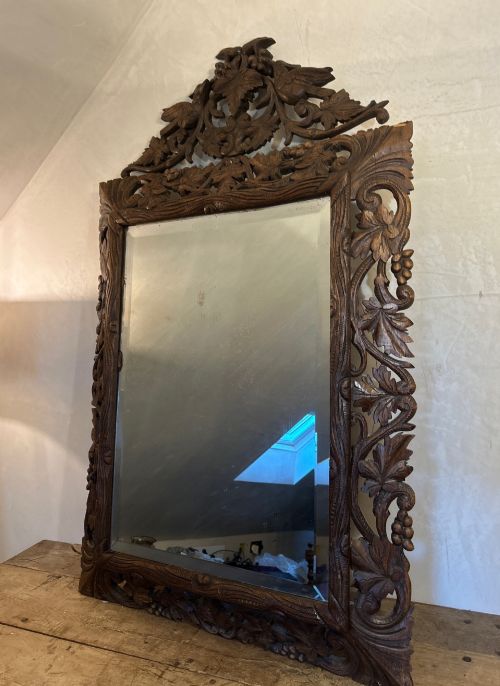
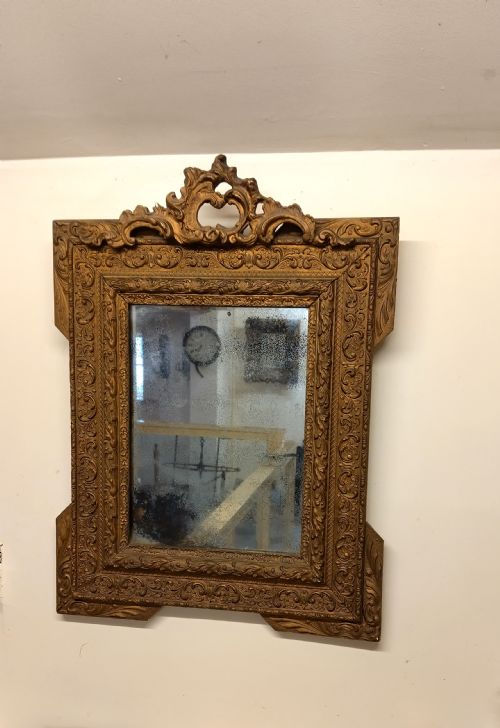
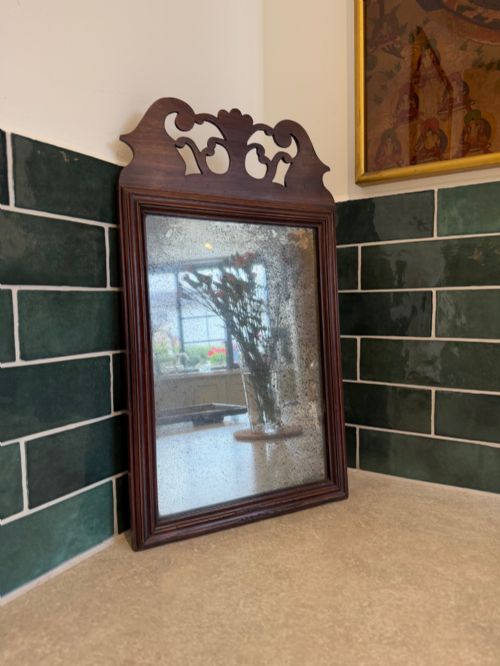
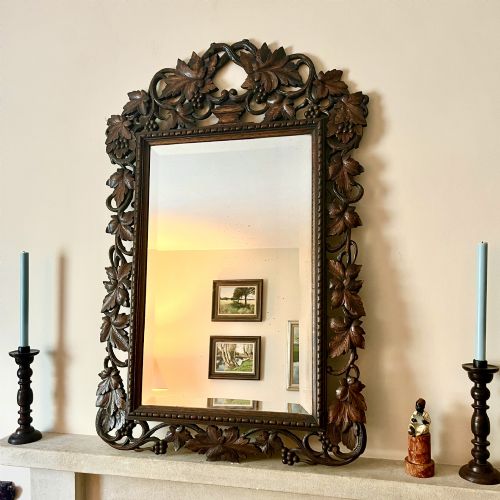
Frames rely on traditional woodworking techniques using timber such as oak, mahogany, walnut, and pine, often shaped with hand-carved detailing or fretwork fret-sawn borders. Giltwood and parcel gilt variants utilise layers of gesso applied to wood before receiving gold leaf or silver gilt applications.
Mirror plates are set within these supportive wooden structures, sometimes featuring bevelled edges or engraved decoration on the glass itself. Joinery methods reflect the period of origin, employing pegged joints in earlier pieces and fine veneer work in later Edwardian and 1920s examples.
Listings feature looking glass frames fashioned from oak, walnut, mahogany, and pine, alongside decorative finishes in giltwood and gold leaf.
What varies in quality
The depth and crispness of hand-carved detail separate standard frames from superior examples, particularly in the execution of foliage, scrollwork, and rococo motifs. Superior pieces exhibit precise joinery and balanced proportions that reflect the aesthetic ambitions of their specific period.
The preservation of the original gilt surface or timber patina dictates the visual impact of the looking glass. Additionally, the clarity and integrity of the mirror plate, whether original mercury glass or later replacement, influence the overall character of the piece.
The Vintage Looking Glass Glossary
- Giltwood
- Wood that has been coated with gold leaf over a prepared gesso ground. This finish appears frequently on ornate wall mirrors.
- Fretwork
- Openwork ornamentation cut with a fretsaw, commonly seen on eighteenth-century walnut and mahogany frames.
- Overmantle
- A large mirror designed specifically to hang on the wall directly above a fireplace mantelpiece. These frames often feature expansive horizontal proportions.
- Gesso
- A plaster-like mixture applied to wood frames to provide a smooth surface for gilding or painting. It allows for intricate moulded relief decoration.
- Parcel gilt
- Partially gilded woodwork where specific carved details are highlighted in gold leaf while the underlying timber remains visible.
Vintage Looking Glass: Frequently Asked Questions
Where should I hang a heavy vintage looking glass?
Heavy mirrors require secure fixing directly into wall studs or masonry using appropriate wall anchors to support the weight of the timber and glass safely.
Positioning them at eye level or above a mantelpiece ensures optimal reflection and creates a natural focal point within the room.
How do I clean an antique mirror plate?
Clean the glass gently using a soft microfibre cloth and a mild, ammonia-free cleaning solution sprayed onto the cloth rather than directly onto the glass.
Avoid harsh scrubbing around the edges of the plate where the silvering is fragile and susceptible to moisture damage.
Can I date a looking glass by its frame?
Frame styles, construction methods, and timber choices offer strong indicators of the period, such as mahogany in Georgian pieces or heavy gesso in Victorian examples.
Examining the backboards, fixings, and the composition of the glass plate provides further evidence to confirm the age of the piece.
What is the difference between an overmantle and a wall mirror?
Overmantle mirrors are proportioned specifically to sit above fireplaces and tend to be wider than they are tall to match the hearth below.
Standard wall mirrors come in various shapes including oval, square, and vertical formats suitable for hallways, bedrooms, and general living spaces.