
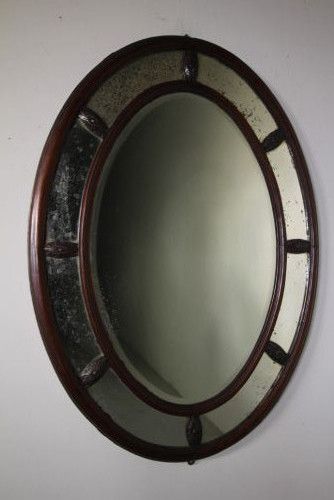
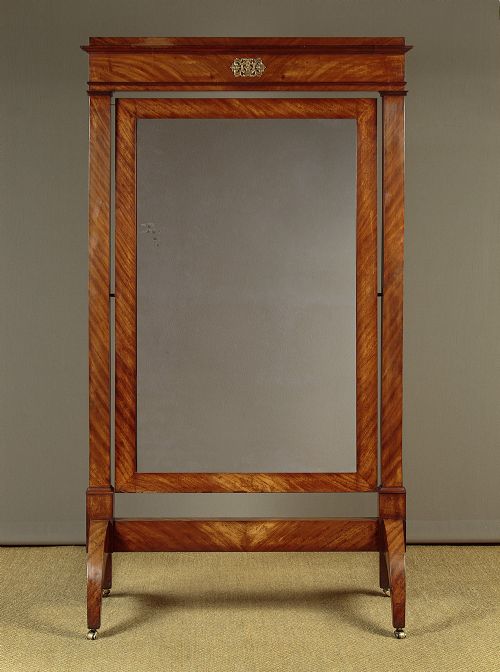
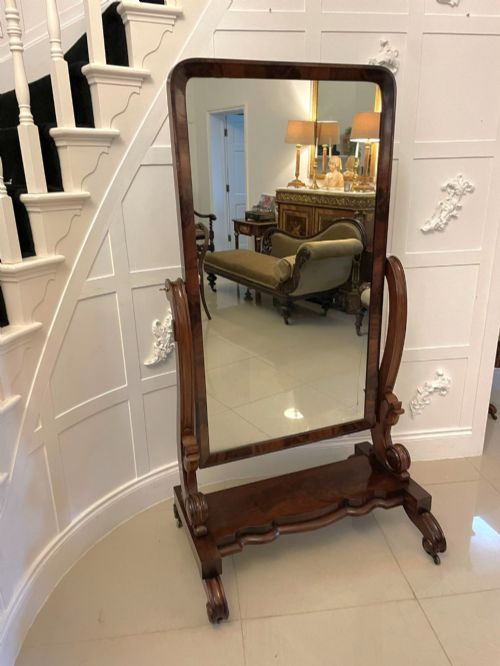
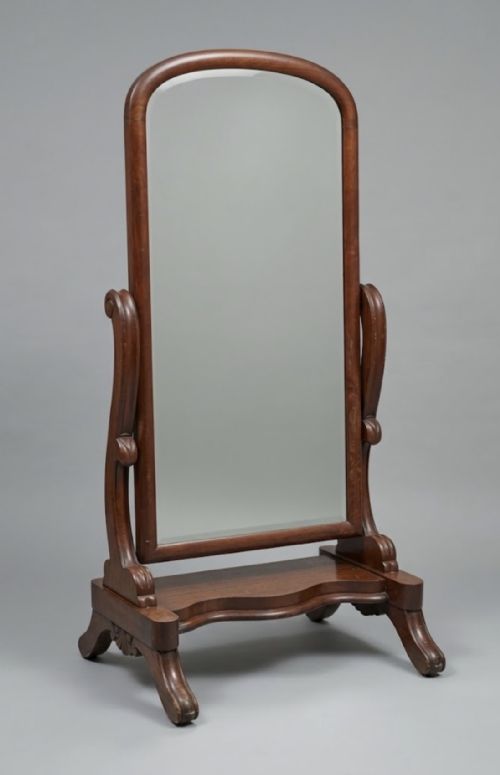

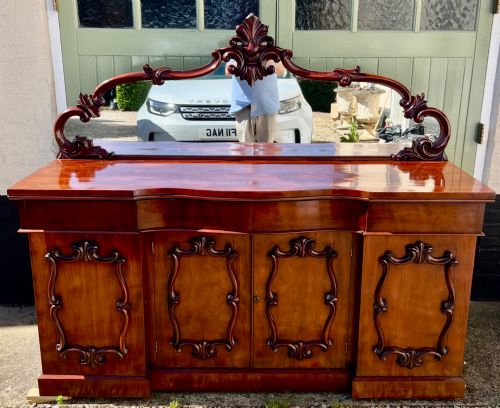
Large Mahogany Mirror
A large mahogany mirror brings depth and warmth to a room, drawing the eye with rich timber grain and polished glass.
Large Mahogany Mirror
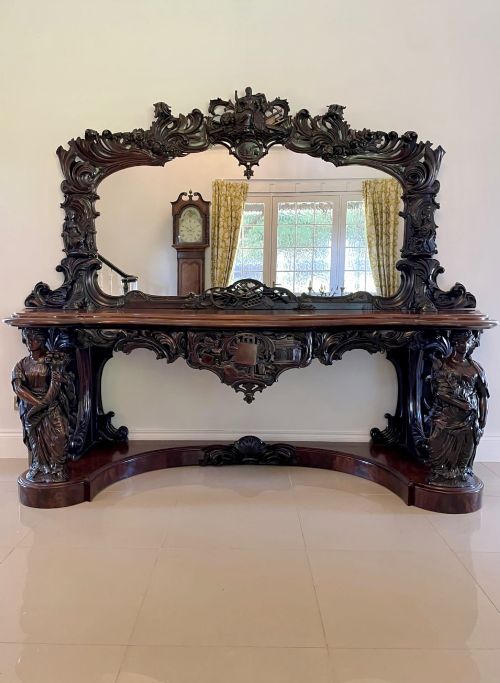
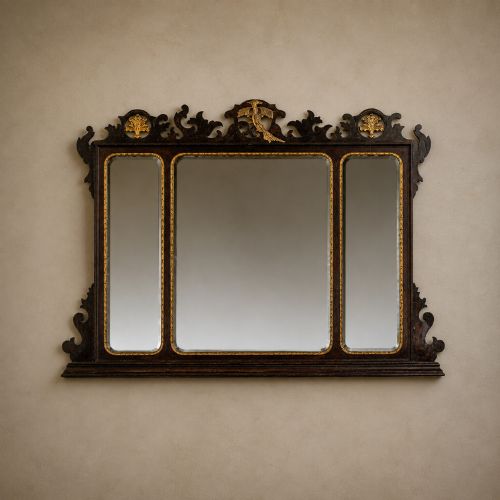
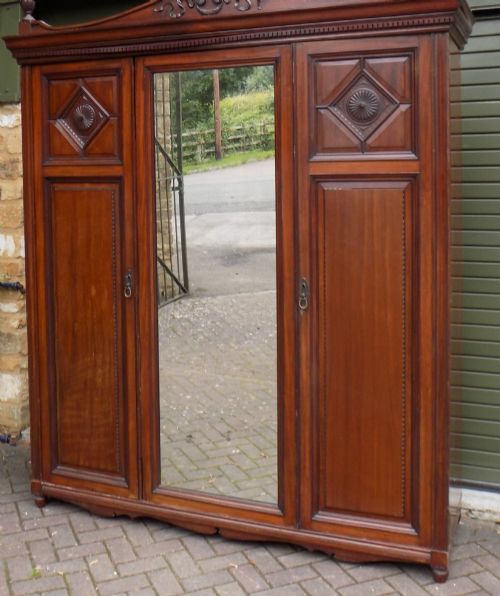
A large mahogany mirror commands attention in a room, offering both practical reflection and substantial decorative presence. When searching for a large mahogany mirror, buyers encounter various formats ranging from overmantel and wall-hung pieces to freestanding cheval designs.
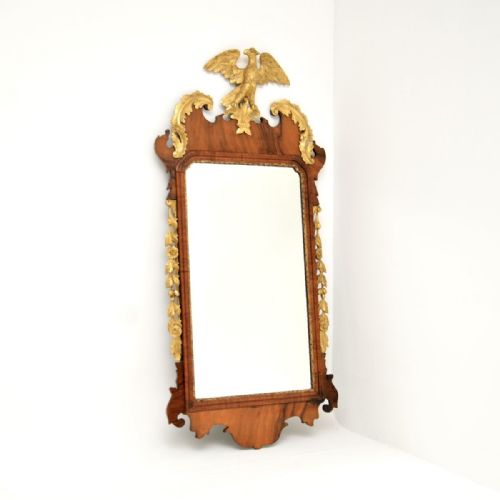
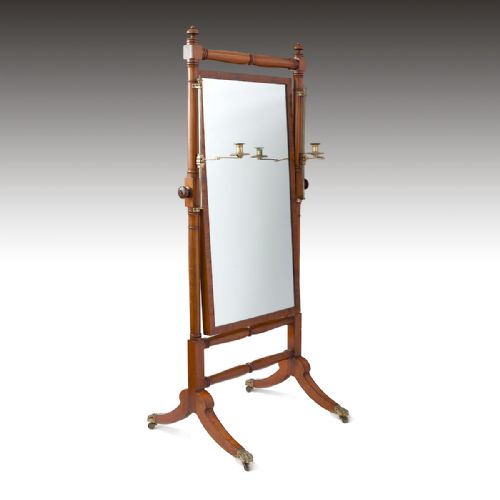
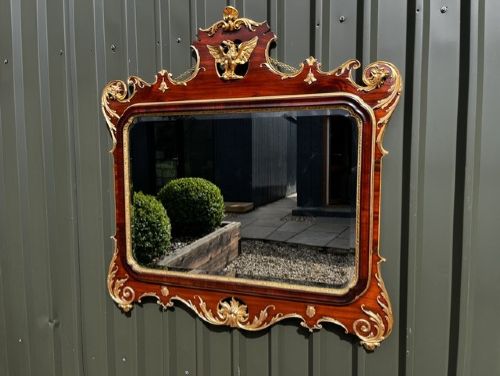
The selections span multiple eras, notably Victorian, Edwardian, and Georgian periods, alongside later revivals. Wall mirrors and cheval dressing glasses appear most frequently, often displaying classic fretwork, parcel-gilt accents, or architectural frames.
Originating largely from British and continental workshops, these pieces served country houses, urban townhouses, and grand dressing rooms alike. Their enduring appeal lies in the rich, deep tones of the timber and the generous proportions designed to amplify light in principal rooms.
Judging the standard of manufacture
Quality rests upon the crispness of the hand-carved details, the selection of timber figures, and the structural integrity of the frame joints. Superior examples display refined fretwork with sharp internal corners and carefully matched mahogany veneers.
The depth of the parcel-gilt work and the retention of original mirror glass with natural age oxidation distinguish finer specimens. Robust framing on large cheval and overmantel pieces ensures the heavy glass remains stable and secure without sagging.
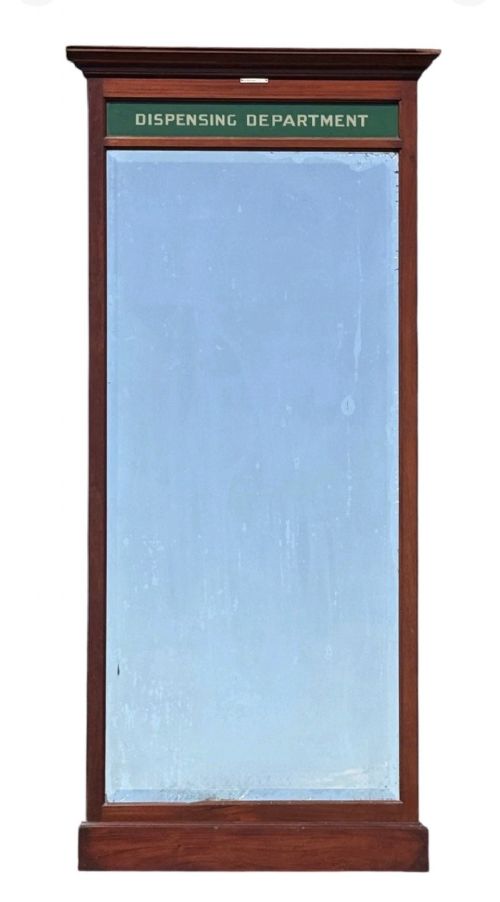
Some Victorian pharmacy mirrors once watched over bustling chemist shops before finding new life in modern hallways.
Gillow·William Kent
The Large Mahogany Mirror Glossary
- Parcel-gilt
- Partially gilded woodwork where gold leaf highlights specific carved details against the dark mahogany background. This technique draws attention to architectural elements such as bezels and mouldings.
- Cheval glass
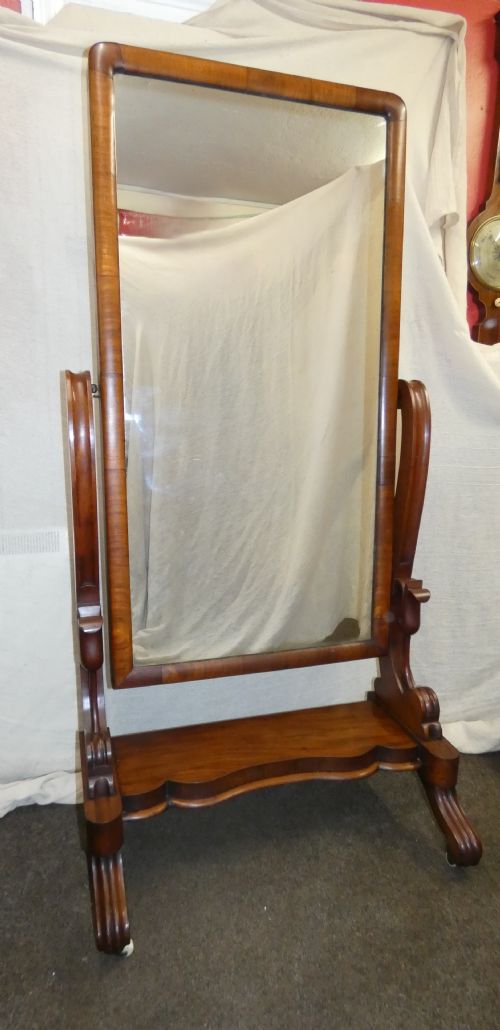
- A full-length swing mirror mounted within a freestanding frame on upright pillars and feet. These pieces allowed individuals to view their entire outfit.
- Overmantel mirror
- A wide mirror designed specifically to hang on the wall above a fireplace mantelpiece. They often feature horizontal proportions to complement the fireplace surround.
- Fretwork
- Openwork ornamentation cut from thin timber panels using a fretsaw. This decorative technique appears frequently on Georgian and Edwardian wall frames.
- Pier glass
- A tall mirror designed to hang on the wall space between two windows. These pieces reflected additional natural light into dark Georgian and Victorian reception rooms.
Large Mahogany Mirror: Frequently Asked Questions
Where should I hang a large overmantel mirror?
An overmantel mirror traditionally anchors the space directly above a fireplace, creating a focal point that reflects light and room dimensions. Secure mounting into solid wall studs is essential due to the substantial weight of the timber and glass.
Positioning the base of the frame just above the mantelpiece shelf maintains a balanced proportion with the fireplace surround. This placement also ensures the mirror reflects the room rather than the ceiling.
How do I distinguish a Georgian mirror from a Victorian revival?
Genuine Georgian mirrors exhibit construction methods specific to the eighteenth century, including hand-cut joinery and older backing boards. Timber choice and the type of secondary wood used inside the frame offer further clues.
Victorian revival pieces often display machine-cut precision and heavier proportions influenced by historic designs. Examining the fixings, screws, and backboards usually clarifies the exact period of manufacture.
What is the difference between a cheval mirror and a dressing mirror?
A cheval mirror is a tall, floor-standing piece mounted on pivots within a sturdy frame, designed to show a full-length reflection. These stood freely in bedrooms or dressing chambers.
In contrast, a dressing mirror is a smaller glass mounted on a box base or small drawers, intended to sit atop a dressing table or chest. They offered a half-length view for grooming and applying cosmetics.
How do I care for antique mahogany and mirror glass?
Clean the mahogany frame gently with a soft, dry cloth to remove dust without disturbing the polished surface. Avoid modern silicone sprays or harsh chemical polishes that can damage historic finishes.
Clean the mirror glass sparingly using a mild glass cleaner applied to a cloth rather than sprayed directly onto the glass. This prevents moisture from seeping behind the plate and harming the silvering.