




Edwardian Pier Mirror
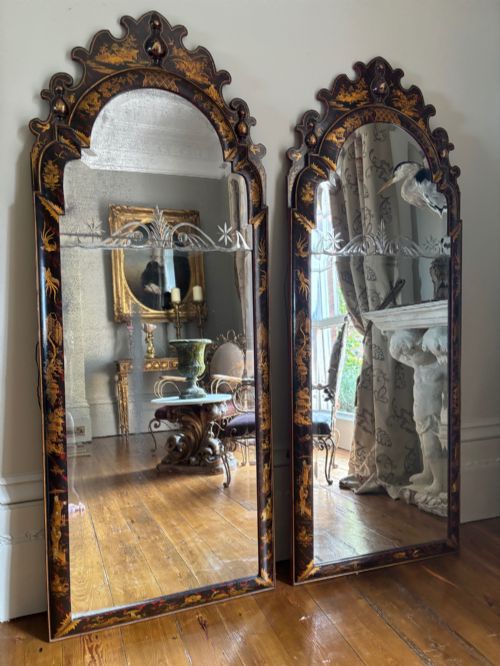
An edwardian pier mirror brings vertical elegance and reflected light to a narrow wall space, typically positioned between windows.
Edwardian Pier Mirror
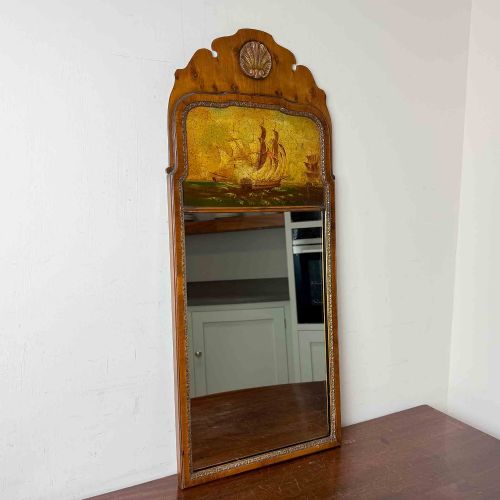
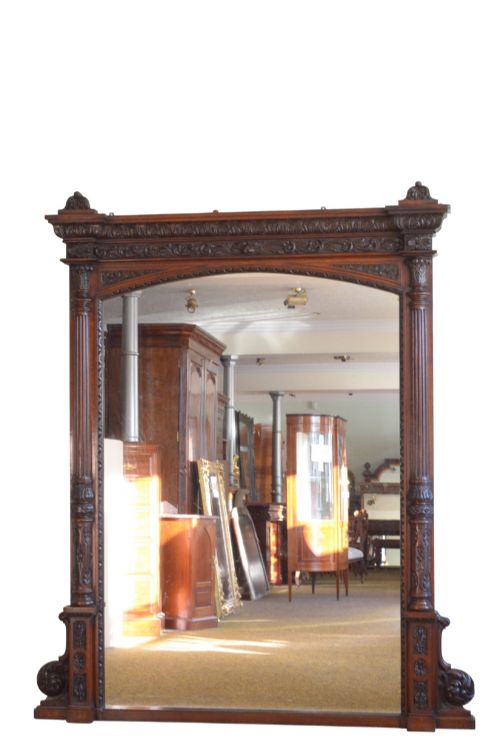
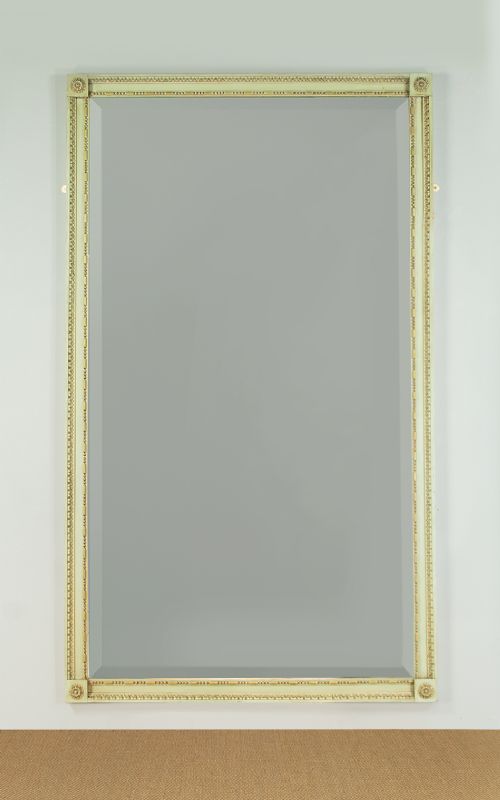
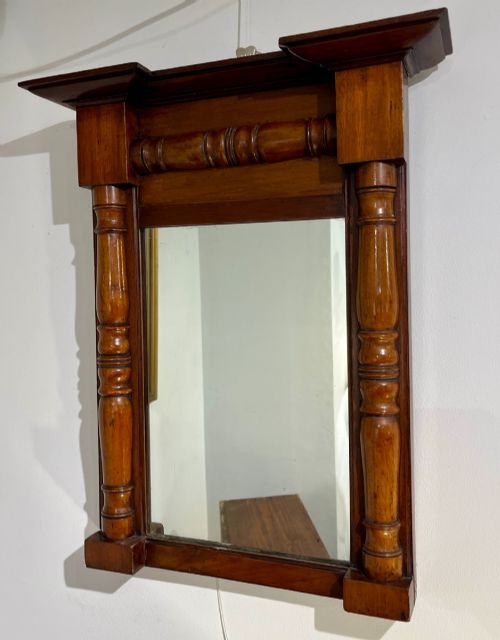
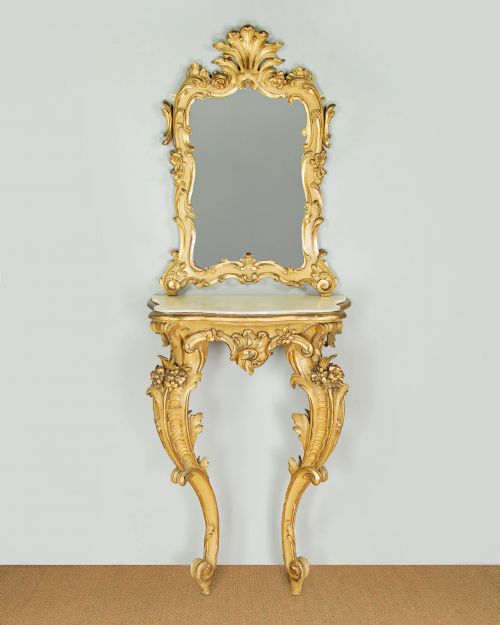
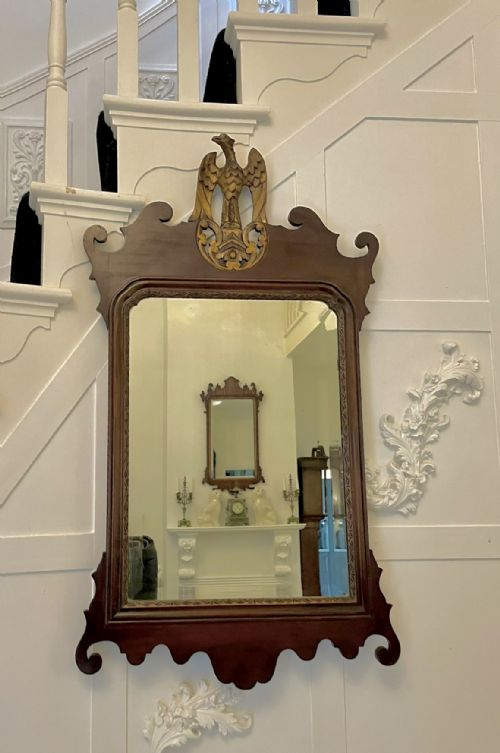
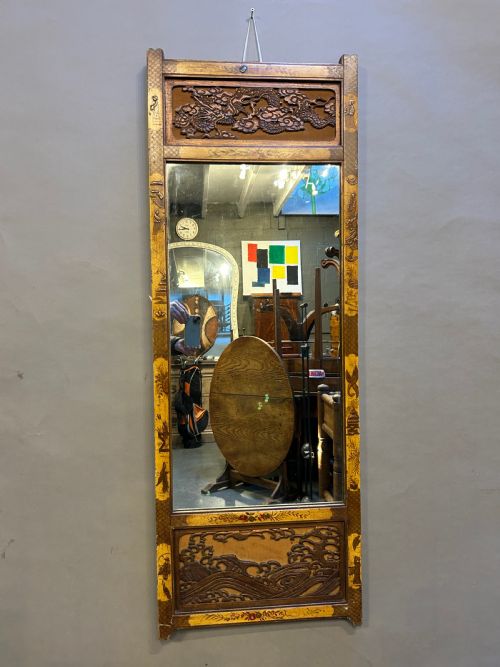
When you search for an edwardian pier mirror, you find tall, narrow looking glasses designed specifically to occupy the narrow strip of wall between two windows or above a console table. The pieces available span revival styles, incorporating Queen Anne walnut, inlaid mahogany, and giltwood frames alongside painted finishes.
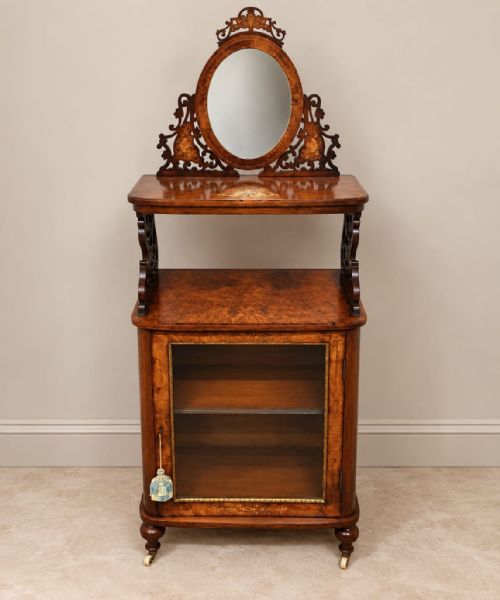
Most examples date from the opening decades of the twentieth century, though nineteenth-century precedents and later revivals appear frequently in the selection. Formats range from simple wall-hanging frames to tall floor-standing dressing mirrors and console combinations.
Materials and construction
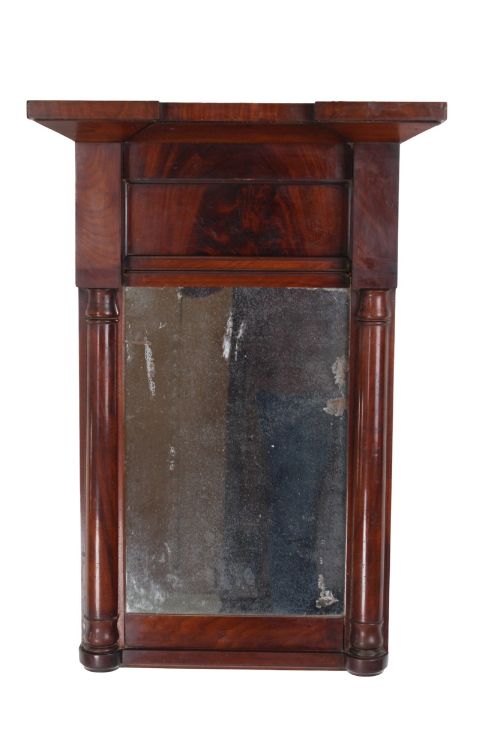
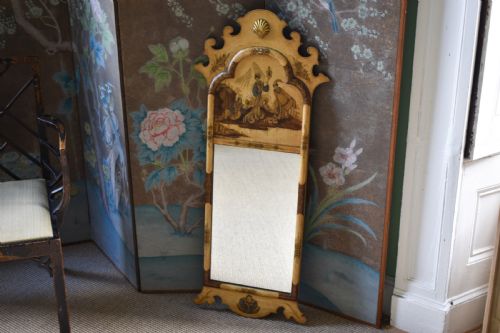
Frames are constructed from timbers such as mahogany, walnut, oak, and burr walnut, frequently embellished with carved details, fretwork, or inlaid decoration. Giltwood and gesso surfaces appear alongside painted and parcel-gilt finishes, reflecting the diverse revival tastes of the period.
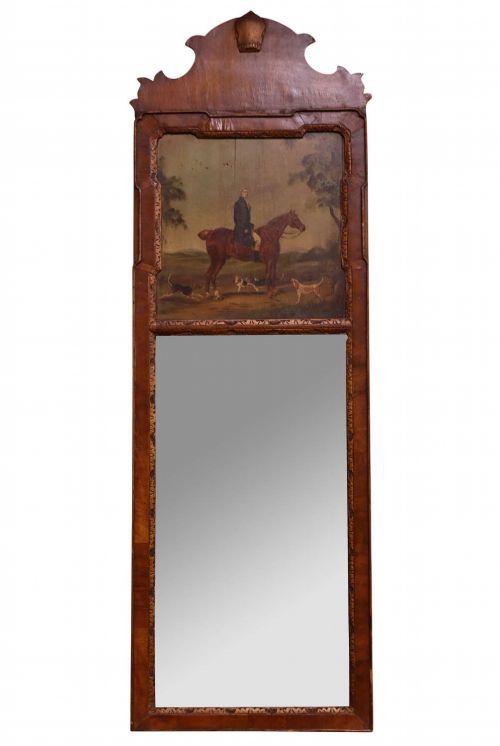
Glass plates are set within these wooden frameworks, occasionally retaining original mercury plates or featuring decorative oil paintings and maritime scenes incorporated into the upper sections of the frame.
Several mirrors swap standard glass for maritime scenes and equestrian oil paintings, proving that Edwardian homeowners liked their reflections served with a side of horses and ships.
Judging quality
Quality rests in the crispness of the timber carving, the depth of the gilding, and the integrity of the joinery within the frame. Superior examples demonstrate careful selection of veneers like burr walnut and precise execution of fretwork or inlay.
The condition and character of the glass plate itself contribute significantly to the standing of a piece, alongside the originality of decorative panels such as integrated oil paintings or reverse-painted glass.
The Edwardian Pier Mirror Glossary
- Pier glass
- A tall mirror designed to fit on the wall space between windows, known as the pier. These mirrors often stand above a matching console table.
- Fretwork
- Ornamental perforated woodwork cut in patterns using a fretsaw. It appears frequently on the crests and borders of Edwardian mirrors.
- Parcel-gilt
- Partially gilded woodwork where gold leaf highlights specific carved details against a painted or polished wood background.
- Trumeau
- A decorative wall mirror featuring an upper painted panel or oil painting set above the glass plate. These French-inspired pieces appear in various revival forms.
Edwardian Pier Mirror: Frequently Asked Questions
Where should I hang a pier mirror?
These mirrors suit narrow wall spaces, particularly the wall section between two windows where they bounce natural light back into the room.
They also function effectively above console tables, side cabinets, or low mantelpieces where their vertical proportions balance the room.
How do I identify Edwardian style?
Edwardian pieces often revive earlier aesthetics like Queen Anne, Regency, or Chinoiserie while employing lighter proportions and refined inlay work.
Makers combined traditional timber frames with decorative elements such as painted panels, equestrian scenes, or maritime motifs.
Are these mirrors freestanding or wall-mounted?
While most pier mirrors hang directly on the wall above furniture, the selection also includes floor-standing dressing mirrors and console combinations.
Wall-mounted versions require secure fixings due to the weight of the timber frame and glass plate.
What is an overmantel pier mirror?
An overmantel pier mirror combines the horizontal breadth required for a fireplace placement with the decorative vocabulary of tall pier glasses.
These large pieces often feature ornate giltwood or mahogany frames designed to anchor the room's main reception fireplace.