




Carved Wooden Mantel Mirror
A carved wooden mantel mirror anchors a room above a fireplace, combining utility and period presence through timber and glass.
Carved Wooden Mantel Mirror
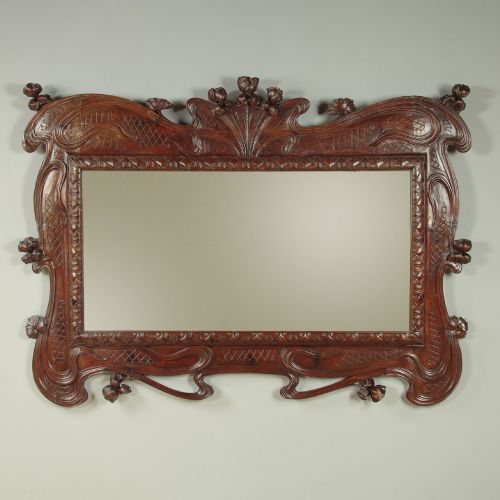
A carved wooden mantel mirror serves as a substantial focal point above a fireplace, uniting the hearth with the rest of the interior. These pieces function both to reflect light and to anchor the proportions of chimney breasts in period rooms.
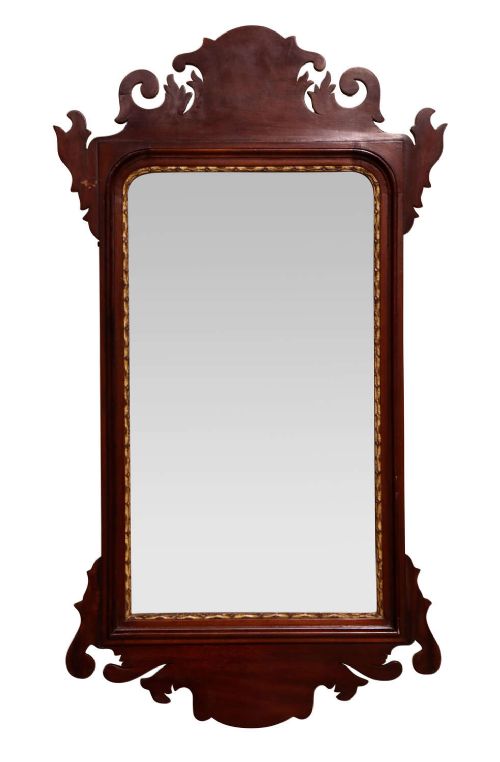
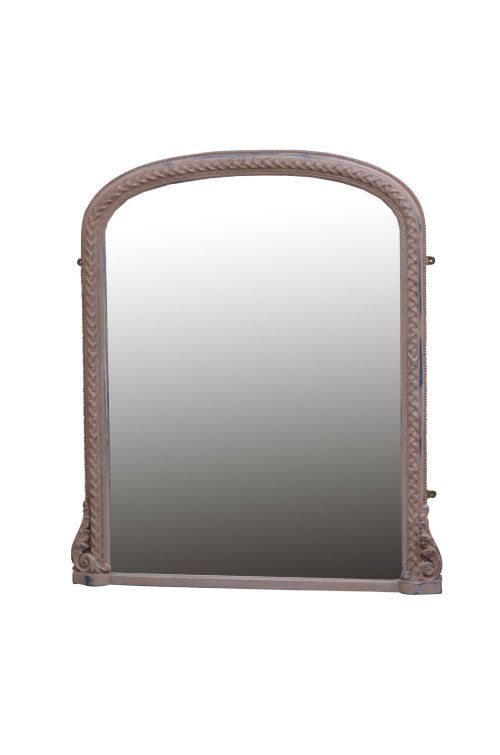
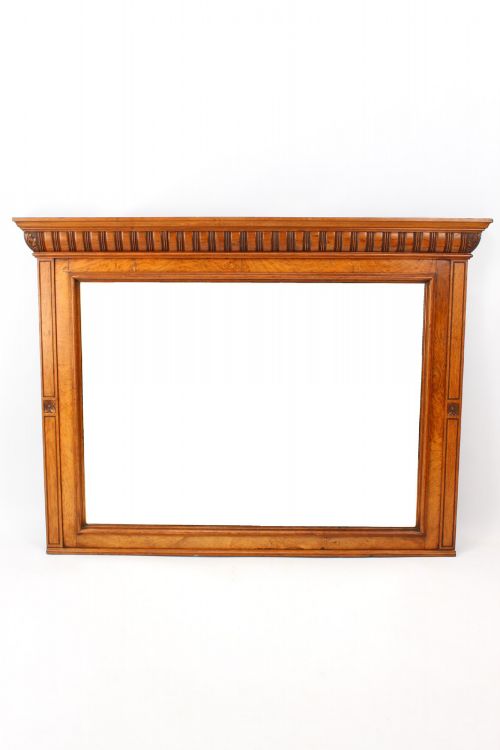
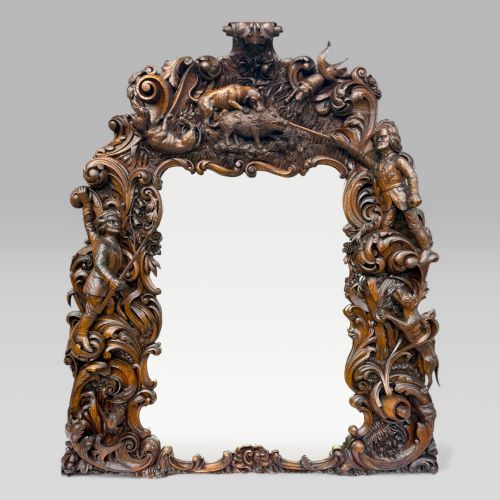
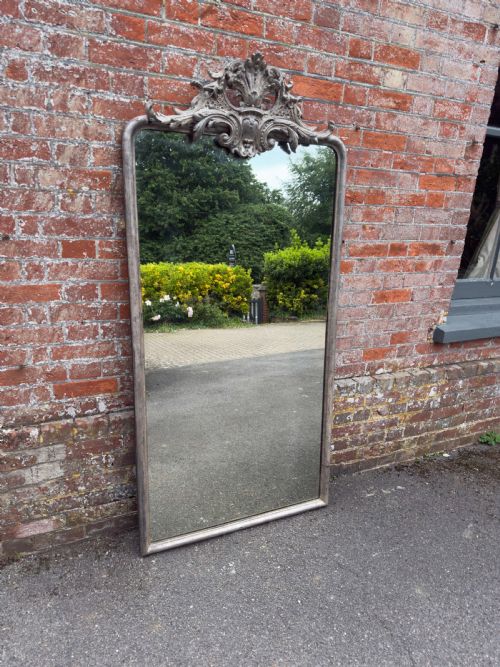
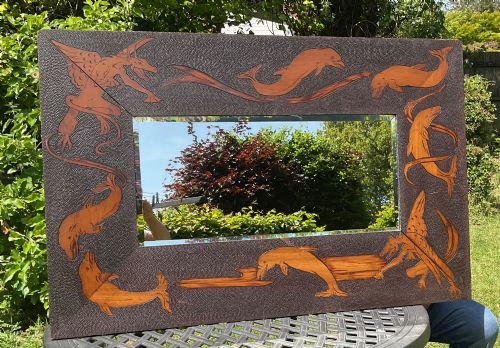
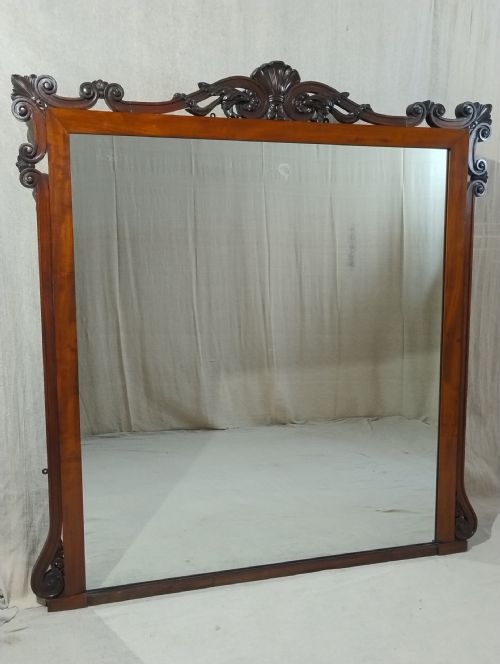
The selection here draws heavily from nineteenth-century forms, including Victorian overmantel mirrors and French designs with arched tops. Visitors encounter styles ranging from Chippendale revival fretwork to robust oak hunting lodge frames and painted finishes.
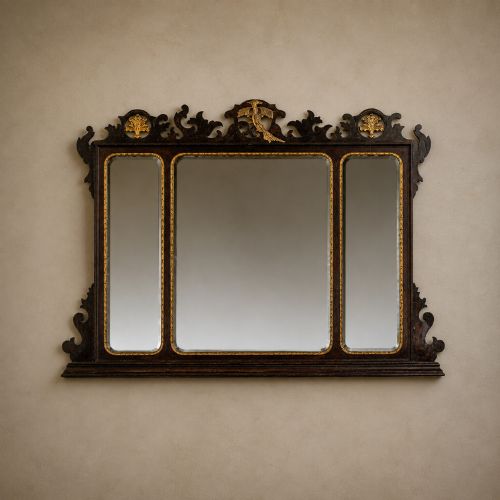
Makers utilised various timber species such as mahogany, walnut, oak, and pine, occasionally applying gesso or gilt layers. Forms extend from triptych plates to single large glass sheets framed by intricate carving.
How they were made
Frames rely on solid timbers such as mahogany, oak, and walnut, shaped through traditional joinery and hand carving. Carpenters constructed robust carcasses to support heavy glass plates and elaborate crestings like the Ho-Ho bird.
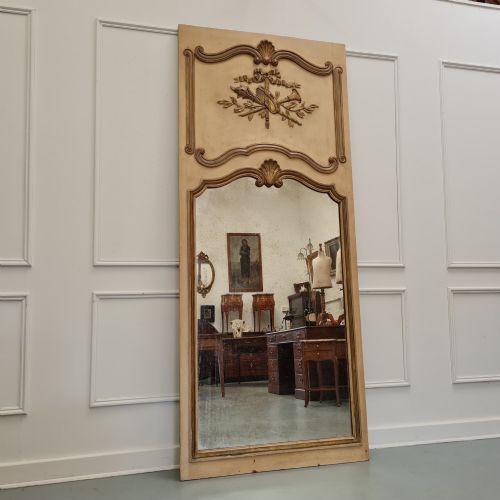
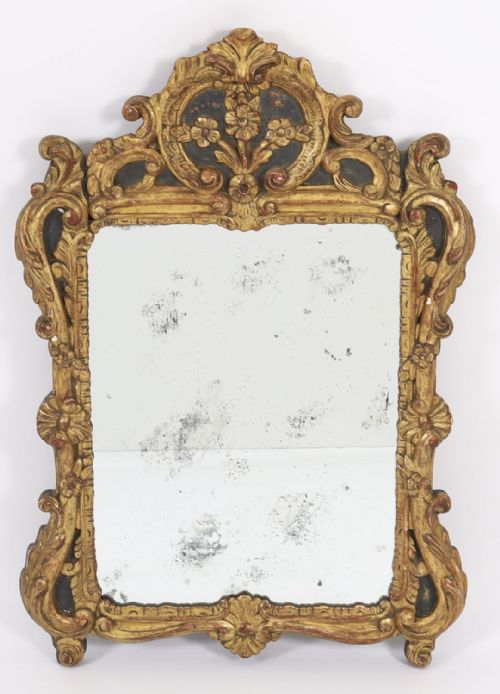
Gesso and paint layers often coat the wooden substrates, particularly on French rococo and trumeau examples. Gilding techniques applied gold leaf over prepared grounds to create reflective, metallic surfaces alongside carved wood.
Veneers of mahogany or walnut appear on later nineteenth and early twentieth-century frames, bonded to secondary woods. Brass detailing and marquetry inlays provide secondary decorative accents on Edwardian and Victorian specimens.
Listings feature oak, mahogany, walnut, and pine frames spanning the Victorian, Edwardian, and French rococo styles.
What varies in quality
The depth and crispness of the hand carving distinguish finer examples from simpler production. Relief work that displays sharp undercut details and well-defined motifs requires greater sculptural skill than shallow, machine-routed patterns.
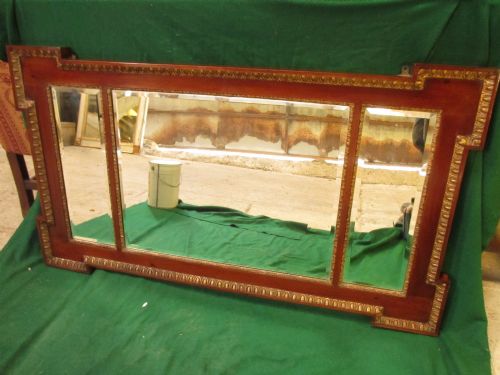
The integration of the plate glass with the timber frame dictates the structural integrity. Heavier triptych and arched overmantels demand robust internal bracing to prevent frame distortion over time.
The handling of surface finishes, whether layered paint, giltwood, or polished grain, impacts the visual cohesion. Superior pieces retain harmonious patination where decorative gesso ornament aligns seamlessly with the underlying wood.
The Carved Wooden Mantel Mirror Glossary
- Overmantel mirror
- A large looking glass specifically designed to hang or stand upon the mantelpiece above a fireplace. These frames often feature landscape proportions to match the width of the chimney breast.
- Gesso
- A plaster-based material applied to wooden frames as a smooth ground for gilding or painting. Artisans carved intricate decorative motifs directly into this layer before applying gold leaf.
- Trumeau
- A decorative wall mirror incorporating a painted panel or artwork above the glass plate. Originating in French interior design, these pieces integrate panels within wood-framed architecture.
- Fretwork
- Openwork ornamentation cut from thin boards using a fret saw or scroll saw. Chippendale revival frames frequently employ this technique to create geometric or Chinese-inspired patterns.
- Triptych plate
- A mirror glass divided into three distinct panels side by side. This configuration is common in large nineteenth-century overmantel frames.
Carved Wooden Mantel Mirror: Frequently Asked Questions
How do I hang a heavy overmantel mirror?
Secure heavy timber frames directly into masonry or wall studs using heavy-duty brackets rated for the weight. Many overmantels also rest their base directly on the mantel shelf while anchored securely at the top.
Ensuring the wall fixings bear the load prevents shifting, particularly with large nineteenth-century oak and mahogany examples.
Can these mirrors go in rooms without fireplaces?
These pieces function effectively on any large wall space where a horizontal focal point is required. Placing them above sideboards or console tables mimics their traditional hearth placement.
Wall mounting requires matching the scale of the mirror to the furniture below it to maintain visual balance.
What is the difference between an overmantel and a pier mirror?
Overmantel mirrors are typically wider than they are tall, designed to span the horizontal space above a mantelpiece. Pier mirrors traditionally hang on the narrow pier of wall space situated between two windows.
Both forms utilise carved wooden frames, but their proportions reflect their original architectural locations.
How do I clean antique mirror glass?
Wipe the glass gently with a soft microfibre cloth dampened slightly with distilled water or a mild glass cleaner. Avoid spraying liquid directly onto the surface to prevent moisture seeping behind the silvering or into the wooden frame.
Take care around giltwood and gesso edges, as old decorative surfaces are vulnerable to moisture and abrasion.