





Large Mahogany Wall Mirror
When you search for a large mahogany wall mirror, you enter a domain of substantial timber frames, gilt accents, and centuries of domestic craft.
Large Mahogany Wall Mirror
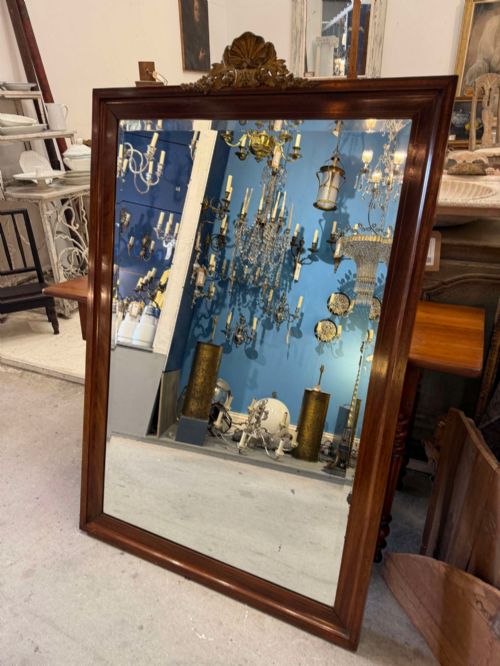
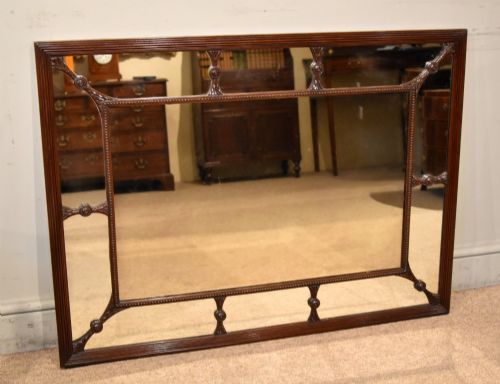
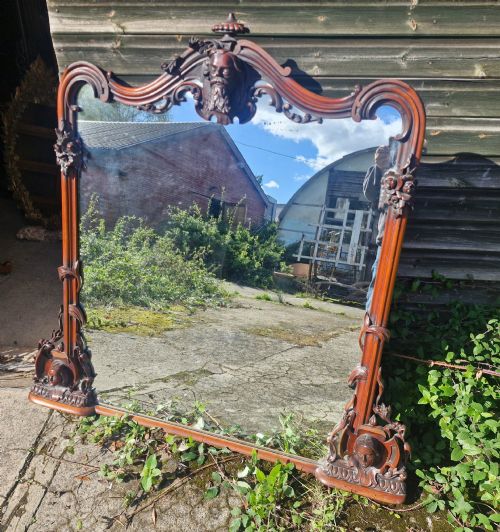
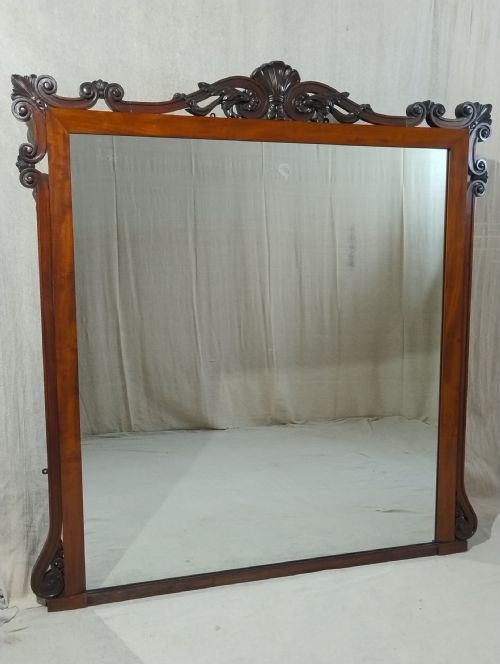
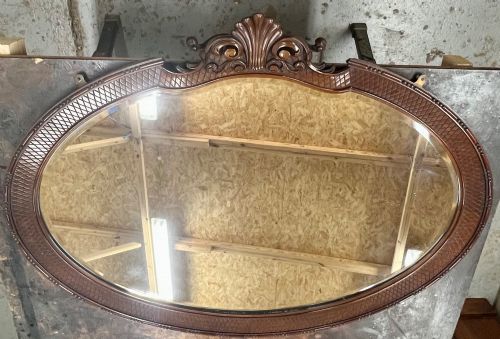
A large mahogany wall mirror brings scale and reflection to domestic interiors, frequently taking the form of overmantel mirrors, pier glasses, and tall wall-hanging frames. These pieces span Georgian, Victorian, and Edwardian periods, utilising the dense grain and deep colour of mahogany as a primary structural and decorative medium.
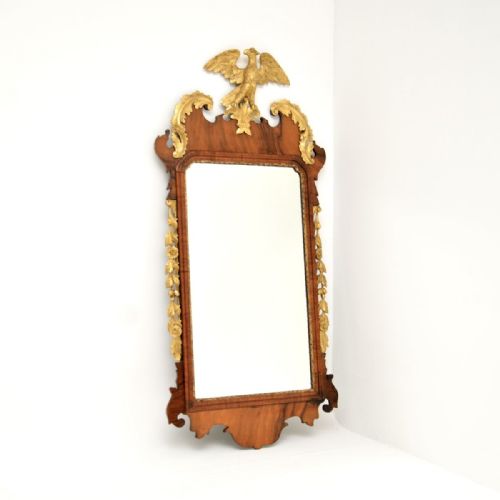
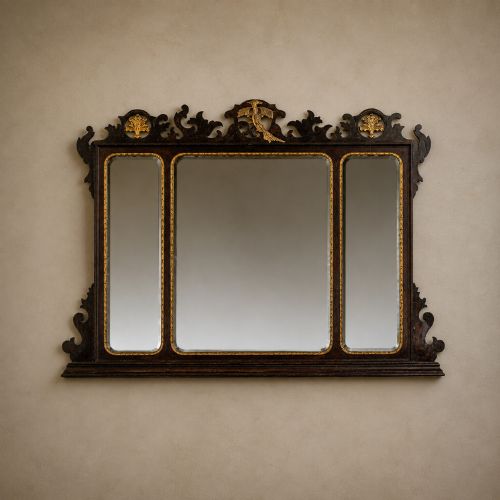
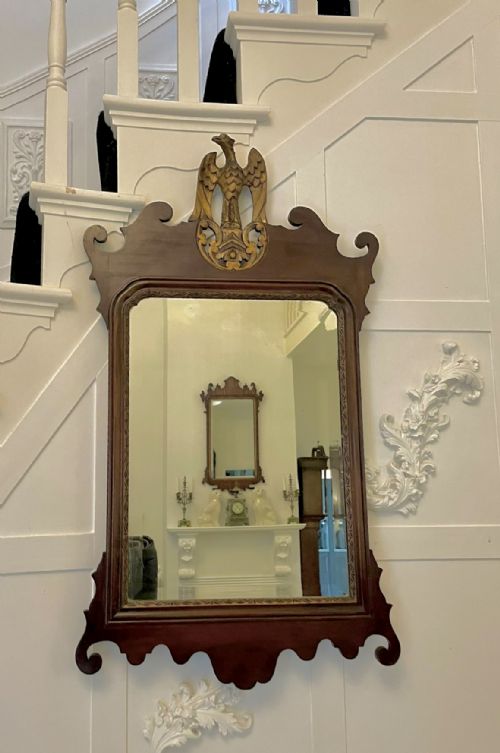
The version most commonly encountered on this page is the Victorian or Edwardian overmantel or wall mirror, often incorporating fretwork, parcel-gilt details, or inlaid satinwood. Georgian examples appear with classical fretcut silhouettes and gilt bird crestings, while later pieces show influences from Chippendale revival and Empire styles.
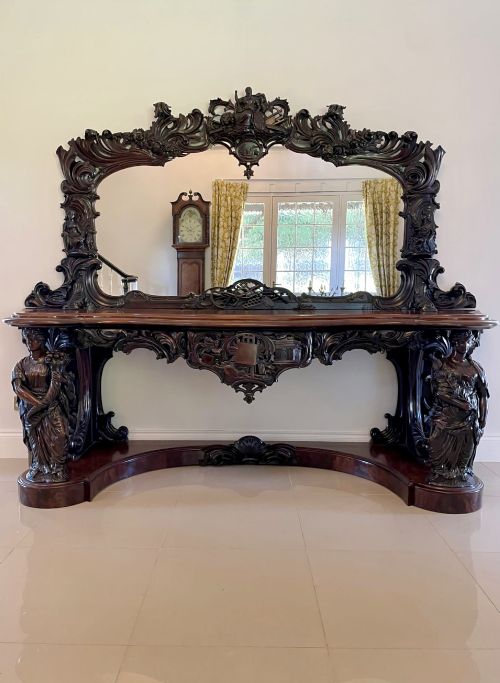
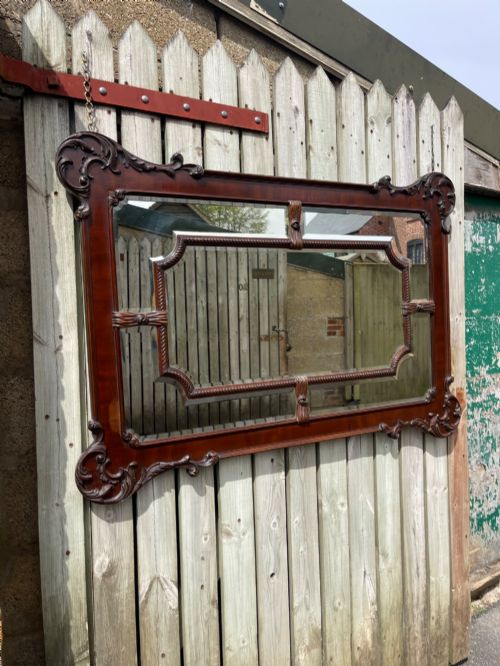
Beyond domestic wall-hanging formats, the selection includes console table combinations, triptych overmantels, and pharmacy dispensing mirrors framed in heavy mahogany. These objects served utilitarian and decorative functions in country houses, chemist shops, and formal reception rooms alike.
How they were made
Makers constructed these frames using solid mahogany and flamed mahogany veneers applied to secondary timbers, shaping the outlines with hand saws and fretsaws for intricate scrollwork. Timber selection prioritized rich grain patterns, which were polished and French polished to achieve a deep lustre.
Giltwood and parcel-gilt highlights were integrated through the application of gold leaf over preparation layers onto carved wooden details, such as gilded bezels or crests. Mirror glass was set into the rebates, occasionally held by original backboards secured with old screws and panel pins.
Large Mahogany Wall Mirror Retail Price Guide 2026
Typical asking prices for large mahogany wall mirror among the pieces listed under this phrase on Sellingantiques today, from the lower quarter to the upper quarter. They describe what is for sale here now, not the wider market.
Listings feature mahogany wall mirrors spanning from the eighteenth-century Georgian period through the Victorian era and into the early twentieth century.
What varies in quality
The distinction between ordinary production and top-tier execution rests on the crispness of the hand-carved fretwork, the depth of the mahogany grain, and the preservation of original gilding. Finer pieces display meticulous attention to proportion, particularly in complex architectural overmantels and detailed Chippendale revivals.
Workmanship shows in the joinery of the frame corners, the quality of the silvering on the mirror plate, and whether decorative elements like parcel-gilt mouldings and inlay remain intact without modern replacement.
The Large Mahogany Wall Mirror Glossary
- Parcel Gilt
- Partially gilded, where gold leaf is applied only to specific carved details or mouldings to highlight the timber beneath. This technique creates a contrast between the dark grain of the mahogany and the bright metallic finish.
- Fretwork
- Openwork ornamentation cut from thin boards using a fretsaw, frequently seen in geometric or scrolling patterns on Georgian and Edwardian frames. It defines the silhouette of Chippendale style mirrors.
- Overmantel Mirror
- A large mirror designed specifically to be hung or placed on the mantelpiece above a fireplace. These often feature extended horizontal proportions to match the width of the hearth.
- Pier Mirror
- A tall vertical mirror designed to hang on the wall space between windows, known as the pier. They often match console tables positioned directly beneath them.
- Flamed Mahogany
- Timber cut from the branch junction or fork of the mahogany tree, producing a distinctive flickering flame-like grain pattern. Cabinet makers utilised these veneers for visual impact on prominent surfaces.
Large Mahogany Wall Mirror: Frequently Asked Questions
Where should I hang a large mahogany mirror?
These mirrors suit placement above a fireplace as an overmantel, in a hallway to create a sense of depth, or above a console table in a reception room.
Ensure the wall construction and fixings can support the substantial weight of timber and glass, particularly with heavier Victorian and Edwardian examples.
How do I date a mahogany wall mirror?
Dating relies on stylistic clues, construction methods, and timber characteristics, observing whether a piece follows Georgian fretcut designs or later Victorian revival tastes.
Examine the backboards, fixings, and edge bevels of the mirror glass, as older plates and handmade screws provide reliable chronological markers.
Are the mirror plates original?
Many older frames retain their original mercury or early silvered glass, which often exhibits characteristic foxing, light oxidation, and minor speckling.
Replacement glass does happen during conservation work, so inspecting the silvering and how the plate sits in the rebate helps determine its age relative to the frame.
How do I care for mahogany frames and gilt details?
Maintain the wood with a gentle application of microcrystalline wax to nourish the French polish, avoiding silicone-based sprays that damage historic finishes.
Protect fragile parcel-gilt and carved areas from moisture and physical impact, using a soft dry cloth for dusting the delicate fretwork.