

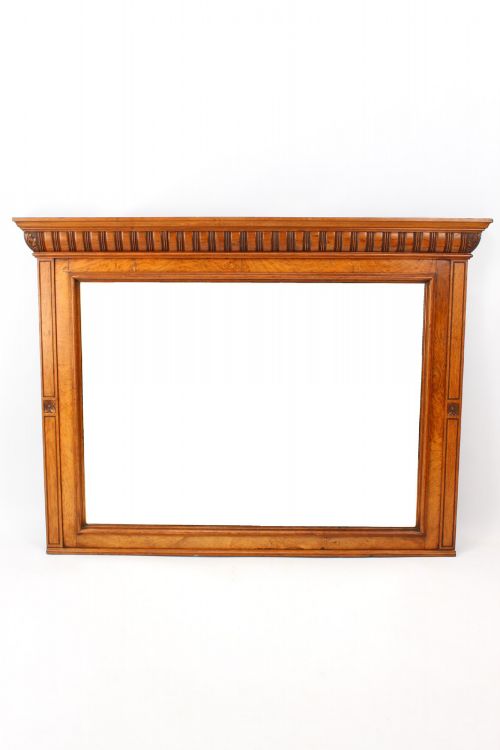
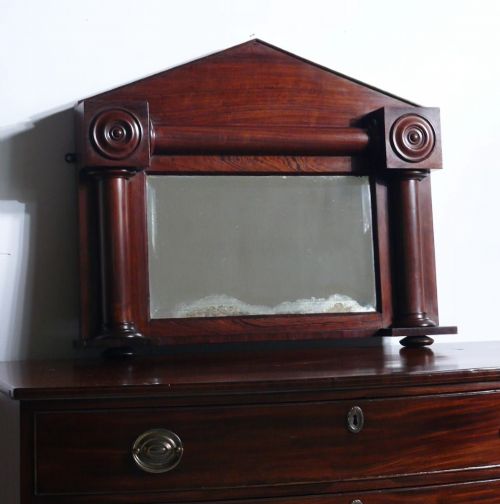
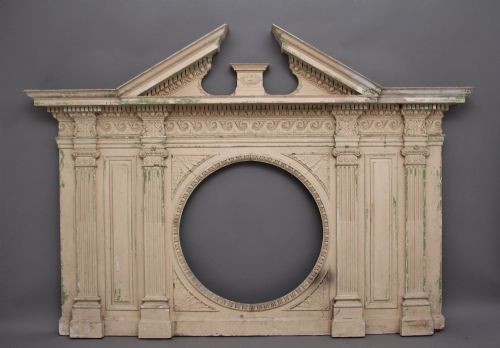
Antique Architectural Mirror
An antique architectural mirror turns a simple wall into a spatial illusion, pulling light and depth into a room.
Antique Architectural Mirror
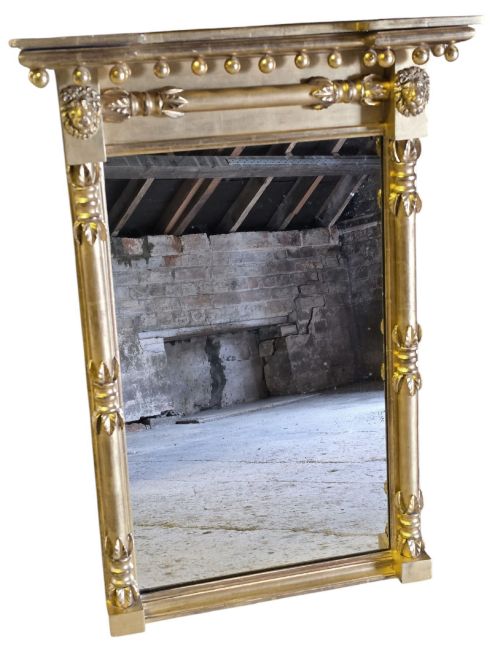
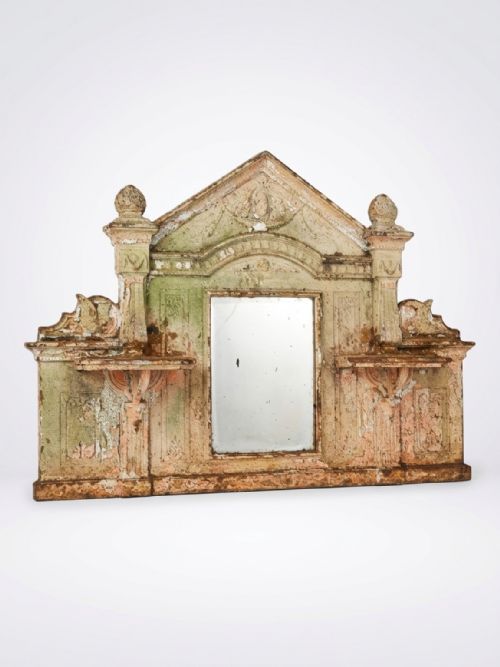
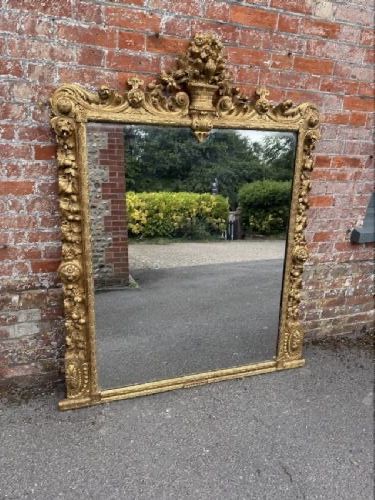
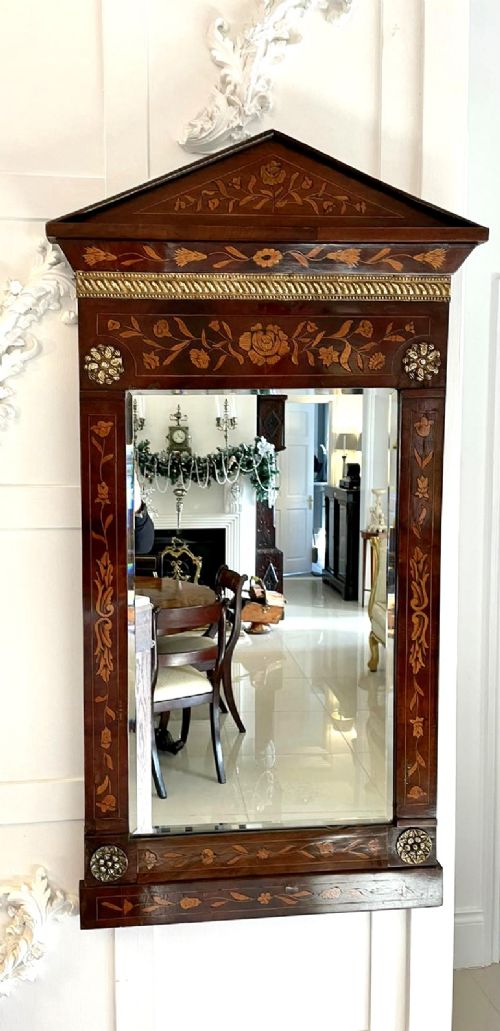
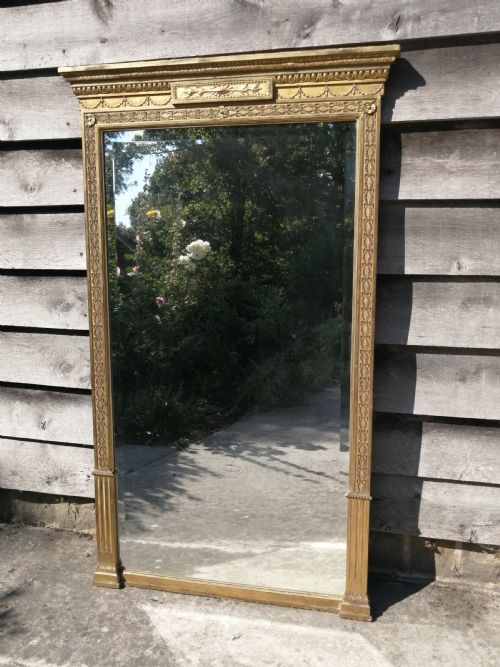
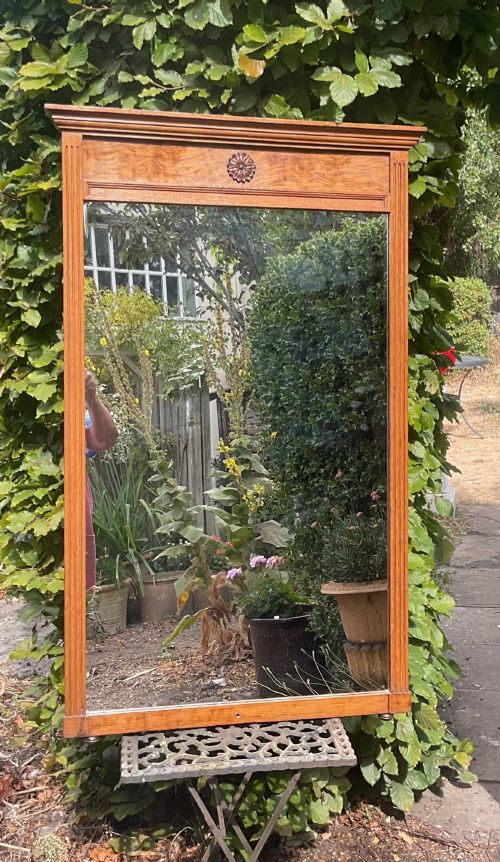
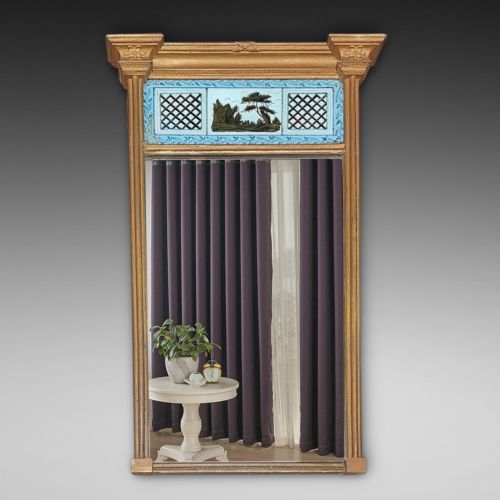
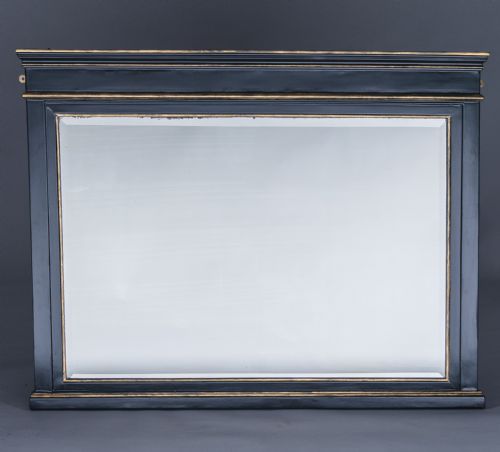
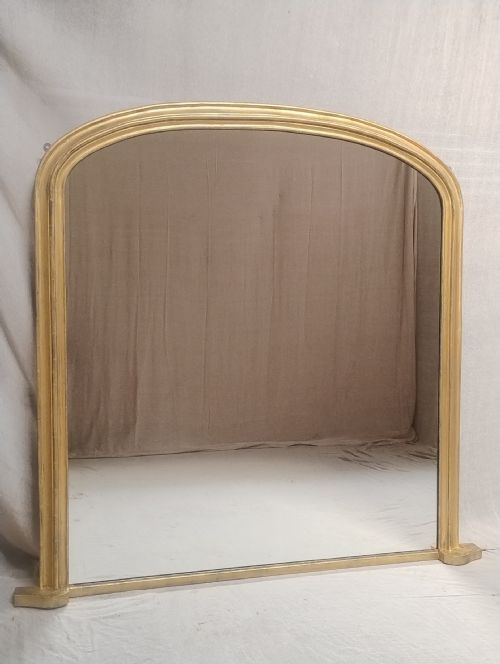
An antique architectural mirror draws its vocabulary from classical buildings, using pilasters, columns, and arched tops to mimic stone openings and windows. Buyers searching this phrase meet substantial overmantel mirrors designed to sit above a fireplace, alongside tall pier mirrors built for the wall space between windows.
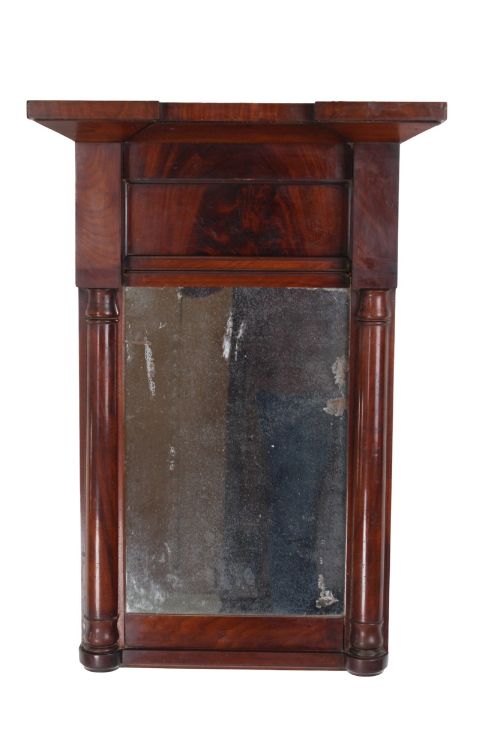
The material record spans the 18th, 19th, and early 20th centuries, with Victorian and Regency examples dominating the selection. Pieces emerge in carved wood and gesso, giltwood, walnut, oak, and mahogany, reflecting the shifting tastes of domestic interiors across those decades.
Materials and Construction
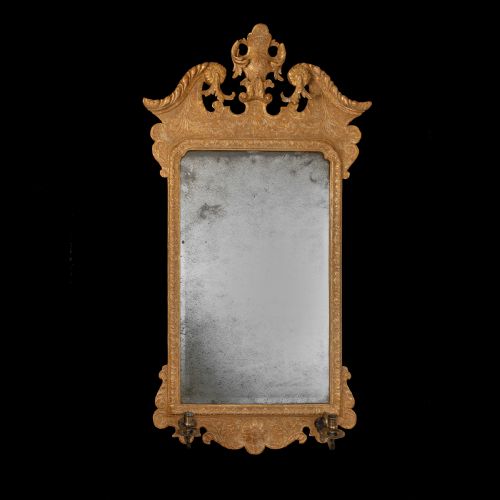
Carvers shaped wood frames from pine, oak, walnut, or mahogany, often applying layers of gesso to build up high-relief decorative mouldings and neoclassical motifs. Artisans then gilded these surfaces with gold leaf or applied paint and ebonisation to mimic heavier, costlier timbers.
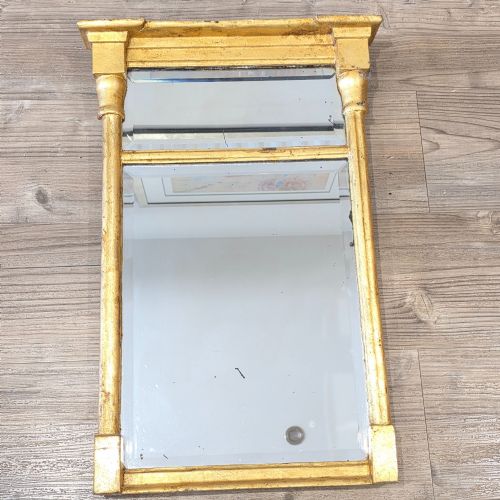
Glass plates were silvered by hand in earlier periods, resulting in subtle imperfections and depth, while later 19th-century production brought larger, clearer mirror plates. Frames frequently incorporated verre églomisé panels, painting or gilding directly onto the reverse of the glass to frame the central reflective surface.
Current selections span the 18th, 19th, and early 20th centuries, uniting materials like giltwood, gesso, walnut, oak, and painted pine in wall and overmantel forms.
Markers of Quality
The standard of a piece rests in the crispness of the hand-carved ornament and the depth of the gilding applied over the gesso foundation. Superior examples display tightly joined mitres and robust timber frames that hold their weight securely without sagging.
Original mirror plates retain inherent character and age, whereas replacements alter the visual integrity of the object. The integration of structural elements like side columns and arched cresting determines whether a piece maintains its architectural conviction.
The Antique Architectural Mirror Glossary
- Overmantel mirror
- A large horizontal mirror designed specifically to hang on the wall directly above a fireplace mantelpiece. These often feature tripartite plates or architectural cornices.
- Pier mirror
- A vertical glass made to fit the narrow wall space, or pier, positioned between two windows. They frequently incorporate candle sconces or lower console tables.
- Verre églomisé
- A cold decoration technique where artists apply gold or silver leaf onto glass, then etch designs into the metal before painting the reverse. This method frames the primary reflective plate with decorative borders.
- Gesso
- A plaster mixture applied to carved wooden frames to create a smooth, malleable surface for gilding and relief moulding. Its thickness dictates the sharpness of the final ornamental detail.
- Parcel gilt
- A finishing method where specific raised details of a wood frame receive gold leaf while the underlying timber grain remains visible elsewhere.
Antique Architectural Mirror: Frequently Asked Questions
Where should I hang an architectural mirror?
These pieces find their traditional place above a fireplace opening or mounted on a principal living room wall to bounce natural light across the space. Their proportions suit rooms with high ceilings where they anchor large expanses of plaster.
Ensure the wall construction supports the considerable weight of heavy wood and gesso frames before mounting them securely with appropriate hardware.
How do I identify a Regency mirror?
Regency frames often display classical restraint, incorporating reeded columns, ebonised details, and verre églomisé panels above the main glass plate. The influence of neoclassical and Egyptian motifs appears frequently in the carved ornamentation.
Construction details such as older pine backing boards and hand-cut screws help confirm the period of manufacture.
What is an overmantel mirror?
An overmantel mirror is a wide format glass built to sit horizontally on the breastwork above a fireplace grate. They often incorporate arched tops or triple sectioned plates to echo the architectural lines of the chimney breast.
Victorian and Regency examples dominate this category, frequently utilising heavy giltwood frames to reflect firelight into the room.
Are the mirror plates original?
Many surviving pieces retain their original glass plates, which show characteristic foxing, light oxidation, and subtle distortions in the reflection. These age marks indicate authenticity and long tenure within domestic settings.
Replacement glass appears brighter and entirely uniform, lacking the historic depth found in antique silvering.