

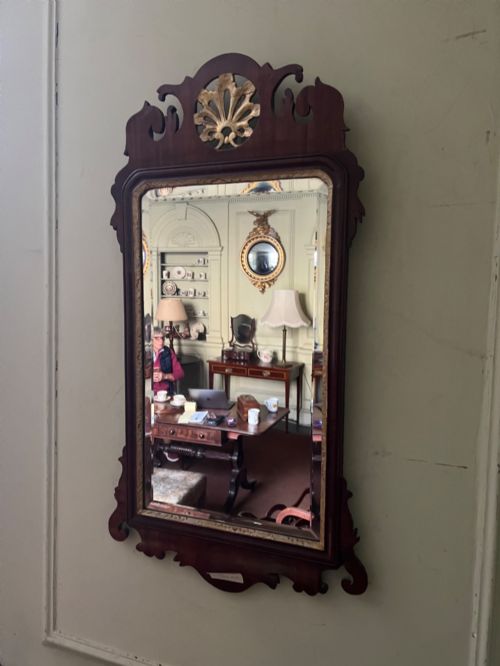
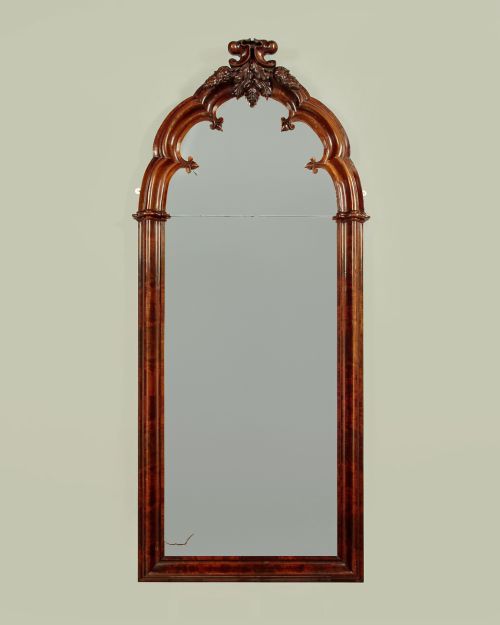
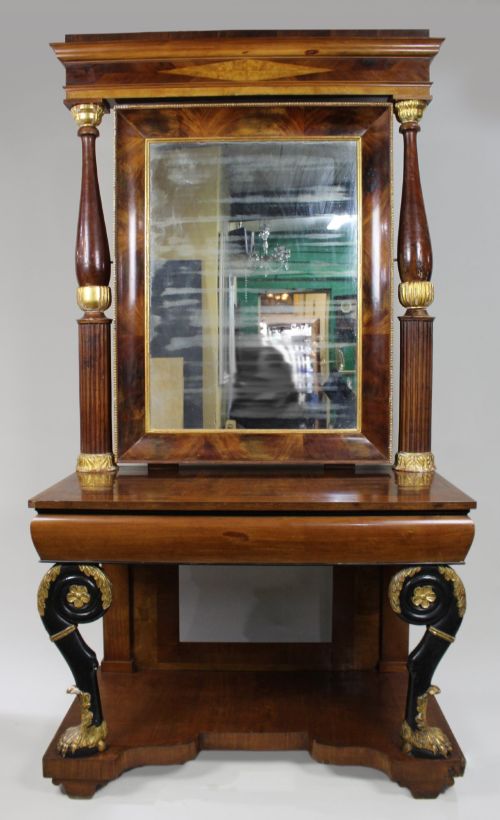
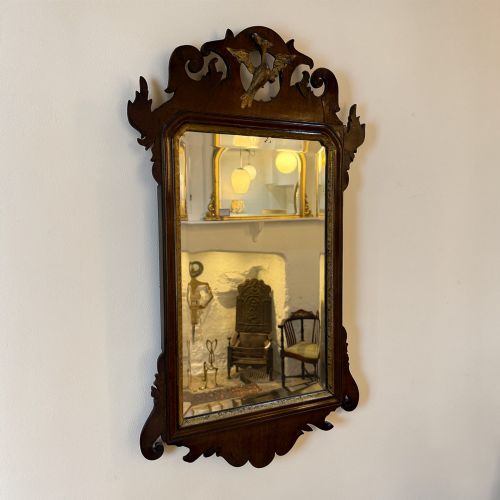
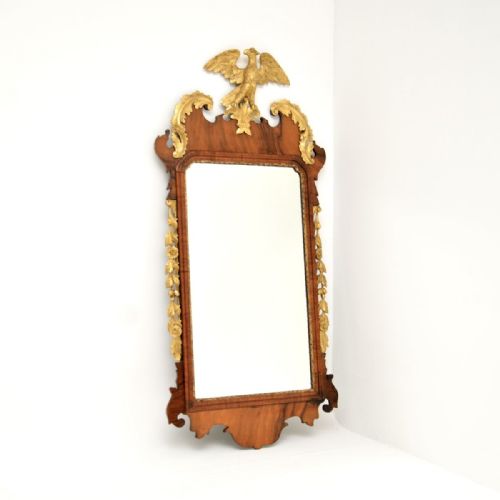
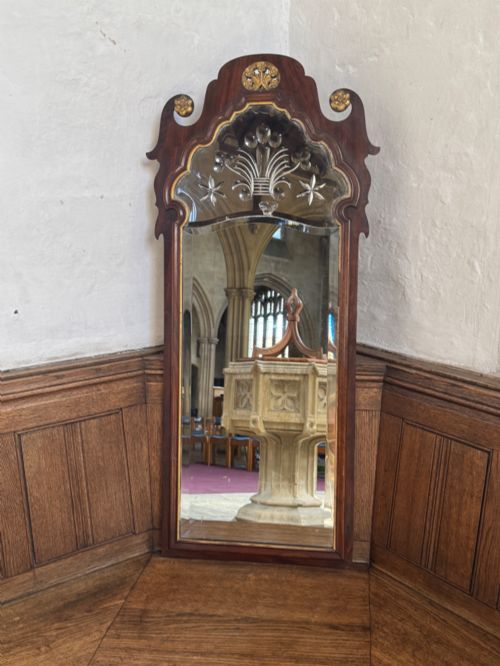
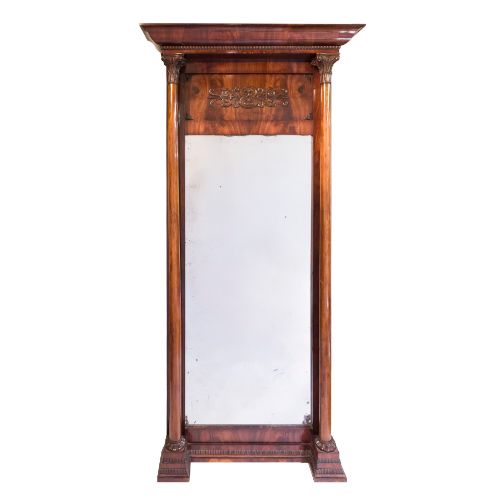
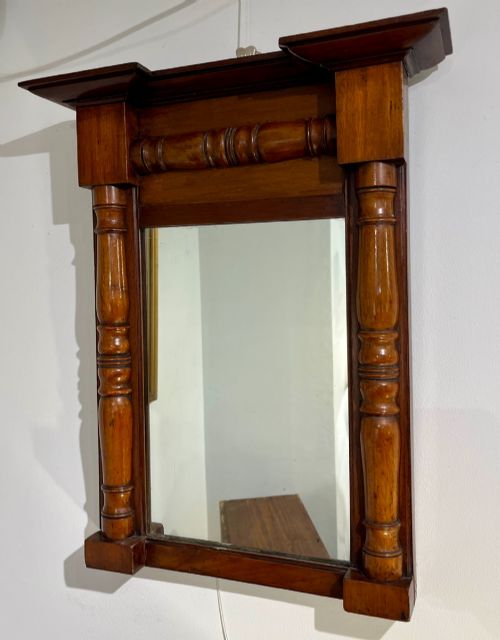


Georgian Mahogany Pier Glass
A georgian mahogany pier glass brings architectural depth and rich timber warmth to a room, designed originally to hang on the wall space between windows.
Georgian Mahogany Pier Glass
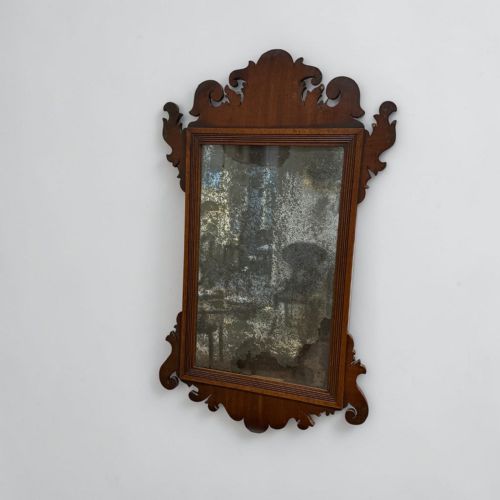
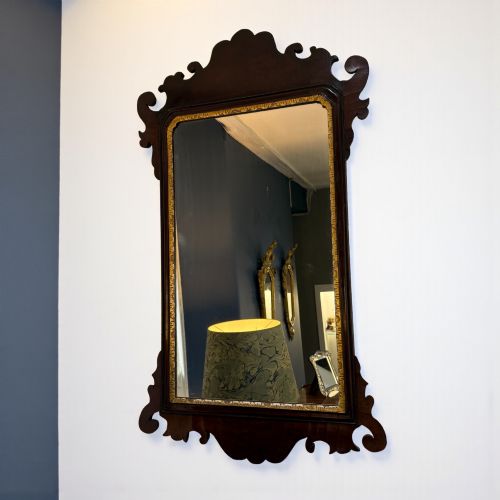
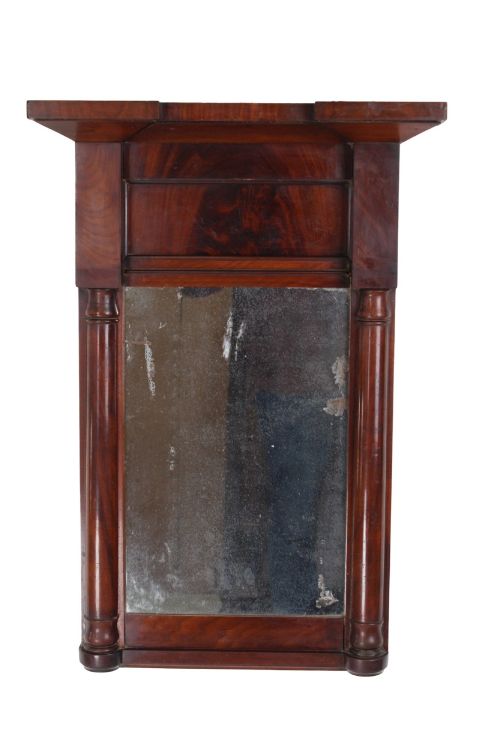
A georgian mahogany pier glass sits primarily within the eighteenth and nineteenth centuries, spanning George III, Regency, and later revival periods. Most examples on this page appear as vertical wall mirrors, including fretwork wall mirrors, carved pier mirrors, and parcel gilt variants.
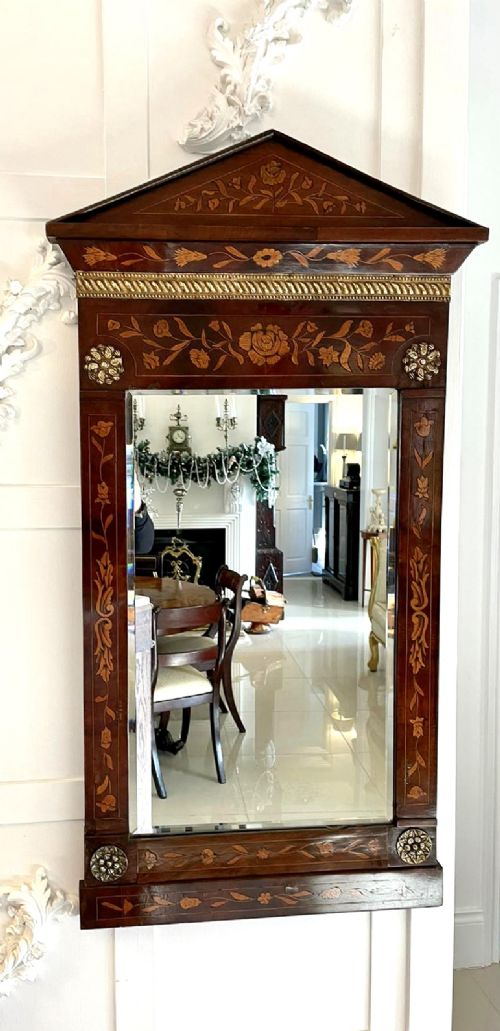
The evidence shows these pieces originating from the eighteenth century onward, with stylistic influences ranging from Chippendale fretwork and Dutch marquetry to George II revival and Swedish designs. Buyers will frequently encounter smaller Regency formats alongside larger overmantle and pier glass configurations.
Materials and construction
Cabinetmakers constructed these frames using solid mahogany and flame mahogany veneer, occasionally incorporating fruitwood and walnut accents. Giltwood, gesso, and gold leaf applied to carved details provide the characteristic metallic contrast against the dark timber.
Makers embellished the timber frames with fretwork, brass elements, and reverse cut plates such as Vauxhall mirror plates. Parcel-gilt decoration highlights carved motifs like Ho Ho birds and architectural scrollwork.
Georgian Mahogany Pier Glass Retail Price Guide 2026
Typical asking prices for georgian mahogany pier glass among the pieces listed under this phrase on Sellingantiques today, from the lower quarter to the upper quarter. They describe what is for sale here now, not the wider market.
Listings feature mahogany, giltwood, gesso, and brass across eighteenth-century and nineteenth-century periods, including George II revival and Regency styles.
Craftsmanship and distinction
Quality rests in the crispness of the hand-carved fretwork and the depth of the mahogany grain, particularly where flame mahogany veneer or marquetry inlay is utilised. Superior carving displays precise detailing on motifs such as architectural pediments and gilded birds.
The integrity of the original glass plate and the condition of the parcel-gilt gesso layer distinguish the finer examples from simpler wall mirrors. Artisanal execution in the manner of specific historical idioms dictates the standing of each piece.
The Georgian Mahogany Pier Glass Glossary
- Pier glass
- A tall wall mirror designed specifically to hang on the pier, which is the wall space between two windows. These mirrors reflect additional light into darker eighteenth-century interiors.
- Parcel-gilt
- Partially gilded woodwork where gold leaf or gesso is applied to specific carved highlights against a dark mahogany or walnut background. This technique accentuates architectural mouldings.
- Fretwork
- Openwork ornamentation cut from thin boards of mahogany using a fretsaw, creating intricate geometric or floral patterns along the outer frame of the mirror.
- Vauxhall plate
- A bevelled mirror glass plate characterised by its thinness and slight distortions, historically produced at the famous Vauxhall glassworks in London.
Georgian Mahogany Pier Glass: Frequently Asked Questions
Where should I hang a pier glass?
Historically, a pier glass hung on the narrow strip of wall between two windows, directly above a pier table or console. This placement maximised natural daylight in a period drawing room.
Today, these mirrors function well in hallways, above fireplaces, or on any substantial wall space requiring vertical emphasis.
How do I identify a Georgian pier glass?
Look for dense mahogany timbers, often featuring flame veneer, combined with hand-carved fretwork or parcel-gilt details. Eighteenth-century versions frequently incorporate architectural pediments and antique glass plates.
Revival pieces from later centuries emulate these exact proportions and decorative vocabularies, though timber patination and construction joints help indicate the true age.
What is a Ho Ho bird?
A Ho Ho bird is a stylised Chinese phoenix motif commonly carved into the crests or aprons of Chippendale-style pier mirrors. It reflects the eighteenth-century enthusiasm for Chinoiserie design.
These birds typically appear perched atop fretwork frames with outspread wings and detailed tail feathers.
Are these mirrors fragile?
While structurally sound timber frames endure for centuries, the antique glass plates and delicate gesso or gilt decorations require careful handling. Environmental stability helps preserve the original backing and silvering of older plates.
Wall mounting requires professional fixings suited to the substantial weight of solid mahogany and glass.