




Gold Parcel Gilt Mirror
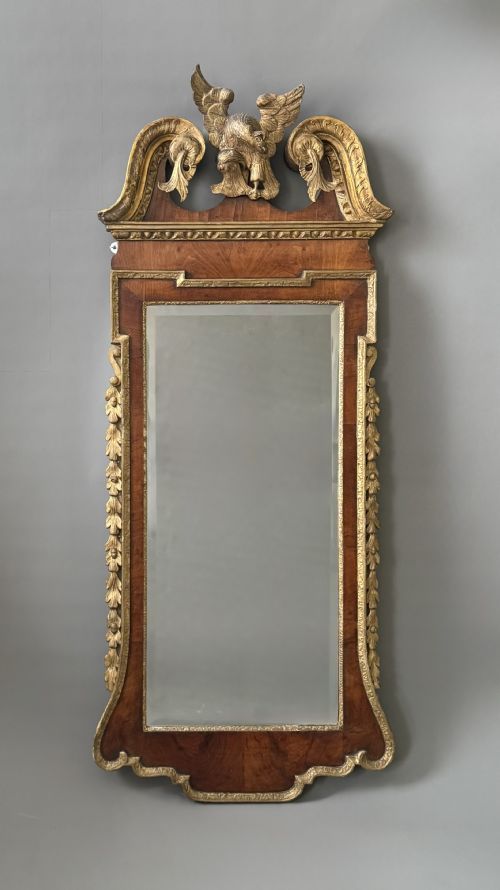
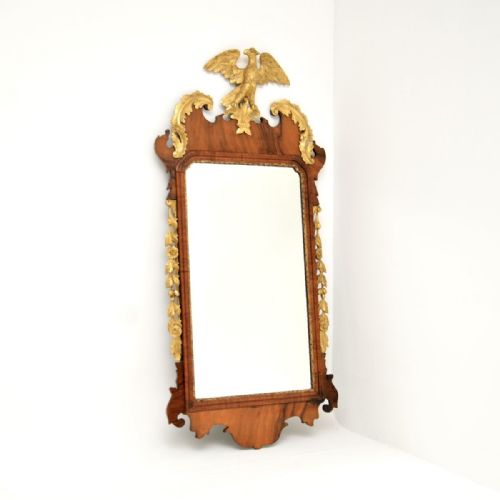
A gold parcel gilt mirror brings targeted brightness to a room through selective gilding that highlights carved wooden detail against darker painted or polished grounds.
Gold Parcel Gilt Mirror
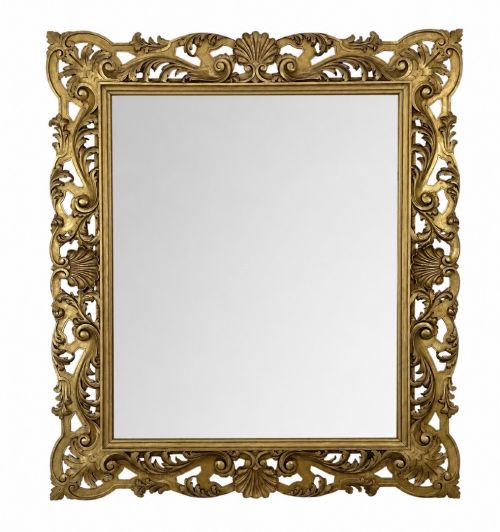
A gold parcel gilt mirror is a wall hanging, overmantle, or pier glass designed to reflect light while displaying contrasting surfaces of exposed timber and partial gold leaf. Buyers look for these items to anchor a room with period proportion and decorative woodwork.
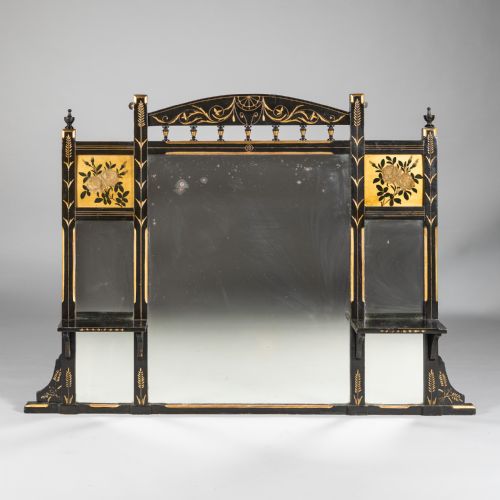
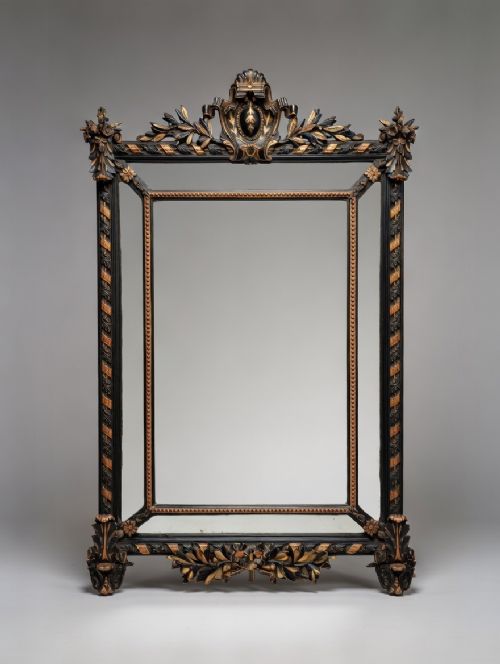
The versions most commonly met on this page date from the eighteenth and nineteenth centuries, including Georgian walnut fretwork designs, Victorian ebonised overmantles, and French trumeau panels. These pieces combine functional glass with structural mahogany, walnut, or painted wood.
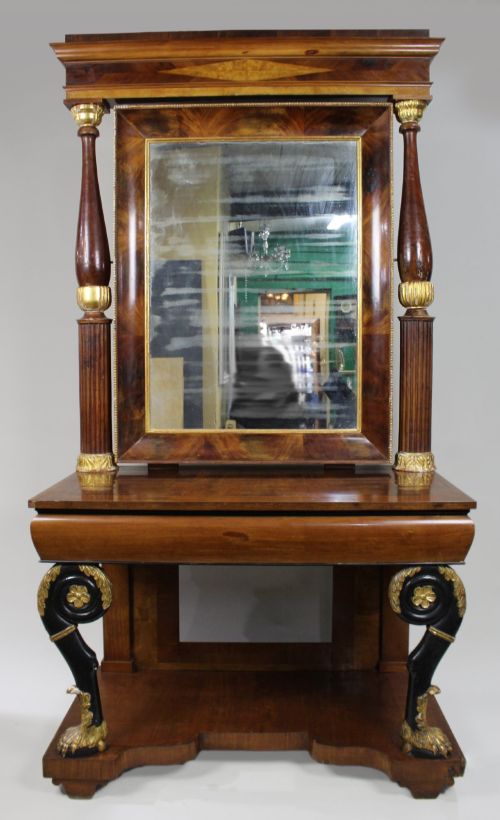
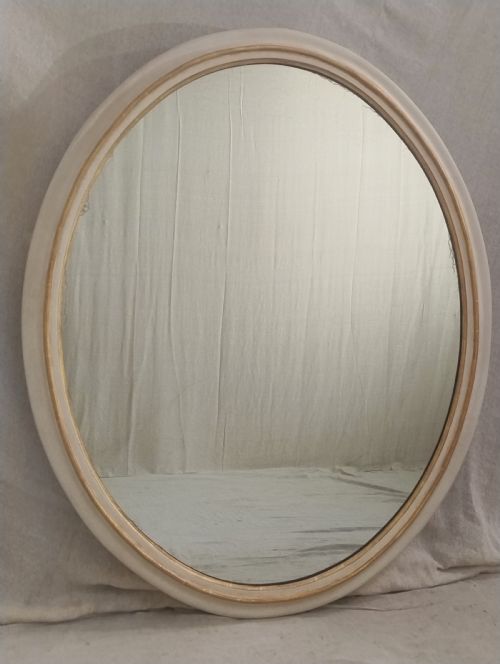
Forms range from compact oval wall mirrors to large architectural overmantles intended for placement above a fireplace. Console tables with matching pier mirrors also appear, extending the decorative scheme into fitted furniture.
How they were made
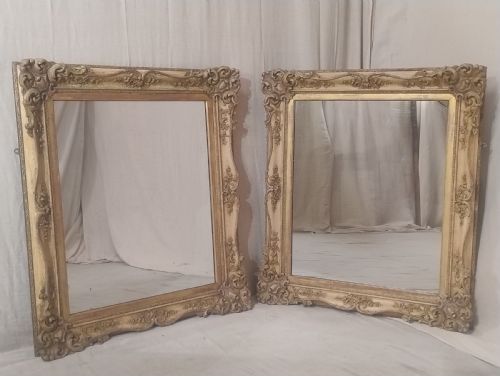
Carvers shaped frames from solid timbers such as mahogany, walnut, oak, and pine before applying layers of gesso to prepare the surface for ornamentation. Woodwork often incorporated fretwork cutting, moulded sections, or applied carved details.
Gold leaf was then applied selectively to raised motifs, borders, and carved elements using size, leaving the surrounding wood polished, painted, or ebonised. This partial gilding technique created a controlled contrast between the metallic brightness and the dark body of the frame.
Gold Parcel Gilt Mirror Retail Price Guide 2026
Typical asking prices for gold parcel gilt mirror among the pieces listed under this phrase on Sellingantiques today, from the lower quarter to the upper quarter. They describe what is for sale here now, not the wider market.
Listings span the eighteenth, nineteenth, and early twentieth centuries, incorporating Georgian, Victorian, Regency, and Aesthetic Movement design traditions.
What varies in quality
The depth and crispness of the hand-carved woodwork dictate the foundational quality of the frame, separating mass-produced regularity from spirited craftsmanship. Sharp margins on moulding and fluid movement in fretwork indicate superior maker skill.
The application and retention of the gold leaf and gesso ground determine the longevity and visual richness of the surface. Original gilding that has aged with a soft patina holds more decorative integrity than heavy modern regilding.
The Gold Parcel Gilt Mirror Glossary
- Parcel Gilt
- A method of gilding only specific portions of an object rather than the entire surface. This technique highlights carved details against a contrasting background of wood or paint.
- Gesso
- A plaster-like mixture applied to wood frames to provide a smooth, prepared base for gilding and fine carving. It allows carvers to achieve sharp relief before applying gold leaf.
- Giltwood
- Timber that has been entirely coated in gold leaf over a prepared ground. It forms the primary structure of many ornate decorative frames.
- Trumeau
- A decorative architectural wall mirror or panel featuring an upper glass plate paired with a lower painted or carved section. These pieces often integrated into wall panelling.
- Ebonised
- Wood treated with chemical stains or dark finishes to imitate ebony. This dark ground frequently serves as a high-contrast base for parcel gilt highlights.
Gold Parcel Gilt Mirror: Frequently Asked Questions
Where should I hang an overmantle mirror?
An overmantle mirror sits naturally directly above a fireplace mantelpiece, where its proportions can reflect the width of the hearth and draw light upward into the room.
These large formats also function effectively on main reception room walls opposite windows to maximise natural illumination.
How do I clean a gilt mirror frame?
Dust the carved surfaces gently with a soft, dry brush to prevent accumulation without disturbing delicate gold leaf or aged gesso.
Avoid using water, liquid cleaners, or chemical solvents, which can lift the leaf and damage the underlying wooden ground.
What is a pier mirror?
A pier mirror is tall and narrow, traditionally designed to hang on the solid section of wall between two windows.
These pieces often paired with matching console tables to create a unified architectural furnishing within nineteenth-century interiors.
How do I distinguish eighteenth-century walnut frames?
Eighteenth-century walnut pieces typically display rich grain patterns beneath clear polish, often styled with pierced fretwork scrolls or parcel gilt accents.
Construction details on the reverse, including handmade fixings and aged timber shrinkage, help confirm the period against later revivals.