
19th Century Mahogany Glass
These pieces of 19th century mahogany glass combine rich timber frames with clear glass plates, offering both function and decorative depth.
19th Century Mahogany Glass
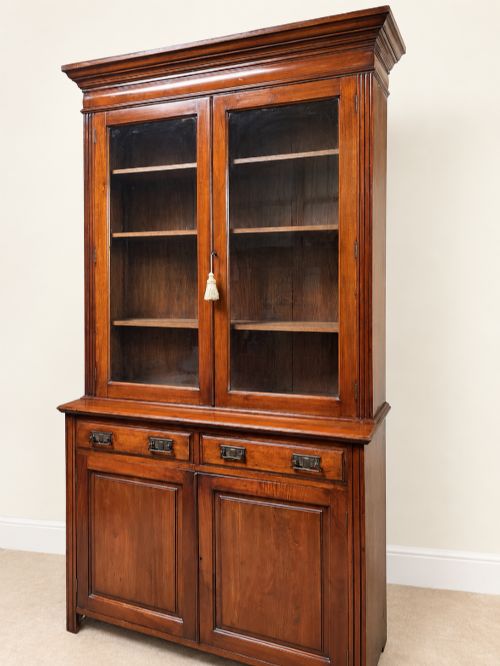
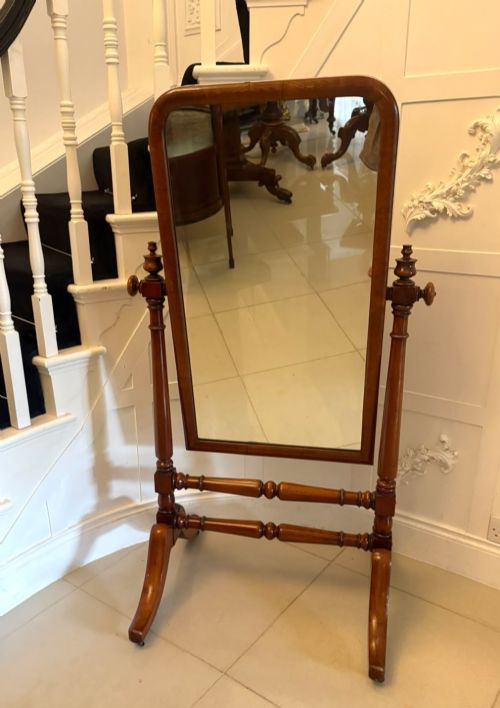
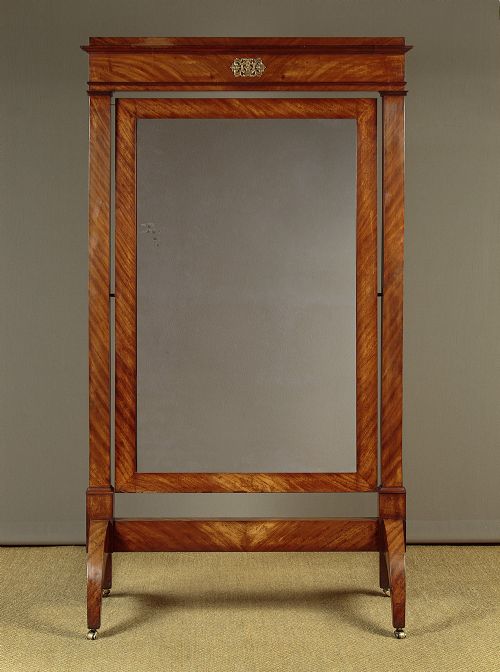
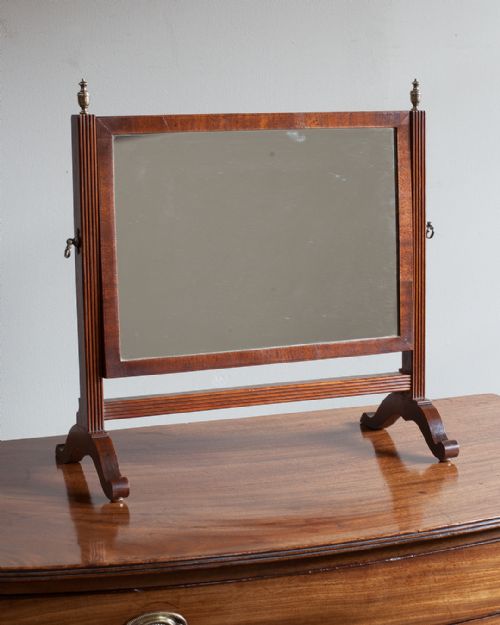
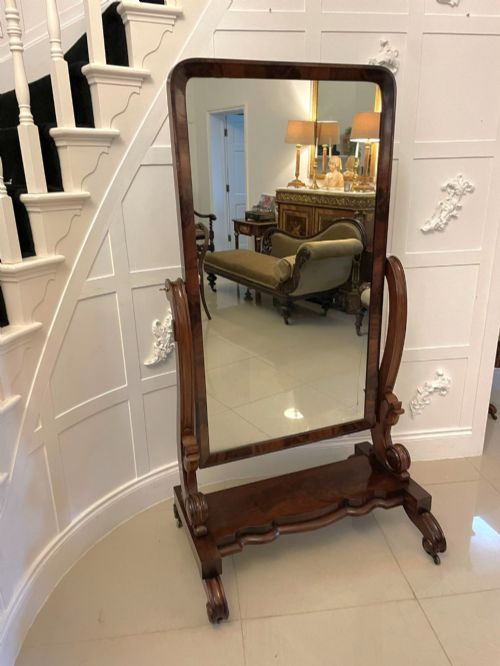
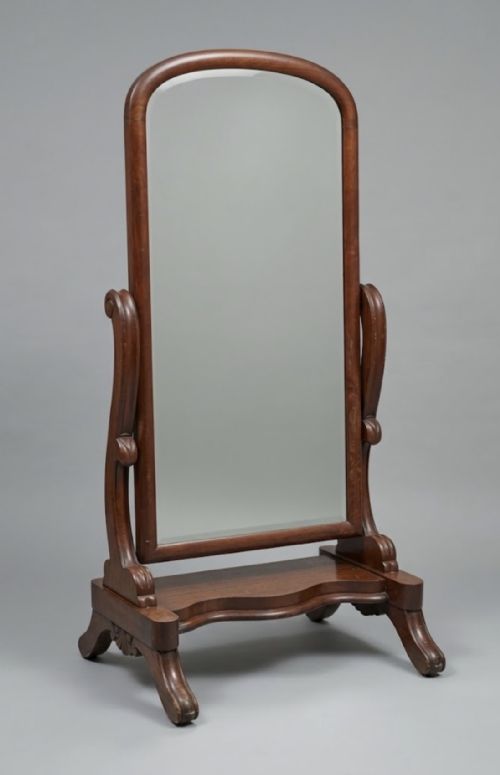
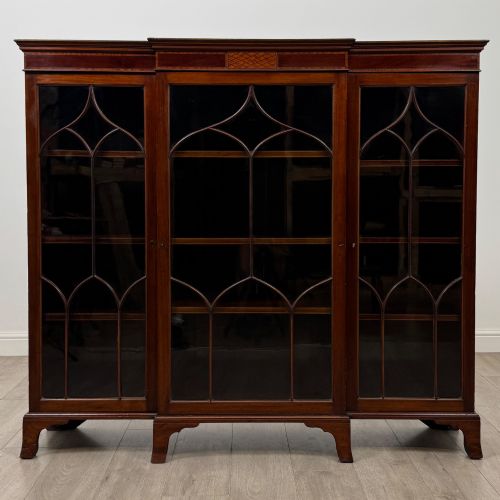
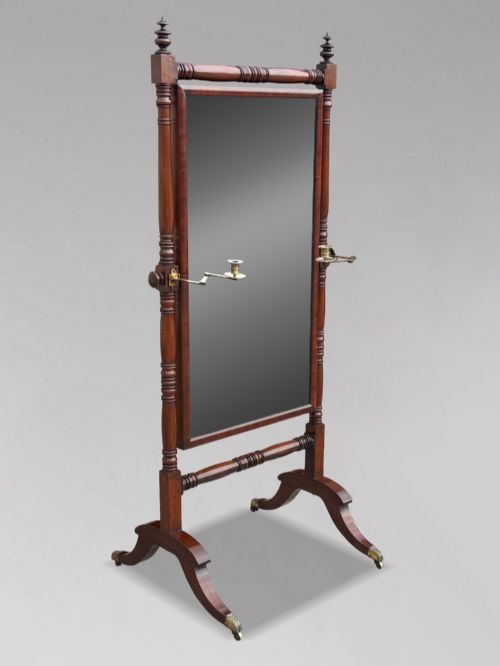
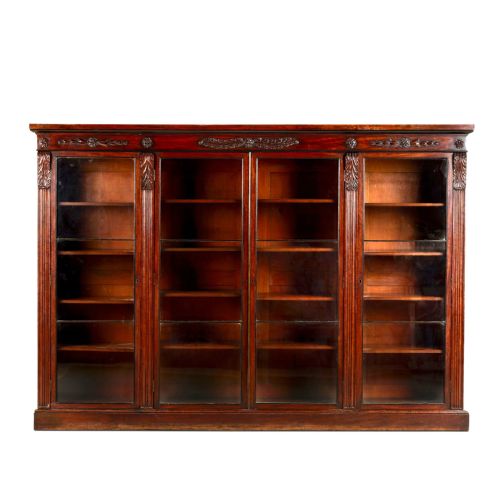
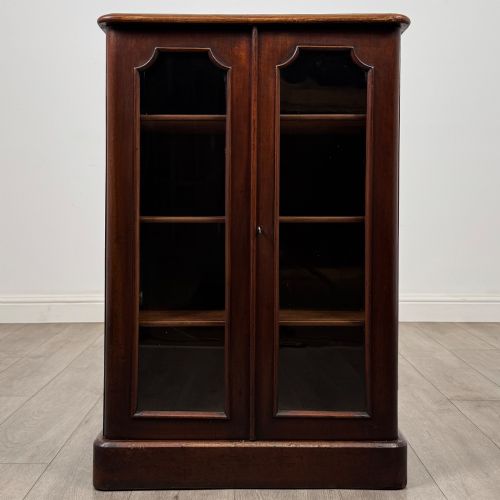
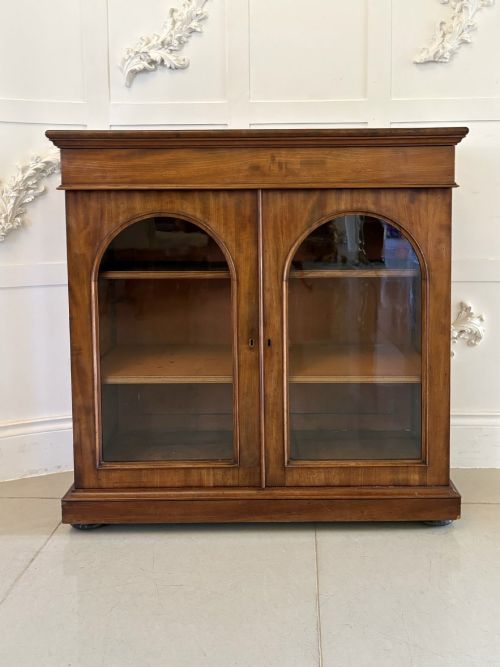
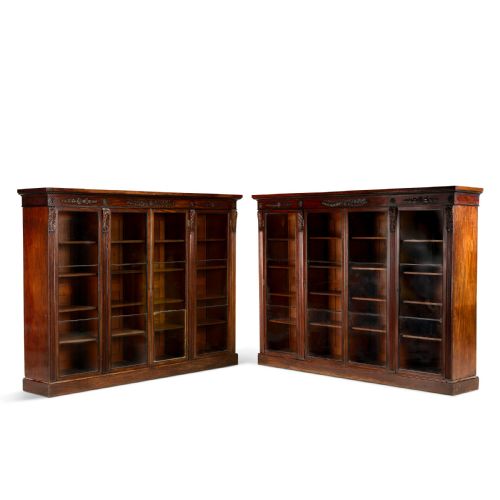
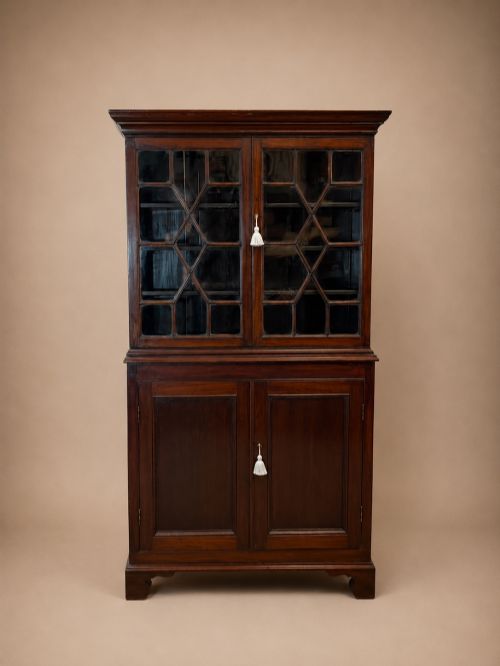
When you search for 19th century mahogany glass, you encounter a range of furnishings where dense tropical timber frames glass components. The selection spans tall library bookcases with glazed doors, floor standing cheval mirrors, and compact dressing table mirrors.
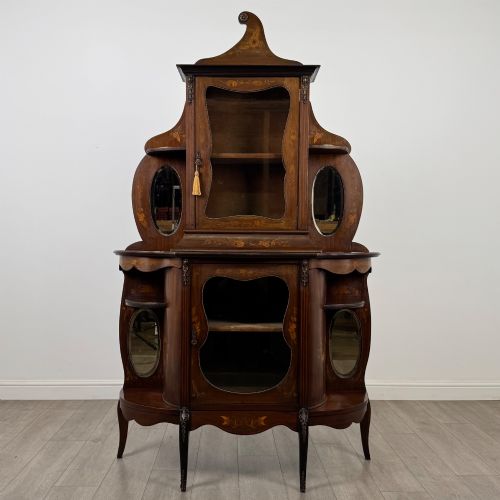
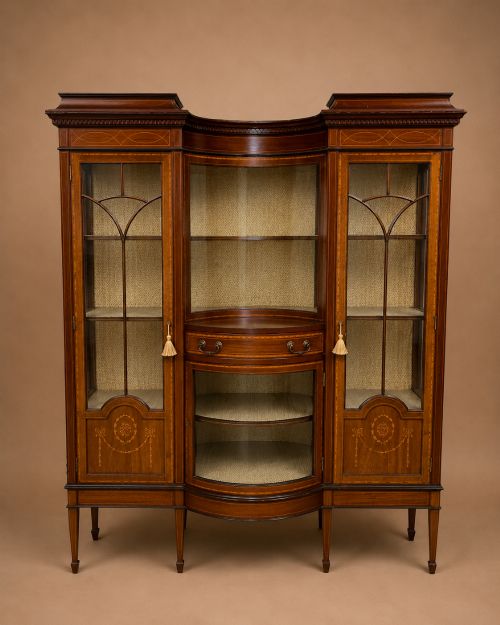
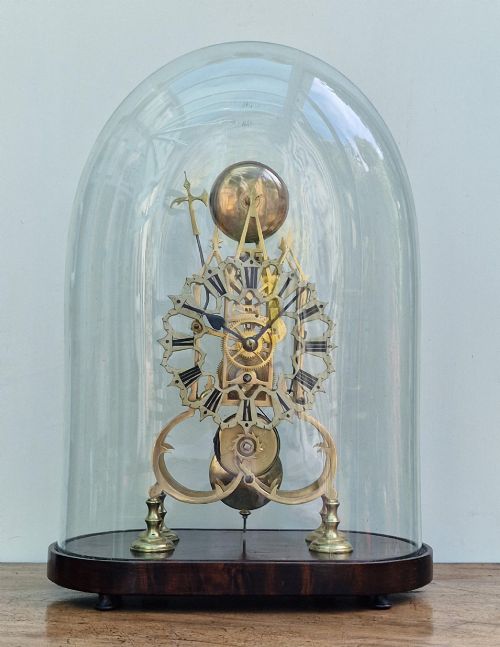
Display cabinets and vitrines also feature heavily alongside smaller items like magnifying glasses and desk clocks. Most examples date from the Victorian and Regency eras, reflecting the high utility of mahogany throughout that century.
Originating largely from British and continental workshops, these items served practical domestic purposes in parlours, libraries, and bedrooms. The wood provides a dark, reddish-brown structural surround that frames the reflective or transparent glass panels securely.
Materials and Construction
Cabinet makers utilised solid mahogany and figured veneers over secondary timbers to build the structural housings for these glass pieces. Brass fittings, ormolu mounts, and delicate inlay work frequently accent the timber frames.
The glass components range from heavy bevelled mirror plates and glazed bookcase doors to delicate magnifying lenses and clock faces. Carpenters joined the wood using traditional mortise and tenon methods, ensuring the heavy glass panels remained safely supported.
Secret drawers hidden within bow-front chests provide a secretive spot for nineteenth-century valuables.
Assessing Quality
The calibre of these pieces rests heavily on the grain figure of the mahogany and the clarity of the glass. Superior items exhibit rich, polished figuring across the timber surfaces alongside heavy, distortion-free mirror plates or clear cabinet glazing.
Joinery execution and detailing dictate the tier of craftsmanship. Finer examples integrate crisp brass hardware, precise inlay work, and robust framing that supports weighty glass without sagging.
Jas Shoolbred·François Linke
The 19th Century Mahogany Glass Glossary
- Cheval mirror
- A freestanding floor mirror suspended on a frame that permits swinging. It allows a full-length view of attire.
- Vitrine
- A glass-fronted display cabinet used for showcasing porcelain and curiosities. These cabinets utilise large glazed panels to maximise visibility.
- Ormolu
- Gilded bronze mounts applied to furniture for decorative effect. It appears frequently on revival and continental pieces.
- Inlay
- Contrasting woods or materials embedded into the mahogany surface to form patterns. Sheraton Revival examples frequently employ this decorative technique.
- Fusee
- A conical pulley mechanism used in clocks to maintain even tension on the drive chain. It ensures consistent timekeeping across the duration of the wind.
19th Century Mahogany Glass: Frequently Asked Questions
How do I clean mahogany frames?
Dust the timber regularly with a soft, dry cloth to prevent grime accumulation.
Apply a quality beeswax periodically to nourish the wood and maintain its deep lustre, avoiding silicone-based sprays.
Can I place these near sunlight?
Direct sunlight can cause mahogany to fade and alter the warm reddish tones of the timber over time.
Position your furniture away from intense south-facing windows to preserve the original finish.
What is a swing mirror?
A swing mirror is mounted on vertical pivots within a fixed frame, allowing the glass angle to tilt.
This mechanism was standard on dressing table and cheval designs throughout the nineteenth century.
How do I identify Regency style?
Regency pieces draw inspiration from classical antiquity, featuring clean structural lines and restrained ornament.
They often rely on the natural grain of the mahogany rather than heavy carving for visual impact.